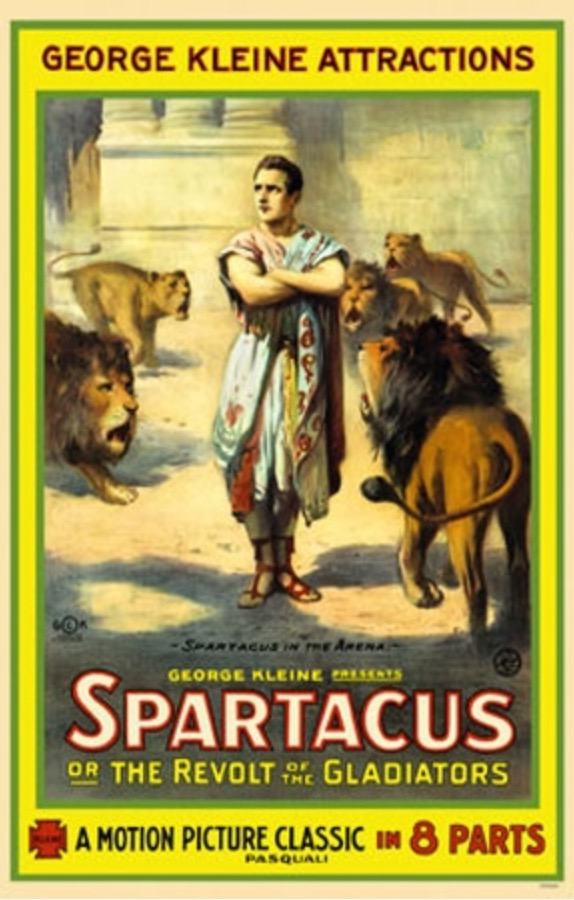
Spartacus sold as a slave rises up and battles the evil Crassus..
Renzo Chiosso, Raffaello Giovagnoli
Italy
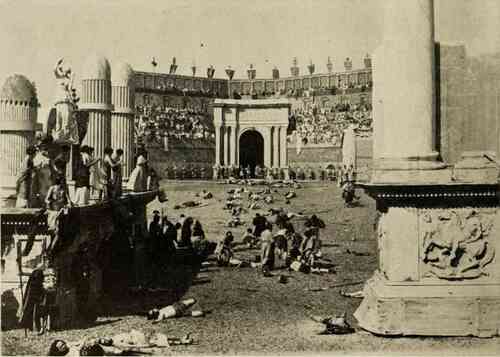
The first thing that strikes you about the 1913 Spartacus is its stubborn refusal to behave like an artifact. Mario Guaita-Ausonia’s Spartacus strides out of the celluloid fog not as a museum relic but as a kinetic charcoal sketch—every sinew scratched in chiaroscuro, every flinch of the brow caught in the sputtering c...
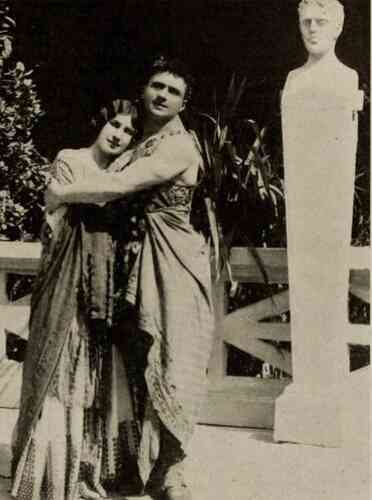
still_frame
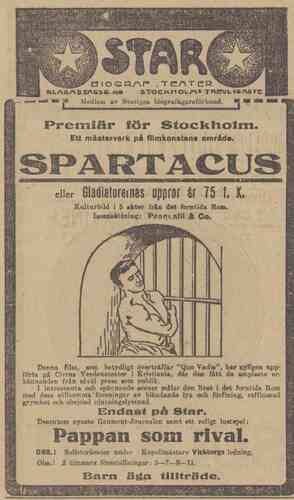
product
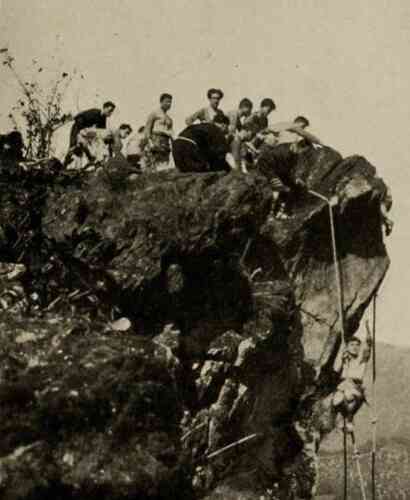
still_frame
still_frame
Community
Log in to comment.
"The first thing that strikes you about the 1913 Spartacus is its stubborn refusal to behave like an artifact. Mario Guaita-Ausonia’s Spartacus strides out of the celluloid fog not as a museum relic but as a kinetic charcoal sketch—every sinew scratched in chiaroscuro, every flinch of the brow caught in the sputtering cadence of hand-cranked light. The film, barely surviving in a 35 mm nitrate print flecked like a pigeons-wing, nonetheless detonates with a modernity that makes later Kubrickian pa..."

Deep dive into the cult classic
Discover similar cinematic experiences
A Directorial Spotlight on Giovanni Enrico Vidali
