
DbcultAccessing Vault...
Film History
Senior Film Conservator
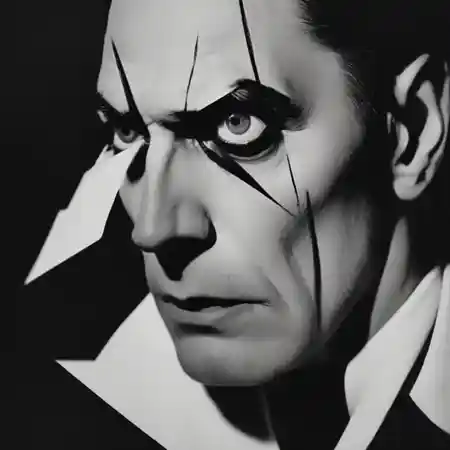
Modern horror is obsessed with the physical. We want to see the bone snap, the skin peel, the blood splatter against the kitchen tile. But there was a time, roughly between 1910 and 1928, when the most terrifying thing a villain could do was simply look at you. This was the era of the mesmeric predator—the psychic hijacker who didn't need a machete because he could simply delete your will with a squint. This wasn't just a plot device; it was the birth of the cult protagonist. We aren't talking about the cartoonish hypnosis of later b-movies. We are talking about the total erasure of the self, a theme that silent cinema mastered with a cold, surgical precision that modern digital jump-scares can't touch.
In the 1917 classic Gefangene Seele (Prisoner of the Soul), we find the blueprint for the psychic parasite. The villainous Baron von Groot doesn't use brute force to claim Violetta. He uses a hypnotic mandate. The film presents a terrifyingly literal interpretation of 'the male gaze.' When Groot stares, the camera often lingers on his eyes, isolating them from the rest of his face. It’s a visual choice that makes the viewer feel the weight of his attention. It’s claustrophobic. It’s predatory.

What makes this film essential cult history is how it treats the victim. Violetta isn't just scared; she is absent. She becomes a biological puppet. This is the true origin of body horror—not the mutation of the flesh, but the vacancy of the mind. When the young physician tries to rescue her, he isn't fighting a man; he’s fighting an invisible tether. The Baron is eventually defeated, but the film leaves us with a nasty lingering thought: if your soul can be checked out like a library book, do you ever really own it? I’d argue that von Groot is a far more sophisticated monster than the slashers of the 80s because he attacks the one thing we assume is untouchable: our autonomy.
If Gefangene Seele gave us the predator, Warning Shadows (1923) gave us the theater of cruelty. This film is a masterclass in psychological manipulation. A wealthy man, consumed by jealousy, invites a group of bachelors to a dinner party. Enter the shadow player—a man who uses a literal puppet show to reflect the guests' secret desires and fears back at them. The genius of director Arthur Robison here is the use of the shadow as a medium for psychic control. The guests aren't just watching a show; they are being induced into a collective hallucination.
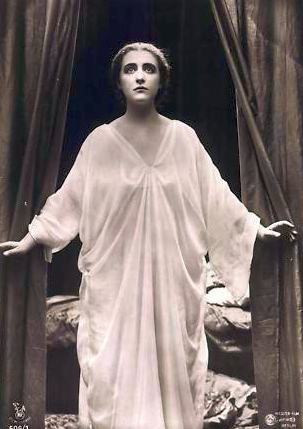
The shadow player is the ultimate cult figure because he operates on the level of the subconscious. He doesn't tell the guests what to do; he simply shows them their own ugliness until they act upon it. The film weaponizes the act of looking. By the time the violent confrontation occurs, the line between the puppet show and reality has dissolved. This is a debatable point, but I believe Warning Shadows is a more foundational cult film than Nosferatu. While Orlok is a physical threat, the shadow player is a meta-threat. He is a stand-in for the director, reminding the audience that we are all just puppets to the flickering light on the screen.
While the Germans were exploring the psychic depths of the soul, the French were obsessed with the criminal genius who could be anyone. Fantômas: In the Shadow of the Guillotine (1913) introduced a predator who didn't need psychic powers because his mastery of disguise was so absolute it achieved the same result. Fantômas is the ghost in the machine of Paris. He is a predator of systems, a man who turns the high society's own rules against them.

The scene where Inspector Juve tries to corner him, only to realize he’s chasing a shadow, is the perfect distillation of the 'unknowable protagonist.' Fantômas isn't a character; he’s a force of nature. He represents the fear that the person standing next to you isn't who they say they are. This is a different kind of mesmeric control—the control of information and identity. In the cult of Fantômas, the predator wins because he is the only one who knows the truth. The rest of the world is just living in his script. It’s a bleak, nihilistic vision that predates the modern 'conspiracy thriller' by decades.
Not all psychic predators in silent cinema came from the outside. In The Beggar of Cawnpore (1916), the predator is a chemical one. Robert Lowndes, a British army doctor, becomes addicted to morphine while treating a cholera epidemic. The 'mesmeric' force here isn't a Baron or a shadow player; it’s the needle. The film depicts his descent with a rawness that is shocking for 1916. As he loses his grip on his profession and his dignity, his eyes take on that same vacant, hollow look we see in the victims of hypnotic control.
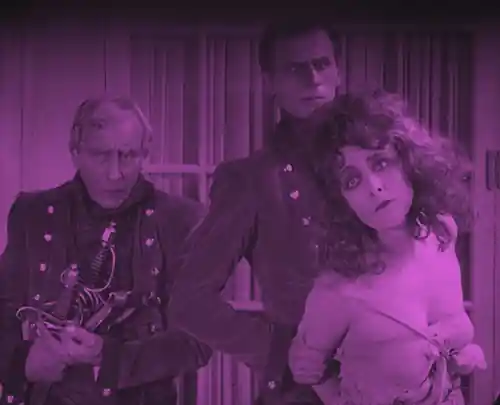
The drug becomes the master, and Lowndes becomes the puppet. This internalizing of the predator trope was a massive leap forward for cinema. It suggested that we carry our own jailers within us. The cult appeal here lies in the tragedy of the 'falling man.' We watch him not to see him succeed, but to witness the specific, agonizing mechanics of his failure. It’s a voyeuristic exercise in empathy that silent cinema, with its forced focus on facial expression, was uniquely equipped to handle.
Why does the silent-era psychic predator still resonate? Because we are currently living in an era of digital mesmerism. Our algorithms are the modern Barons von Groot, and our social media feeds are our Warning Shadows. These films were the first to identify that the most valuable thing an individual possesses isn't their wealth or their health, but their attention. When you give someone your gaze, you give them power.

There is a harsh truth at the center of these films: we want to be controlled. There is a perverse comfort in being told what to do, in having the burden of choice removed. The cult film audience knows this better than anyone. We return to these movies precisely because they allow us to submit to a vision that is more powerful than our own. Whether it’s the Baron’s eyes or the shadow player’s screen, we are all looking for a master. Silent cinema just had the guts to say it out loud without using words.
The mesmeric predator didn't need a chainsaw because he could simply delete your will with a squint. This wasn't just a plot device; it was the birth of the cult protagonist.
If you want to understand the modern obsession with charismatic cult leaders and manipulative anti-heroes, you have to look at the silent era. You have to look at the eyes. Films like Say It with Songs (1929) might have introduced the 'talkie' melodrama of guilt and prison, but the real prison was always the one built by the psychic predators of the decade prior. Silence wasn't just a technical limitation; it was a thematic choice that emphasized the isolation of the mind. In the silent era, nobody can hear you scream, and more importantly, nobody can hear the predator telling you to be quiet.