
Cult Cinema
50 Forgotten Frames: How Carnival Parades, Sparring Rings and Factory Floors Secretly Wrote the DNA of Cult Cinema
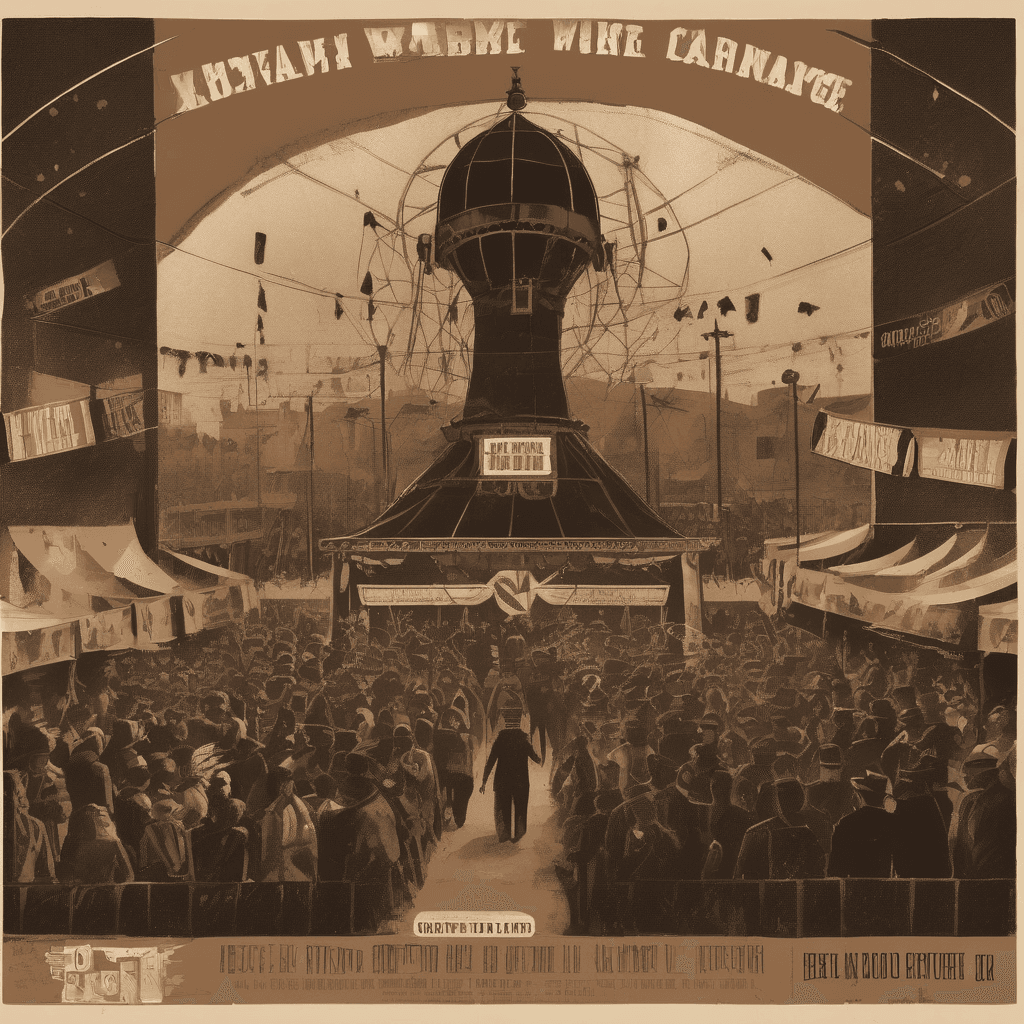
“Long before midnight movies, 50 one-reel oddities—carnivals, boxing blood, and steam-powered factories—sparked the first cult followings and forged the outsider aesthetic we still worship today.”
We sling the words cult cinema around like confetti at a midnight screening, but where did the DNA actually coil? Before The Rocky Horror Picture Show gave us fishnets and before Pink Flamingos made trash divine, there were flickering shadows—single reels, sometimes less than a minute—projected in repurposed vaudeville houses, travelling fairs and nickelodeons. Fifty of those embryonic frames, buried for decades in European archives and American vaults, reveal the primordial soup from which cult cinema crawled. They are not lost; they were simply waiting for us to catch up.
Carnivals, Coronations and the First Cult Crowds
Take Le carnaval de Mons (Belgium, 1905). Technically a newsreel, yet the camera lingers on grotesque papier-mâché giants, drunken brass bands and cross-dressing harlequins. Audiences did not just watch carnival—they tasted the anarchic sugar of masking identity. Prints circulated among Walloon miners who projected the reel in back-room pubs, cheering their own city’s mayhem long after the parade ended. Repeat bookings, rowdy call-and-response, quote-along brass riffs: the first Rocky Horror floor show was born here, not in 1975 but 1905.
Similarly, Krunisanje Kralja Petra I Karađordjevica captured a 1904 Serbian coronation with pomp so opulent it felt surreal. Peasant soldiers in goat-wool socks, foreign diplomats in Parisian tailcoats, Orthodox priests swinging incense—viewers in Belgrade cafés rewound the parade to freeze-frame a king who, for many, represented either liberation or occupation. Opposing factions rented the same print to hiss or cheer identical shots. A film had become a political football, a ritual object. That tension—between official spectacle and unruly readership—is the marrow of cult.
Blood on the Canvas: Boxing Reels as Proto-Midnight Movies
If carnival supplied the freak-show lens, prize-fight films injected raw brutality. The Corbett-Fitzsimmons Fight (1897) was the Avengers: Endgame of its day—except it ran 100+ minutes in an era when most films stopped at 60 seconds. Crowds returned to see the same gloved fists pulp faces under Nevada sun. Touring lecturers sold annotated shot-lists so gamblers could study feints. Women attended in numbers studios hadn’t predicted, claiming they came “to admire physiques.” Moral watchdogs demanded bans; exhibitors responded with midnight screenings labelled “For Men Only.” The template—transgressive content, gendered gatekeeping, forbidden-hour exhibition—was etched in celluloid blood.
Fast-forward to Gans-Nelson Contest, Goldfield Nevada, September 3, 1906. Joe Gans, America’s first Black boxing champion, endures 42 rounds in desert heat before knocking out Battling Nelson. The footage is jittery, the figures ghostlike in over-exposed sun, yet African-American clubs from Baltimore to Chicago screened the reel as both victory lap and proof of excellence under pressure. Owning a 16 mm reduction print became a quiet act of civil rights activism decades before the term existed. A marginalized audience reclaiming a mainstream document, re-inscribing it with private meaning—classic cult behaviour.
Factory Fetish and Industrial Sublime
While Europe paraded and America punched, Pittsburgh forged the future. The Westinghouse Works cycle (1904) is 21 micro-films of molten steel, tesla coils and conveyor belts. Factory owners intended them as morale boosters for shareholders; instead, avant-garde poets in Greenwich Village loft spaces spliced them into hallucinatory loops. The rhythmic clang of trip-hammers prefigured the stroboscopic edits of Koyaanisqatsi. Russian constructivists pirated prints to teach montage theory. A documentary about industrial discipline morphed into a hypnotic ode to mechanised alienation—exactly the alchemy cult cinephiles live for.
Sacred Gore, Pagan Horror and the Birth of Transgressive Spectacle
Religious pageants were box-office catnip in Catholic Europe. The Life and Passion of Jesus Christ (France, 1903) marketed itself as family-friendly scripture, yet the crucifixion sequence lingers on flagellation, bloodied thorns and a spear plunging into a latex side. Clergy endorsed the film; children had nightmares for weeks. In Spain, anarchist collectives re-cut the footage into anticlerical screeds, screening it beside bawdy songs. A sacred text turned blasphemous meme: the first “video nasty” scandal, half a century before the BBFC clutched its pearls.
From kabuki horror, Hidaka iriai zakura stages the serpentine transformation of Princess Kiyo. Shot in 1899, the film layers Noh theatricality with proto-special effects—double exposure turns the actress into a writhing serpent. Urban legends claim pregnant women were forbidden to watch lest they miscarry from fright. Prints passed hand-to-hand among medical students who held “terror séances” in chilled dissecting theatres. Cult horror has always thrived on whispered folklore; here it is, germinating inside a 55-second Japanese vignette.
Exotic Gazes, Pilgrimage Trails and the Colonial Uncanny
Auguste François, French consul in southern China, shot Images de Chine between 1896-1904—grainy ghost-processions, river funerals, opium dens. Back in Paris, the reels screened in ethnographic museums where viewers thrilled to “authentic savagery.” Yet Chinese students in Montmartre rented the same prints to memorise landscapes of home. A colonial document oscillated between imperial trophy and diasporic relic—dual identity is the hallmark of cult artefacts that refuse fixed meaning.
Similarly, Tourists Embarking at Jaffa (1903) shows white-clad Europeans boarding boats on the Palestinian coast. Zionist clubs screened it as evidence of Jewish return; Ottoman authorities used it to prove foreign infiltration. One reel, two manifestos. The film became a Rorschach test for competing nationalisms, a radical rereading practice later perfected by midnight audiences who recite dialogues over The Room.
The Comic Anarchy of Solser & Hesse
Dutch vaudevillians Solser en Hesse debuted on celluloid in 1896. Their sketch “The Broken Statue” ends with a plaster bust exploding over the duo, a proto-slapstick money shot. Dutch colonial troops smuggled prints to Jakarta, where Indonesian dockworkers howled at the universal idiocy. The film’s humour travels untranslated, proof that physical absurdity transcends empire. Cult comedy—from Eraserhead’s baby laugh to Napoleon Dynamite—often begins with the same brute visual punch lines that need no subtitles.
When Newsreels Becaine Myth
Untitled Execution Films (1900) documents Japanese troops in the aftermath of the Boxer Rebellion. Contemporary catalogues listed them as “educational.” Yet London’s Penny Gaff cinemas advertised them with the come-on “See heads roll in the Far East!” Urban working-class audiences, priced out of West End theatres, crowded damp cellars to watch distant death. The same impulse—gawking at atrocity marketed as moral instruction—fuels today’s cult of mondo and found-footage horror. One century removed, the footage is practically Faces of Death on sepia tint.
Transport, Tourism and the Lure of Kinetic Release
Can a travelogue be cult? Ask the Swedish canal-boat enthusiasts who still gather each summer to screen Resa Stockholm-Göteborg genom Göta och Trollhätte kanaler (1902). Projected on boat sails at twilight, the 12-minute ride through locks and pine forests becomes a hypnotic mantra, a lo-fi ancestor of slow TV and train-ride TikToks. Fans time canal holidays so they drift past the exact bends shown on film. A 1902 documentary functioning as both itinerary and shrine—if that is not cult devotion, nothing is.
From Windmills to Dulcinea: Don Quixote as the First Cult Antihero
The 1898 adaptation of Don Quijote condenses Cervantes into two minutes—tilting at windmills, then collapsing. Early Spanish audiences laughed at the deluded hidalgo, but students in post-war Madrid repackaged the reel as existential parable. Café debates argued whether the windmill sequence proved the futility of resistance or the nobility of futile resistance. A film short enough to fit in your pocket yet deep enough to host philosophical bar tabs—textbook cult material.
Paper Dolls, Peep-Shows and the Gendered Gaze
Even children’s play could be subverted. Dressing Paper Dolls (1902) presents a pair of female hands swapping cardboard outfits. Suffragette clubs in London re-edited it into a loop, projecting it behind speeches about the constructedness of gender roles. A simple demo reel became a political cartoon, proving again that context is everything in cult reception.
Resurrection by Reel: How the 50 Forgotten Frames Still Breathe
Today, live-score composers perform new soundtracks to boxing reels. Steam-punk collectives loop Westinghouse turbines on LED columns. VR start-ups morph carnival footage into immersive Mardi Gras hallucinations. These acts of resurrection confirm that cult is not a genre; it is a negotiation between artefact and audience, an ongoing séance where forgotten shadows speak new languages.
Every modern cult ritual—the costumed midnight queue, the shouted callback, the fetishised prop—echoes in these 50 forgotten frames. They lacked sound, colour, even intertitles, yet they pioneered participatory spectatorship, oppositional reading and transgressive delight. The next time you raise a toast to Harold and Maude or quote Heathers, remember: the first cultists were Belgian carnival-goers hissing at papier-mâché giants, or Goldfield miners betting on Joe Gans’ fists under a blistering Nevada sun. Cult cinema was never about budgets or stars; it was always about the moment when a flicker meets a hunger the makers never imagined.
Key Takeaway
Cult cinema’s genetic code—subversive reuse, transgressive content, communal ritual—was not invented in the 1970s. It is fossilised in 50 one-reel oddities shot between 1896-1908, waiting for each new generation to splice, sample and scream back at the screen.
Community
Comments
Log in to comment.
Loading comments…