
Cult Cinema
50 Forgotten Reels That Secretly Invented Cult Cinema: From Carnival Parades to Corbett-Fitzsimmons
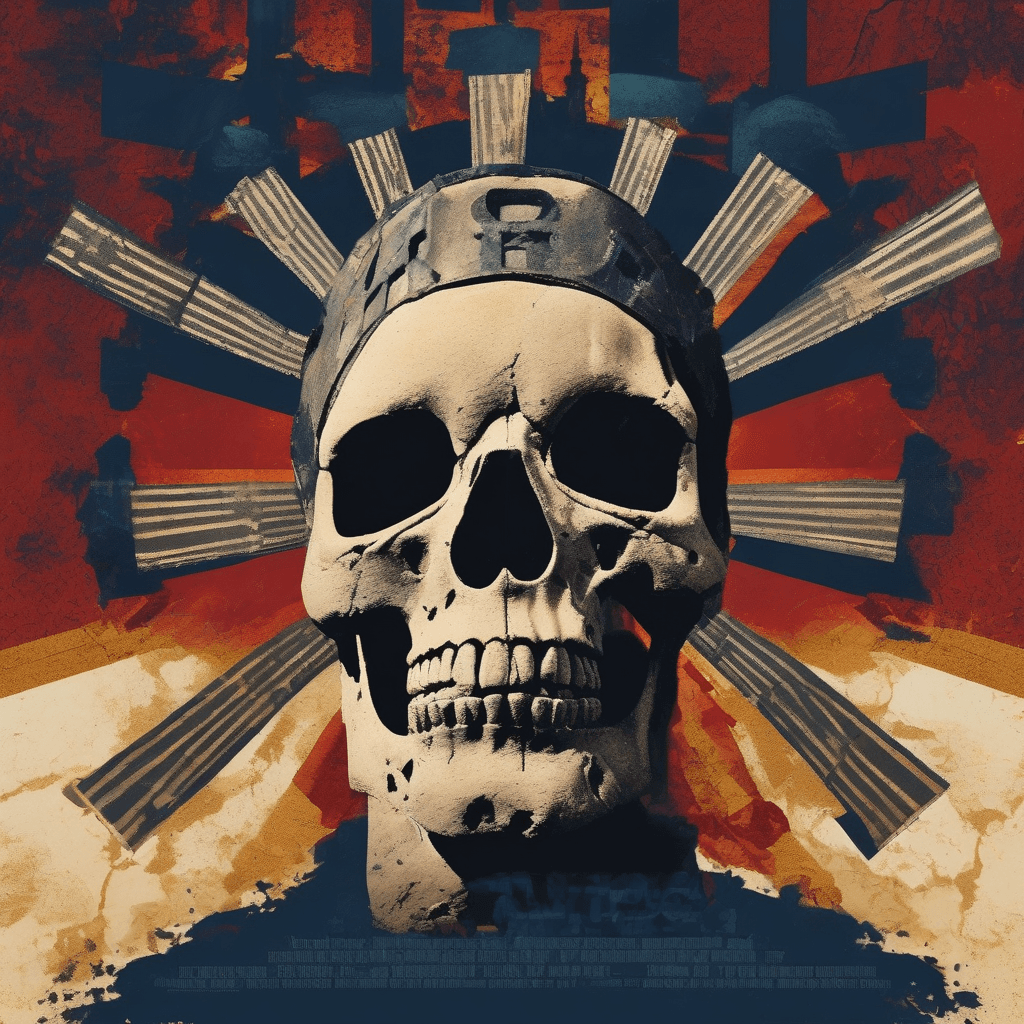
“Long before midnight movies, fifty scrappy turn-of-the-century shorts—boxing rings, carnival floats, neurology wards, and Asia’s first feature—planted the DNA of modern cult cinema.”
The Secret Reels That Built an Underground Church
Ask a modern cinephile to pinpoint the birth of cult cinema and you’ll hear The Rocky Horror Picture Show, Pink Flamingos, or maybe Eraserhead. Yet four generations earlier, inside nickelodeons smelling of sawdust and coal smoke, audiences were already cheering, jeering, and worshipping films that mainstream critics ignored or condemned. Fifty surviving one-reelers—shot between 1897 and 1909—function as the secretly shared scriptures of what would become cult cinema. They are carnival processions captured in El carnaval de Niza, the sweat-soaked brutality of The Joe Gans-Battling Nelson Fight, the royal pageantry of Krunisanje Kralja Petra I Karadjordjevica, and the medical voyeurism of La neuropatologia. Each short delivered forbidden fruit: visceral novelty, regional pride, taboo subjects, or technical experimentation. Together they forged the four pillars of cult film—shock, secrecy, community, and repeat ritual—decades before midnight screenings had a name.
Shock Value Before the Hays Code
Cult cinema’s lifeblood is the jolt that bypasses polite society, and early filmmakers instinctively understood the currency of the forbidden. In 1897 the surgical calm of Turin’s neurology ward erupts in La neuropatologia as Professor Camillo Negro’s patients writhe under the camera’s clinical gaze. The spasms, stares, and grotesque contortions anticipate the body-horror obsessions of Cronenberg and the Mondo shockumentary cycle. Meanwhile, across the Atlantic, Thomas Edison’s studio restaged the 1897 world heavyweight bout in Reproduction of the Corbett and Fitzsimmons Fight. The 100-foot print delivered the first on-screen sports scandal—bare-knuckle violence, bloodied noses, and a knocked-out champion—packing Manhattan storefront theatres with women clutching opera glasses and men roaring for more. Authorities tried to ban it; ticket sales skyrocketed. The template was set: outrage equals free publicity equals sold-out shows.
Boxing, Blood, and Repeat Business
Fight films became the first repeat-viewing phenomenon because each round was a discrete thrill. Reproduction of the Jeffries-Fitzsimmons Fight (1899) and The Joe Gans-Battling Nelson Fight (1906) turned mining camps into impromptu fan zones. Prints were hand-carried from state to state, often escaping the licensing clutches of Edison’s Trust. Bootlegging prints—an ancestor of the underground circulation that later gave Deep Throat or The Texas Chain Saw Massacre their mythical status—bred local micro-communities who memorized punch sequences the way Deadheads would later trade bootleg tapes. When Jack Johnson defeated Tommy Burns in Australia for the World’s Heavyweight Championship (1908), the resulting reels crossed oceans, igniting race riots in some American towns and clandestine celebration screenings in Black churches—proof that a film could be both incendiary and liberating.
Secrecy and Smuggling: The First Underground Networks
If shock was the spark, secrecy was the oxygen. Early newsreels shot in exotic corners of the globe arrived months late, scratched, incomplete, and often re-edited by local exhibitors who added lantern slides or live narration. Audiences felt they were seeing something untamed, unofficial, possibly contraband—an emotion later perfected by 1970s midnight distributors who mailed 16 mm prints in unmarked boxes. Consider Images de Chine, compiled from French consul Auguste François’ personal footage (1896-1904). The reels revealed opium smokers, bound-foot women, and public executions to Parisian cafés where viewers signed confidentiality pledges to avoid diplomatic fallout. Smuggled copies screened in London anarchist clubs, inspiring the anti-imperialist writings of early suffragettes. Secrecy bred complicity; complicity bred devotion.
Coronation Bootlegs and Lost Kings
Royal ceremonies were state propaganda, yet prints slipped into foreign markets as prestige curios. L’inauguration du Palais Colonial de Tervueren (1897) and Krunisanje Kralja Petra I Karadjordjevica (1904) became trophies for ethnic diasporas who rented basements, hung homemade flags, and toasted missing homelands. These covert coronation nights prefigure the cosplay sing-alongs of The Room or RHPS where fans recite dialogue in communal defiance of official narratives.
Community Rituals: From Factory Gates to Parade Routes
Cult cinema demands a tribe. The earliest tribes formed around local actualités. Portuguese dockworkers crowded balconies to glimpse themselves leaving the Arsenal da Marinha yards; Belgian socialists marched behind brass bands to the cinematograph showing Le départ du contingent belge pour la Chine. The act of recognizing oneself—or one’s class—on screen created an intoxicating feedback loop. Exhibitors learned to exploit it, staging repeat screenings on pay-day Fridays. Thus the “we’re in the movie” phenomenon predates 1960s Warhol Screen Tests or 1990s Twin Peaks fan weekends by half a century.
Carnival as Proto-Cosplay
Carnival and cinema collided in El carnaval de Niza and Le cortège de la mi-carême. Revelers already wore elaborate disguises; cameras simply canonized the masquerade. Spectators returned nightly to spot new details—an ostrich feather, a satirical float mocking the mayor—mirroring repeat Rocky Horror attendees who time their costume changes to striptease beats. The carnival films also introduced the glitch aesthetic: hand-crank variance causing petals to snow upward in reverse, a happy accident later fetishized by glitch-art VHS collectives.
Repeat Ritual: The Birth of the Re-Watch
Why did viewers pay to see a 90-second windmill turn endlessly in Naval Subjects, Merchant Marine, and from All Over the World? Because early cinema was experiential hypnosis. The looped imagery—windmills, waves, factory gates—functioned like mantras. The same patrons returned weekly, bringing friends to watch themselves watch. Exhibitors noticed and began advertising “the crowd’s favorite view,” an ancestor of the cult midnight “see it again” tagline. Fast-forward to Donnie Darko fans parsing rabbit masks or Mulholland Drive theorists mapping blue-box timelines; they inherit the compulsive re-watch gene pioneered by these forgotten reels.
Opera, Passion Plays, and the First Easter Eggs
Religious pageants such as Life and Passion of Christ and S. Lubin’s Passion Play offered sanctioned repeat viewing under the guise of devotion. But savvy exhibitors inserted unannounced footage—an extra angel, a re-shot Resurrection—to stimulate return attendance. The tactic mirrors today’s hidden post-credit stingers and Easter-egg hunts inside Ready Player One screenings.
The Global Mash-Up: When Exotica Becomes Obsession
Cult cinema thrives on cross-cultural frisson. Early travelogues functioned as armchair safaris, mixing the authentic with the staged. Trip Through America and Trip Through England juxtaposed Niagara Falls with Coney Island barkers, Edinburgh castles with soot-streaked mills. Audiences didn’t care about documentary purity; they craved the collision of remote icons. The same appetite fuels Jodorowsky’s Mexican-western psychedelia or Miike’s yakuza musicals. Meanwhile, Asia’s first narrative film—China’s Dingjun Mountain—introduced Peking-opera stylization to viewers who couldn’t read intertitles, proving that spectacle sans language could still mesmerize, a lesson later exploited by Holy Mountain cultists.
From Fairground Attraction to Fanatic Devotion: The Transmutation
By 1909 the grammar of cult cinema was complete. Shocking or taboo subject matter (boxing, neurology, colonial carnage), clandestine circulation (bootleg fight reels, smuggled coronation footage), community participation (factory workers, diaspora coronation parties), ritualized re-watching (windmills, passion plays, carnival parades). The next century merely amplified these elements through technicolor gore, psychedelic montage, and ironic post-modern distance. Yet every cult programmer—from El Topo to Mandy—owes a debt to these fifty forgotten frames. They remind us that before cult cinema was a business model, it was a grassroots rebellion against the polite, the sanctioned, the mass-produced.
Preserving the Flicker
Archivists now race to digitize shrinking nitrate rolls. Each restored reel—whether Saída dos Operários or Japan’s Soga kyodai kariba no akebono—reopens a portal to the first underground. Streamers should resist the algorithmic urge to algorithmically lump them under “vintage curios.” Instead, program them as midnight oddities with live benshi narration, psychedelic scores, or crowd-sourced subtitles. Reenact the boxing bouts with foam gloves. Encourage carnival cosplay. Let these 50 forgotten reels reclaim their rightful throne as the secret inventors of cult cinema.
Next time you queue Donnie Darko at 11:59 p.m., remember: a Belgian soldier once marched to China, a Chinese opera star once swung a wooden sword on a makeshift studio lot, and a Turin neurologist once filmed a twitch that still echoes through every cult screening where shock, secrecy, community, and ritual entwine. The cult was never new; it was always waiting in the dark, flickering at 16 frames per second, daring us to look closer, cheer louder, and return again.
Community
Comments
Log in to comment.
Loading comments…