
Cult Cinema
50 Primitive Frames That Secretly Invented Cult Cinema: From Windmills to Boxing Rings
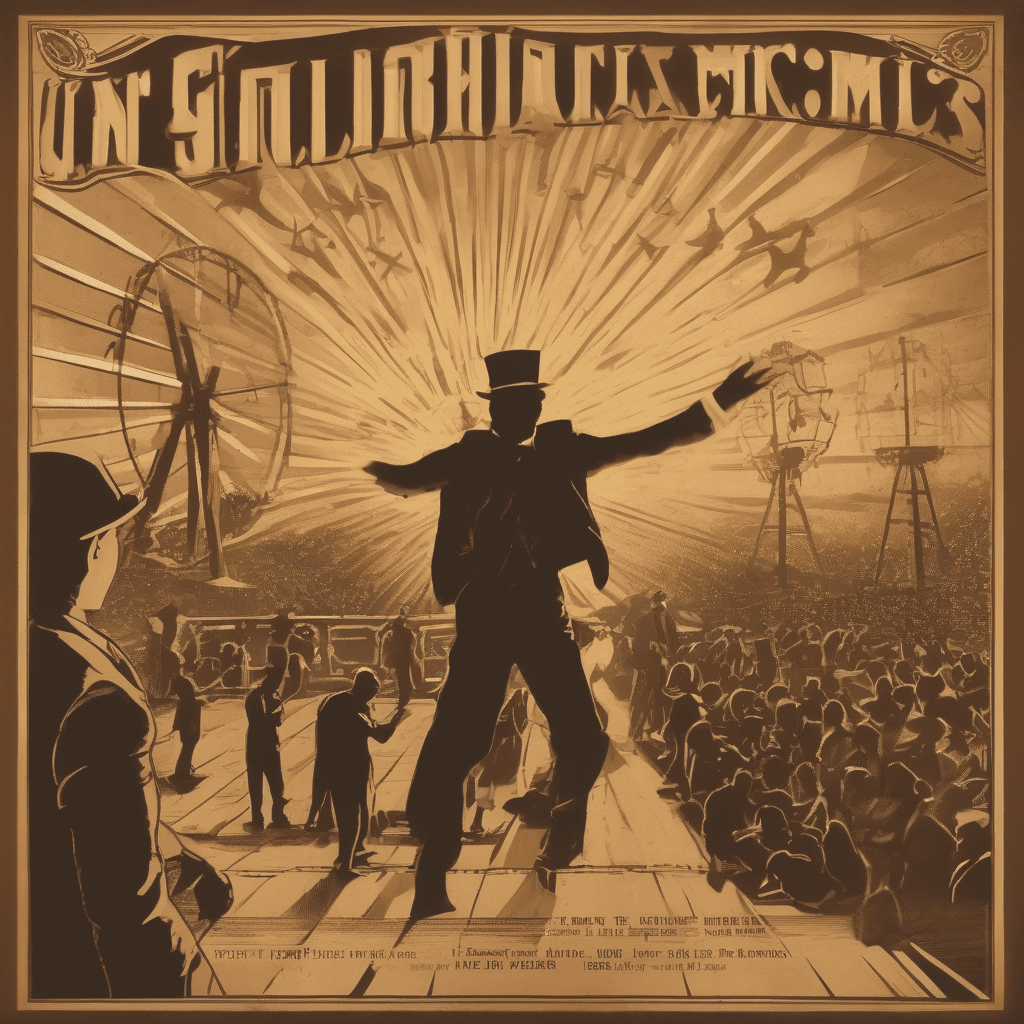
“Long before midnight movies, fifty turn-of-the-century oddities—windmills, fight reels, carnival processions—sparked the first underground obsessions that became cult cinema.”
The First Flickers of Obsession
Cult cinema is usually pictured as smoky midnight auditoriums, scratched prints of Eraserhead or The Rocky Horror Picture Show, and costumed fans shouting callbacks. Yet the true DNA of cult film—that alchemical blend of forbidden spectacle, arcane subject matter, and communal rediscovery—was already fermenting in 1896-1906, inside fifty primitive frames that most historians treat as footnotes. These one-reel wonders, shot on volatile nitrate and projected at church fairs, vaudeville houses, and seaside piers, carried the same subversive charge later adored by underground audiences. They were the first “you had to be there” experiences, the first films traded in whispers, re-appropriated for local rituals, and resurrected decades after their creators vanished.
From Windmills to Westinghouse: Why Early Shorts Became Secret Handshakes
Take Don Quijote (1898), in which a gaunt knight tilts at sails that dwarf the frame. Spanish audiences burst into laughter, not at the gag, but at recognizing their regional folktale mocked on celluloid. Prints were hand-carried across Aragón and Castile, each screening turning into an improvised commentary track—centuries before Mystery Science Theater 3000. The same happened with Belgium’s Le défilé de la garde civique de Charleroi (1905): locals packed cafés to jeer and cheer their neighbors in uniform, turning civic pride into participatory satire. These films were proto-midnight movies, igniting regional identity instead of mass-market consensus.
Boxing Reels: The First Bootlegs
No genre screamed “forbidden fruit” louder than prize-fight actualities. Reproduction of the Corbett and Fitzsimmons Fight (1897) was banned in several states for glorifying brutality; exhibitors responded by advertising “scientific exhibitions of athletic physiology,” printing alternate title cards, and screening the 100-minute epic at 3 a.m. for drunk miners. When The Joe Gans-Battling Nelson Fight (1906) arrived, bootleggers spliced rounds out of order to dodge police seizures, birthing the first recut underground versions—a practice later fetishized by Blade Runner workprints. Fans memorized punch combinations the way 1970s stoners memorized Rocky Horror lyrics, proving that repetition breeds ritual.
Carnival, Corpus Christi, and Collective Memory
Religious processions and carnival parades supplied early filmmakers with ready-made pageantry. De heilige bloedprocessie (1903) and El carnaval de Niza (1903) feel like newsreels today, but to 1900s audiences they were personal time capsules. Parishioners pointed out grandparents in the crowd; carnival societies whistled theme songs when floats appeared. Prints were stored in church vestries and dance-hall cloakrooms, screened yearly like VHS holiday videos. This cyclical viewing—public yet private—prefigures the annual cult film gatherings that sustain The Room or Donnie Darko decades later.
Images de Chine: The First Cult Travelogue
French consul Auguste François never meant to make an underground hit. His Images de Chine (1896-1904), stitched from day-to-day footage of Yunnan province, revealed street executions, opium dens, and bound-foot women—images Western censors labeled “indecent.” Smuggled prints circulated Parisian salons, where Symbolist poets hailed the film as “a visual opium dream.” University clubs screened it with live gamelan accompaniment, birthing the first reinterpretive soundtracks, a tactic now standard for Koyaanisqatsi or Hausu revivals.
Faust, Hamlet, and the Birth of the Counter-Canon
Literary adaptations flopped commercially in 1900, making them instant collector bait. Faust (1904) arrived as twenty-two three-minute phonoscenes; only four survive, ensuring whispers about “the missing reels” that cine-clubs hunted for decades. Hamlet (1907) was condemned by London critics for “sullying Shakespeare with vulgar pantomime.” Copies were quietly sold to provincial teachers who used them for classroom illustration, embedding high-art heresy inside educational prints—the same ironic fate that later elevated Pink Flamingos from gutter trash to museum restorations.
Colonial Exotica and the Ethics of Shock
Early documentarians filmed The War in China (1900) and Untitled Execution Films (1900) during the Boxer Rebellion. Audiences fainted; preachers demanded bonfires. Yet these atrocity films were re-cut into “atrocity-lite” versions for British music halls, while anarchist groups screened unexpurgated prints in cellars to stoke anti-imperial fury—mirroring the dual cult life of later mondo and snuff titles such as Faces of Death. The same footage that titillated penny gaffs also radicalized political cells, proving cult cinema’s power to simultaneously offend and awaken.
Factory Gates and the Accidental Star System
Lumière knock-offs like Saída dos Operários do Arsenal da Marinha (1896) captured Lisbon shipbuilders streaming out of the yard. Workers paid to see themselves in motion, then brought families, swelling a week-long engagement into a three-month phenomenon. The practice created micro-stars—men tipped hats to the camera, women flirted—anticipating the fan-centric cult of The Harder They Come or Rocky Horror shadow casts who perform alongside the screen.
The Fairylogue That Disappeared
L. Frank Baum’s The Fairylogue and Radio-Plays (1908) mixed hand-tinted film, slide projections, and live narration, touring 27 cities before bankruptcy killed it. Children screamed for the lost reels; Baum’s narration script became a samizdat treasure circulated among Oz clubs. The film’s absence—only stills survive—fueled obsessive hunts that prefigure London After Midnight cultists combing archives for a phantom print. Sometimes cult value lies not in what you see, but in what you chase.
Survival, Rediscovery, and the 16mm Underground
By the 1920s most of these reels were junked for silver extraction. A few landed in municipal archives, rediscovered during the 1950s by young cinémathèque programmers who screened them between espresso adverts and bebop recitals. Suddenly Steamship Panoramas (1901) or Prinsesse Marie til hest (1903) became must-see badges of hipness, the same way El Topo later packed the Elgin at midnight. The primitive stutter of hand-cranked images resonated with Beat poets and art-school dropouts searching for authenticity outside studio gloss.
From Religious Pageant to Psychedelic Freak-Out
Pathé’s The Life and Passion of Jesus Christ (1905) toured churches with solemn organ accompaniment. In 1968 a Greenwich Village collective screened it on a bedsheet with Pink Floyd’s A Saucerful of Secrets booming overhead, turning Stations of the Cross into a trippy happening. Bootleg posters billed it as “The First Stoner Christ Flick.” The same reel that once edified parishioners now blew stoned minds—evidence that context, not content, mints cult status.
The Modern Echo: What These 50 Forgotten Frames Teach Us
Today, when algorithmic feeds flatten film culture into disposable scrolls, these 50 primitive relics remind us that obsession is organic. They were never designed for mass consumption; they were regional curios, banned fight reels, vanished fairy tales. Yet each survived through passionate hoarding, secret swaps, and word-of-mouth lore—the very lifeblood of cult cinema. Their scratch-laden surfaces map a pre-history that stretches from nickelodeon windmills to Donnie Darko bunny masks, proving that the medium never mattered—only the communal electricity sparked when strangers huddle in the dark to share something the world almost lost.
So next time you queue a cult Blu-ray at 2 a.m., remember: you’re extending a lineage that began when some Edwardian carny first cranked footage of a Belgian parade, a Chinese execution, a boxing round, a gaunt knight charging a windmill. The projector rattles, the gate jitters, and across 120 years the same whisper returns: “Nobody else has seen this—except us.”
Community
Comments
Log in to comment.
Loading comments…