
Cult Cinema
50 Primitive Shadows: How Carnival Parades, Sparring Rings and Factory Floors Forged the First Cult Film Canon
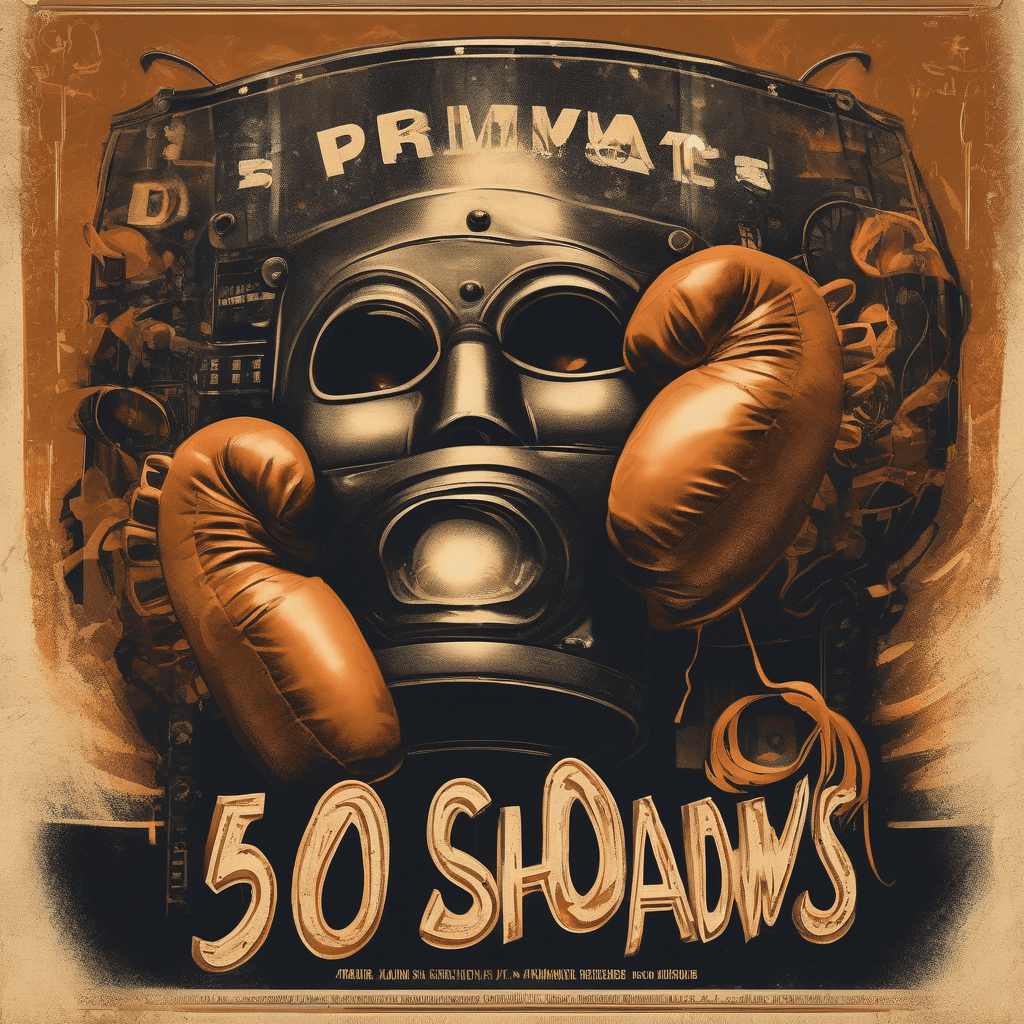
“Long before midnight movies, 50 forgotten reels—carnivals, coronations, boxing riots and factory symphonies—ignited obsessive fandom and wrote the secret DNA of cult cinema.”
The Secret Reels That Invented Obsession
We think of cult cinema as the celluloid bastard children of the 1970s—The Rocky Horror Picture Show projected at witching-hour screenings where rice flies and lipsync is scripture. But the true primordial ooze of cult film was already bubbling in 1897, etched onto 35 mm by anonymous cameramen who pointed their hand-cranked cameras at carnivals, floods, boxing rings and factory gates. Fifty primitive frames—some under a minute long—predate the very idea of a "feature." Most were lost, misfiled, or melted by nitrate fires. Yet they survived to become the first objects of forbidden cinephilia: reels that audiences demanded to see again, again, again, until projectionists scratched them raw. These are the midnight movies before midnight was even a thing.
Carnival Processions as Proto-Popcorn
Watch Le cortège de la mi-carême (1898) today and you’ll see a blur of harlequins, skeletons and drag kings shimmying past a fixed camera. Parisians in 1898 saw the same celluloid parade and lost their minds. Patrons who had already gawked at the live procession paid centimes to re-watch a ghostly mirror, searching for friends, lovers, themselves in the crowd. The cinematograph became a carnival mirror you could take home. Within weeks, competing fairground exhibitors were splicing alternate takes, adding colored lanterns, hiring accordionists to drown the clatter of the projector. The first fan-edit culture was born—an analog ancestor of today’s GIF loops and TikTok duets.
Boxing Riots as the First Cult Canon
If a single genre forged the notion of "event cinema" it was the prize-fight film. When Reproduction of the Corbett and Fitzsimmons Fight (1897) was smuggled into states that had banned boxing, projection booths were raided, priests thundered sermons, and enterprising kids sold stills as holy cards of sin. The bout’s 37 knock-down minutes became the Star Wars trailer of its day—bootlegged, recut, color-tinted to show blood. Fast-forward to Jeffries-Sharkey Contest (1899) and The Joe Gans-Battling Nelson Fight (1906) and you find the first sequel culture: audiences demanded the same visceral jolt, only heavier. Fight promoters obliged, hiring ring-side cameramen who risked punches to get the perfect close-up of a split eyebrow. Nitrate prints were hoarded like mint-condition comic books; boxing clubs screened them at 3 a.m. for gamblers who needed slow-motion evidence of every foul. Cult cinema had found its first cult: gamblers, pugilists and insomniacs united by the electric glow of violence.
From Factory Floor to Acid Trip: The Industrial Psychedelia of Westinghouse Works
In 1904 George Westinghouse wanted shareholders to grasp the grandeur of his Pittsburgh empire. He got twenty-one short films shot—molten steel, roaring drop-hammers, women winding armatures at epileptic speed. The result, Westinghouse Works, is a hypnotic ballet of machinery that makes Koyaanisqatsi look like a relaxation tape. Workers become cogs, cogs become mandalas. Factory whistles replace score. When campus film societies rediscovered these reels in the 1960s, they screened them through prisms, added sitar drones, and passed the bong. The same bourgeois industrial propaganda that once soothed investors had become a triptik for acidheads hunting the ghost in the machine. The transformation proves cult status is never inherent; it is welded by context, need, and communal ritual.
Royal Corpses as Collector’s Fetish
Death sells, even in 1899. Les funérailles de S.M. Marie-Henriette, reine des Belges shows a black-plumed hearse inching through Brussels while thousands doff hats. Within days of the funeral, enterprising exhibitors were advertising "the only authentic film of the Queen’s final journey." Mourners queued to re-live grief; royalists bought prints to store under parlor tables, as if possessing the film meant possessing the corpse. Fast-forward to Krunisanje Kralja Petra I Karadjordjevica (1904)—the coronation of Serbia’s king—and you see the same necromantic impulse: a nation re-watching itself being born. These state ceremonies function like the Star Trek blooper reel: forbidden glimpses behind regal curtains, smuggled out to devotees who fetishize every stumble of protocol.
Disaster Porn Before CNN
When the 1900 Galveston hurricane obliterated 8,000 lives, the Edison crew arrived days later to pan across splintered orphanages. Birdseye View of Galveston, Showing Wreckage became a morbid hit. Audiences who had never seen a newsfeed stared at mountains of coffins and felt the vertigo of modernity. In Belgium the following year, De ramp van Contich captured a brewery explosion; in Leuven, floodwaters staged a sequel with De overstromingen te Leuven. Each disaster reel was spliced into a loop, screened until the perforations tore. Spectators returned nightly, addicted to the frisson of near-death from a safe seat. The same dopamine drip that keeps us binge-watching true-crime docs was already soldered into the medium.
Sacred Monsters: When Passion Plays Go Grindhouse
The longest film on our list, The Life of Moses (1909), clocked in at 60 minutes when "feature" was a term borrowed from vaudeville. Church groups booked it for Sunday schools, but projectionists soon realized that truncating the plagues—keeping the blood Nile, skipping the manna—gave the film a lurid kick. Copies circulated under new titles (God’s Wrath in Egypt) with intertitles cribbed from penny dreadfuls. Likewise, S. Lubin’s Passion Play (1903) was denounced by bishops for turning Calvary into a butcher’s block. The more clergy howled, the more nickelodeons cranked. Modern cult hits from The Passion of the Christ to Evil Dead inherited that tension: sanctity vs. splatter, the pious and the perverse sharing the same pew.
Comic Anarchists: Solser & Hesse, the First Fan-Favorites
Dutch comics Solser en Hesse shot two reels in 1905 and 1906. Their shtick—drunk hobo tries to outwit pompous cop—predates Chaplin by half a decade. Contemporary reviews called them "buffoons for the common man," but the duo’s popularity exploded when fairground barkers allowed audiences to vote for gag endings. Prints with alternate closing jokes circulated regionally; fans compared notes in taverns, the way Deadheads traded set-lists. The phenomenon anticipated modern meme culture: same skeleton, infinite remixes. When Solser died in 1909, Hesse received sacks of mail requesting "one last reel." The funeral itself was filmed, turning grief into content—the first posthumous cult.
Exotica, Dance and the Colonial Gaze
La danza de las mariposas (1901) advertises itself as "butterfly dance from Argentina," but the performers are Parisians in papier-mâché wings. The fake exoticism fooled no one yet thrilled everyone; the reel played for years as far afield as St. Petersburg. L'inauguration du Palais Colonial de Tervueren (1910) offers a more chilling spectacle: Congo tribesmen shipped to Belgium for a human zoo, paraded before King Leopold’s court. Modern restorations splice in scholarly intertitles, turning imperial propaganda into anti-colonial critique—the same alchemy that transforms Birth of a Nation into a cautionary montage. Cult cinema often begins as exploitation; only later does it become evidence.
The Resurrection Loop: How Forgotten Reels Became Midnight Sacraments
By the 1940s most of these films were landfill. Then came the archivists—often drunk grad students—who salvaged lab prints from butchers and church basements. They screened them at 16 mm clubs, adding Brechtian narration, musique-concrète soundtracks, live nude performers. A reel like May Day Parade—once a dry civic march—acquired psychedelic overlays of swastikas and peace signs, the better to protest Vietnam. Each scratch, each missing frame, became stigmata: proof of survival. The cult film, after all, is less a text than a scar.
Why These 50 Shadows Still Matter
They democratized obsession. They taught us that a 45-second loop of windmills could out-haunt a three-hour epic. They pre-loaded every future midnight ritual: the communal gasp, the ritual chant, the secret handshake of having survived the same forbidden images. From carnivals to coronations, from factory floors to floodwaters, these 50 forgotten reels invented the grammar of cult: fragment, fetish, repeat. We are their grandchildren, bingeing glitchy TikToks at 3 a.m., chasing the same primitive pulse.
Community
Comments
Log in to comment.
Loading comments…