DbcultAccessing Vault...
Film vs Film
Select two cult films to compare side by side.
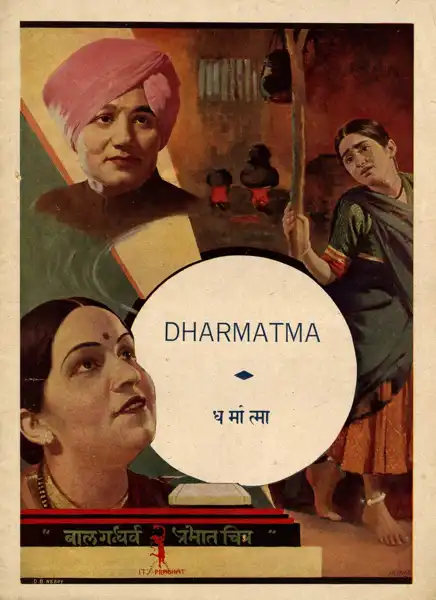
Dharmatma Synopsis
This saint film is about Sant Eknath (1533-99), a major Marathi poet, author of the Eknathi Bhagvata and numerous abhangas evoking folk poetry, especially the bharuda form of solo performances. The film focuses on Eknath's humanitarian defence of the 'untouchable' castes. Opposed by the evil Mahant (Kelkar/Chandramohan), Eknath becomes a social outcast when he arranges to have the lower-caste people fed before the Brahmins during a prayer meeting at his house, compounding the offence by going to eat in one of their houses. The drama is heightened by Eknath's son Hari Pandit (Kale) who joins the ranks of the opposition. The happy ending occurs when the film transcends the food motif and Eknath defends himself by reading his poems to the Pradayananda Shastri of Kashi.
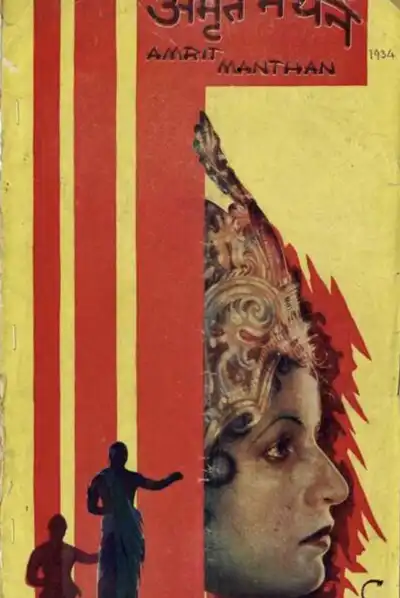
Amrit Manthan Synopsis
This classic opens with a sensational low-angle circular track movement as Chandika cult followers meet in a dungeon of flickering lights and deep shadow. As the more rationalist King Krantivarma (Varde) banned human or animal sacrifices from the increasingly fanatical festivals dedicated to the goddess, the cult's high priest (Chandramohan/Date) orders the hapless Vishwagupta (Kelkar) to kill the king. He obeys but is then betrayed by the perfidious priest and caught. His son Madhavgupta (Mane) and daughter Sumitra (Apte) together with the princess (Tarkhad) and the people finally overthrow the priest. There are several famous scenes, including the twice-told legend of the churning of the seas, once by the priest to show how evil must be exorcised, and again by a good general to show how demons often appear disguised as gods. Although invoking divine intervention when Madhavgupta is about to be sacrificed, the film's strongly political thrust has the people rise in revolt.
"Dharmatma" holds a slight edge in general audience appreciation, but "Amrit Manthan" offers its own unique cult appeal.
Suggested Watch:
Dharmatma