DbcultAccessing Vault...
Film vs Film
Select two cult films to compare side by side.
No Parking Synopsis
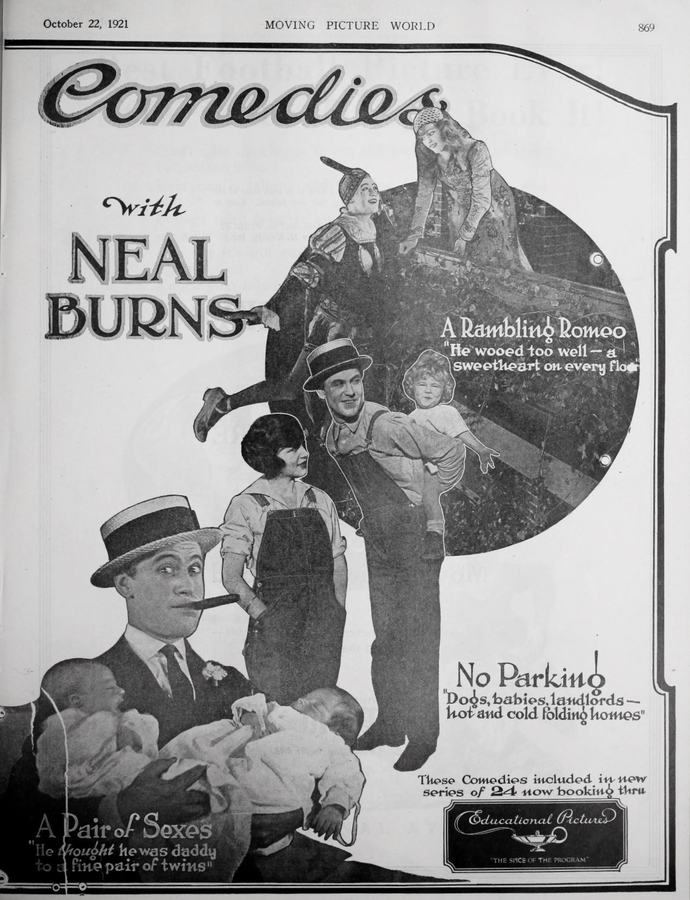
Husband, wife, baby, and dog arrive in California in a flivver. As they have great difficulty in finding a hotel that will allow babies and dogs, they buy a lot and a portable bungalow. After putting it up they discover that they built the house over the baby, so they tear it all down and set it up again. But just before they move in, a real-estate agent arrives to tell them that they built upon the wrong lot. They put the house on wheels and tow it through the town, but the rope breaks and the house runs wild. After they place it on the proper lot, the inspectors inform them that a building permit is required, and once more the house is knocked down. But during this time the baby was making mud pies out of what turned to be an oil well.
The Painted Soul Synopsis
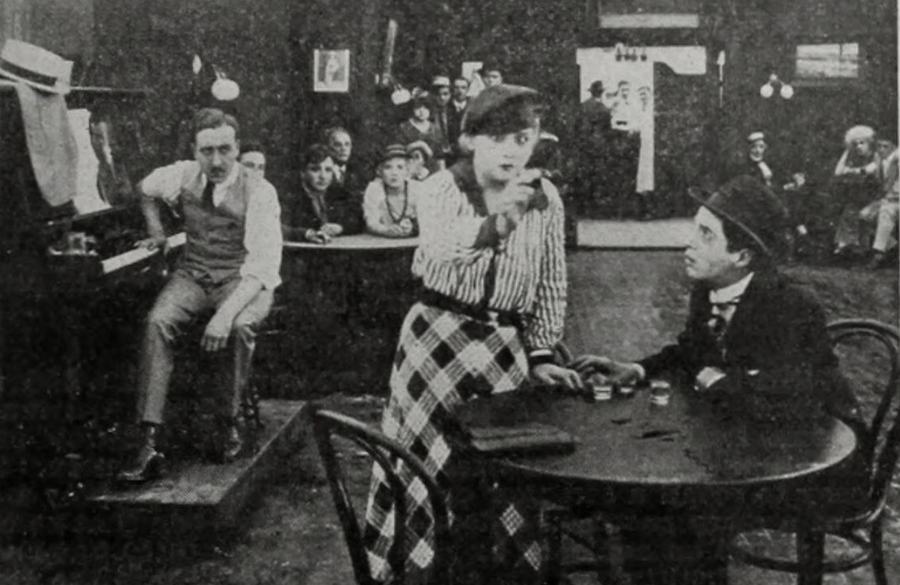
Barnard completes a study in oils which he calls "The Resurrection." It represents a beautiful, dark woman, her awakened soul shining from her eyes. At a private exhibit in the studio the painting causes a great deal of admiring comment, and Barnard's mother, a society leader and an art connoisseur, admits to her son that he virtually "imprisoned a woman's soul" in the canvas. The soul of the picture, a few days later, stirs to the depths of her being a sordid girl of the underworld whom Barnard has found in the night courts and persuaded to become his model for "The Fallen Woman." Irene Brock, once she has met the rapt, spiritual gaze of Barnard's ideal, involuntarily revolts against the hideousness of her environment. The trade she has been accustomed to ply in saloon dance-halls and low resorts becomes a torture to her. Day by day Irene watches the new painting grow. But she is changing. Barnard, feeling that something is unsatisfactory, and that he will be unable to paint from his model "The Fallen Woman" of his imagination, reluctantly brings the sittings to a close. The moment of parting precipitates an emotional crisis. Love, for the first time, has dawned in the girl's soul, and Barnard, moved by a profound sympathy, takes her in his arms. The young artist's mother finds them in this position; she diplomatically conceals her horror while smilingly asserting that "that could never be." Irene goes away, struggling to be resigned. But the young artist, fired by a self-sacrificing love, refuses to let this end the episode. At last, the mother seeks Irene in her squalid lodging. "Such a marriage," she pleads with the girl, "would make my son a social outcast. Even your love could not always make him forget." The soul of "The Resurrection" working upon her heart, and controlled also by her deep love for Barnard, Irene promises to cure him of his passion. That same night she deliberately gives herself up to a detective an old enemy of hers. The following morning she sends for Barnard to come to the night court and pay her fine. He goes. She is brought before the judge. To the charge, she replies, "I am guilty." Silently, Barnard puts the money on the desk. Outside, in the corridor, they meet. By sheer force of will, she resists the almost overwhelming impulse to fling herself in his arms and tell him the entire story of her deception. The next instant, with a murmured good-bye, he turns and rushes out of doors. That evening Irene slips into the deserted studio, and stands long before the painting of "The Resurrection." From these wonderful eyes she imbibes strength for her lonely struggle with the world.
"No Parking" holds a slight edge in general audience appreciation, but "The Painted Soul" offers its own unique cult appeal.
Suggested Watch:
No Parking