DbcultAccessing Vault...
Film vs Film
Select two cult films to compare side by side.
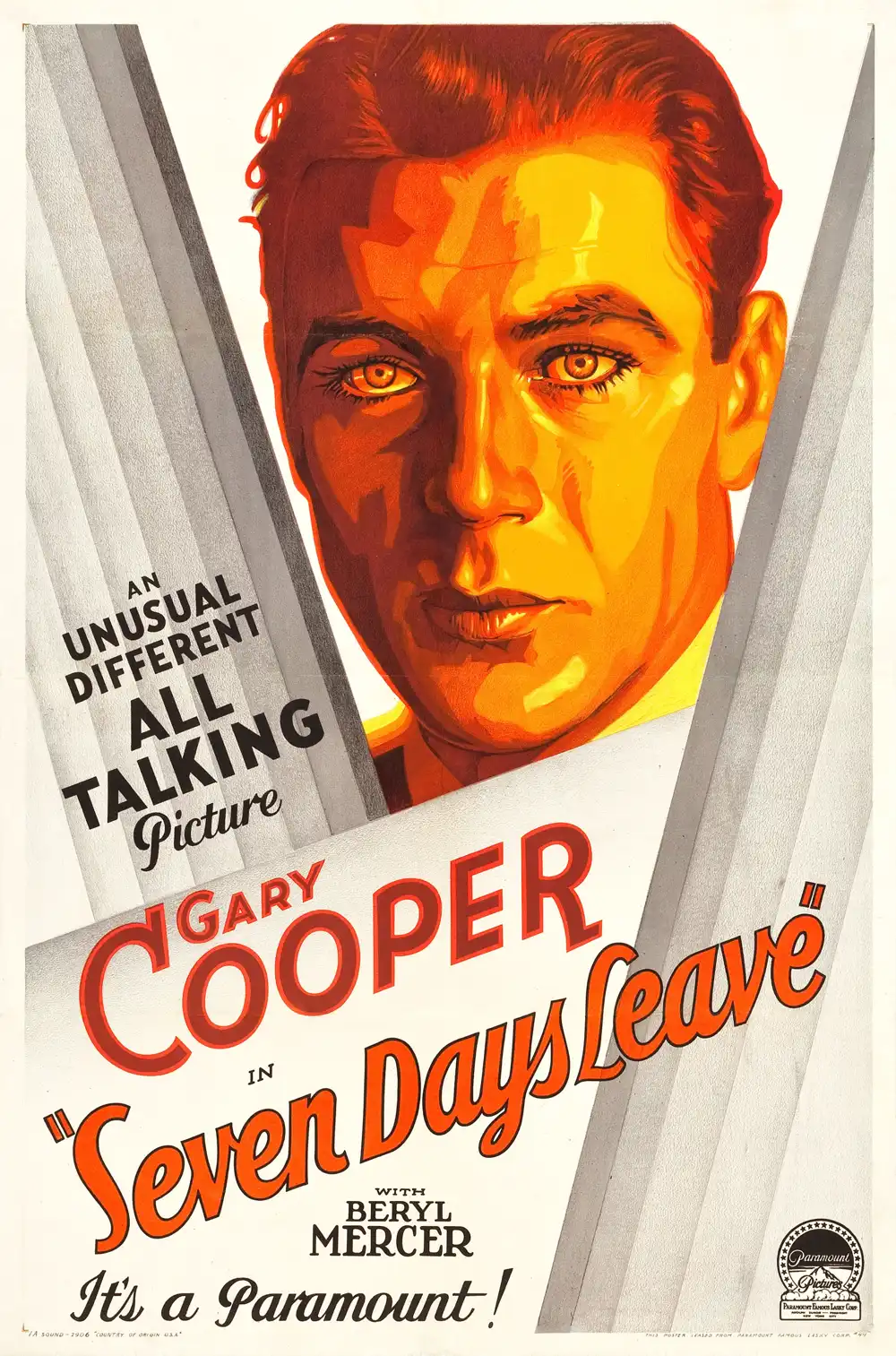
Seven Days Leave Synopsis
Based on J.M. Barrie's play "The Old Lady Shows Her Medals," about a young Canadian soldier (Gary Cooper) wounded while fighting in World War I. While recovering from his wounds in London, a YMCA worker tells him that a Scottish widow (Beryl Mercer) without a son believes that he is in fact her son. To comfort the widow, the soldier agrees to pretend to be her Scottish son. After fighting with British sailors who make fun of his kilts, he wants to desert, but moved by his mother's patriotism he returns to the war front and is killed in battle. Later the proud Scottish widow receives the medals that her "son" was awarded for bravery. Produced by Louis D. Lighton and Richard Wallace for Paramount Pictures, the film was released on January 25, 1930 in the United States, (Wikipedia)
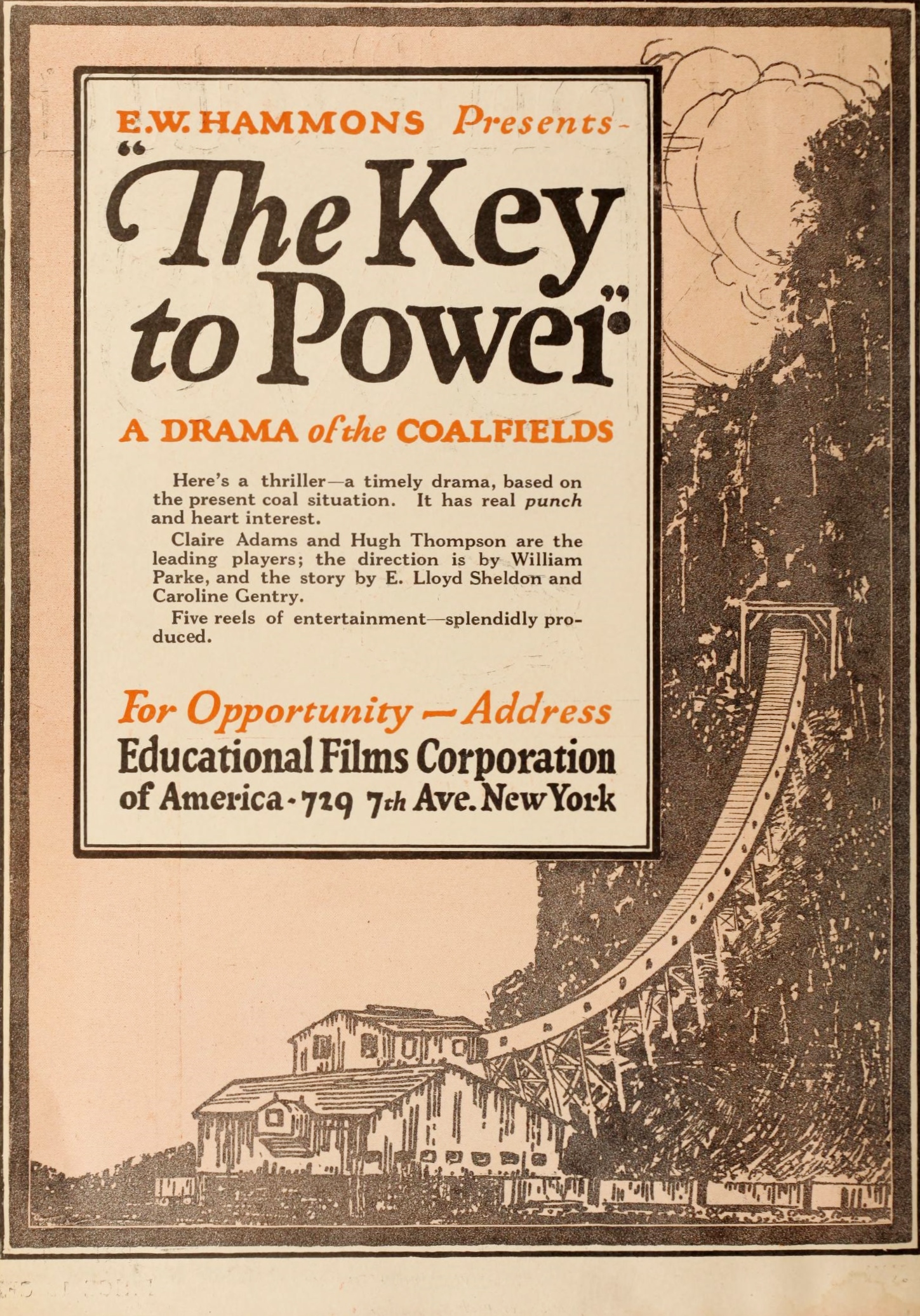
The Key to Power Synopsis
Bruce Wendell, the son of West Virginia coal mine owner James Wendell, graduates from West Point and prepares to lead a fighting unit to the front during World War I. As his father lies dying, however, he convinces Bruce to remain at home and guard the mine. Bruce's fiancée Ann Blair assumes that he is a coward and breaks off their engagement, but her brother Bobbie remains Bruce's loyal friend. Meyer, a German agent, persuades railroad president Parrish to refuse to transport Wendell's coal, but when Bruce adamantly refuses to close the mine, the spy's men decide to blow it up. While Ann is being abducted by Meyer, Bobbie is buried in an explosion at the mine. Bruce rescues Bobbie and then sends a plea to Lieutenant Parrish to rescue Ann. Meyer and his gang are captured and Ann renews her vow of love to Bruce.
"Seven Days Leave" holds a slight edge in general audience appreciation, but "The Key to Power" offers its own unique cult appeal.
Suggested Watch:
Seven Days LeaveBoth films share