DbcultAccessing Vault...
Film vs Film
Select two cult films to compare side by side.
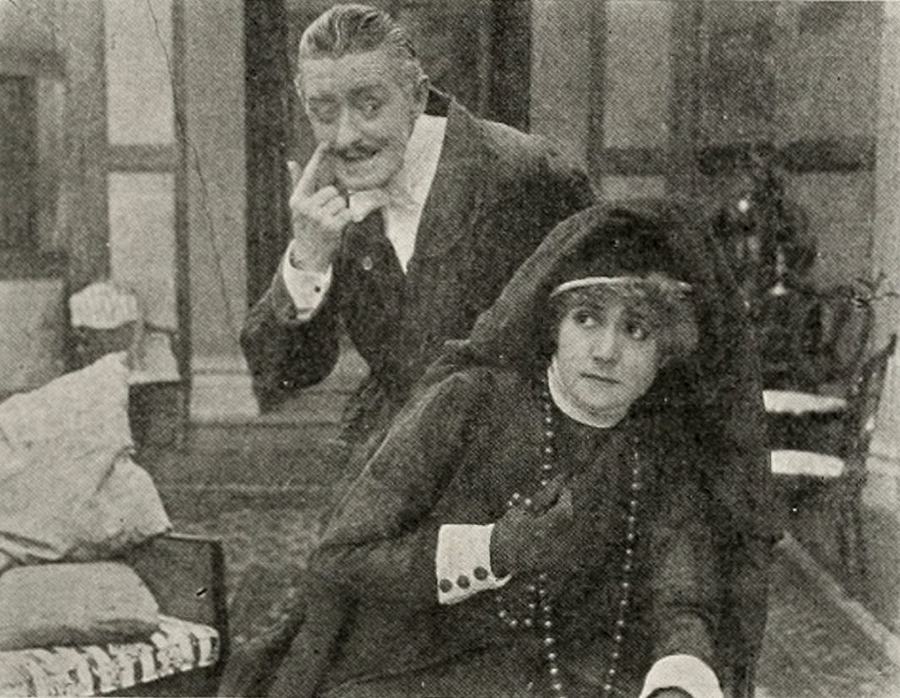
Shadows from the Past Synopsis
Mary Fitz Allen has three suitors, Arthur Barton, a young soldier, Robert Jardon, a barrister, and Lord Lester, already past middle age, but devoted to her. Her heart, however, is wholly Barton's, and while, being very gracious with Lord Lester, has an ill-concealed dislike for Jardon. Her mother is purse-proud and favors the suit of Lord Lester. Jardon sees Mary and Barton talking together in the garden, and from her words, gathers something of what has passed between them. Later, in the village inn, he makes a remark against Mary's character that Barton overhears and the young soldier knocks him down. Barton returns to the barracks, but is told that in falling Jardon had been struck on the head and is now dead. Advised by his companions to leave the country at once, Barton sends a note to Mary, assuring her that "he will never desert her," but will send for her as soon as he is safe in another land. Receiving the letter, Mary falls in a swoon. Mrs. Fitz Allen tells Lord Lester that she is taking Mary to the continent for a visit, and that the girl will probably be more willing to do her bidding and marry Lester on their return. Then she takes Mary to the home of an old family servant of the Fitz Allen's, and there Mary's child is born. The mother makes the old woman swear to keep from Mary the fact that her child is alive, and, later, when they return to their home, Mary has the double grief of believing her child dead, and her lover unfaithful to her, for Mrs. Fitz Allen takes possession of the three letters that Barton has written to her during her absence. It is now that Mary consents to marry Lord Lester. Meantime Barton has shipped aboard a vessel bound for America, but in a quarrel with one of the seamen, has been thrown overboard and drowned. Fifteen years later, Mary, now Lady Lester, is living happily with her husband, whom she has learned to truly love. Jardon is living in bachelor quarters, and Babette, a young French woman, who is infatuated with him, is an inmate of his house. All these years, Mrs. Fitz Allen has been paying for the care given the child by the old servant. Jardon, calling on Lord Lester, picks up and carries away with him a letter addressed to Mary's mother, written by the child's guardian, requesting more money with which to purchase clothes for her. Reading this at his home, Jardon immediately realizes the truth, and determines to compel Mary to listen to his protestations of love by threatening to expose her past life. Meantime, Jardon has turned the French woman out of his house, and she, suspecting that Lady Lester is her rival, obtains a position as maid in her house, in order to spy upon her. On the night that Jardon makes it thoroughly plain to Lady Lester that he knows her secret, he is visited, at midnight, by Lady Lester herself. He pleads with her, and finally threatens her, but she leaves him after declaring that she will tell her husband everything of her own accord. As she leaves the house, Babette enters, and goes to Jardon's bedroom. He orders her out, and in the quarrel which follows, she draws a revolver and shoots him dead. When the crime is discovered, Lady Lester's handkerchief is found in Jardon's hand, and she is suspected of being the murderess. Overhearing the detective talking with Lord Lester, she writes a note of farewell to her husband and goes away to the farm where her child is living. Almost at the moment that her note is handed to Lester, a telephone message to the effect that Babette has confessed to being the murderer, is received. Lord Lester, learning of his wife's whereabouts, sends his housekeeper after her with a message that he wants, not only his wife, but her child, to come to him.
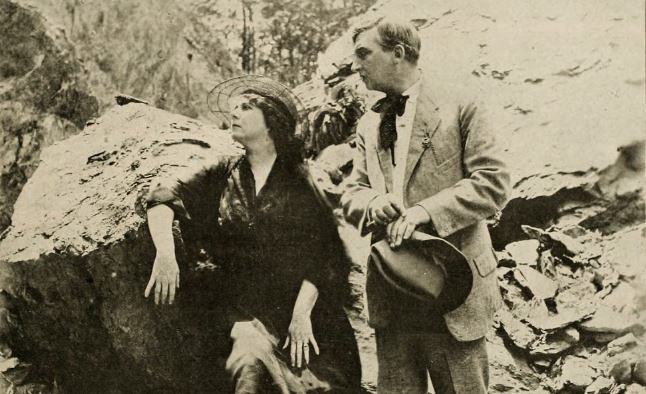
Meg o' the Mountains Synopsis
Meg lived down in Carolina in the shadow of the great Blue Ridge. When she had been a little younger she had been winsomely and strangely beautiful, a gypsy-like elf of the woods and forests. Now, she is mad. The neighbors said cruel things about Meg and turned their faces aside when she passed. And from her little son, they shrank, and turned away as from a thing accursed. When Hugh Gregory opened a store in the little mountain town and fell in love with the widowed Darthea Westerly, he incurred the bitter hatred of Simon Grant, who had long courted Darthea. When Meg's little son ran away, and Gregory found him, and gave him back to his mother, the crazed woman thought she recognized in him the father of her boy. When she returned home she told her brother that she had found her child's father. The brother, infuriated, confronted Gregory, and demanded that he marry his sister. Gregory, naturally, refused indignantly. Simon Grant met Jake, Meg's brother, while he was still half insane with rage over Gregory's refusal, and found him in a willing mood to listen to Simon's scheme. The next day, as Gregory and the colonel were riding together, Jake, egged on by Simon, fired at them from a barn. Gregory proved himself a good Samaritan by saving Jake from the infuriated mob which thirsted for his life. Meanwhile. Darthea, who had fallen in love with Gregory, learned of Meg's terrible accusation against him. The story naturally changed her feelings toward the man, particularly when Gregory, realizing the futility of argument, refused to say a word in his own defense. Then suddenly Meg came upon Simon Grant, and with a miraculous flash of understanding, remembered that he, not Gregory, was the man. But with the passing of her madness, Meg's life fluttered and went out like a candle in the wind, but not before she had told Gregory and Darthea the truth.
"Shadows from the Past" holds a slight edge in general audience appreciation, but "Meg o' the Mountains" offers its own unique cult appeal.
Suggested Watch:
Shadows from the Past