DbcultAccessing Vault...
Film vs Film
Select two cult films to compare side by side.
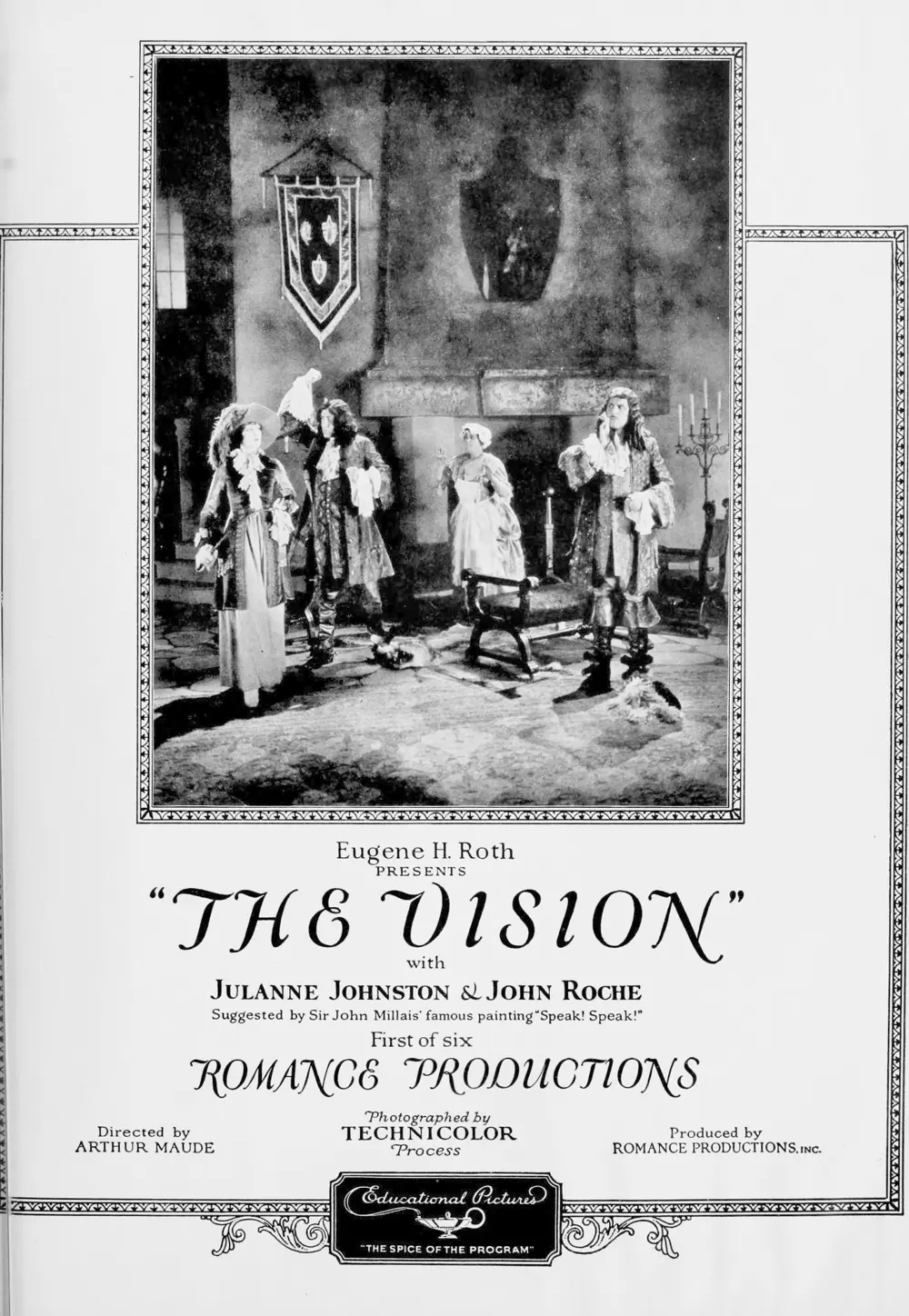
The Vision Synopsis
The story, credited to Arthur Maude, and suggested to him by Sir John Millais' painting, "Speak. Speak!" lends itself particularly well to the remarkable color effects produced by the Technicolor process. As to the story itself, it concerns a vision which appears to Edgar Graythorpe, sick and confined to his home at Roxton Castle; and alone with the exception of one servant. Graythorpe's queer actions - his conversations with someone unseen - have led the other servants to leave. Millais visits him and while there, the "Vision" again appears to Graythorpe. And then - the story unfolds - telling of a thwarted romance between Lucy Cludde and Charles de Lacey, and de Lacey's subsequent assassination at the hands of another suitor favored by Lucy's father. Pursued by the rival suitor, Lucy takes her life by leaping over a high cliff. Her spirit is the vision which appears to Graythorpe at intervals - and will continue to appear - until Graythorpe, who along with Roxton Castle has inherited the spirit of de Lacey - joins her. This is all revealed to Graythorpe by an old diary. Graythorpe dies and the two spirits meet.
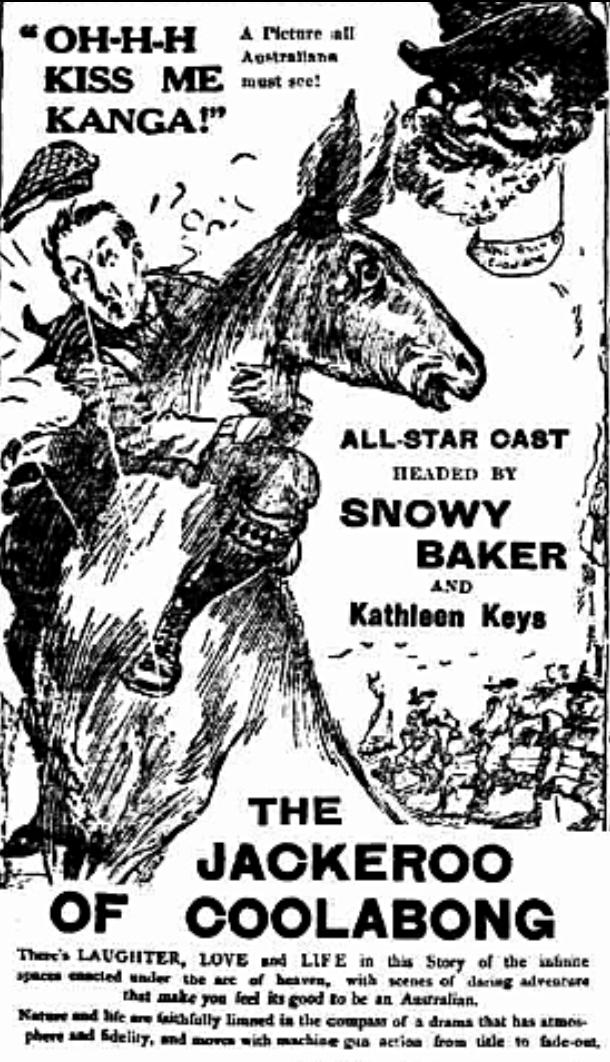
The Jackeroo of Coolabong Synopsis
Brian O'Farrell (Snowy Baker), is an English 'new chum' who takes a job at an Australian cattle station. He is teased by station hands because of his appearance (including spats and a monocle) but he soon impresses them with his skills at riding and boxing. The station manager, John MacDonald (Wilfred Lucas), takes O'Farrell to Sydney to meet his daughter Edith (Kathleen Key) who is working in the slums. Edith is kidnapped by criminals after witnessing a crime but O'Farrell rescues her. It is later revealed he is the owner of the station.
"The Vision" holds a slight edge in general audience appreciation, but "The Jackeroo of Coolabong" offers its own unique cult appeal.
Suggested Watch:
The VisionBoth films share