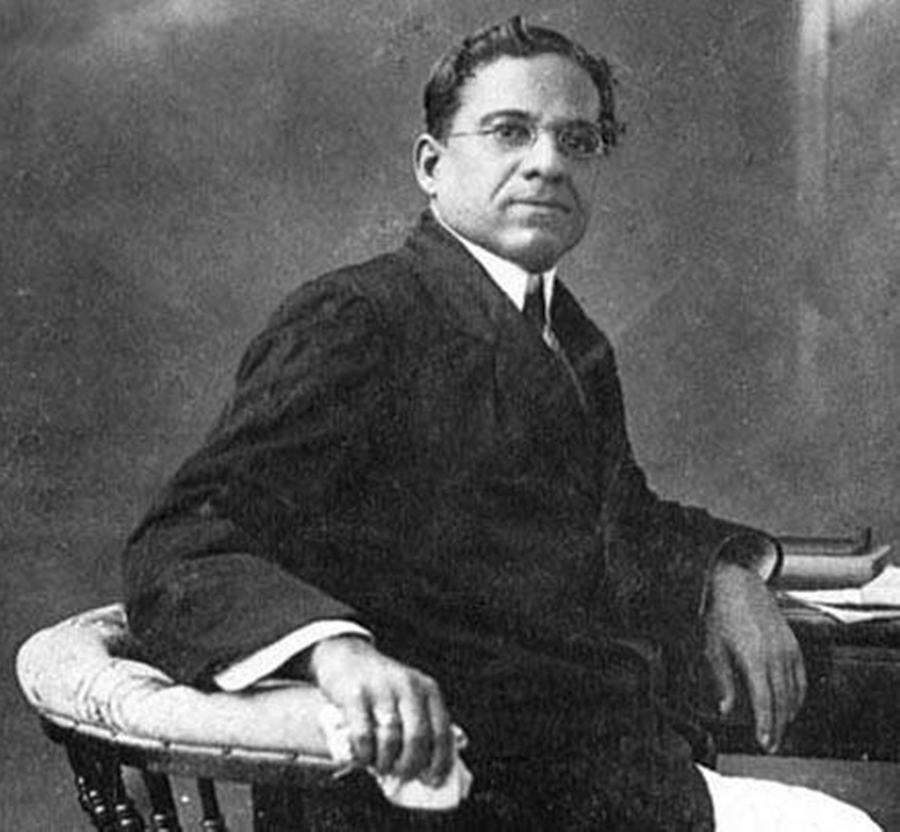
Dhundiraj Govind Phalke
cinematographer, director, writer
- Born:
- 1870-04-30, Trymbak, Bombay Presidency, British India
- Died:
- 1944-02-16, Nasik, Bombay Presidency, British India
- Professions:
- cinematographer, director, writer
Biography
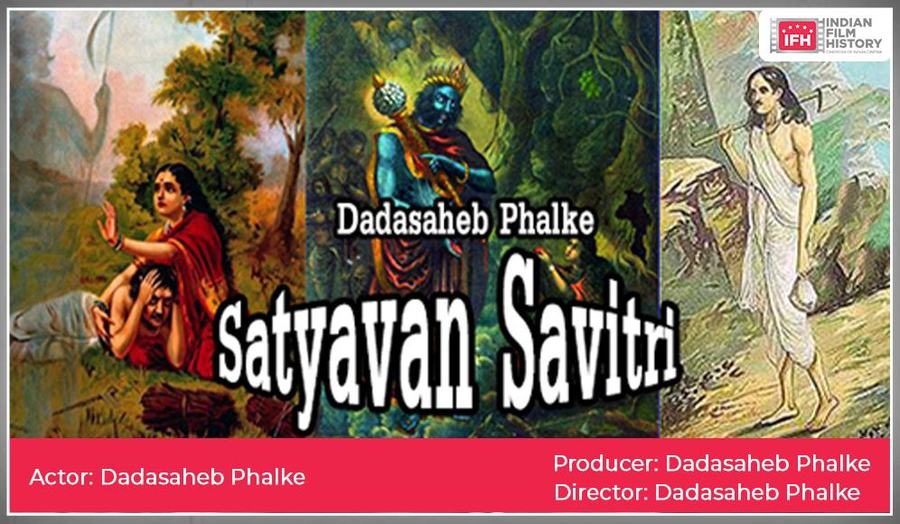
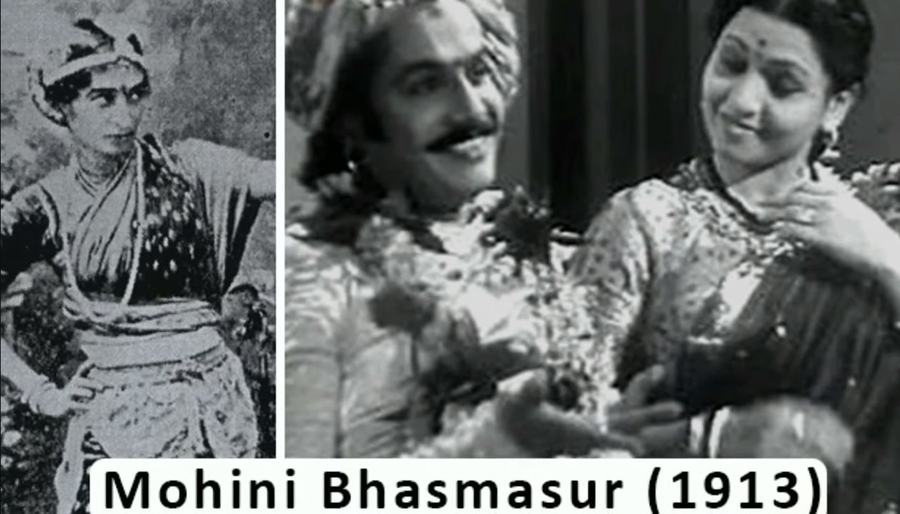
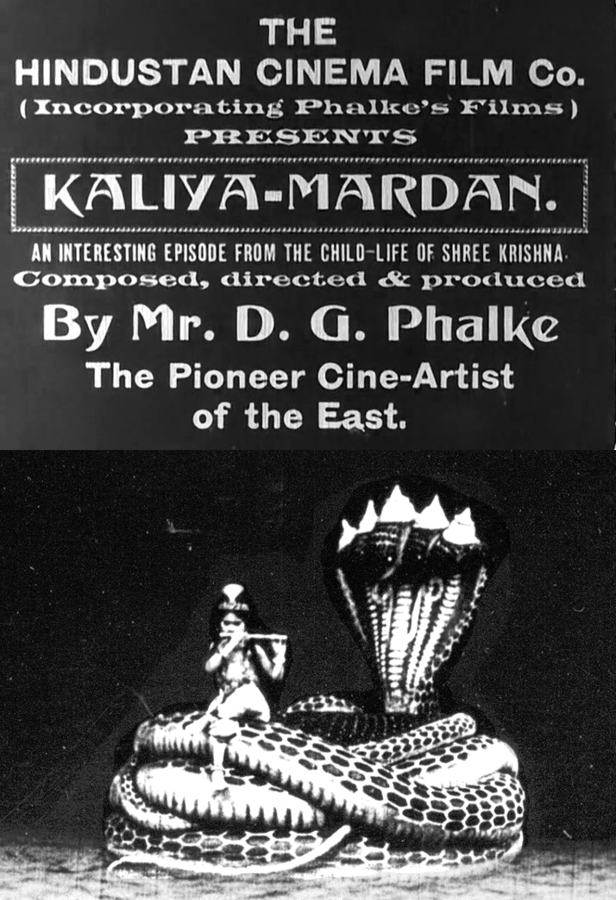
Dhundiraj Govind Phalke entered the world in 1870 amid the temple bells of Trymbakeshwar, Nashik, the son of a Sanskrit scholar. After brushes with canvas and camera at Bombay’s J.J. School of Art and Baroda’s Kala Bhavan, he turned architect and meticulous painter of botanical and zoological plates. A job in a photographic studio led him to Ratlam, where he mastered tri-colour block-making and fired his first ceramics. Portraiture, theatrical greasepaint, even conjuring tricks for a German illusionist followed—each craft another card in his shuffling hand. Backers tempted him with a modern printing press, dispatching him to Germany on condition he stick to ink and paper. He came home loaded with technology but empty of enthusiasm. Borrowing from a friend and mortgaging his life-insurance policy, he sailed for London in 1912, returning with a crated camera, a printer’s eye for light, and a head full of moving images. In 1913 audiences watched a righteous king surrender crown and kin, then win both back from the gods: Raja Harishchandra flickered to life, India’s first feature-length dream. Over the next six years Phalke summoned Mohini Bhasmasur (1913), Satyavan Savitri (1914), Lanka Dahan (1917), Shri Krishna Janam (1918) and Kaliya Madan (1919) onto cotton screens, each story spun from myth and celluloid. When public taste shifted toward gloss and gossip, he stepped away, only to test the waters once more with Gangavataram (1937). The spark refused to catch. He died in Nashik, his name faded, yet today every reel that rolls in India still pays silent homage to the man who turned temple town boy into Father of Indian Cinema—an honour immortalised in the country’s most coveted silver statuette.