Harry Davenport
actor, director, soundtrack
- Birth name:
- Harold George Bryant Davenport
- Born:
- 1866-01-19, New York City, New York, USA
- Died:
- 1949-08-09, Los Angeles, California, USA
- Professions:
- actor, director, soundtrack
Biography
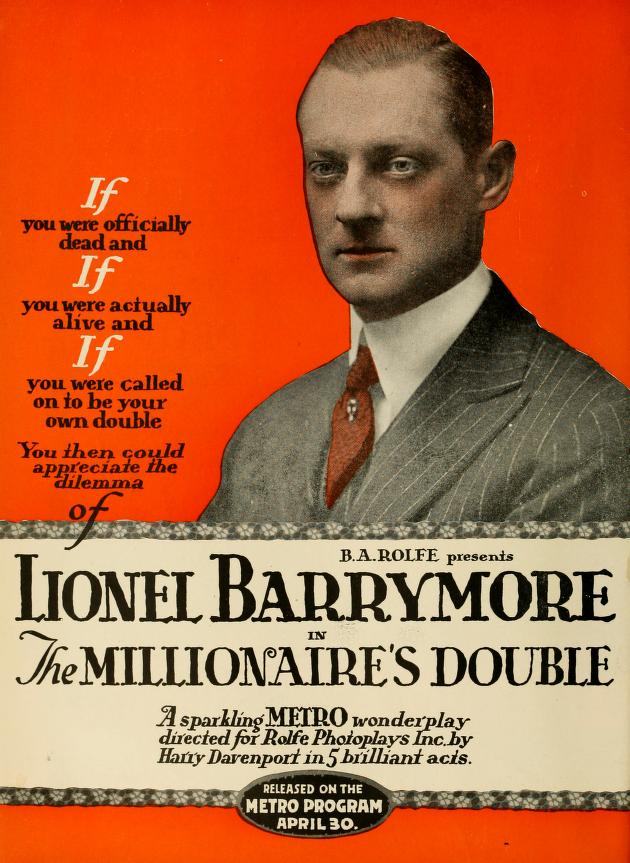
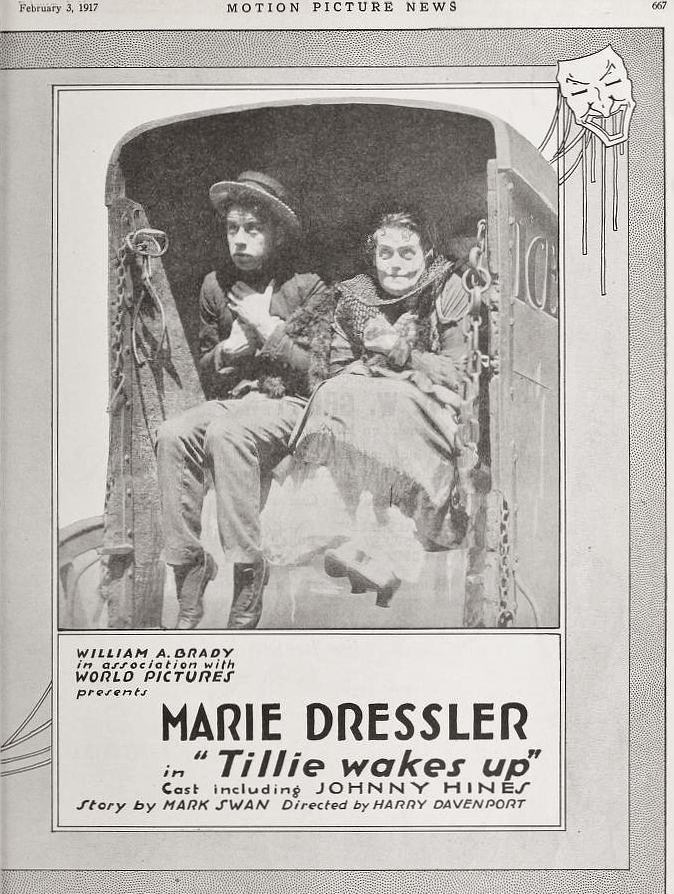
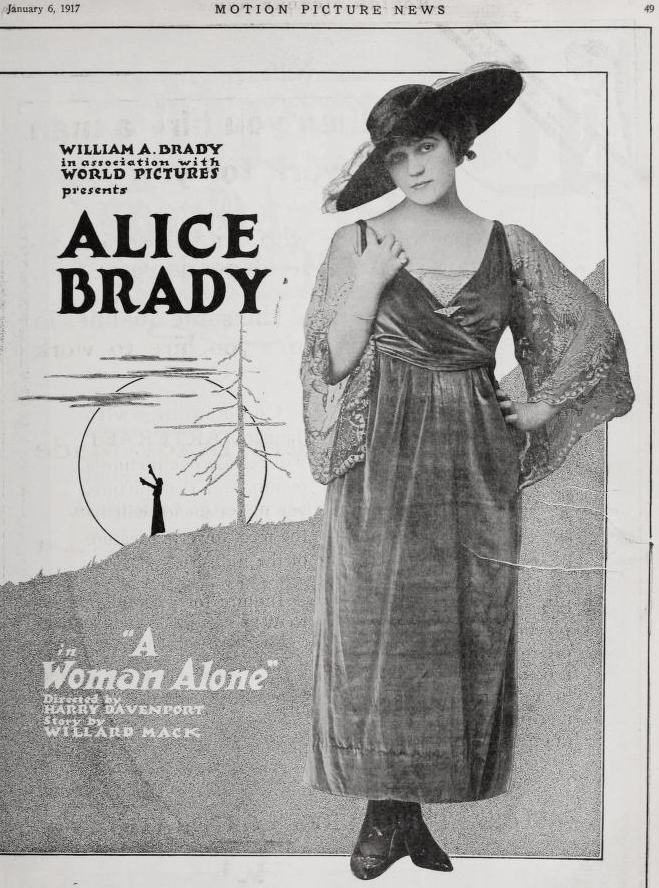
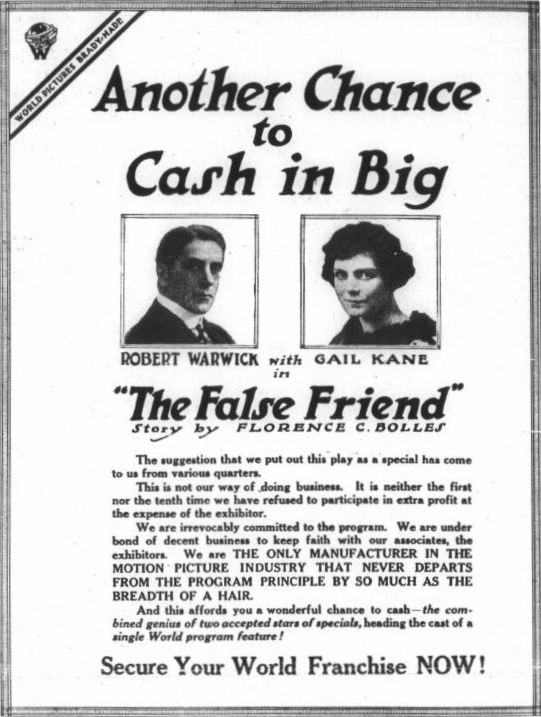
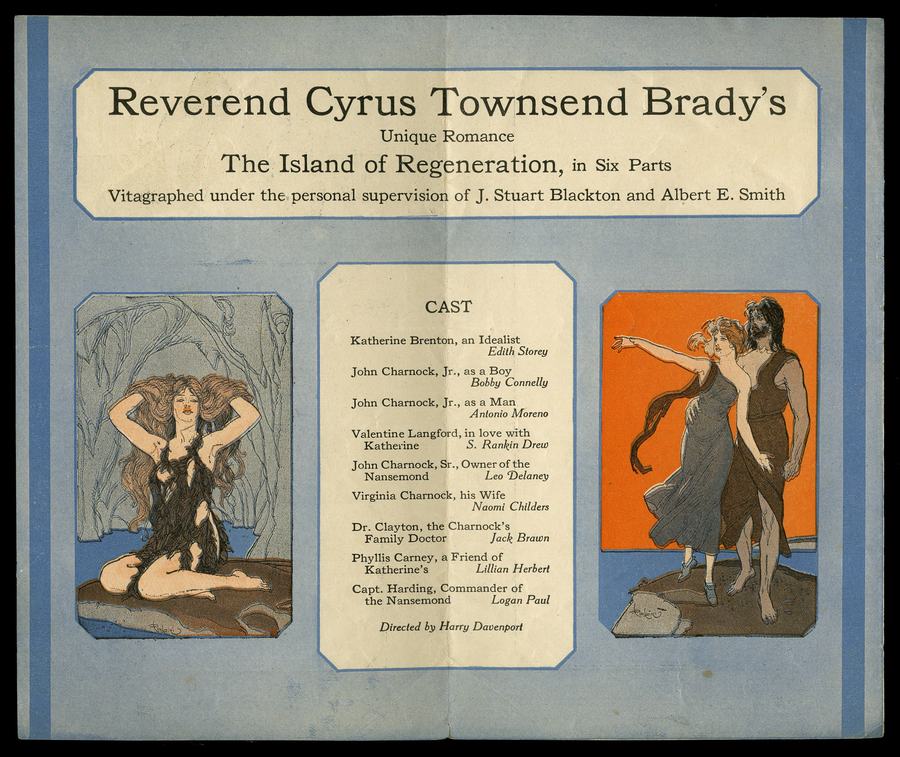
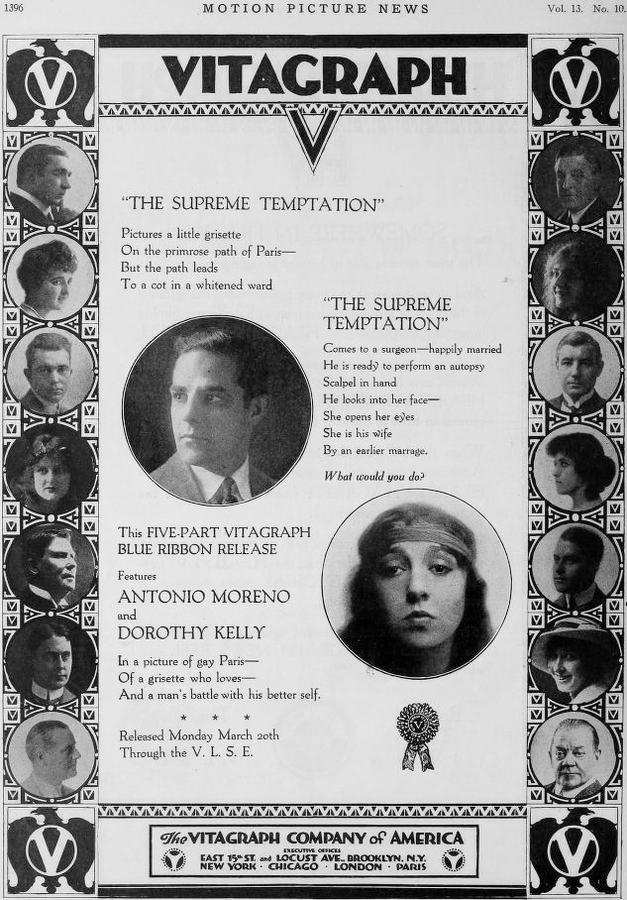
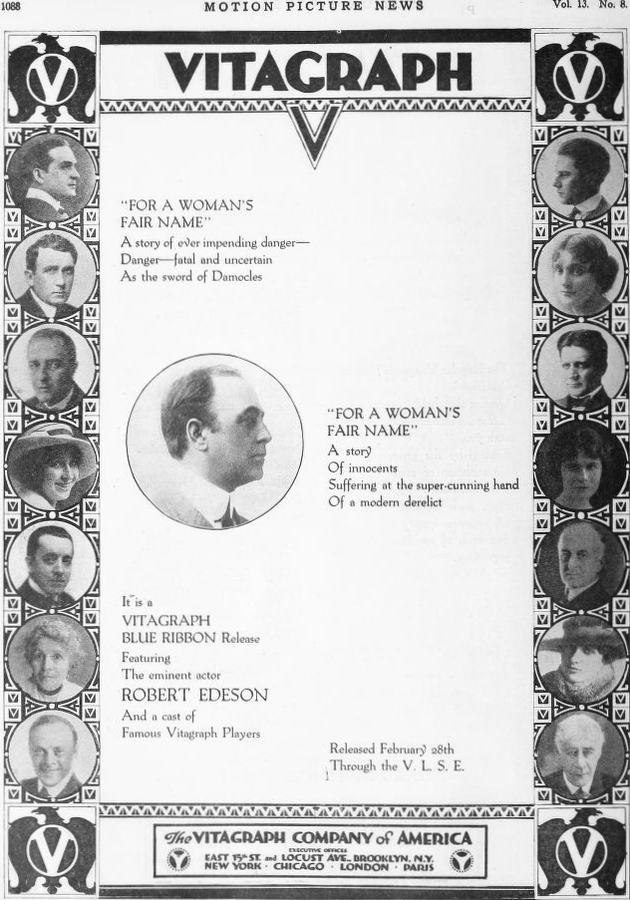
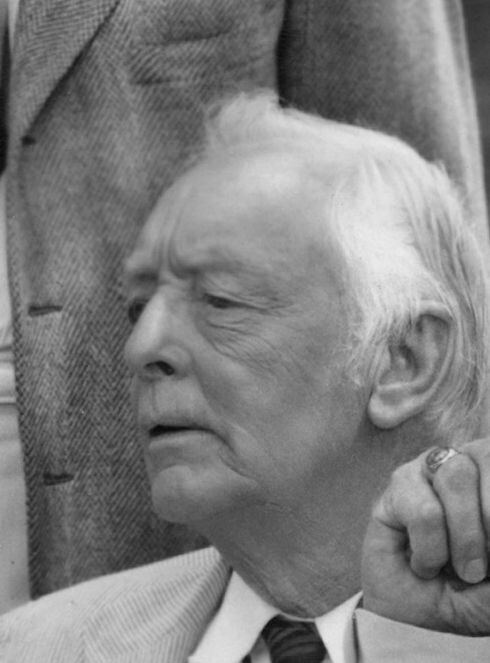
For the seasoned stage veteran Harry Davenport, cinematic stardom arrived remarkably late, blossoming at the age of 70. Yet, he swiftly compensated for lost decades, amassing a prolific screen legacy of over a hundred roles between the dawn of sound film and his passing in 1949. Audiences cherished his warm, twinkle-eyed portrayals of kindly grandfathers and avuncular figures, equally adept in comedy and drama. Beyond geniality, Davenport exuded an authoritative yet reassuring wisdom, frequently cast as venerable judges, doctors, ministers, or senators. Born Harold George Bryant Davenport on January 19, 1866, in New York City, he was the scion of an illustrious acting dynasty. His parents, Edward Loomis Davenport (1815-1877) and Fanny (Elizabeth) Vining (1829-1891), were both celebrated actors. Among their nine children, seven survived to inherit their parents' passion for the arts, including actress Fanny (1850-1898) and opera singer Lillie Davenport (1851-1927). Harry himself made his stage debut in an 1871 production of "Damon and Pythias" in Philadelphia, and by his teenage years, he was already performing Shakespeare with stock companies. Relocating to New York, Harry assiduously built his theatrical repertoire. In 1893, at 27, he married actress Alice Shepard (also known as Alice Davenport). Their brief, three-year union produced daughter Dorothy Davenport, who would carry the acting lineage into a new generation, later gaining recognition as the wife of tragic silent screen star Wallace Reid. Shortly after his divorce from Alice was finalized in early 1896, Harry married the musical comedy sensation Phyllis Rankin (1875-1934). Their children, Kate Davenport, Edward Davenport, and Fanny Davenport, also pursued acting careers. His Broadway journey commenced with the musical comedy "The Voyage of Suzette" in 1894. He continued to grace the musical stage in productions such as "The Belle of New York" (1897) (co-starring his wife Phyllis), "In Gay Paree" (1899), and "The Rounders" (1899) (again alongside Phyllis). The new century brought more musicals like "The Girl from Up There" (1901), "The Defender" (1901), "The Girl from Kay's" (1903), "It Happened in Nordland" (1904), "My Best Girl" (1912), "Sari" (1914), and "The Dancing Duchess" (1914). On the legitimate side, his expert performances included "A Country Mouse" (opposite Ethel Barrymore), "The Next of Kin" (1909), and "Children of Destiny" (1910). A pivotal figure, Harry co-founded the Actor's Equity Association alongside vaudeville legend Eddie Foy, a crucial initiative to combat the rampant exploitation of actors. His esteemed standing within the acting community was evident as they united, orchestrating strikes to safeguard and guarantee their rights. This challenging period also spurred Harry to explore new avenues, leading him to film. He joined Vitagraph in 1914, making his silent screen debut in "Too Many Husbands" (1914). The following year, he both starred in and directed a series of "Jarr Family" shorts, before an unbilled part in "Among Those Present" (1921) marked his final silent feature, prompting a complete return to his first love: the stage. He and his actress wife Phyllis reunited on Broadway with the hit comedies "Lightnin'" and "Three Wise Fools," both in 1918. Throughout the 1920s, he maintained a steady presence on stage, appearing in "Thank You," "Cock O' the Roost," "Hay Fever," and "Julius Caesar." However, the untimely death of his wife Phyllis in 1934 spurred a profound change. At 69, Harry abandoned his theatrical pursuits and journeyed to California to re-engage with the burgeoning film industry – a decision that proved remarkably astute. Harry graced a remarkable array of Oscar-caliber films during his character actor reign, including "The Life of Emile Zola" (1937), "You Can't Take It with You" (1938), "The Hunchback of Notre Dame" (1939), "Gone with the Wind" (1939), "All This, and Heaven Too" (1940), "Foreign Correspondent" (1940), "One Foot in Heaven" (1941), "Kings Row" (1942), and "The Ox-Bow Incident" (1943). Several of these productions featured members of his extensive family, with his brother-in-law Lionel Barrymore appearing in multiple films, and his son and grandson also joining the cast of "Gone with the Wind" (1939). He sustained his vibrant film career right up until his death at age 83 from a heart attack on August 9, 1949, and was laid to rest in Valhalla, New York.
Filmography
Directed (9)