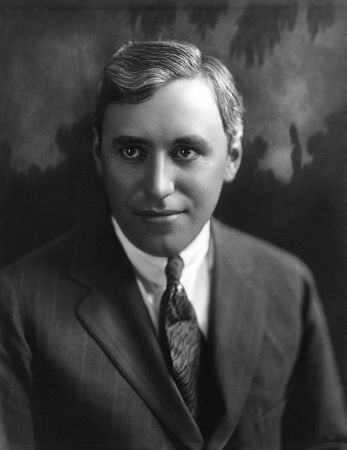
Mack Sennett
actor, director, producer
- Birth name:
- Michael Sinnott
- Born:
- 1880-01-17, Richmond, Québec, Canada
- Died:
- 1960-11-05, Woodland Hills, Los Angeles, California, USA
- Professions:
- actor, director, producer
Biography
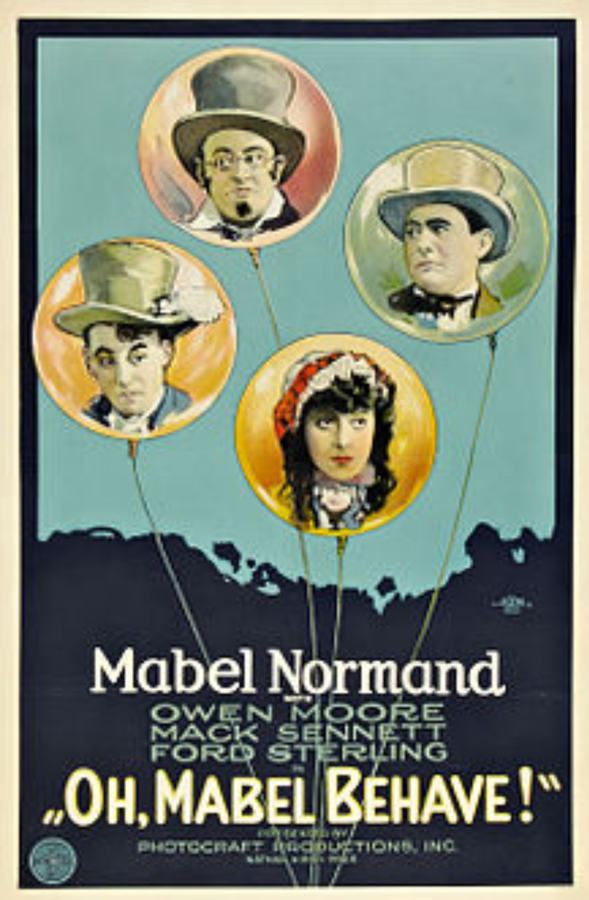
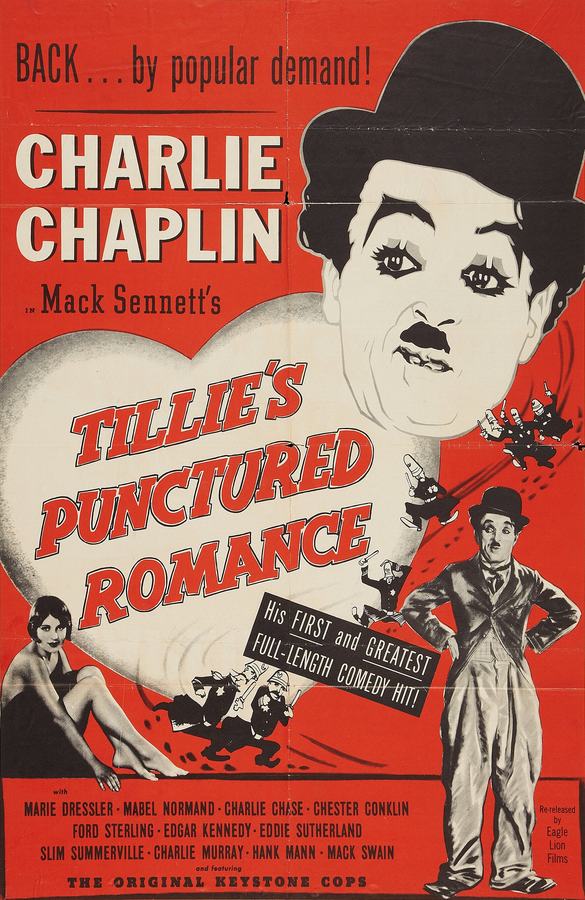
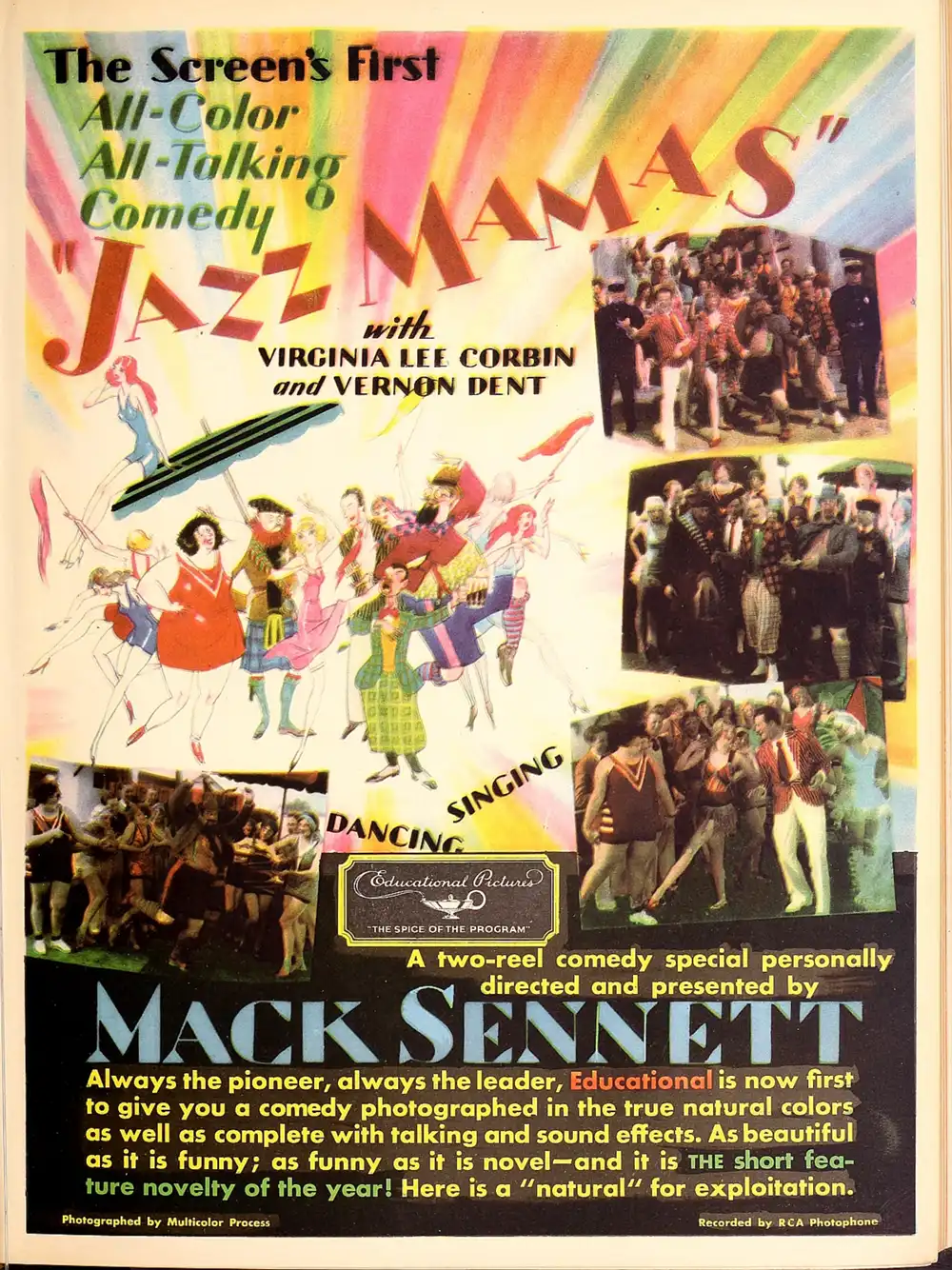
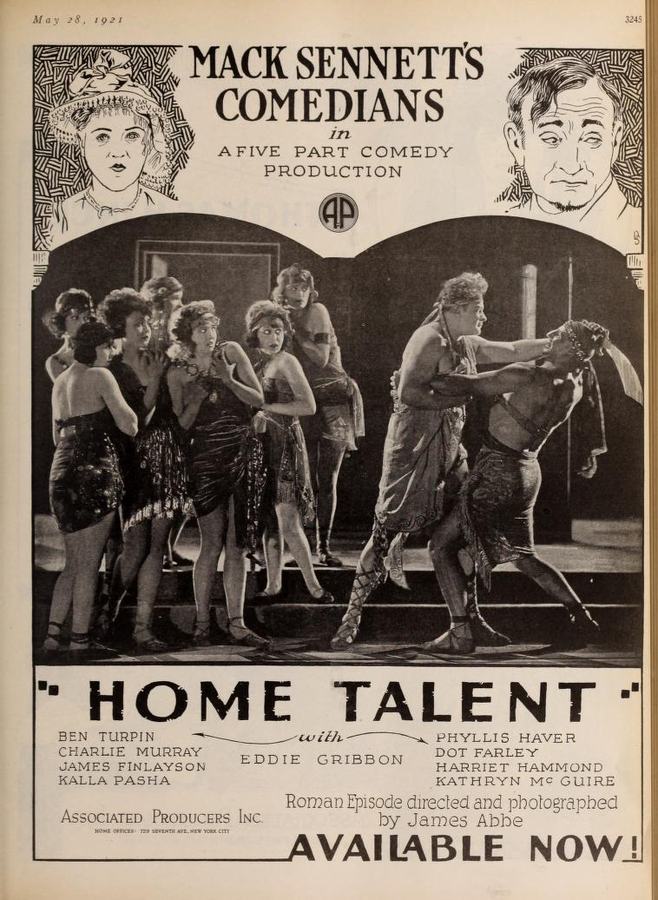
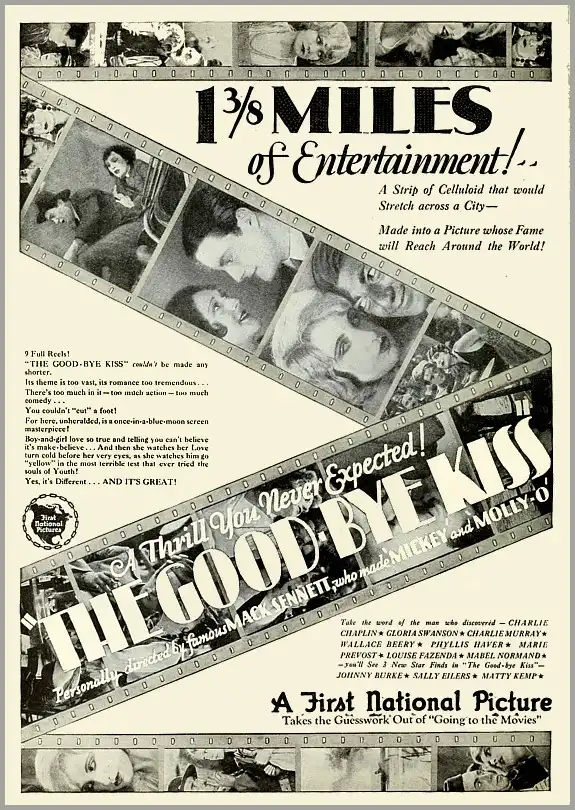
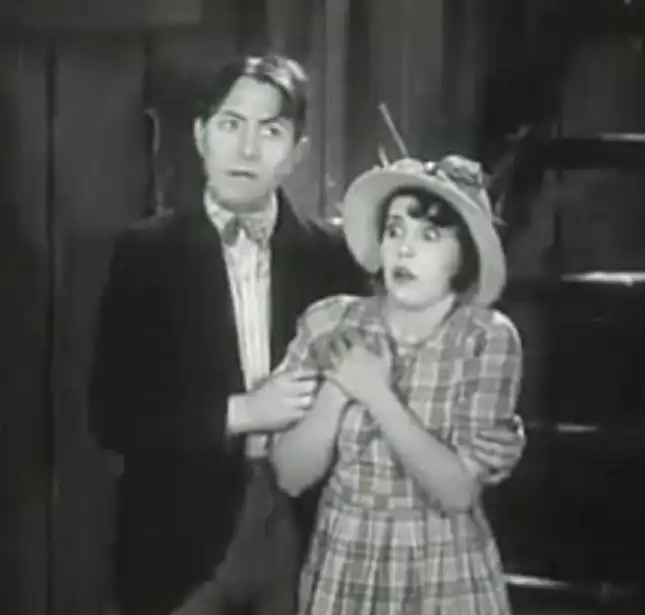
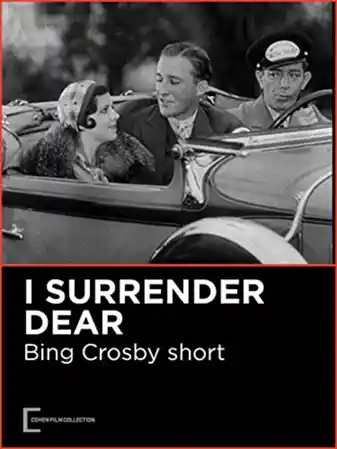
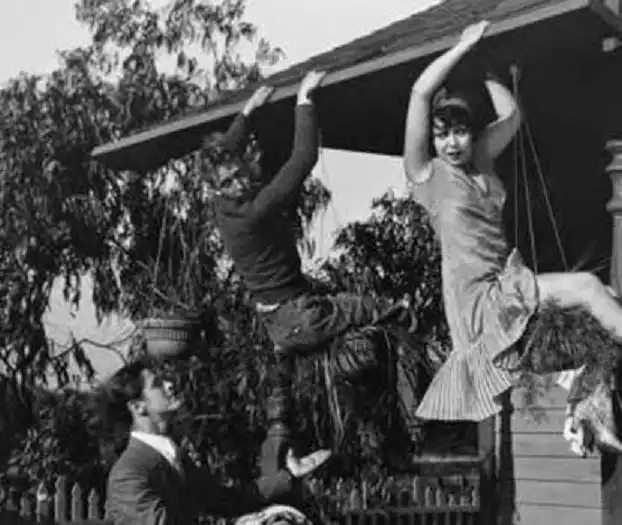
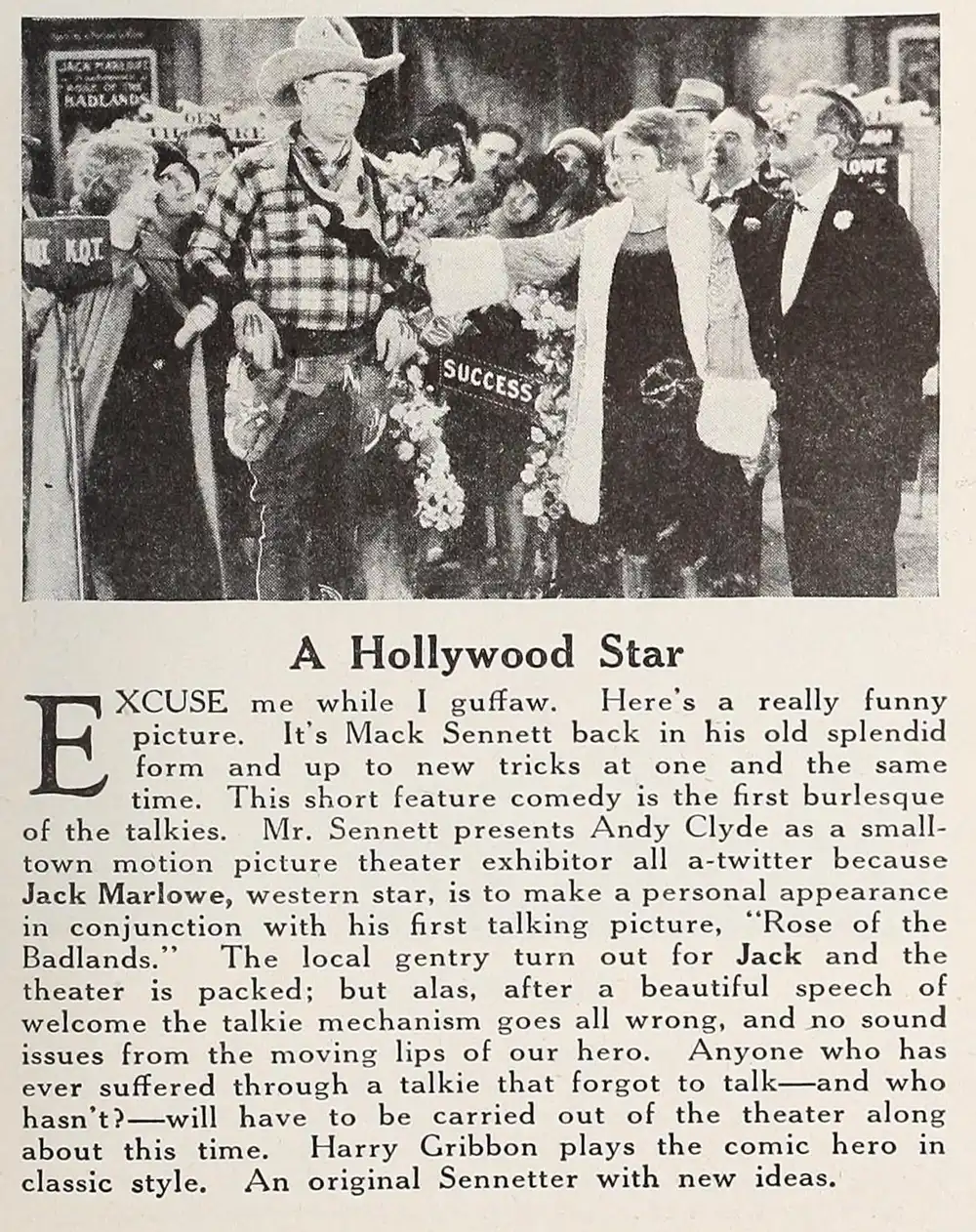
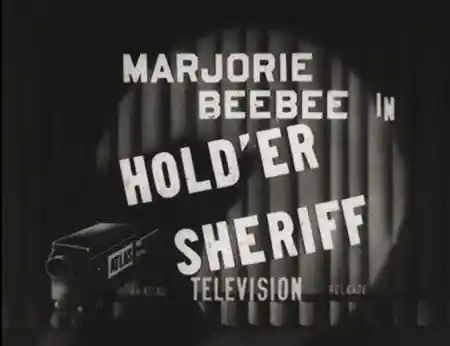
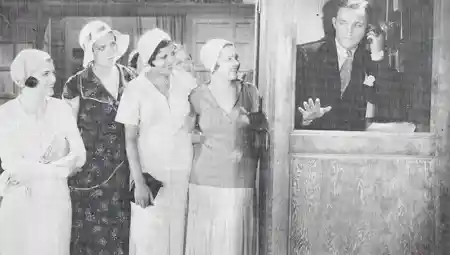
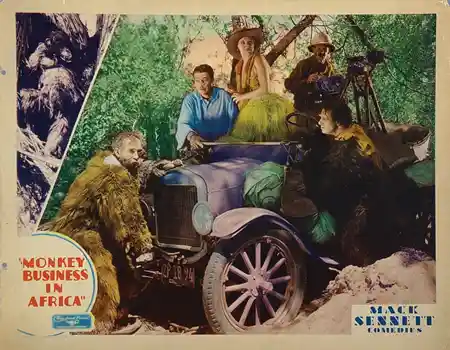
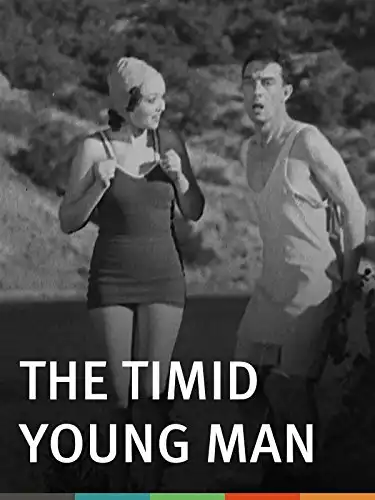
Mack Sennett, born Michael Sinnott on 17 January 1880 in Danville, Quebec, entered the world as the son of Irish immigrant farmers. When he turned seventeen, his family relocated to East Berlin, Connecticut, where he took a position as a laborer at American Iron Works. A subsequent move to Northampton, Massachusetts kept him in that trade. In 1902, a chance meeting with Marie Dressler led Sennett to New York City, where he sought a theatrical career. He found work in burlesque and took on chorus‑boy roles. By 1908 he had shifted to the screen, appearing in Biograph productions until 1911. During that period he worked under D.W. Griffith and shared the stage with Mary Pickford and Mabel Normand, and by 1910 he was already directing. The following year, in 1912, Sennett partnered with former bookies Adam Kessel and Charles Bauman to found the Keystone Film Company. He brought Mabel Normand along and soon added a roster of talent that included Roscoe “Fatty” Arbuckle, Chester Conklin, Al St. John, Slim Summerville, Minta Durfee, and the newcomer Charles Chaplin. Chaplin appeared in 35 of Sennett’s comedies in 1914, a period during which Sennett famously told him, “We have no scenario— we get an idea, then follow the natural sequence of events until it leads up to a chase, which is the essence of our comedy.” The Keystone Kops’ slapstick chases, the Bathing Beauties, and the Kid Komedies followed. In 1915, Sennett joined forces with Griffith and Thomas H. Ince to create Triangle Films. As comedy evolved from improvisation to scripted scenarios, stars such as Bobby Vernon and Gloria Swanson entered his fold. By 1917 he launched Mack Sennett Comedies, distributing through Paramount and later Pathé, and discovered Harry Langdon. Sennett returned to Paramount in 1932, producing shorts featuring W.C. Fields and musical pieces with Bing Crosby. His sole Buster Keaton feature, *The Timid Young Man* (1935), marked the end of a long filmmaking career, after which he returned to Canada in destitution. In 1937 he received a special Academy Award, presented “to the master of fun, discoverer of stars… for his lasting contribution to the comedy technique of the screen.” He died at the age of 80 on 5 November 1960 in Woodland Hills, California, and was laid to rest at Holy Cross Cemetery in Culver City. In recognition of his impact on cinema, he earned stars on both the Hollywood Walk of Fame and Canada’s Walk of Fame.