
Merl La Voy
cinematographer, director
- Born:
- 1885-12-14, Royalton, Wisconsin, USA
- Died:
- 1953-12-06, Johannesburg, South Africa
- Professions:
- cinematographer, director
Biography
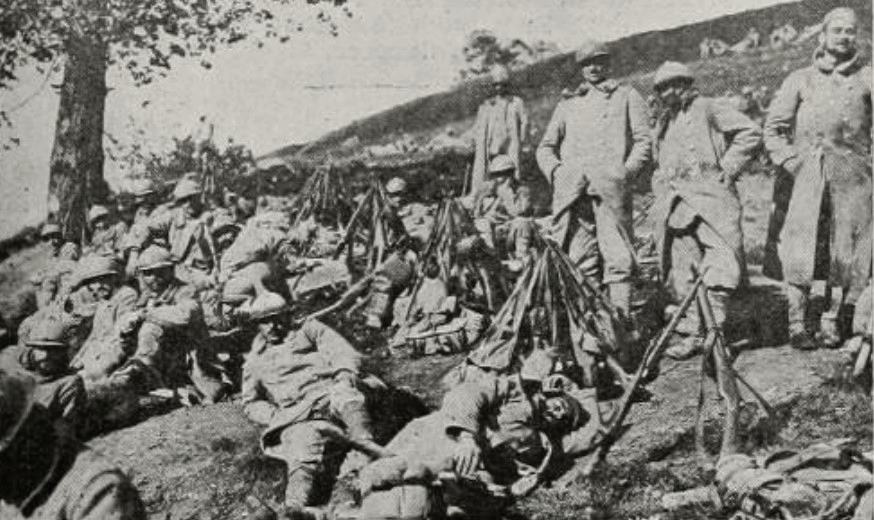
Merl La Voy was an American pioneer documentary filmmaker, photographer and world traveler. He was probably best remembered by 1920s and 30s movie goers for his South Seas Islands documentaries and as a cameraman for Pathé News. Not long after purchasing his first movie camera, La Voy traveled to Europe to cover the First World War. His film, Heroic France (1917), brought the horrors of war home to American film audiences. After the war he worked for a period of time for the International Red Cross. Later while covering an uprising in China, his wit and quick thinking saved him from being executed by a firing squad after being mistaken for a Russian mercenary. For much of his life, La Voy and his camera lens traveled the four corners of the world, earning him the title bestowed upon him by the press, "The Modern Marco Polo". In 1932 La Voy, who had been a member of the 1912 Parker-Browne Expedition that nearly conquered Mount McKinley, and Andrew Taylor, a well known Alaskan photographer, led a group that recovered the frozen remains of scientist Theodore G. Koven from the mouth of the Muldrow Glacier on Mount McKinley. Koven, a member of the Carpe Mount McKinley Expedition, had perished the previous year after he and the expedition's leader, Allen Carpe, fell into a crevasse. La Voy's group discovered that Koven had survived the fall and had managed to crawl out of the crevasse, only to eventually freeze to death. Allen Carpe had apparently fallen much deeper into the abyss, for his body was never found. Merl La Voy died in Johannesburg, South Africa on 6 December, 1953.
Filmography
Directed (1)
Knowledge Base
Frequently Asked Questions about Merl La Voy
Community
Comments
Log in to comment.