DbcultAccessing Vault...
4.7/10
Senior Film Conservator
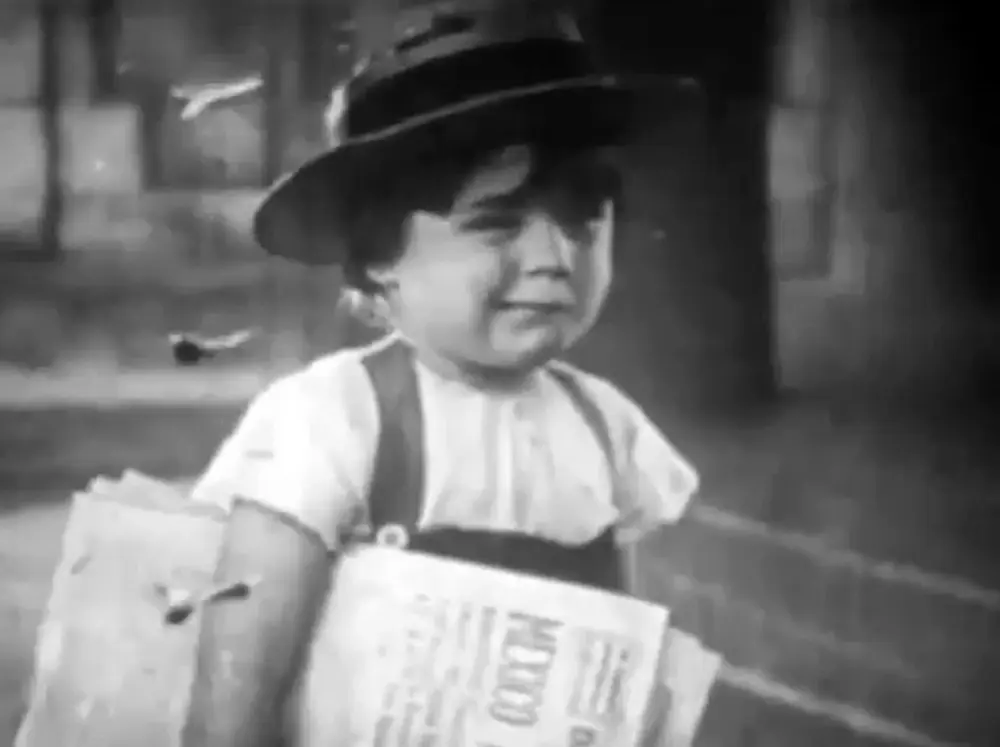
A definitive 4.7/10 rating for a film that redefined the boundaries of cult cinema. A Dog's Pal remains a cornerstone of transgressive art.
This film works because it captures the raw chemistry between a young protagonist and his canine companion with an authenticity that feels more lived‑in than scripted.
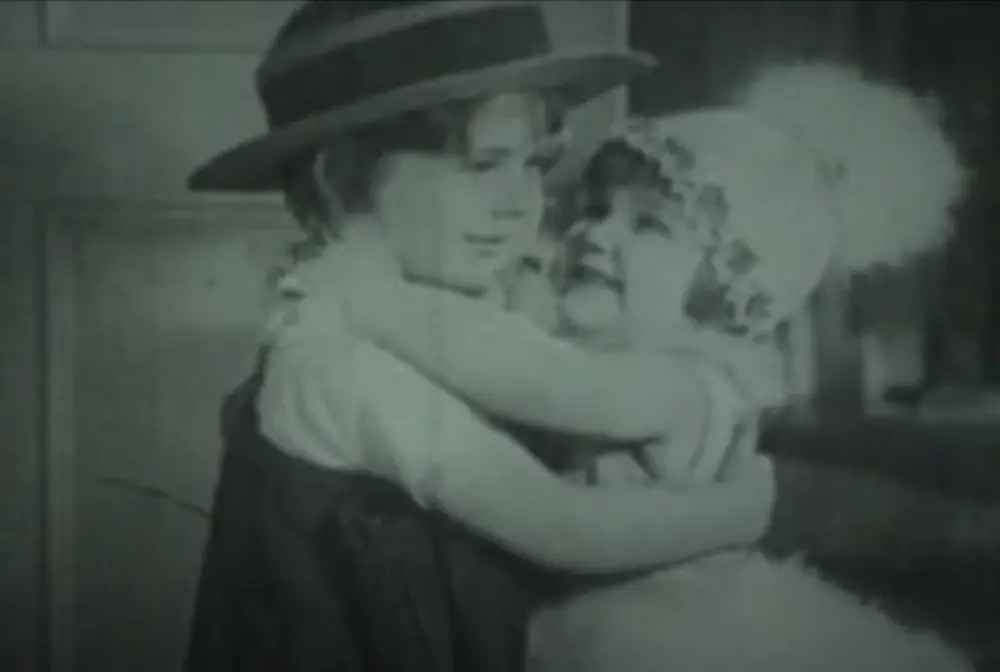
This film fails because its narrative clings to predictable tropes, leaving the climax feeling more obligatory than earned.
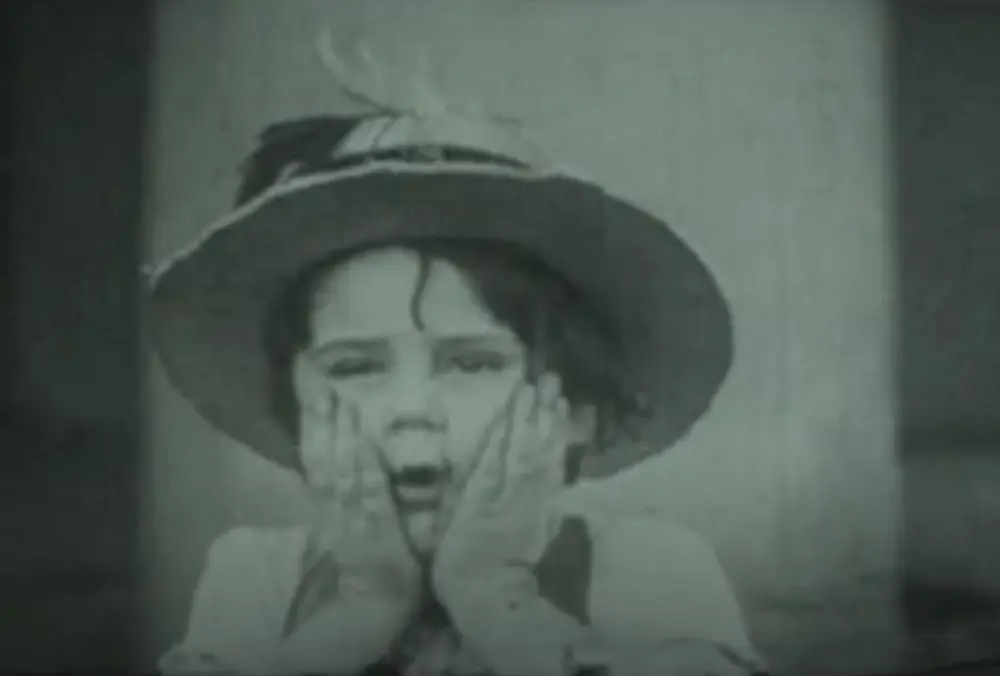
You should watch it if you enjoy modest, character‑driven stories that let a dog do most of the emotional heavy lifting.
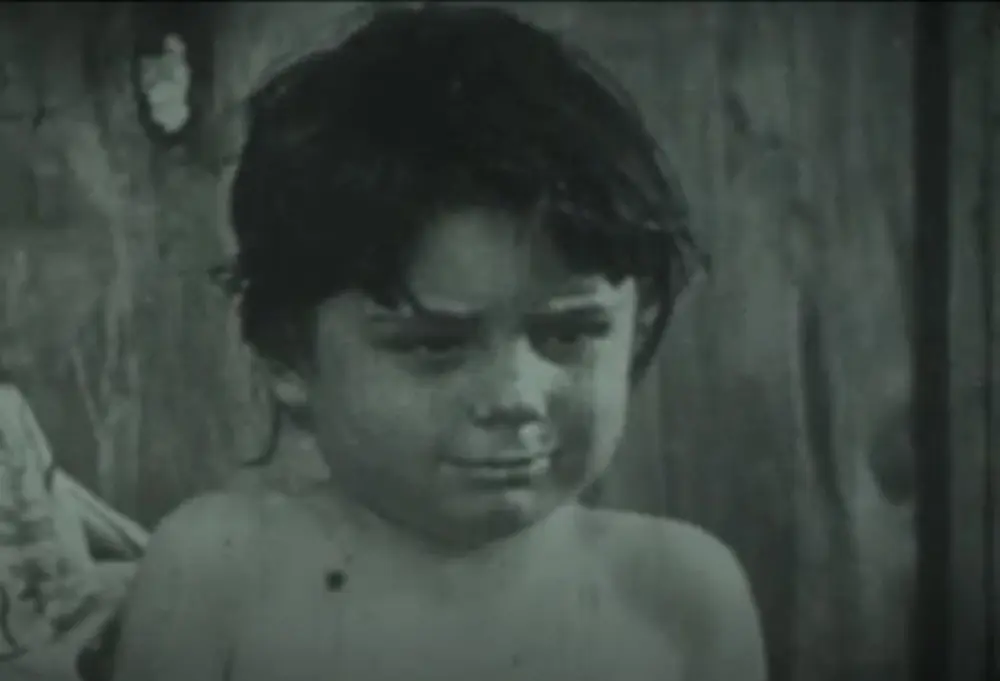
Short answer: yes, for anyone who appreciates a low‑budget, earnest tale about friendship across species. It isn’t for viewers seeking high‑octane action or a subversive plot twist.
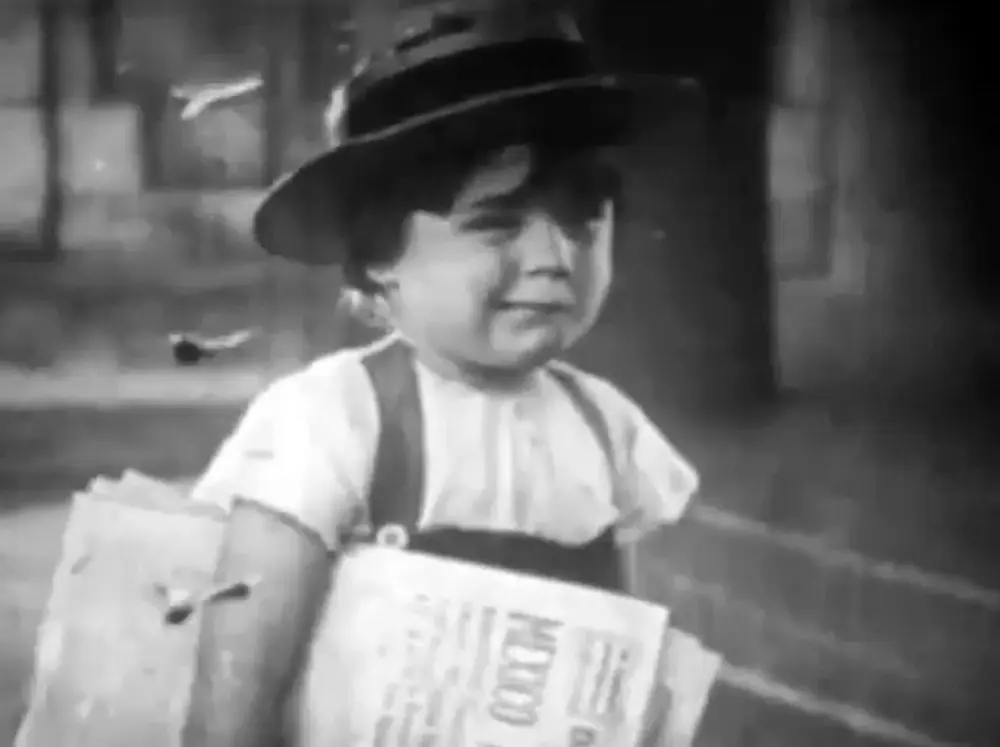
Jerry Madden, a 16‑year‑old orphan, drifts through his small town with a mixture of resignation and curiosity. When he discovers Pal, a scrappy mutt with a chipped ear, the pair instantly click. Their bond becomes the narrative spine, guiding Jerry through a series of episodic encounters: a misadventure at the county fair where Pal unintentionally sabotages the pie‑eating contest, a tender moment sharing a sandwich by the river, and a climactic showdown that forces Jerry to confront the town’s lingering suspicion toward stray animals. Supporting characters—Nona Arlynn’s gentle encouragement, Jack McHugh’s gruff mentorship, and Dorothy Shirley’s maternal oversight—populate the world, each nudging Jerry toward a tentative sense of belonging.

Jerry Madden delivers a surprisingly nuanced performance for a newcomer, balancing teenage awkwardness with an undercurrent of resilience. His chemistry with Pal is the film’s secret weapon; the dog’s expressive eyes and timing convey more than any line of dialogue. Nona Arlynn shines in her brief but impactful scenes, offering a grounding presence that feels authentic rather than ornamental. Director Leon Janney (who also appears as a town elder) opts for a restrained hand, allowing scenes to breathe. In the fair sequence, Janney lets the chaos unfold without overt cutting, immersing the audience in the pandemonium that mirrors Jerry’s internal turbulence. It works. But it’s flawed when the pacing stalls during the riverbank interlude, where the script leans too heavily on sentimentality.
Cinematographer Leon Janney (also the director) captures the town’s modest charm with a palette of muted earth tones punctuated by bursts of autumnal orange during the fair. The river scene employs a handheld camera that follows Jerry and Pal at eye level, creating an intimate, almost voyeuristic feel. The production design excels in small details: the worn wooden bench where Jerry feeds Pal, the faded billboard advertising the upcoming county fair, and the cluttered interior of Dorothy’s kitchen—all of which anchor the story in a recognizably lived‑in world. A surprising observation: the film’s use of natural light during the night scenes feels more deliberate than budget‑constrained, lending an unexpected lyrical quality to otherwise straightforward moments.
The film’s rhythm oscillates between brisk, comedic set‑pieces and slower, contemplative beats. The opening montage—Jerry wandering the town, Pal darting through alleys—establishes a lively tempo that hooks the viewer. Conversely, the midpoint lull, where Jerry sits alone on a porch watching the sunset, drags the momentum down, testing the audience’s patience. The tonal consistency remains warm throughout; there is no sudden shift into melodrama, which keeps the viewing experience cohesive. However, the decision to resolve the central conflict with a tidy community gathering feels contrived, undercutting the otherwise earnest tone.
A Dog’s Pal is a modest, earnest film that succeeds when it leans into its strengths—the genuine bond between boy and dog, the quietly crafted visual texture, and the earnest performances of its leads. It stumbles when it clings to formulaic resolutions and allows its pacing to sag. If you’re in the mood for a simple, feel‑good story that reminds you why companionship matters, press play. If you demand narrative daring or slick production values, look elsewhere. It works. But it’s flawed.
IMDb 4.8
1917
Community
Log in to comment.