DbcultAccessing Vault...
6.1/10
Senior Film Conservator
A definitive 6.1/10 rating for a film that redefined the boundaries of cult cinema. Circus Fever remains a cornerstone of transgressive art.
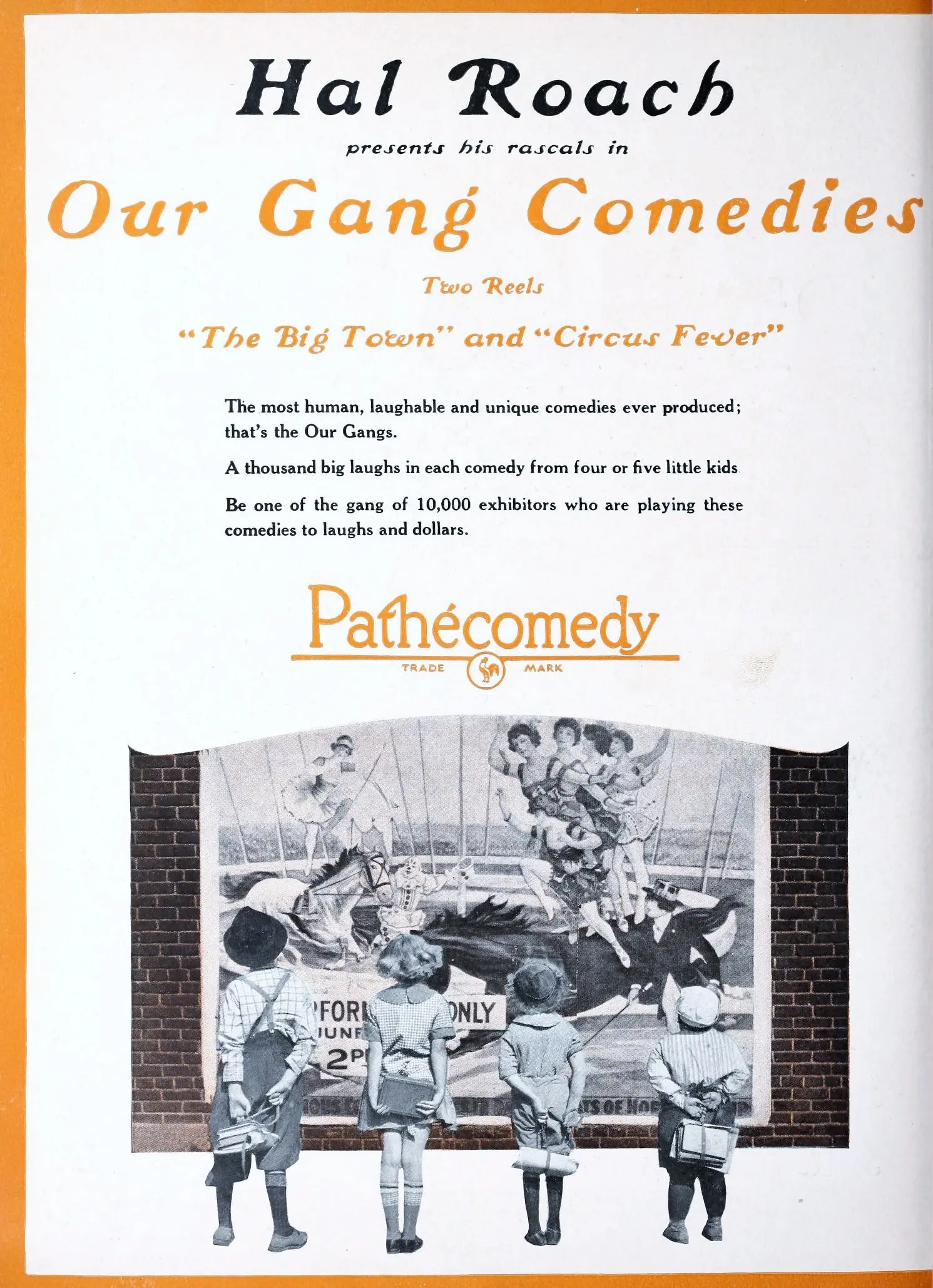
On a day when the circus comes to town, a group of mischievous schoolchildren, led by the charismatic David Durand, decide to skip class in pursuit of fun and excitement. Their plot, ingeniously executed, involves feigning illness to join the circus festivities, a decision that sets off a chain of events filled with laughter, mischief, and unexpected adventures. The film, directed by H.M. Walker and Hal Roach, is a quintessential example of the golden age of American comedy, blending slapstick humor with genuine warmth and charm.
The narrative unfolds with a sense of playful urgency, as the children navigate the circus grounds, interacting with performers and engaging in various antics. Their interactions with the cast, including Allen 'Farina' Hoskins and Helen Gilmore, add layers of humor and character development, making each moment feel authentic and relatable. The film’s high energy is palpable, from the clowns’ exaggerated expressions to the children’s playful games, creating a sense of joy that is contagious.
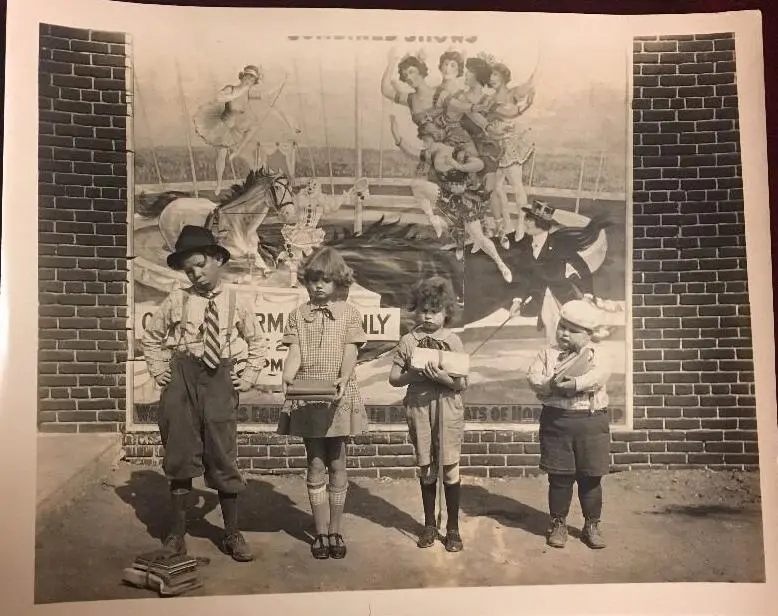
One of the most endearing aspects of Circus Fever is its portrayal of the children. They are not merely punchlines but fully realized characters with their own desires and fears. Their camaraderie and the sense of mischief they exhibit are endearing, and their interactions with the adult cast add a depth to the story that elevates it beyond a simple comedy. The film’s ability to blend humor with character development is a testament to its skillful direction and writing.
Comparatively, Circus Fever shares a similar spirit with other Hal Roach comedies like Youth to Youth and Pay Me! These films, with their focus on everyday characters and their humorous misadventures, provide a rich context for understanding the genre’s evolution. However, Circus Fever stands out for its unique blend of innocence and mischief, making it a standout within the genre. It’s a film that not only entertains but also captures the essence of youthful exuberance and the magic of a shared experience.
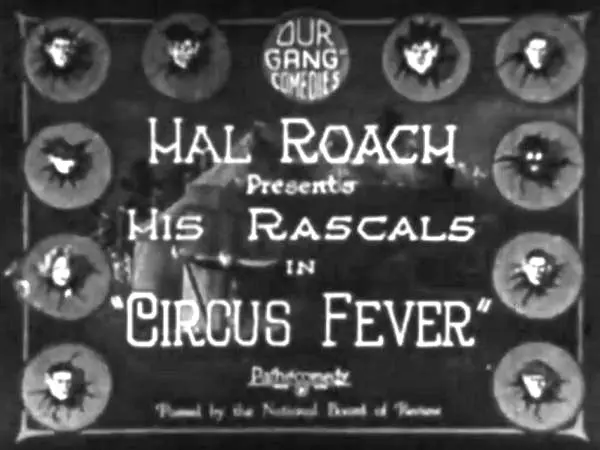
The film’s visual elements are equally impressive. The circus setting provides a vibrant backdrop, with colorful tents and performers that add to the sense of wonder and excitement. The children’s costumes and the circus performers’ attire are intricately designed, enhancing the film’s aesthetic appeal. The production design, combined with the lively score, creates a sensory experience that is both joyful and engaging. This attention to detail is complemented by the film’s pacing, which is brisk and keeps the audience engaged throughout.
Furthermore, Circus Fever’s comedic timing is impeccable. The film’s ability to balance physical humor with witty dialogue is a testament to the writers’ H.M. Walker and Hal Roach. Their skill in crafting punchlines and ensuring that the humor remains fresh and relevant is a hallmark of their work. The film’s humor is not just for adults but also appeals to children, making it a family-friendly gem within the genre.
It is worth noting that Circus Fever, while a classic, is not without its flaws. Some of the punchlines feel dated, and certain scenes, while amusing at the time, may not resonate with modern audiences. However, these shortcomings are outweighed by the film’s overall charm and entertainment value. It is a film that can be enjoyed for its historical significance as well as its enduring appeal.
In conclusion, Circus Fever is a delightful entry in the Hal Roach comedy canon, offering a glimpse into the golden age of American comedy. Its blend of humor, character development, and visual appeal make it a must-watch for fans of classic cinema and anyone seeking a dose of pure, unadulterated joy. It’s a film that captures the essence of youthful exuberance and the magic of a shared experience, making it a timeless classic.
IMDb —
1917
Community
Log in to comment.