DbcultAccessing Vault...
Cult Review
Senior Film Conservator
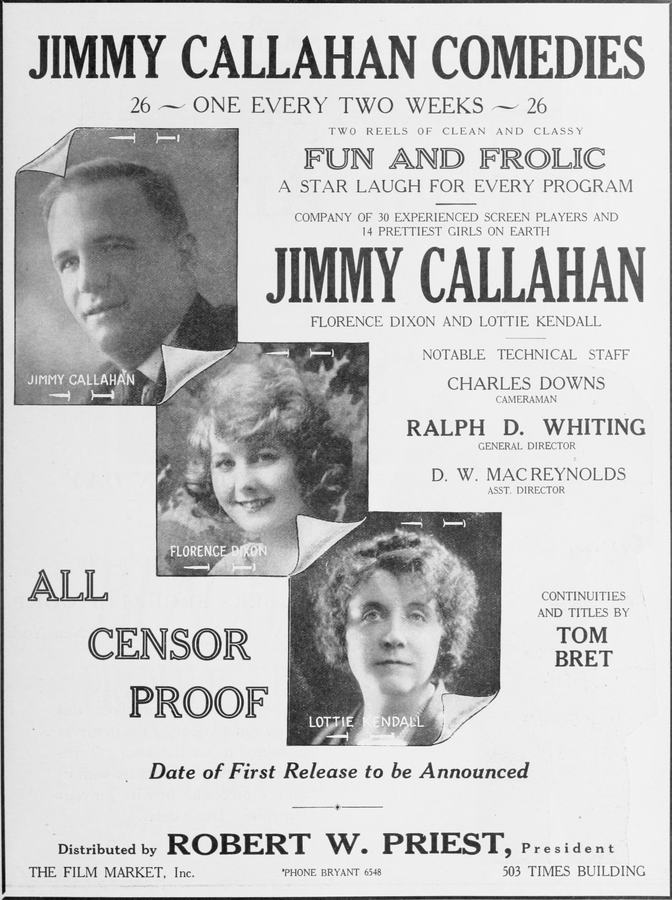
Tom Bret’s Props is a film that resists easy categorization. It is, at once, a backstage drama, a philosophical inquiry, and a visual poem about the objects we cling to in order to tell our stories. By anchoring its narrative in the physicality of props—those silent yet ever-present witnesses to human drama—Bret crafts a narrative that feels both intimate and epic, a microcosm of our collective obsession with constructing meaning through materiality. The film’s strength lies in its ability to make the mundane feel mythic, transforming a rusted chandelier or a moth-eaten costume into totems of existential weight.
The narrative unfolds in a theater on the brink of collapse, both metaphorically and structurally. This isn’t the grandiose, crumbling opera house of old-school melodrama but a modest, almost anachronistic venue where the cracks in the walls are as literal as they are symbolic. Florence Dixon’s character, Margaret, is a stage manager whose life is spent ensuring that every prop—every "object of narrative import"—is in its proper place. Her meticulousness borders on compulsion, and it’s here that Bret’s genius shines: Margaret’s control over the props is a proxy for her control over her own unraveling life. When a pivotal scene requires a prop to malfunction, her collapse feels inevitable, a domino effect of systems failing to hold.
Jimmy Callahan’s Daniel is a character who exists in a perpetual state of rehearsal. His past as a celebrated stage actor has left him with a self-image that is both inflated and hollow. In one particularly haunting sequence, he rehearsing a monologue from a Shakespearean tragedy while the real-life consequences of his financial recklessness begin to close in. Bret juxtaposes the poetic language of Shakespeare with the banal reality of a man staring into bankruptcy, creating a dissonance that is as uncomfortable as it is brilliant. This duality is a recurring motif in Props—The Last of the Mafia, for example, might similarly explore the tension between legacy and irrelevance, but Bret’s approach is more interior, more about the collapse of self than of institutions.
Lottie Kendall’s Clara, the youngest member of the troupe, is the wildcard. Her character is a study in contrasts: a woman who is both eager to please and quietly rebellious, whose understanding of performance is still in its formative stages. In her relationship with Daniel, Bret explores the generational divide within the theater world, the passing of the torch from those who once commanded the spotlight to those who must now navigate a landscape where the spotlight feels increasingly out of reach. Clara’s arc mirrors the film’s central thesis—that identity is performative, but not necessarily sustainable. Her eventual decision to leave the theater for a corporate job is not a betrayal but a pragmatic evolution, a recognition that the props of one world are the liabilities of another.
The film’s technical achievements are equally noteworthy. The cinematography, often shot in tight close-ups that emphasize the texture of props and the sweat on the actors’ brows, creates an almost tactile experience for the viewer. One sequence, in which the camera slowly zooms in on a cracked mirror used in a key scene, lingers just long enough to make the viewer question whether the reflection is of the character or the audience. This kind of visual subtext is pervasive, and it rewards repeat viewings. The score, composed of ambient noise and faint echoes of theatrical soundbites, further blurs the line between creation and consumption. It’s the kind of music that feels like it’s been "staged" rather than composed, as if the theater itself is breathing.
For all its cerebral ambitions, Props is not without emotional depth. The film’s most poignant moments come in the quiet exchanges between Margaret and Clara, where the weight of experience is passed down not through dialogue but through shared glances. One such scene, set during a midnight cleanup after a disastrous performance, is a masterclass in understated acting. Florence Dixon’s performance here is particularly transcendent; her voice, usually clipped and authoritative, softens into something almost maternal. It’s a moment that echoes the quiet power of A Family Affair, but with a more cynical undertone—this is a family of choice, not blood, bound by the shared delusion that the show must go on.
Bret’s script is peppered with dialogue that feels both precise and spontaneous, a balance that is no small feat. The characters speak in fragments, their sentences often cut off mid-phrase, as if they’re rehearsing their own lives but never quite getting the lines right. This technique is particularly effective in the film’s third act, where the theater’s financial troubles escalate to a breaking point. A board meeting scene, in which the troupe debates whether to sell off props to stay afloat, becomes a microcosm of the film’s themes. The props, once symbols of artistic integrity, are now merely inventory, and the characters’ arguments over their value feel like a futile attempt to justify meaning in a world that no longer sees it.
The film’s climax is as much a structural achievement as a narrative one. In a bravura sequence that lasts nearly ten minutes, the final performance of the season unfolds in real time, intercut with the characters’ offstage struggles. Bret uses the theater’s stage as a literal and metaphorical space of convergence, where the props—both physical and emotional—come together in a crescendo of meaning. The camera, often static but always observant, captures the audience’s mixed reactions, the performers’ silent negotiations, and the stagehands’ weary determination. It’s a sequence that feels less like a resolution than a meditation on the futility of holding onto the past.
In the end, Props is a film that thrives in its contradictions. It is both a lament for the dying art of theater and a celebration of its enduring power. It is a character study that doubles as a philosophical treatise. And perhaps most impressively, it is a film that uses its own medium—a carefully constructed illusion of reality—to question the very nature of reality itself. Bret’s work sits comfortably in the pantheon of films that use performance as a narrative device, but it carves out its own unique niche by focusing not on the spectacle of performance but on the objects that make it possible. The props, in this sense, are the film’s unsung heroes, silent witnesses to the chaos and poetry of human existence.
For fans of The Warrior Strain or Trying to Get Along, Props will feel familiar in its exploration of societal pressures and personal compromise. However, Bret’s approach is more introspective, less concerned with external conflict than with the internal landscapes of his characters. The film’s final image—a close-up of a prop sword, rusted and discarded in a corner of the theater—lingers long after the credits roll, a fitting symbol for a story about the objects we wield to navigate the chaos of our lives.
In a film landscape often dominated by spectacle and speed, Props is a welcome reminder of the power of stillness, of the stories that objects can tell when given the space to speak. It is a film that demands attention not just for its narrative but for its craftsmanship, its ability to transform simple elements—wooden chairs, paper scripts, rusted stage lights—into profound symbols of the human condition. For those willing to sit with its quieter moments, Props offers a richly rewarding experience, one that lingers like the scent of old wood and dust in an abandoned theater.
IMDb —
1924
Community
Log in to comment.