Anton Walbrook
actor, soundtrack
- Birth name:
- Adolf Anton Wilhelm Wohlbrück
- Born:
- 1896-11-19, Vienna, Austria-Hungary [now Austria]
- Died:
- 1967-08-09, Garatshausen, Bavaria, Germany
- Professions:
- actor, soundtrack
Biography
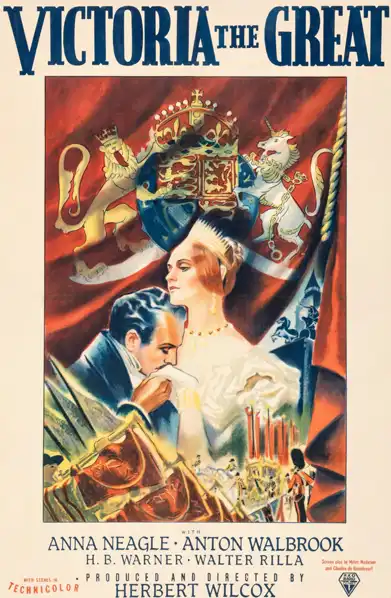
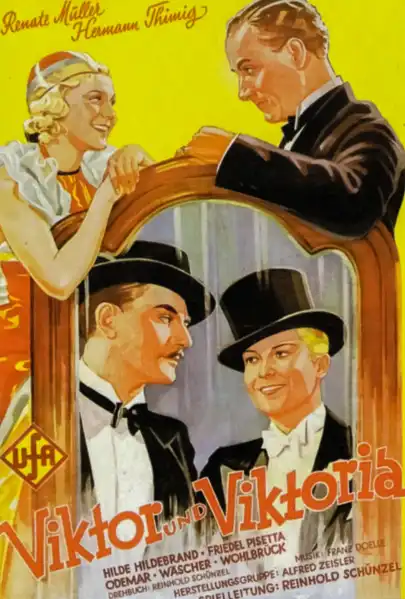
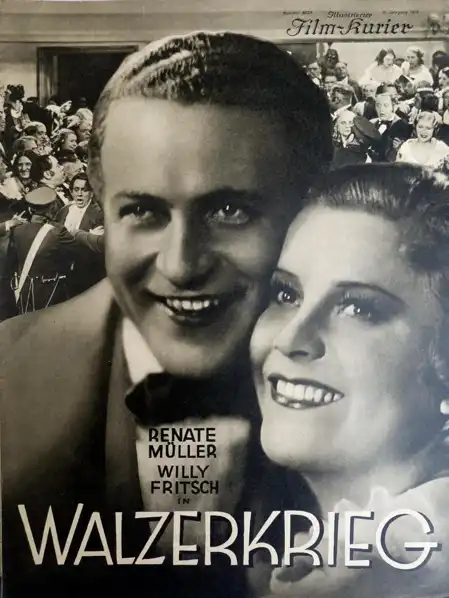
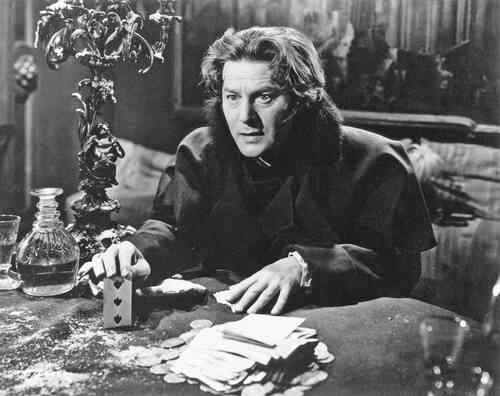
Adolf Wohlbrück—later reborn as Anton Walbrook—first drew breath in Vienna’s Prater quarter, a great-grandson of clowns who juggled for circus crowds. The sawdust spotlight held no magic for him; he traded tumbling for Reinhardt’s drama school and conquered Berlin and Vienna stages while silent cameras only flickered at him in bit parts. When talkies arrived, his velvet baritone unfurled: 1931 found him waltzing through *Walzerkrieg*, and two years later he donned satin and sequins in *Viktor und Viktoria*, letting the world see that gender could be as fluid as a foxtrot. Hollywood tested the waters in 1937, luring him to re-shoot *Michael Strogoff* in English, but history shouted louder—swastikas on the horizon—and he boarded the last sensible train west. England adopted the refugee; the toothbrush moustache stayed, the name shortened to something easier for Piccadilly marquees. London critics swooned at the new arrival who could be both Kaiser and commoner. He gave Victoria two consorts—first in monochrome (*Victoria the Great*, 1937), then again in Technicolor (*Queen of Destiny*, 1938). In wartime he fractured stereotypes: a humane German émigré in *The Invaders* (1941) and, most memorably, the sympathetic Teutonic “enemy” who ages across three decades in Powell & Pressburger’s *The Life and Death of Colonel Blimp* (1943). Post-war, he tightened his baton and cracked it over *The Red Shoes* (1948), driving Moira Shearer’s dancer to ecstasy and ruin while he prowled the Covent Garden shadows. Uniforms suited him too—witness the icy major in *The Queen of Spades* (1949) or the tormented prosecutor of *I Accuse!* (1958), his final English-language bow. When the cameras stopped, Walbrook slipped back across the Channel, trading film for theatre boards and, later, the small glow of television tubes. On an August day in 1967, while visiting friends near Munich, his heart—so often dramatic on screen—delivered one last, silent blackout.