Crane Wilbur
actor, director, writer
- Birth name:
- Erwin Crane Wilber
- Born:
- 1886-11-17, Athens, New York, USA
- Died:
- 1973-10-18, Toluca Lake, Los Angeles, California, USA
- Professions:
- actor, director, writer
Biography
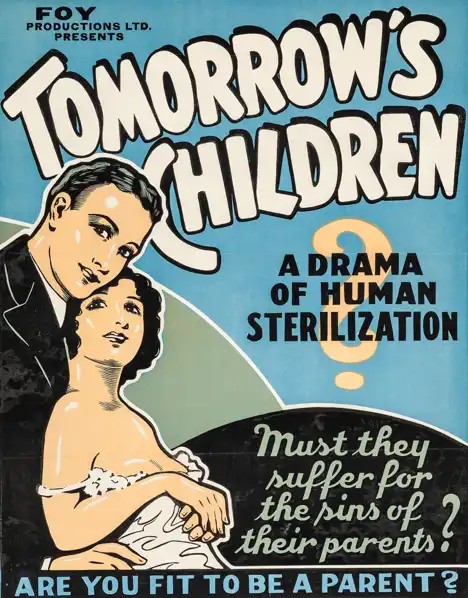
Born Erwin Crane Wilbur on November 17, 1886, in Athens, NY, Crane Wilbur emerged from a notable theatrical lineage as the nephew of the esteemed stage actor Tyrone Power Sr. He first embraced the footlights, making his Broadway debut under the name Erwin Crane Wilbur on June 3, 1903. This inaugural performance featured him in a William Butler Yeats trilogy – "A Pot of Broth," "Kathleen ni Houlihan," and "The Land of Heart's Desire" – presented by the Irish Literary Society at the Carnegie Lyceum. Wilbur transitioned to the burgeoning world of cinema in 1910, but it was his role as the male lead opposite Pearl White in the sensationally popular serial *The Perils of Pauline* (1914) that cemented his status as a prominent film actor. A bona fide star throughout the 1910s, his career as a movie actor began to recede after his portrayal of the titular character in *Breezy Jim* (1919). As the Roaring Twenties unfolded, Wilbur returned to his roots on the stage. Between 1920 and 1934, he saw seven of his plays produced on Broadway, including "The Ouija Board" (1920), "The Monster" (1922, revived in 1933), "Easy Terms" (1925), "The Song Wtiter" (1928), "Border-Land" (1932), "Halfway to Hell" (1933), and "Are You Decent" (1934). He also took on directorial duties for "Halfway to Hell" and later helmed Donald Kirkley and Howard Burman's "Happily Ever After" in 1945. Beyond his writing and directing, Crane Wilbur continued to perform, appearing in "The Ouija Board," "Easy Terms," and nine other Broadway productions between 1927 and 1932, notably including "A Farewell to Arms" (1930) and "Mourning Becomes Electra" (1932). Having previously directed several silent features, Wilbur made a controversial splash with his sound directorial debut, *Tomorrow's Children* (1935), a film boldly advertised as "The Most Daring, Sensational Drama Ever Filmed!" This provocative picture served as an exposé on the dubious "science" of eugenics, weaving a narrative around a married couple's struggle against the Welfare Bureau's attempts at forced sterilization. The film courageously highlighted the reality of individuals being sterilized against their will, often without due process. Consequently, *Tomorrow's Children* was banned in New York state, deemed "immoral," likely to "corrupt morals," and an "incitement to crime." Though challenged, the ban was upheld in the courts and on appeal, primarily due to its perceived dissemination of information about birth control, which was illegal at the time. Undeterred by this contentious episode, Wilbur embarked on a long and fruitful career, particularly excelling within the mystery-thriller genre as both a director and screenwriter. His creative touch graced such genre touchstones as *House of Wax* (1953), *The Bat* (1959), which he also directed, and *Mysterious Island* (1961). Crane Wilbur passed away on October 18, 1973, in Toluca Lake, CA, due to complications following a stroke.
Filmography
In the vault (8)