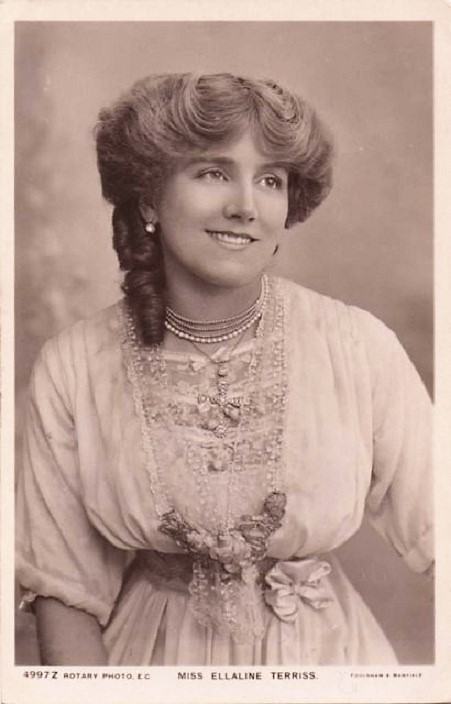
Ellaline Terriss
actress
- Birth name:
- Mary Ellaline Lewin
- Born:
- 1871-04-13, Stanley, Falkland Islands
- Died:
- 1971-06-16, Hampstead, London, England, UK
- Professions:
- actress
Biography
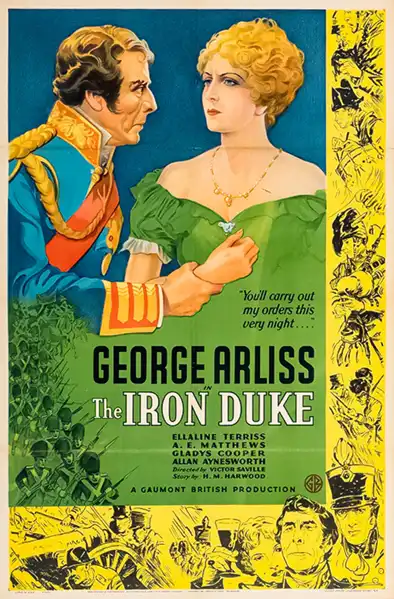
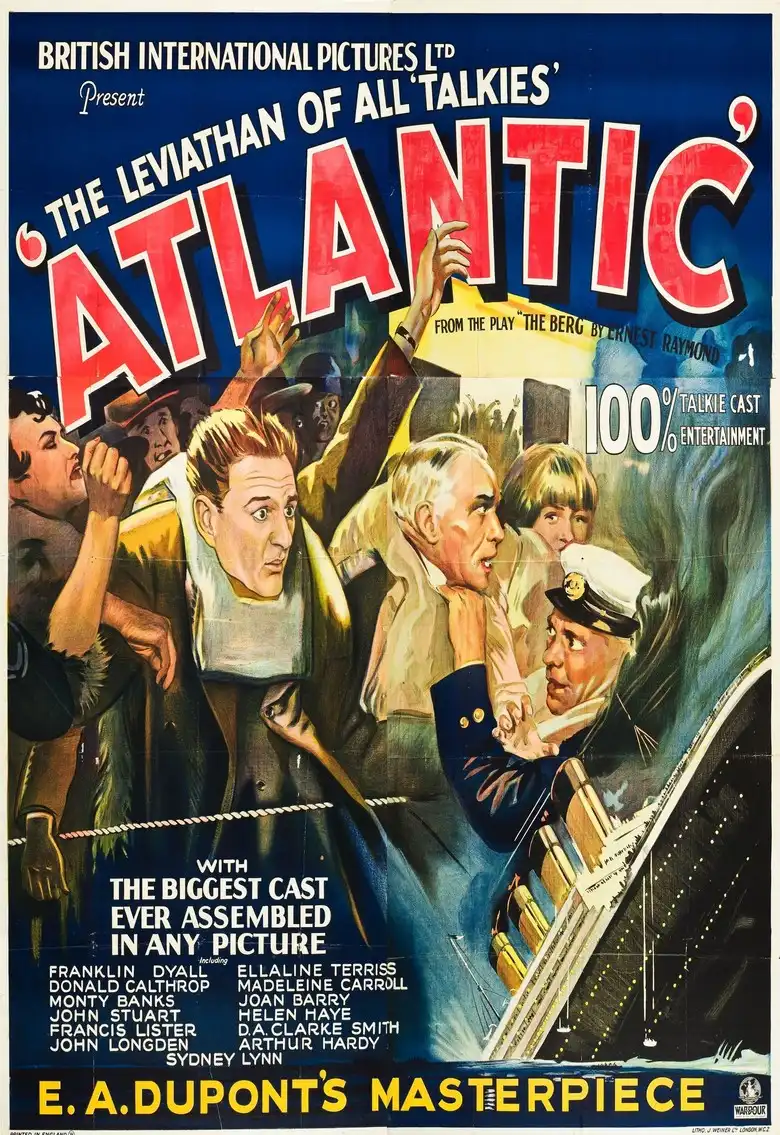
Ellaline Terriss graced the stages of the late Victorian, Edwardian, and early Modern eras as a luminary of musical comedy. Her theatrical lineage was notable: she was the daughter of William Terriss (born William Lewin in 1847), a celebrated actor whose life was tragically cut short by a disgruntled actor's murder in 1897. Her own destiny intertwined with an even more renowned figure, Sir Seymour Hicks, whom she married in 1893 and remained with until his passing in 1949. Born Ellaline Lewin on April 13, 1871, her origin was as unconventional as her father's early career. She entered the world in Stanley, the capital of the British colony of the Falkland Islands, where her father, then known as William Lewin, was a sheep farmer. A true adventurer, Lewin had previously navigated life as a sailor, a tea farmer, and an actor before his South Atlantic pastoral interlude. Eventually, the call of the stage proved irresistible, prompting his return to England with his family. There, he soared to stardom under the stage name 'William Terriss,' earning the moniker 'Breezy Billy' for his swashbuckling charisma. His life ended abruptly in 1897, a cruel twist of fate occurring as he arrived at the theatre, precisely when his daughter was ascending to major stardom. Ellaline's own stage journey commenced in 1888, quickly establishing her as a critically acclaimed and beloved ingenue. By the 1890s, she had become a reigning musical-comedy star in London, frequently sharing the spotlight with Hicks in iconic productions such as "The Shop Girl" (1894), "The Circus Girl" (1896), and "A Runaway Girl" (1898). Their artistic partnership briefly crossed the Atlantic in 1900 for a Broadway run of the French farce "My Daughter-in-Law"—a unique appearance for Ellaline on the Great White Way, though Hicks had previously trod those boards in "The Shop Girl." The turn of the 20th century saw Seymour Hicks evolve into an actor-impresario, penning a string of successful musical comedies and light comedies that became star vehicles for himself and his wife. Their collaborative efforts garnered immense popularity, fueling Hicks's ambition. From his earnings, he funded the construction of London's Aldwych Theatre in 1905, followed by the Seymour Hicks Theatre in 1906 (later renamed the Globe Theatre in 1909, and ultimately the Gielgud Theatre in 1994). In 1911, the couple embarked on a tour of South Africa, and by 1917, Ellaline gracefully retired from the stage. However, the allure of the footlights proved strong, drawing her back for a single season in 1925-26. She returned to the boards in "The Man in Dress Clothes," a special production that not only reunited her with her husband but also marked the stage debut of their daughter, Betty Hicks. Ellaline's foray into cinema began in 1907 with two films directed by Arthur Gilbert: "My Indian Anna" and "Glow Little Glow Worm, Glow." In 1913, she shared the screen with her husband in three more features, notably when he reprised two of his most celebrated stage personas: Ebenezer Scrooge in "Old Scrooge" (1913) and the title role in "David Garrick" (a 1913 film where he revisited his acclaimed stage portrayal from 1908). Her filmography expanded with a baker's dozen more appearances between 1914 and 1939, where she acted alongside Hicks and other cinematic luminaries like Sir Johnston Forbes-Robertson and George Arliss. Seymour Hicks received a knighthood in 1934, bestowing upon Ellaline the title of "Lady Hicks." He passed away on April 6, 1949, in Hampshire, England. Ellaline Terriss, a century-spanning icon, followed him on June 16, 1971, having reached the remarkable age of 100.