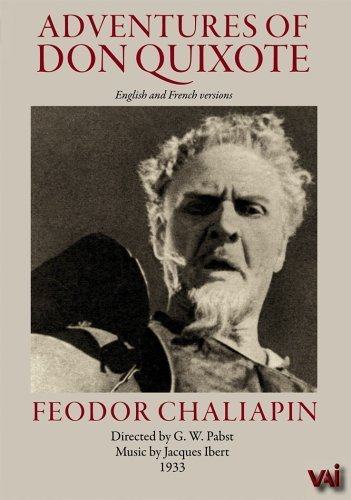
Feodor Chaliapin Sr.
actor, soundtrack
- Birth name:
- Feodor Ivanovich Chaliapin
- Born:
- 1873-02-13, Omet Tawi, Kazan, Russia
- Died:
- 1938-04-12, Paris, France
- Professions:
- actor, soundtrack
Biography
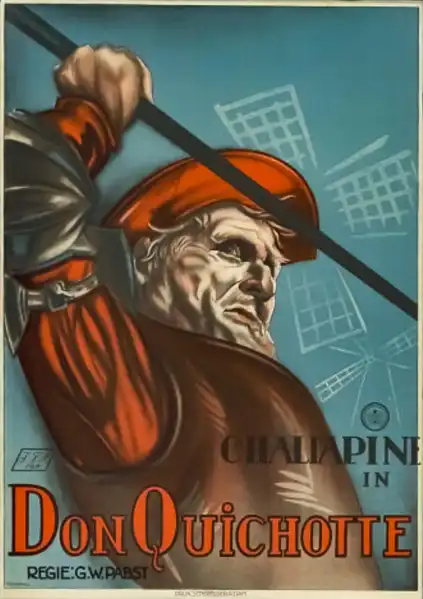
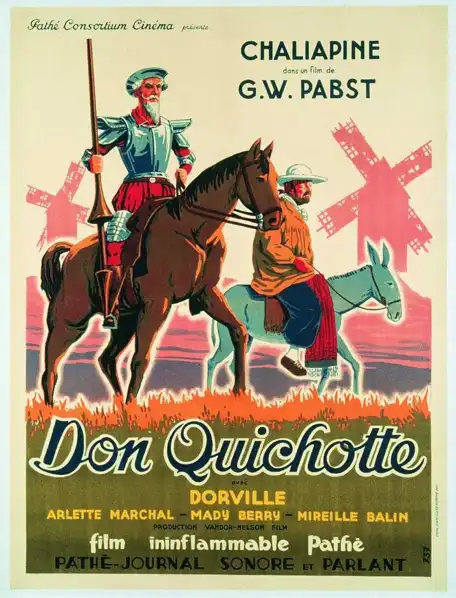
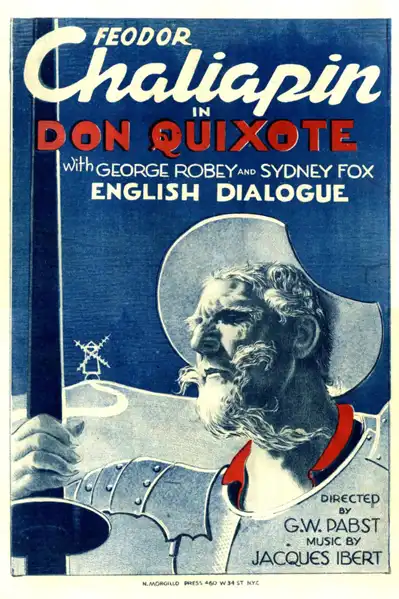
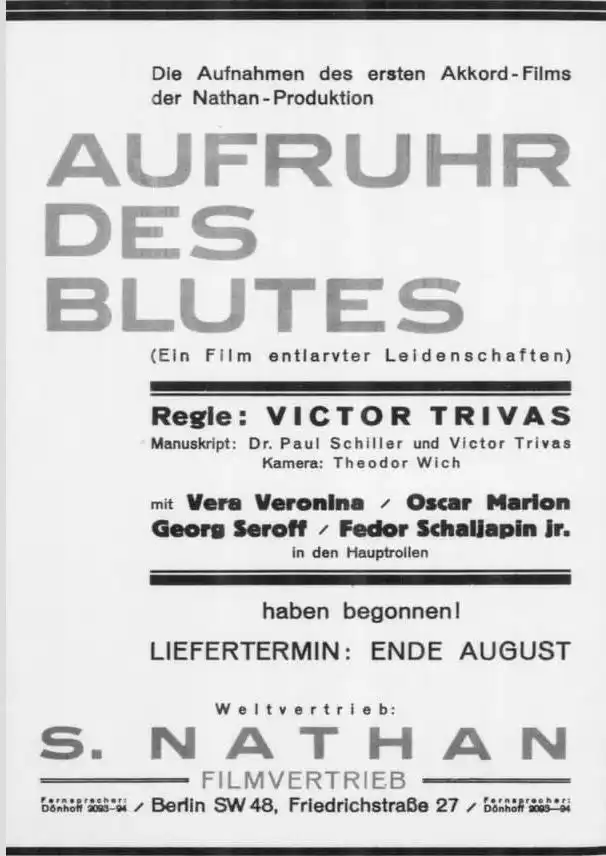
Born on February 13, 1873, in the village of Omet Tawi near Kazan, Feodor Chaliapin Sr. emerged from a childhood defined by the harsh realities of poverty and social degradation. From the ages of 10 to 16, he was a nomad of the working class, drifting between grueling labor at river docks and service in restaurants while occasionally stepping onto provincial Russian stages. His professional ascent began in 1890 at the Semenov-Samarsky private theatre in Ufa, where he transitioned from a choir singer to a soloist. Following a 1891 tour with the Dergach Opera, he sought refinement in Tiflis (Tbilisi) in 1892. There, he encountered the mentor Usatov, who provided a year of free vocal training. During this formative period from 1892 to 1893, Chaliapin’s voice also resonated within the walls of the St. Aleksandr Nevsky Cathedral. His professional operatic journey took flight at the Tbilisi Opera in 1893, reaching a crescendo on February 4, 1894, with a triumphant 'Benefith' night attended by the city's high society. This marked the conclusion of a prolific stint involving 72 performances in Tbilisi. By late 1894, he moved to Moscow on Usatov's advice, eventually balancing roles at the Mamontov Opera and the Bolshoi Theatre with frequent appearances at the Imperial Mariinsky Opera in St. Petersburg. His international star rose in 1901 when he debuted at La Scala as Mefistofele in Massenet's Faust, conducted by Arturo Toscanini. He became legendary for his psychological depth in roles like Modest Mussorgsky’s Boris Godunov and Nikolai Rimsky-Korsakov’s Ivan the Terrible in The Maid of Pskov. In 1896, Chaliapin met Iola Tornagi, an Italian ballerina who sacrificed her career to build a home with him in Moscow. Their marriage, though initially happy and blessed with six children, was struck by tragedy when their firstborn died at age four, leading Chaliapin to a nervous collapse. Their lineage continued through their son Boris, a celebrated painter, and Feodor Jr., who found fame in cinema. Iola remained in Soviet Russia until 1959, when the 'Thaw' under Nikita Khrushchev finally allowed her to reunite with Feodor Jr. in Rome. Chaliapin’s personal life was complicated by a second, civil union started in 1906 with Maria Valentinovna Petzhold in St. Petersburg. Together they had three daughters, adding to her two children from a previous marriage. Despite a direct appeal to Tsar Nicholas II to grant his daughters his surname, the request was denied, and Chaliapin spent years divided between his two households in Moscow and St. Petersburg. Ultimately, he chose to leave Russia permanently with Maria and their children. His 1922 departure into emigration was a bitter exile; the Soviet government revoked his honors and titles. Settling in Paris, he became a sensation at the Paris Opera and in Sergei Diaghilev’s productions. His discography, spanning 1900 to 1938, includes his iconic 1913 renditions of 'Vdol po Piterskoi' and 'The Song of the Volga Boatmen.' His dramatic genius was captured on celluloid only once, in the 1933 film 'Don Quixote.' Under the management of Sol Hurok, he enjoyed eight successful seasons at New York’s Metropolitan Opera. Beyond the stage, Chaliapin collaborated with Maxim Gorky on his 1933 memoirs. He is credited with transforming opera by integrating authentic acting with vocal mastery, establishing himself as the preeminent basso of the early 20th century. After battling leukemia and kidney disease, Chaliapin passed away in Paris on April 12, 1938. His remains were eventually returned to Russia, where he was interred at the Novodevichy Monastery Cemetery in Moscow.
Filmography
In the vault (4)