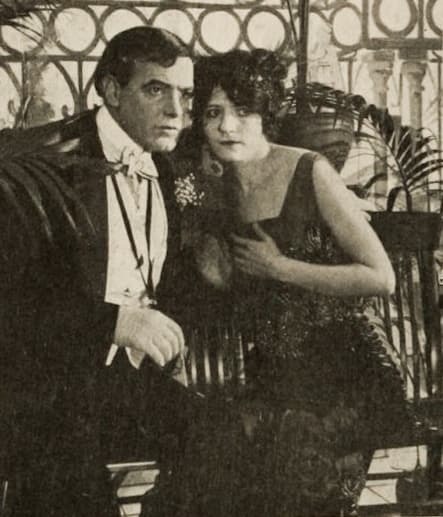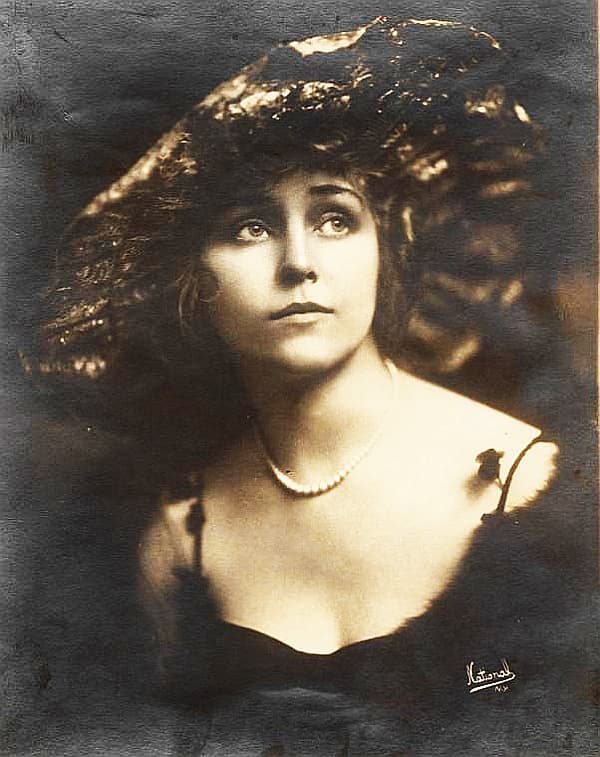
Florence La Badie
actress
- Birth name:
- Florence Russ
- Born:
- 1888-04-27, New York City, New York, USA
- Died:
- 1917-10-13, Ossining, New York, USA
- Professions:
- actress
Biography
Florence La Badie entered the world in 1888 somewhere amid the clang of New York’s elevated trains, then vanished into the city’s anonymous swirl. A Canadian lawyer named Joseph LaBadie and his wife scooped the infant up, carried her across the border to Montreal, and raised her as their own. She grew up bilingual, bicoastal in imagination, shuttling between Montreal classrooms and Manhattan sidewalks. After high-school she posed for Penrhyn Stanlaws—an illustrator who could turn a charcoal stroke into a sigh—and discovered her face could pay the rent. Theatre grabbed her next. In 1908 she joined Chauncey Olcott’s touring troupe, learning to project over rain on canvas roofs and drunken laughter in the third row. A year later she tagged along with Mary Pickford to the American Biograph rooftop studio; one “extra” nod in In the Window Recess landed her in front of the camera. The bug bit, but quietly—she didn’t step before the lens again until a 1910 Biograph contract nudged her back. Thanhouser lured her away in 1911. Inside the little New Rochelle glasshouse she became the studio’s North Star: first the trusty supporting girl, then the fearless heroine who could leap from runaway trains or cradle a dying child with equal conviction. Between 1911 and 1917 she clocked more Thanhouser days than any other performer, and fan-magazine editors plastered her wide-eyed grace across so many covers that newsboys joked the paper was printed on Florence. Off-screen she collected proposals, not husbands—actor Val Hush and writer Daniel Carson Goodman each took a turn slipping a ring on her gloved hand, neither could slip a vow past her independence. She shared longer, quieter years with Marcus Loew, the nickelodeon king who turned penny arcades into cinema empires. Late August 1917, on a winding road above Ossining, the brakes of her touring car surrendered. The machine vaulted over an embankment, somersaulted, and flung her into the dusk. Goodman crawled away bruised; Florence’s pelvis snapped and infection crept through her bloodstream like a silent iris-in. She died in an Ossining hospital on the same day the accident stole her future—28 August 1917—aged twenty-nine, leaving the reels still turning and a century of silent frames to speak for her.