
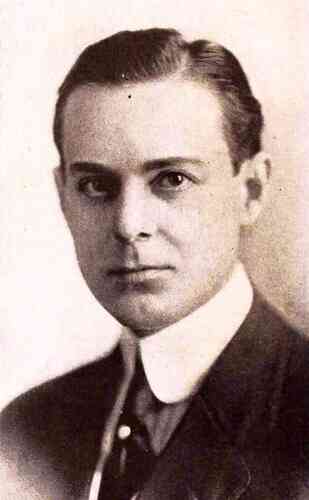
George Probert
actor
- Born:
- 1870-04-04, Erie, Pennsylvania, USA
- Died:
- 1949-05-12, Erie, Pennsylvania, USA
- Professions:
- actor
Biography
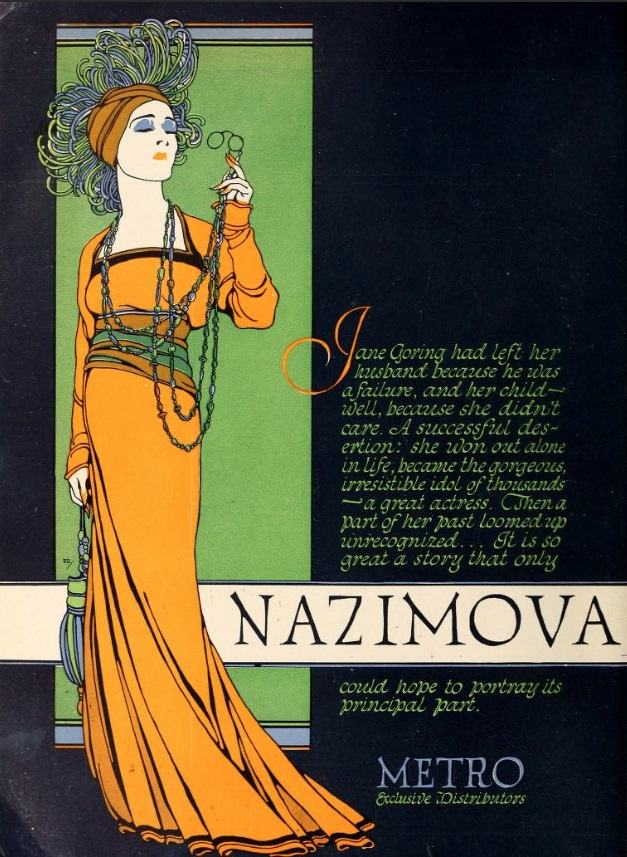
George Probert’s first love was greasepaint, not celluloid. In his twenties he crisscrossed the map with trunk, scripts, and ticket stubs, trading Omaha try-outs for Manhattan footlights until, at twenty-five, he finally stepped onto a Broadway stage. The lights were bright but the contracts short: “Brewster’s Millions” kept the marquee lit from March through July 1907, and “Samson” roared from September 1908 into the following winter—two hits that still couldn’t pay the next month’s rent. Between gigs he climbed back into trains bound for Schenectady, Savannah, Spokane, wherever a company needed a reliable leading man and the salary was steady. Hollywood beckoned once, twice, three times, then vanished. In late August 1915 Pathe’s New York unit stuffed him into a three-picture sprint: *The Spender* shot in haste, released in October, followed in rapid fire by two more quickies, the last of them, *The King’s Game*, wrapped by November. With the chill of an East-Coast winter and no fresh screen offers, Probert slammed the lid on cinema and rejoined the touring circuit. A fluke summons arrived five years later—Alla Nazimova wanted color around her for the self-financed *Madame Peacock*. He supplied it, collected the check, and was gone before the critics finished counting the production’s sins. Four films, total; he never looked back. For the next three and a half decades he lived by the suitcase: regional rep, occasional Broadway calls, and long stretches where the only certainty was the sound of train whistles. At fifty-six he vowed to stay put, even if it meant signing on with the Federal Theatre Project—Roosevelt’s WPA lifeline for actors hungry and stage doors shuttered. Welles and Houseman were threading Shakespeare with voodoo on neighboring stages; Probert simply needed the union wage. The gamble paid off when Theodore Pratt’s hurricane-laced drama *The Big Blow* blew into Maxine Elliott’s Theatre and stayed 157 performances—his longest run since the silents. The triumph that finally stamped his name on posterity arrived a year later: Moss Hart and George S. Kaufman’s *The Man Who Came to Dinner* opened at the Music Box in October 1939 and kept him employed for the entire 739-performance marathon. When the curtain rang down in 1941, Probert was sixty-two, pensioned with applause and a final paycheck. No road-show itineraries survive after that; the spotlight simply dimmed, and George Probert walked off into the wings, suitcase finally closed for good.
Filmography
In the vault (1)
Knowledge Base
Frequently Asked Questions about George Probert
Community
Comments
Log in to comment.