
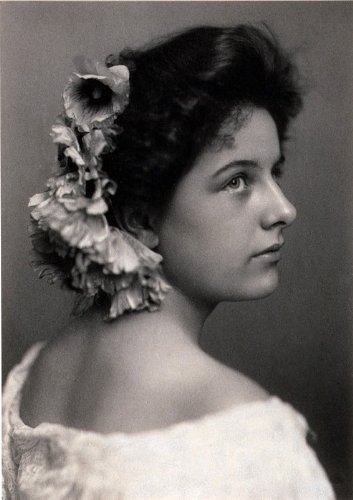
Geraldine Farrar
actress, soundtrack
- Birth name:
- Alice Geraldine Farrar
- Born:
- 1882-02-28, Melrose, Massachusetts, USA
- Died:
- 1967-03-11, Ridgefield, Connecticut, USA
- Professions:
- actress, soundtrack
Biography
Geraldine Farrar’s voice first cracked open in Boston’s public classrooms, then soared under the tutelage of a formidable parade of teachers—Mrs. J. H. Long, the Spanish maestro Trabadello, the steadfast Emma Thursby, Lilli Lehmann, and finally Graziani. At twenty, the Royal Opera House in Berlin handed her a spotlight and Marguerite’s grief in *Faust*; the curtain rose on 17 October 1901 and a new American star was minted in German chandeliers. New York claimed her next. From 1906 until the spring of 1922 she ruled the Metropolitan’s boards, trading innocence for passion in roles that audiences carried home like lockets. When the world went to war, she swapped satin for wool, rolling bandages for the Red Cross and steering ambulances for the AWVS between recitals that kept home-front spirits from buckling. Later, lecturing from coast to coast, she stitched stories of music, nationalism, and womanhood into one restless itinerary. Ink proved as persuasive as song. Two memoirs carry her voice beyond the footlights, and in 1936 ASCAP enrolled her as composer. She raided the piano works of Rachmaninoff for “Ecstasy of Spring,” “The Tryst,” “The Alder Tree,” “The Mirage,” “Oh, Thou Field of Waving Corn,” “Morning,” “The Fountain,” “The Dream,” “Love Comes and Goes,” and “Here Beauty Dwells.” Fritz Kreisler’s violin yielded “The Whole World Knows,” “Dear Homeland,” and “Fair Rosemarin,” while Mussorgsky supplied the thread for “Tears.” Each song is a snapshot of Farrar’s gift: the soprano’s ear for line married to a storyteller’s heart.
Filmography
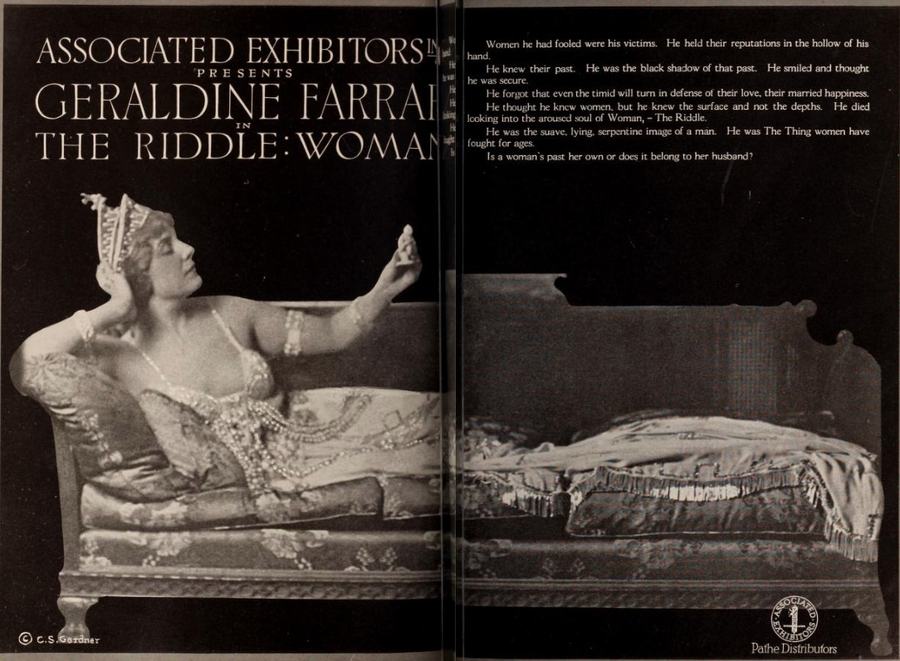
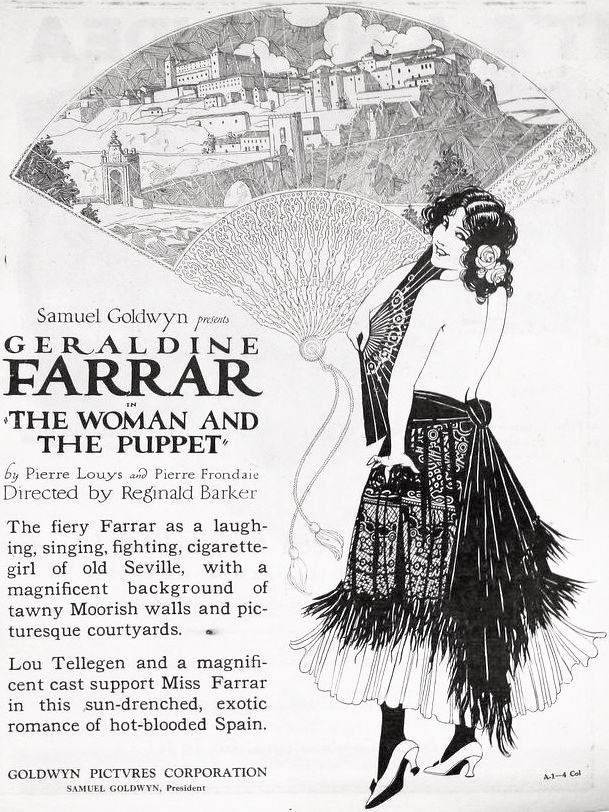
In the vault (2)
Knowledge Base
Frequently Asked Questions about Geraldine Farrar
Community
Comments
Log in to comment.