Harold Meade
actor
- Birth name:
- Harold Meadmore
- Born:
- 1875, Hampstead, London, England, UK
- Died:
- 1944-03-22, Darlinghurst, Sydney, New South Wales, Australia
- Professions:
- actor
Biography
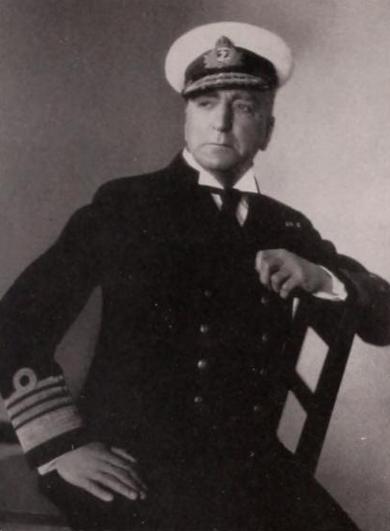
Harold Meadmore began life in 1875 among the book-lined streets of Hampstead, the London-born son of a ledger-keeping father who balanced Australian invoices and a Normandy mother who still carried the scent of Rouen. From the quiet Meadmore clan of Herefordshire—where futures were measured in acres and ink—he alone traded security for greasepaint. Between the 1881 census snapshot of a six-year-old in knickerbockers and his 1914 surfacing as the heavy-drinking miner in California’s Salomy Jane, the record melts into fog; somewhere in that haze he shrugged off Meadmore and pinned on Meade. May 1915 found him back in London, signing the Paddington register as Harold Brabazon Meade beside Mary Kathleen Clarke. The ink scarcely dried before the union cracked; by 1921 the Supreme Court was asked to restore what was already beyond repair, and the marriage dissolved in a hush of gavel and paper. Yet cameras still beckoned. The same year he courted Mary he wooed the lens, starring in The Rose of the Misty Pool for the California Motion Picture Corporation and skulking through Mignon as Lothario’s sly servant. The twenties rang in London applause. West-End playbills listed him as Adolphe, Baron Martin in Ladislas Fodor’s Home Affairs (Everyman, 1925) and immortalised him as the cunning Squarcio in the world-premiere of Shaw’s The Glimpse of Reality (Arts Theatre, 1927). On 22 September 1929 he stepped off a Canadian train into Buffalo, U.S. immigration card in hand—a single beige slip that quietly whispered, “Born Harold Meadmore.” Three nights later he strode onto Broadway’s Maxine Elliott Theatre stage in Monckton Hoffe’s Many Waters, Charles B. Cochran’s latest gamble. The following year he sailed toward the Southern Cross. Australia—his father’s old posting, his brother Clement’s adopted home—became his third act. In his mid-fifties he sang, acted, and broadcast from Sydney studios, ageing gracefully under klieg lights and footlights alike. In 1939, in Woollahra’s shade, he married Irene Pearl Cahill; the pair settled in Darlinghurst while he slipped into his final screen roles: the ramrod Colonel Bryant in Seven Little Australians and the hapless Mr Inchape in Gone to the Dogs. War clouds rolled, cameras stopped, and on 22 March 1944 the curtain fell. He lies in Botany Church of England Cemetery, Sydney—an English-French farmer’s boy who followed a spotlight clear across the world and, for a spell, made it stay.
Filmography
In the vault (7)