Harry Davenport
actor, director, soundtrack
- Birth name:
- Harold George Bryant Davenport
- Born:
- 1866-01-19, New York City, New York, USA
- Died:
- 1949-08-09, Los Angeles, California, USA
- Professions:
- actor, director, soundtrack
Biography
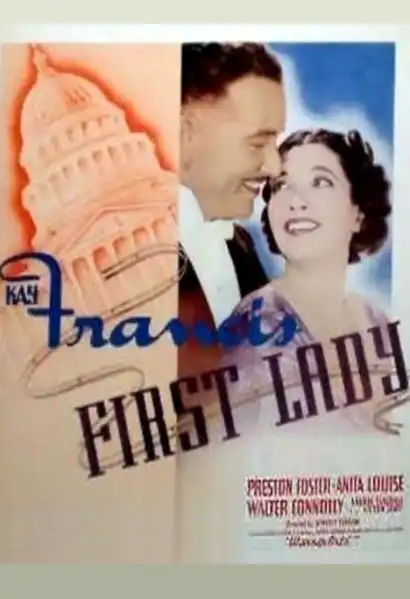
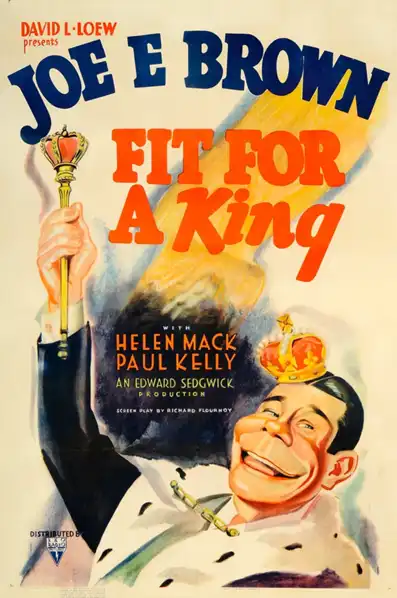
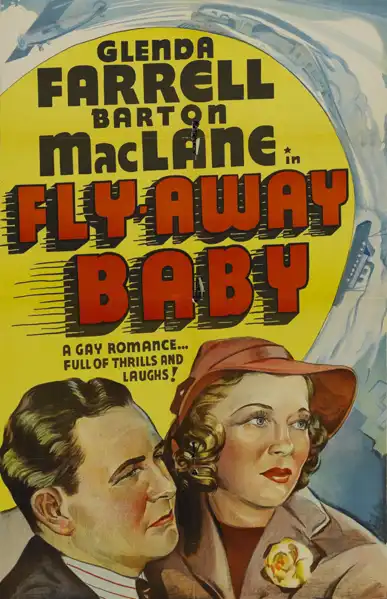
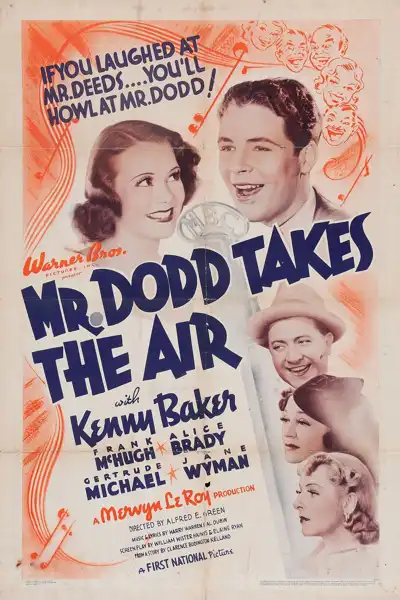
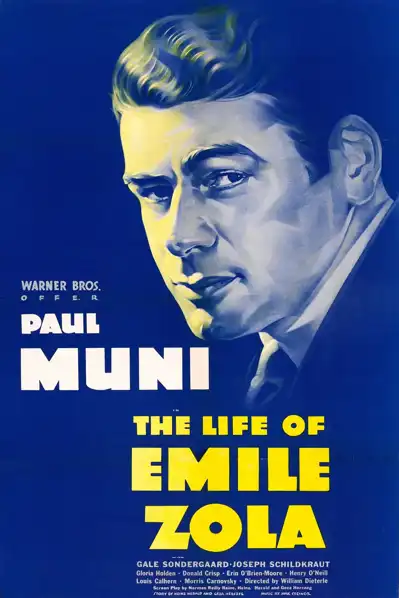
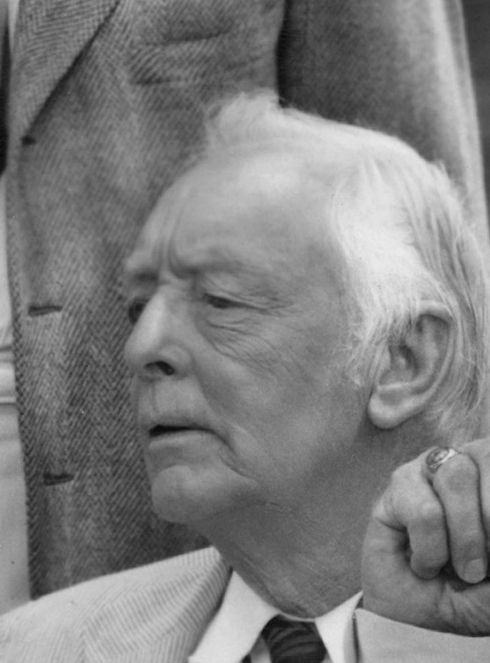
While many actors peak early, Harry Davenport’s cinematic stardom didn’t ignite until he was 70. Yet, he spent his final years making up for lost time, amassing more than a hundred credits between the dawn of sound and his 1949 passing. He became Hollywood’s beloved patriarch, a performer who could shift effortlessly from a mischievous, twinkle-eyed grandfather in comedies to a figure of solemn authority—playing judges, doctors, ministers, and senators with a comforting wisdom. Born Harold George Bryant Davenport on January 19, 1866, in New York City, he was the heir to a formidable theatrical legacy. His parents, Edward Loomis Davenport (1815-1877) and Fanny Vining (1829-1891), raised a family where seven of nine children pursued the arts, including his actress sister Fanny (1850-1898) and opera singer Lillie (1851-1927). Harry’s own stage journey began at age five in a Philadelphia production of 'Damon and Pythias' (1871), and by his teenage years, he was already performing Shakespeare in stock companies. After establishing himself in New York, Harry’s personal life mirrored the drama of the stage. A three-year marriage to actress Alice Shepard (also known as Alice Davenport) in 1893 produced a daughter, Dorothy Davenport, who extended the family dynasty by marrying silent film star Wallace Reid. Following his 1896 divorce, Harry wed musical comedy star Phyllis Rankin (1875-1934). Their children—Kate, Edward, and Fanny—all followed in their footsteps as actors. Harry’s Broadway career was a whirlwind of activity, beginning with 'The Voyage of Suzette' (1894) and including musical hits like 'The Belle of New York' (1897), 'In Gay Paree' (1899), and 'The Rounders' (1899), often appearing alongside Phyllis. The turn of the century brought more musical roles in 'The Girl from Up There' (1901), 'The Defender' (1901), 'The Girl from Kay’s' (1903), 'It Happened in Nordland' (1904), 'My Best Girl' (1912), 'Sari' (1914), and 'The Dancing Duchess' (1914). His versatility was evident in everything from 'A Country Mouse' with Ethel Barrymore to dramas like 'The Next of Kin' (1909) and 'Children of Destiny' (1910). Beyond his own performances, Harry was a fierce advocate for his profession. Alongside vaudeville legend Eddie Foy, he co-founded the Actor’s Equity Association to combat the exploitation of performers. The resulting industry strikes and a desire for new opportunities led him to Vitagraph in 1914, where he debuted in 'Too Many Husbands.' He spent the next year directing and starring in 'Jarr Family' shorts before his final silent appearance in an unbilled part in 'Among Those Present' (1921). He then returned to the stage, finding success in 'Lightnin’' and 'Three Wise Fools' (1918), and continued through the 1920s in plays like 'Thank You,' 'Cock O' the Roost,' 'Hay Fever,' and 'Julius Caesar.' The loss of his wife Phyllis in 1934 prompted 69-year-old Harry to seek a fresh start in California. This late-career move proved brilliant, as he became a staple of Golden Age cinema. His filmography includes 'The Life of Emile Zola' (1937), 'You Can't Take It with You' (1938), 'The Hunchback of Notre Dame' (1939), 'Gone with the Wind' (1939), 'All This, and Heaven Too' (1940), 'Foreign Correspondent' (1940), 'One Foot in Heaven' (1941), 'Kings Row' (1942), and 'The Ox-Bow Incident' (1943). His professional life remained a family affair; his brother-in-law Lionel Barrymore appeared in several of his films, and 'Gone with the Wind' featured both his son and grandson. Harry worked until his death from a heart attack at age 83 on August 9, 1949. He was returned to New York for burial in Valhalla, leaving behind a legacy as one of the screen’s most enduring character actors.
Filmography
In the vault (22)