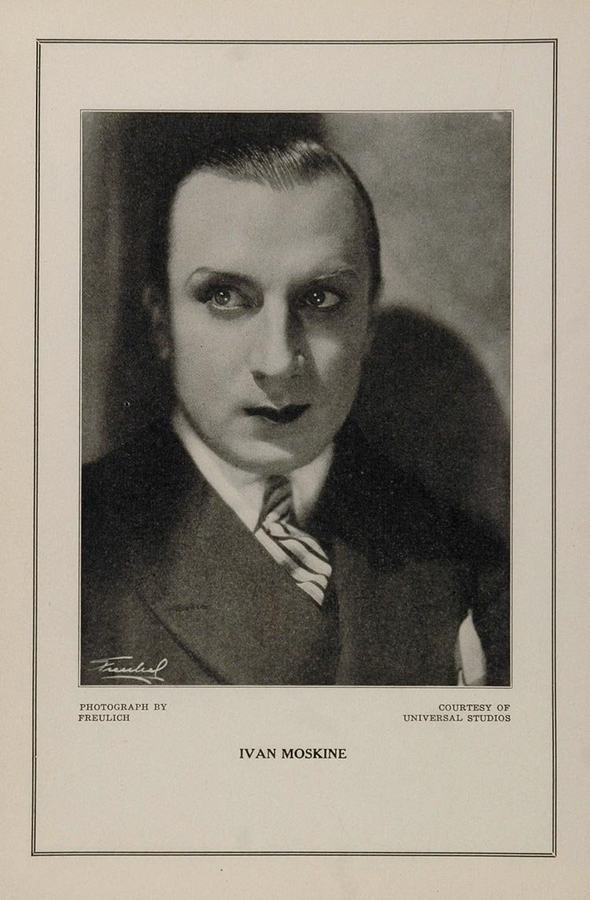
Ivan Mozzhukhin
actor, director, writer
- Birth name:
- Ivan Ilyitch Mozzhukhin
- Born:
- 1889-09-26, Penza, Russian Empire [now Russia]
- Died:
- 1939-01-18, Neuilly-sur-Seine, France
- Professions:
- actor, director, writer
Biography
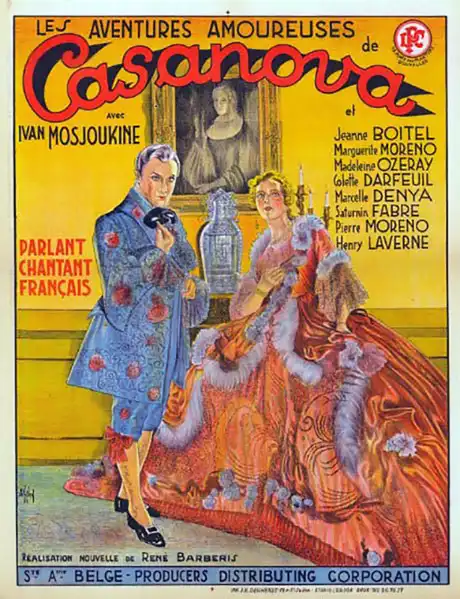
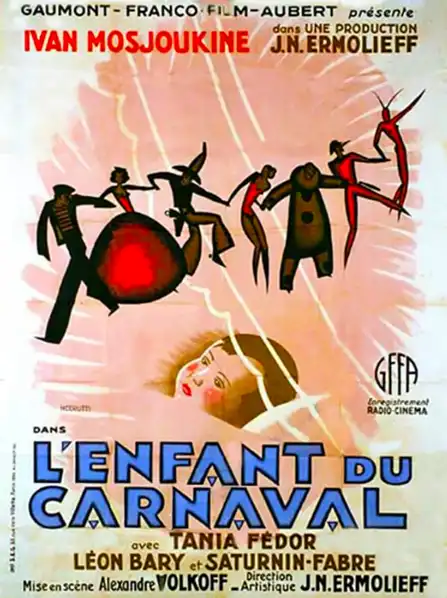
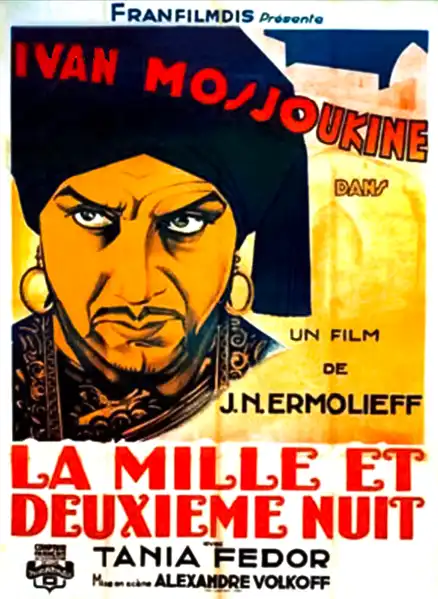
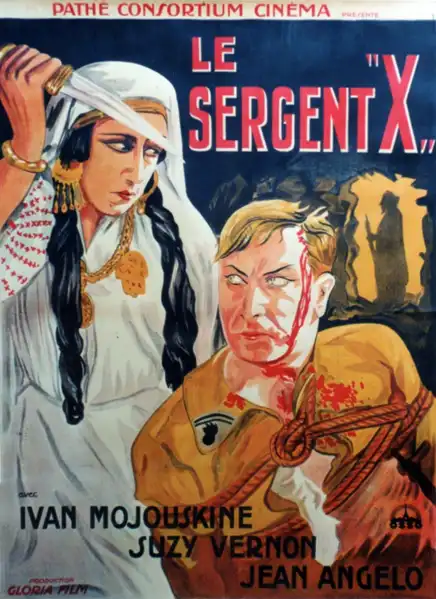
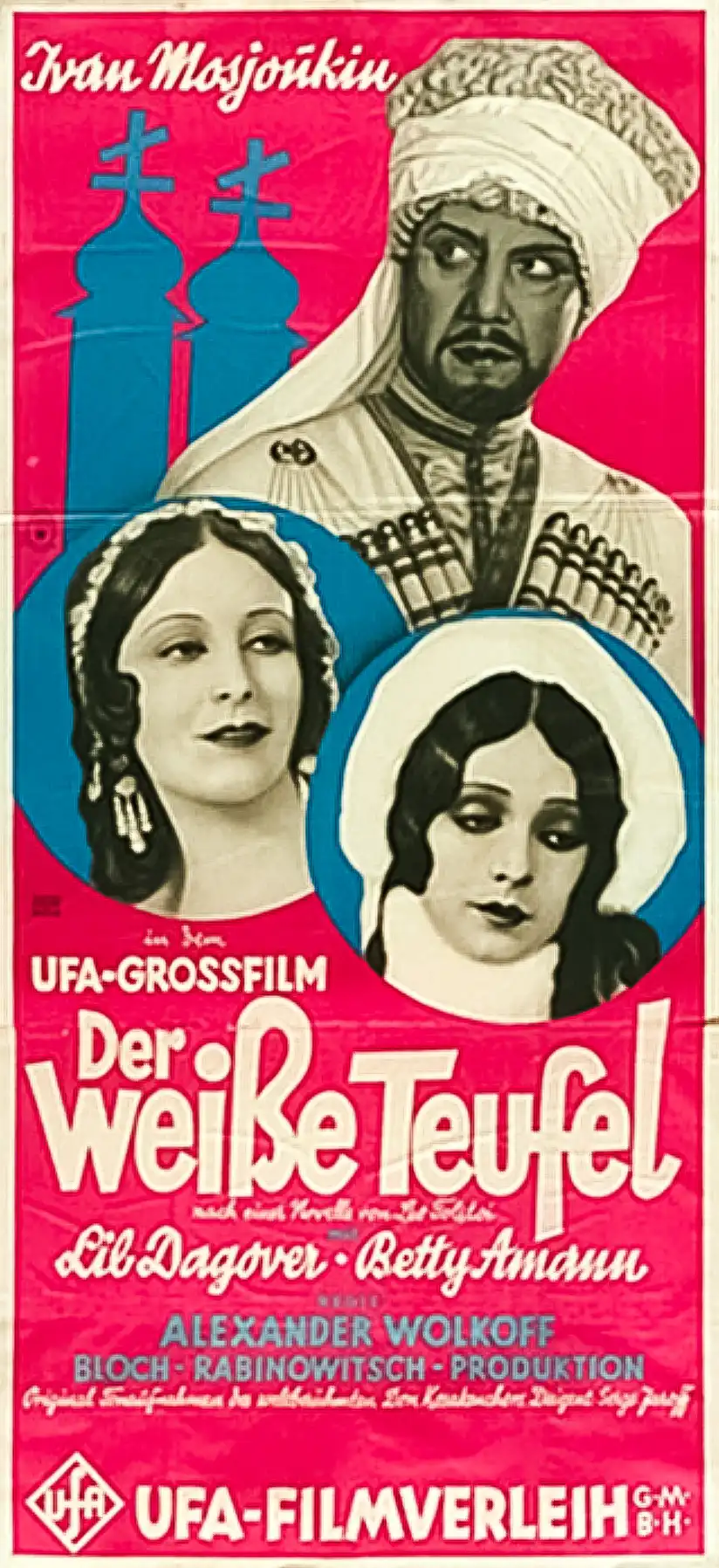
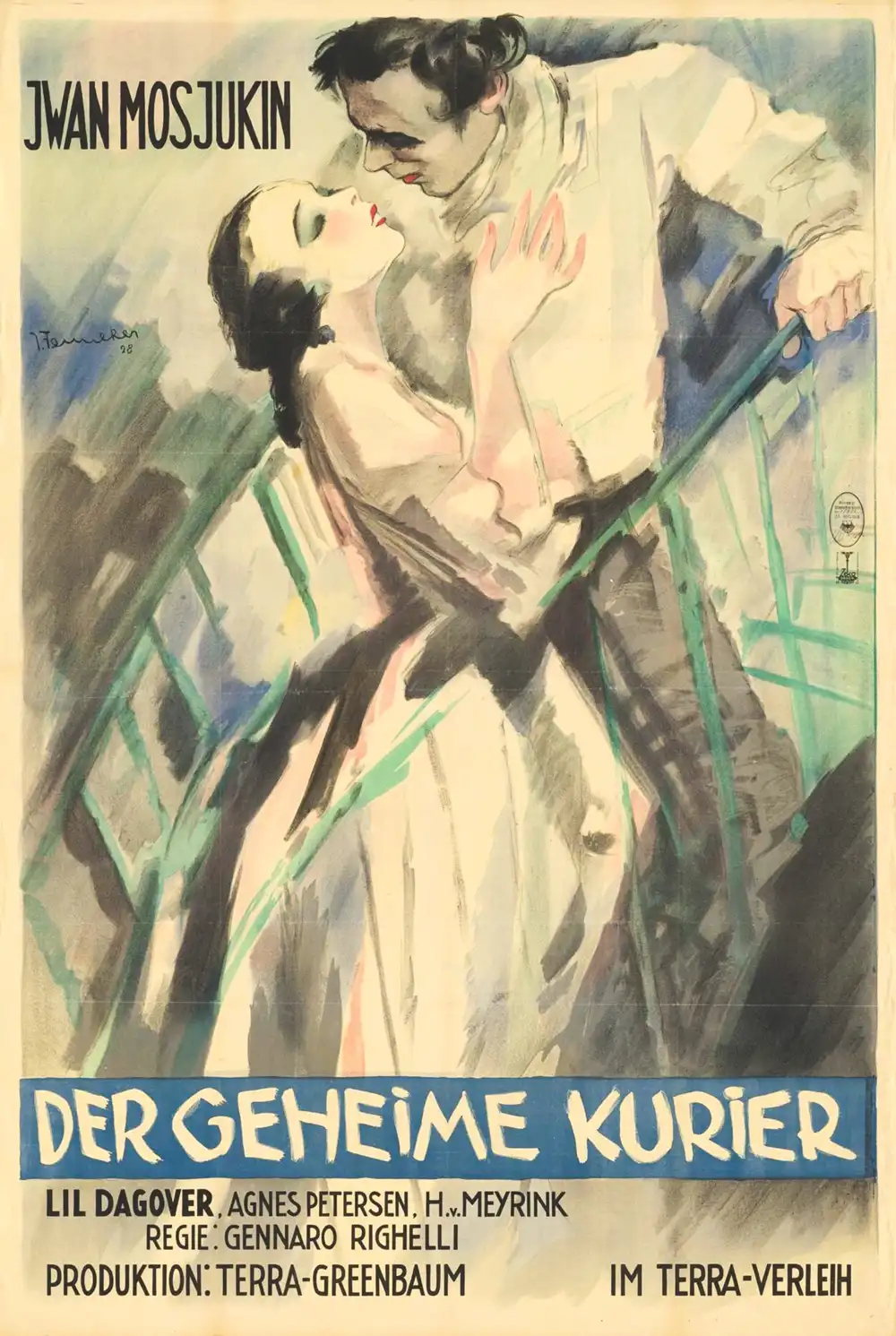
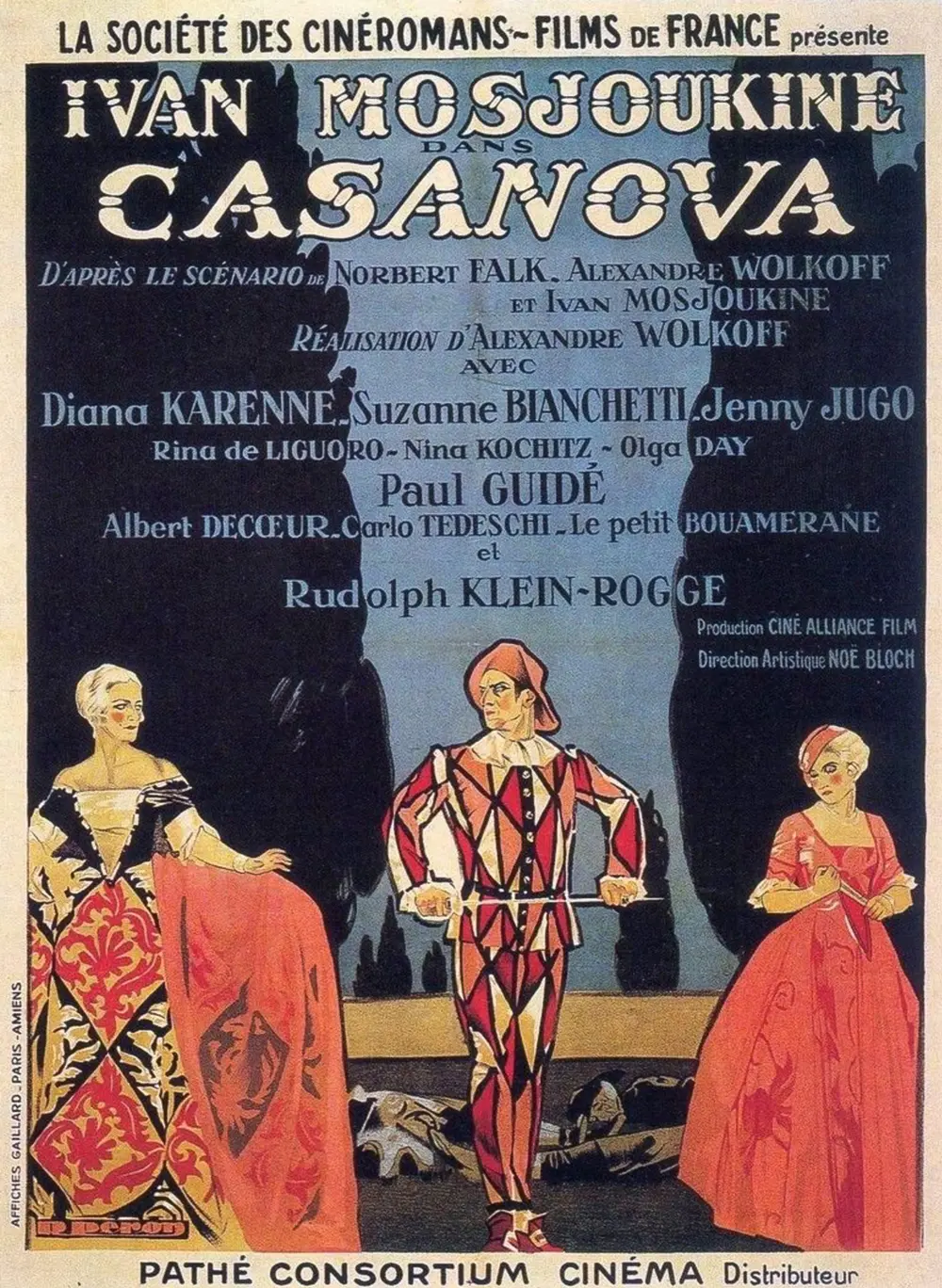
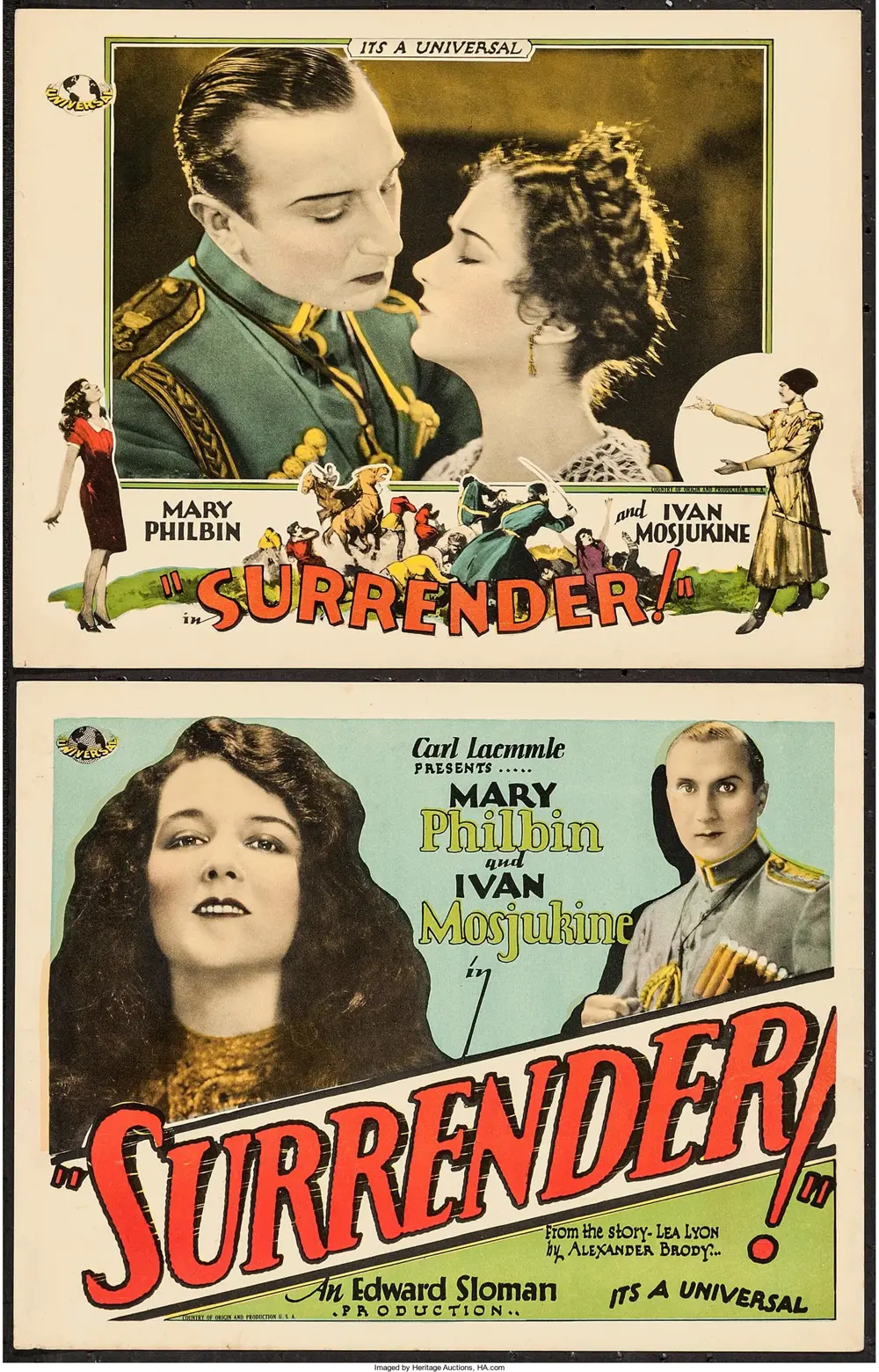
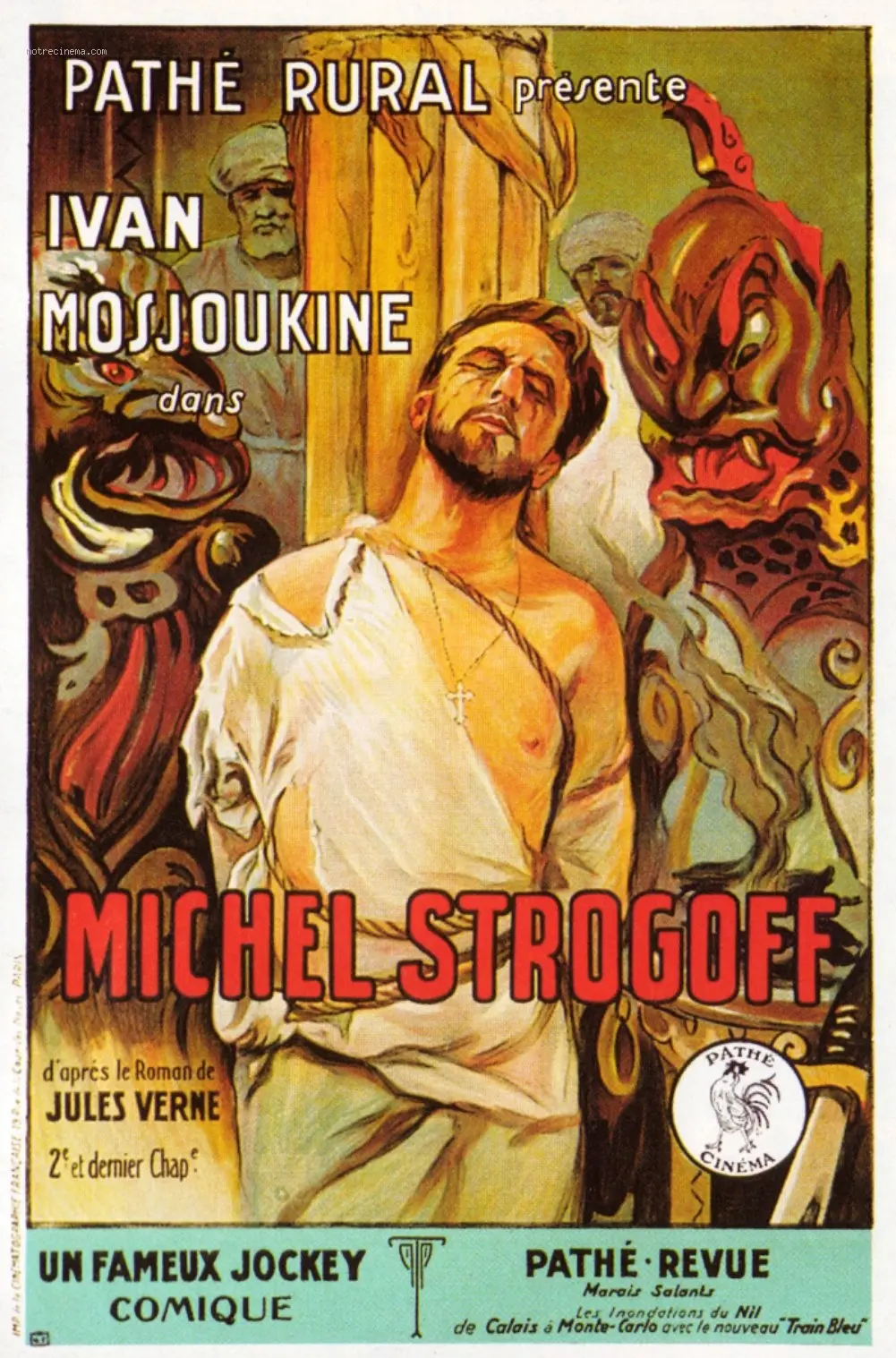
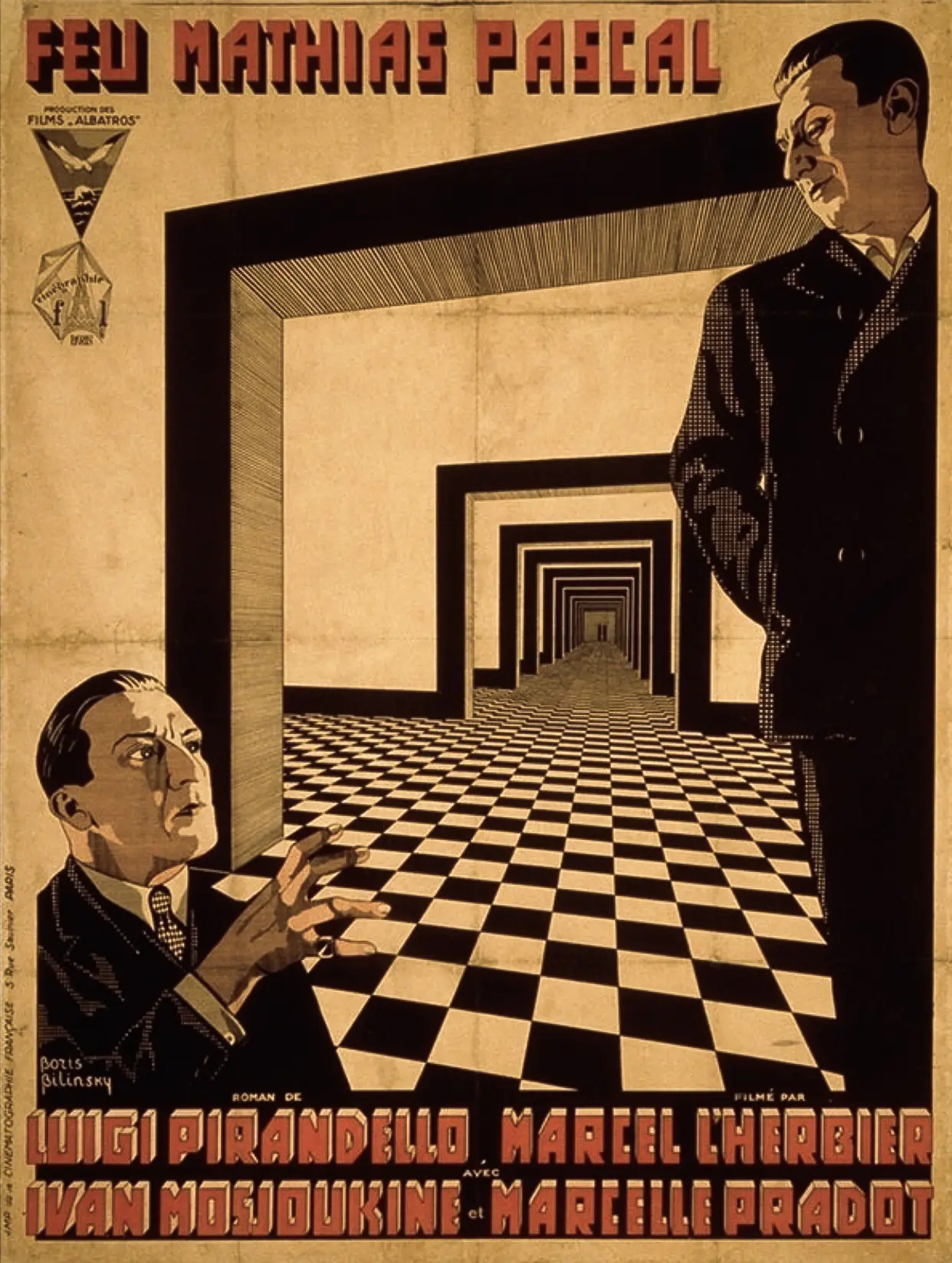
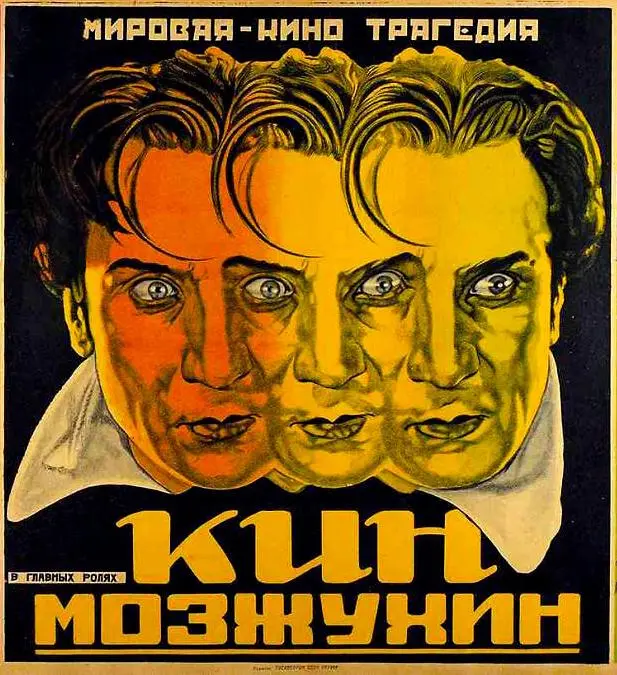
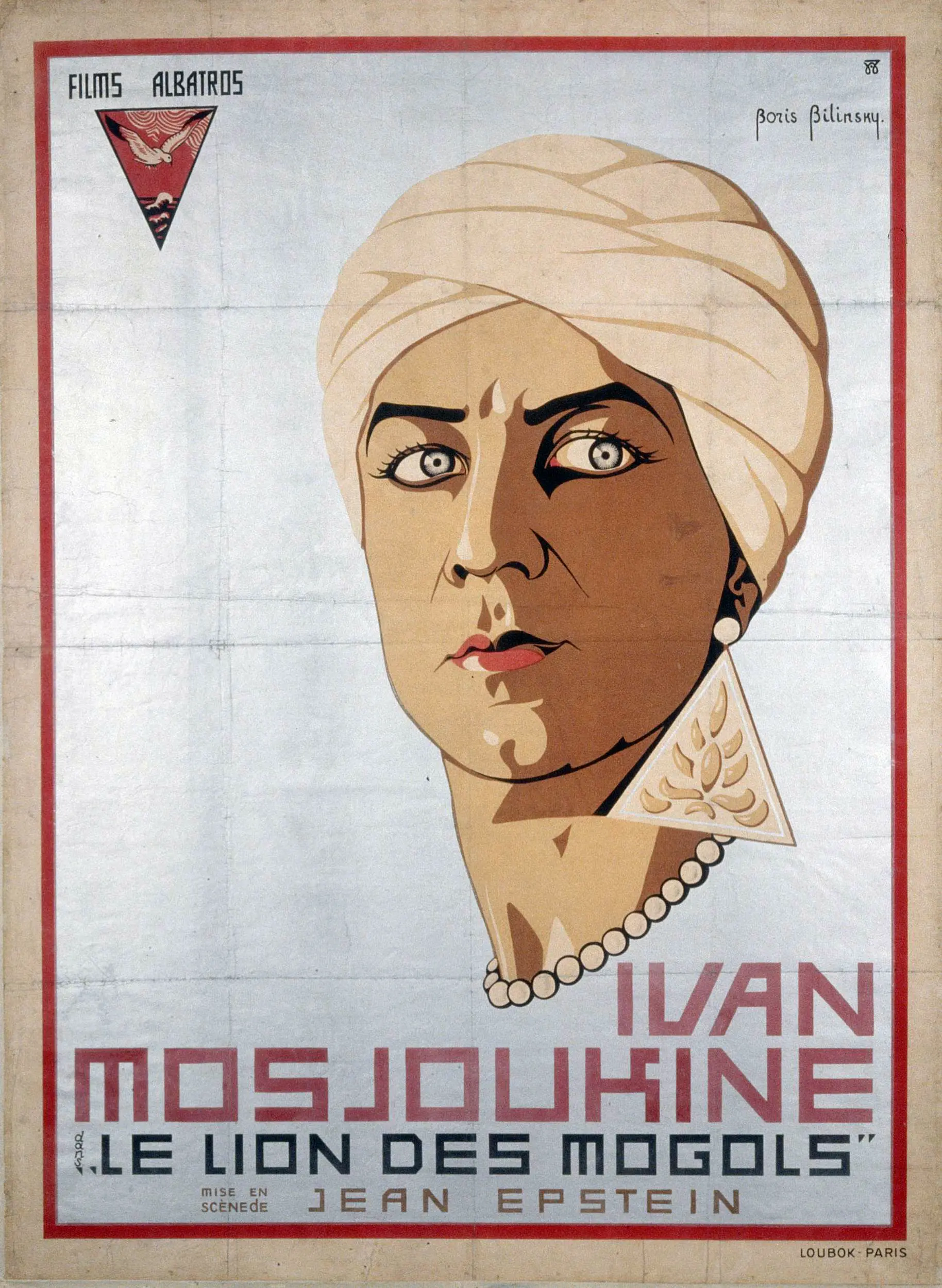
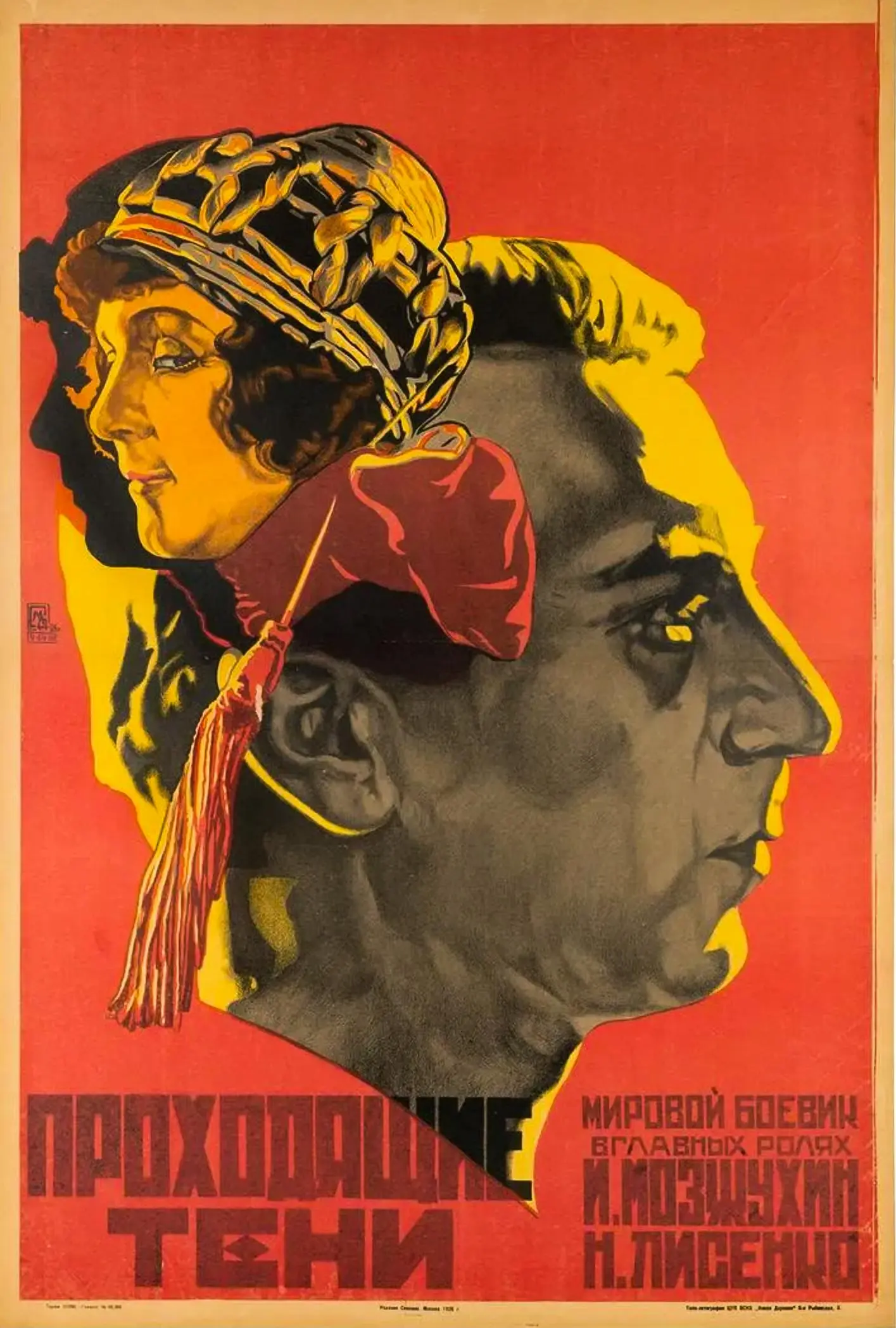
"Ivan Mozzhukhin, a titan of early Russian cinema, carved a legendary path through the silent film era, famously escaping the clutches of the Soviet Red Army to forge an illustrious career across Europe." "Born Ivan Ilyich Mozzhukhin on September 26, 1889, in the village of Kondol, then part of Saratov province (now Penza province), Russia, his early life was shaped by his father's role as general manager of Prince Obolensky's vast estate. His academic pursuits began at an all-boys Gymnasium in Penza, followed by two years at the Law School of Moscow University. It was here that his passion for the stage ignited, leading him to amateur theatricals, a touring troupe, and eventually a membership with Moscow's Vvedensky Narodny Dom Theatre. His cinematic journey commenced in 1908, and between 1911 and 1914, he became a fixture in producer Aleksandr Khanzhonkov's films. Mozzhukhin's star ascended dramatically with his compelling portrayal of violinist Trukhachevsky in Pyotr Chardynin's *Kreytserova sonata* (1911), an adaptation of Lev Tolstoy's poignant story. The same year saw him embody Adm. Kornilov in *Defense of Sevastopol*, paving the way for over 30 more silent features under the direction of Chardynin, Yevgeny Bauer, and Khanzhyonkov." "By the mid-1910s, Mozzhukhin was the undisputed luminary of Russian cinema, sharing the screen with esteemed partners such as Diaghilev's celebrated ballerina Vera Karalli and his own wife, Nathalie Lissenko. His nuanced facial expressions became a masterclass, meticulously studied by aspiring actors and seasoned directors alike. From 1915 to 1919, he collaborated on approximately 40 films with directors Yakov Protazanov and Viktor Tourjansky, all under the discerning eye of the legendary Russian producer Joseph N. Ermolieff. His most enduring works from this Russian period include Protazanov's critically acclaimed *Queen of Spades* (1916) and *Otets Sergiy* (1918). While his immense popularity brought him considerable wealth, it also came with its own set of pressures, including a notorious reputation for numerous romantic entanglements with his ardent admirers." "The year 1918 marked a cataclysmic shift in Russia, as the Communist revolution wrought irreversible devastation upon cultural and economic life. Seeking refuge, Mozzhukhin relocated to Yalta, Crimea, under the protection of the anti-Communist White Russian forces, where he continued his collaboration with Ermolieff amidst the tumult of the Russian Civil War. Simultaneously, Soviet leader Vladimir Lenin decreed the nationalization of all film studios, their films, and assets, converting them into tools for state propaganda. Consequently, the majority of Mozzhukhin's seventy films were seized or censored. Ironically, fragments of his work, particularly his evocative facial expressions, were later famously utilized by Lev Kuleshov to illustrate the foundational principles of film editing, a phenomenon now universally recognized as the Kuleshov Effect." "Despite the profound personal loss of his property following the revolution, Mozzhukhin persevered, working with Ermolieff in Yalta until late 1919. However, with the relentless advance of the Red Army into Crimea and their breakthrough to Yalta, he joined the White Russians in a desperate flight from the newly communist Russia at the close of the Civil War. In a remarkable act of preservation, he managed to salvage a few rolls of his silent films, carrying them aboard the Greek steamer *Pantera* in February 1920. This perilous exodus saw him depart Russia alongside his colleagues from the Ermolieff film company: his wife Nathalie Lissenko, actors Nicolas Koline and Nicolas Rimsky, actress Nathalie Kovanko, cinematographer Nikolai Toporkoff, director Viktor Tourjansky, and producer Joseph N. Ermolieff. Together, they embarked on a new chapter in Paris, France, establishing a Russian-French film company." "In 1926, the allure of Hollywood beckoned with a lucrative contract from Universal Pictures, casting Mozzhukhin as the male lead in *Surrender* (1927). Yet, his American sojourn proved ill-fated. Studio producers pressured him to adopt the Anglicized stage name John Moskin, a demand he resisted. Furthermore, a palpable lack of chemistry between Mozzhukhin and his co-star Mary Philbin was evident on screen. As Hollywood teetered on the brink of the transition from silent films to talkies, Mozzhukhin's inability to speak English sealed his fate, leading to no further roles and his subsequent return to Europe. The acclaimed Aleksandr Vertinskiy later speculated that Mozzhukhin's struggles in Hollywood stemmed from a concerted conspiracy by the industry's power brokers to neutralize a formidable international competitor." "By 1939, Mozzhukhin's prolific career spanned over 100 films, produced across Russia, France, Italy, the United States, Germany, and Austria. He continued to grace the screen in 1930s talkies, though his success never quite mirrored the zenith of his silent film fame. Beyond acting, he penned screenplays for several of his films and harbored plans to direct a project in France. Tragically, this aspiration was cut short when he contracted a severe form of tuberculosis, leading to his hospitalization. Ivan Mozzhukhin succumbed to the illness in a Paris clinic on January 17, 1939, finding his final resting place in the Russian Cemetery at Sainte-Geneviève-des-Bois, Paris, France." "Today, Mozzhukhin's childhood home in Kondol, Penza province, stands meticulously restored as the public Memorial Museum of Ivan Mozzhukhin. Since the 1990s, the museum has hosted annual screenings of his cinematic legacy, affectionately known as Mozzhukhin's Festivities, ensuring his artistry continues to captivate new generations."
Filmography
In the vault (20)