
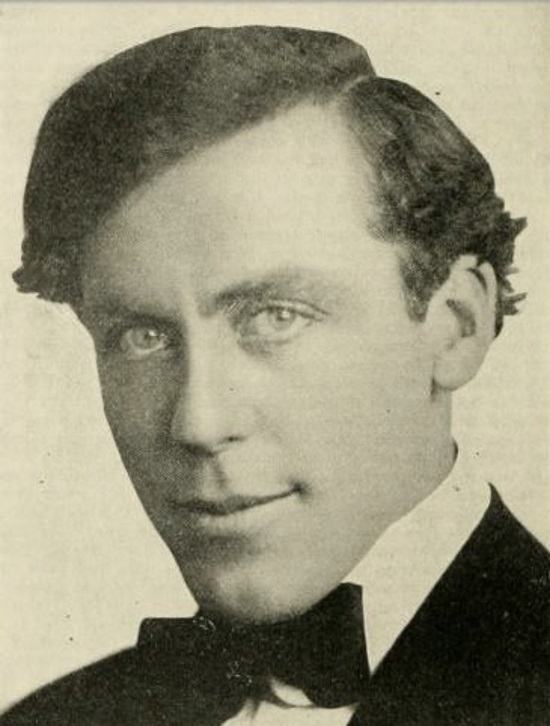
Jack Conway
actor, director, producer
- Birth name:
- Hugh Ryan Conway
- Born:
- 1887-07-17, Graceville, Minnesota, USA
- Died:
- 1952-10-11, Pacific Palisades, California, USA
- Professions:
- actor, director, producer
Biography
[ "Before he became a mainstay of the Metro-Goldwyn-Mayer stable, the man born Hugh Ryan Conway began his journey as a son of Irish heritage with an early appetite for the stage. Following high school, he dove into repertory theater before making his cinematic debut in 1909. By 1911, he had secured a spot in D.W. Griffith’s stock company, frequently appearing as a leading man in the era’s silent westerns. Conway transitioned to directing in 1913, honing his craft at Universal during two separate stints (1916–1917 and 1921–1923) before joining MGM in 1925. There, he would spend the next twenty-three years as a reliable architect of the 'studio look.'\n\nUnlike the era’s more temperamental auteurs, Conway flourished under the strict oversight of Irving Thalberg and Louis B. Mayer. While the studio heads viewed individualistic directors like Erich von Stroheim as financial risks, Conway—alongside colleagues like Sam Wood and Robert Z. Leonard—was celebrated for his efficiency and technical competence. He delivered hits on schedule and within budget, a reputation that earned him the honor of helming MGM’s debut sound feature, Alias Jimmy Valentine (1928). \n\nConway’s tenure at MGM, which lasted until 1948, was defined by high-profile assignments and a successful partnership with the studio’s top star, Clark Gable. Together, they produced a string of box-office hits including Boom Town (1940), Honky Tonk (1941), and The Hucksters (1947). However, his most enduring contribution to cinema remains the 1935 adaptation of A Tale of Two Cities. For the film’s massive Paris mob sequences, Conway managed a staggering 17,000 extras, resulting in a production still considered the definitive screen version of the Dickens classic. \n\nHis versatility was further evidenced by the 1936 comedy Libeled Lady, which featured an all-star cast and earned praise from the New York Times for his 'agile direction.' While he may have prioritized craftsmanship over stylistic rebellion, the enduring appeal of his filmography speaks for itself. Today, his contributions are memorialized with a star on the Hollywood Walk of Fame on Vine Street." ]
Filmography
In the vault (2)
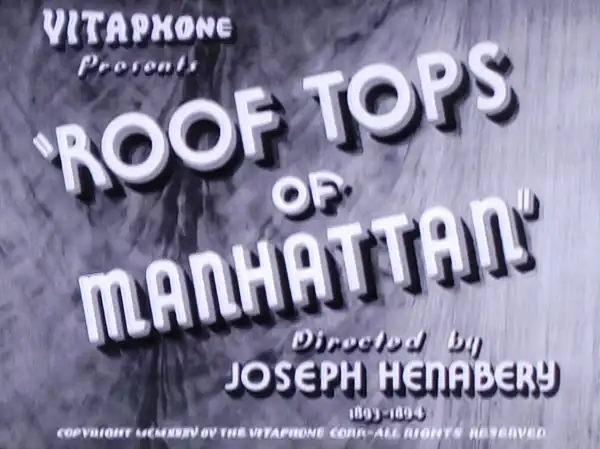
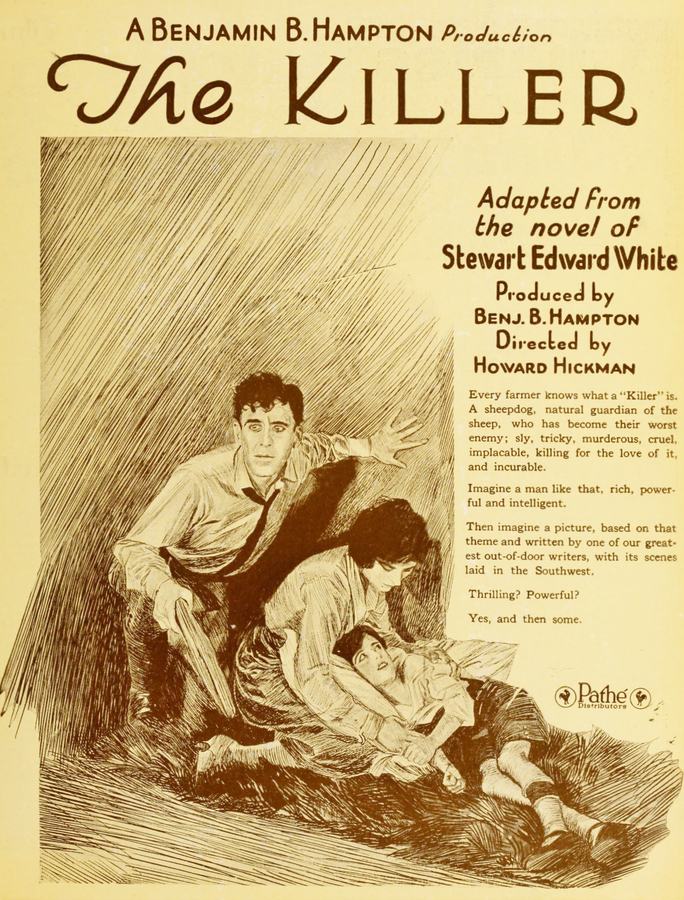
Knowledge Base
Frequently Asked Questions about Jack Conway
Community
Comments
Log in to comment.