
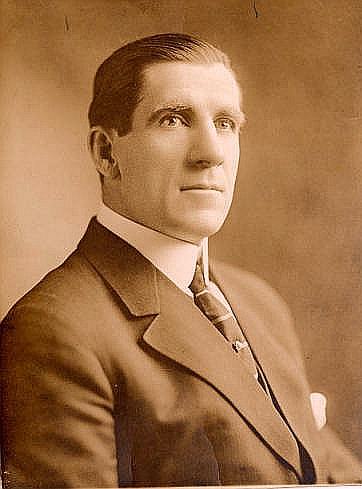
James J. Corbett
actor, writer
- Birth name:
- James John Corbett
- Born:
- 1866-09-01, San Francisco, California, USA
- Died:
- 1933-02-18, Bayside, New York, USA
- Professions:
- actor, writer
Biography
When James J. Corbett stepped into the ring at New Orleans on 7 September 1892, the 196-pound bank teller from San Francisco was expected to become John L. Sullivan’s 34th knockout victim. Instead, he danced, jabbed and counter-punched the 30-pound-heavier legend into exhaustion, toppling the bare-knuckle era and ushering in modern gloved boxing. Overnight the new heavyweight king traded ledgers for footlights, headlining the play “Gentleman Jack” as it zig-zagged across the continent. Between curtain calls he swung a bat for packed houses, nearly securing an outfield spot on the 1894 Baltimore Orioles—brother Joe already pitched for them—until National League owners, still bruised from the Orioles’ 1894 pennant win over the New York Giants, voted him off the roster. Giants manager/shortstop—and Corbett’s lifelong friend—John Montgomery Ward, the era’s other “gentleman athlete,” had helped mastermind the championship that now kept Jim off the diamond. Both men orbited actress Maxine Elliott: Corbett broke from her to wed the woman who would remain his wife; Ward left his marriage for Elliott, igniting tabloid fireworks. A year before his coronation, Corbett risked reputation by meeting Australia’s Peter “The Black Prince” Jackson, the highest-ranked Black heavyweight of the day, and fought him to a 61-round draw—still the longest scientific chess-match in heavyweight history. He surrendered the crown to Bob Fitzsimmons in 1897, then endured the shattering murder-suicide of his parents the following spring. Grief did not dim the marquee lights: Corbett kept Broadway laughing, then lit up early cinema screens. Offstage he helped found the White Rats, the first effective American actors’ union, proving his left hook worked in labor negotiations too. His memoir, “The Roar of the Crowd,” inspired the 1942 film “Gentleman Jim,” with Errol Flynn slipping on the gloves to immortalize the man who made boxing think as well as punch.
Filmography
In the vault (2)
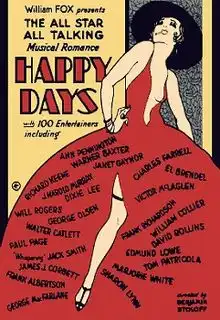
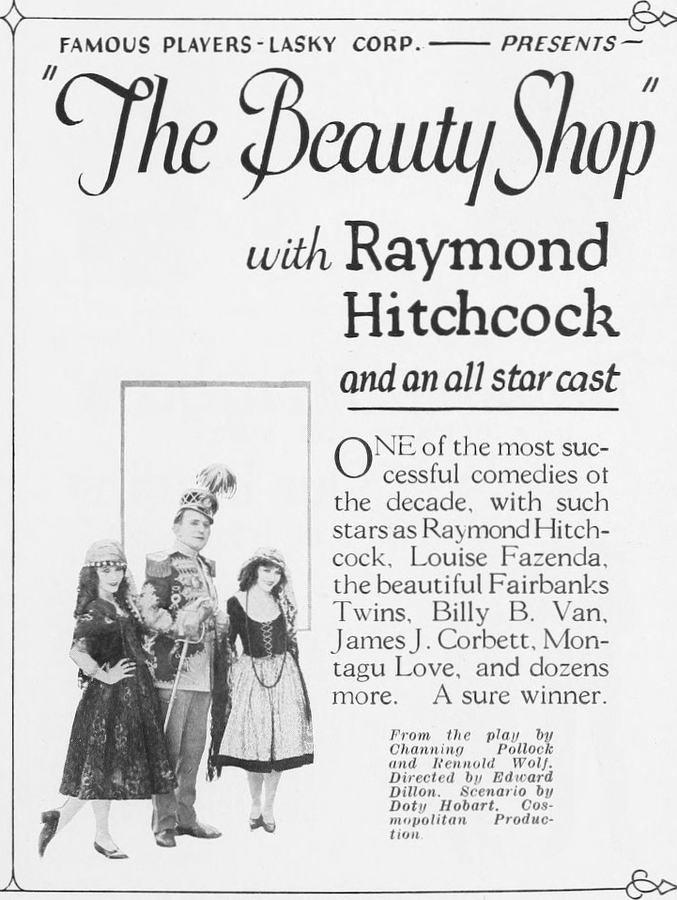
Knowledge Base
Frequently Asked Questions about James J. Corbett
Community
Comments
Log in to comment.