
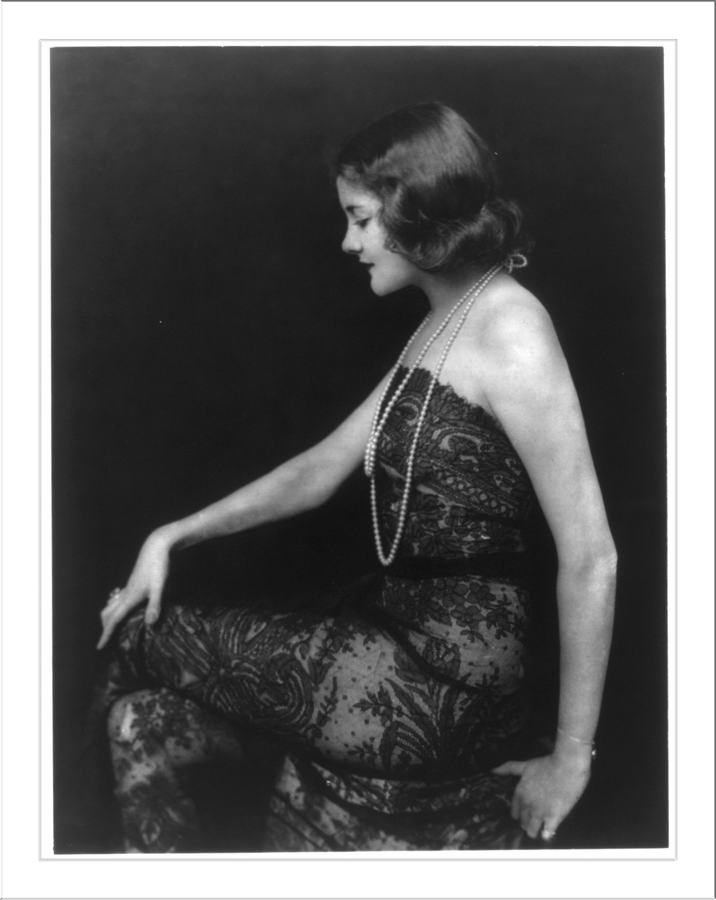
Jeanne Eagels
actress
- Birth name:
- Eugenia Eagles
- Born:
- 1890-06-26, Kansas City, Missouri, USA
- Died:
- 1929-10-03, New York City, New York, USA
- Professions:
- actress
Biography
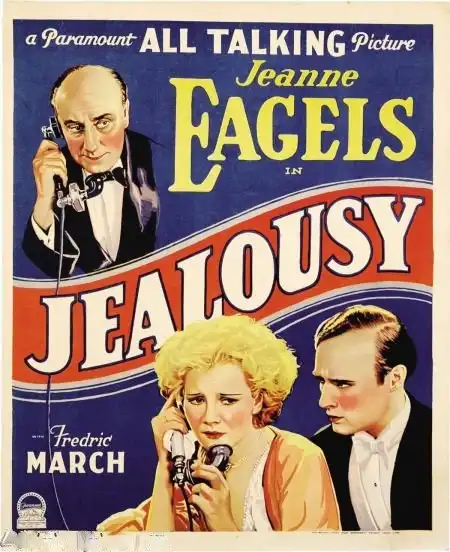
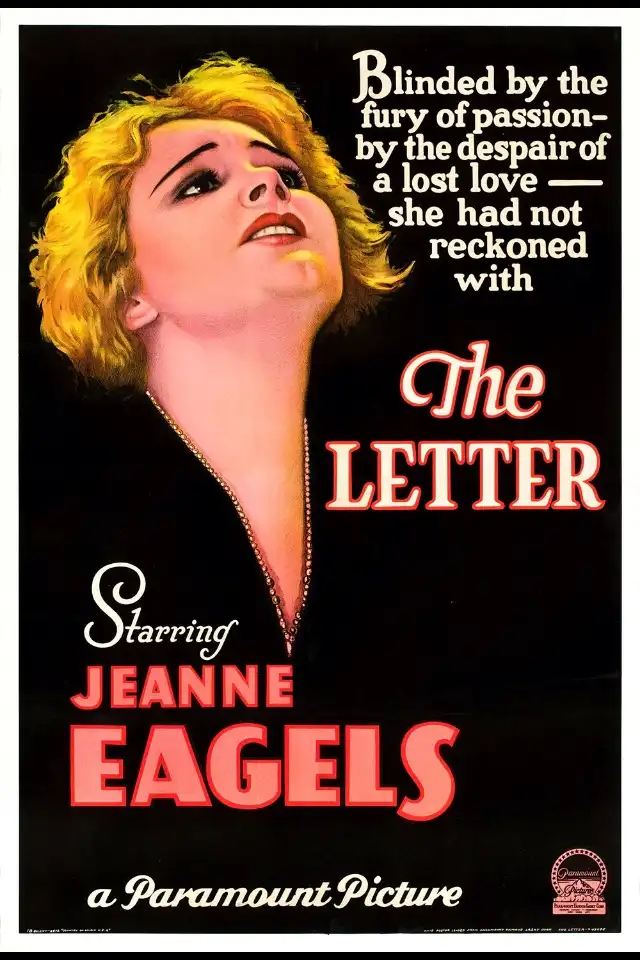
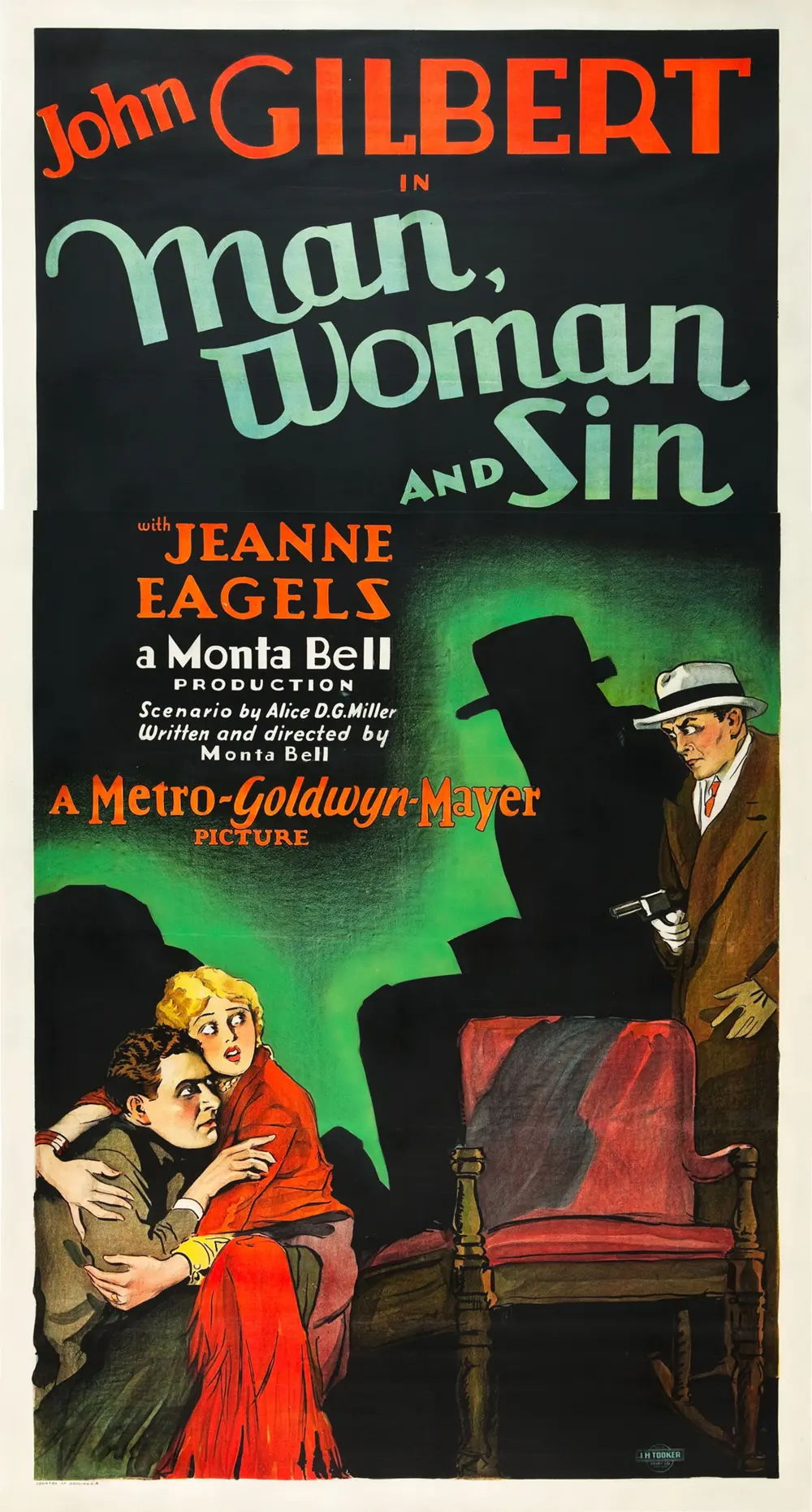
[ "The woman who would eventually ignite the Broadway stage began her journey as Amelia Jean Eagles on June 26, 1890, in Kansas City, Missouri. Born into the struggle of a cash-strapped family of eight, the daughter of Edward and Julia Sullivan Eagles saw her formal schooling end by age eleven, but her true education was already unfolding behind the footlights. Her obsession with the theater was sparked at age seven when she tackled the role of the gravedigger in 'Hamlet'—a part she claimed she won simply because no other child would dare utter Shakespeare’s complex lines. For young Jean, the stage wasn’t just a career; it was the only place she felt she could truly breathe.\n\nBy twelve, she had traded her childhood for the road, joining the Dubinsky Brothers' traveling stock company. Though later Hollywood myths—and the 1957 biopic starring Kim Novak—would falsely claim she started as a carnival dancer, Eagels actually cut her teeth in tent shows that brought high drama like 'Camille' and 'Romeo and Juliet' to the American Midwest. During these formative years, she married the eldest Dubinsky brother, Morris. Their union was brief and tragic, marked by rumors of a lost child—either through adoption or an early death—and Morris’s infidelity, which led to a nervous breakdown and their eventual separation.\n\nEagels arrived in New York City ready for a total reinvention. She shed her past as a divorced mother, dyed her hair blonde, and tweaked her surname to 'Eagels' for better marquee symmetry. She even crafted a fictional lineage, claiming Spanish-Irish roots and the original name 'Aguilar.' Under the tutelage of the legendary David Belasco, she adopted an aristocratic English accent, rising from the chorus lines and Ziegfeld follies to dramatic bit parts in 'Jumping Jupiter' and 'The Mind the Paint Girl.' Despite later claims by co-stars like Leslie Howard that she was a 'raw' talent, Eagels was a disciplined technician who had studied in Paris with Beverly Sitgreaves and perfected her craft through years of regional repertory.\n\nHer ascent continued through the late 1910s, fueled by a rigorous schedule of filming by day and performing on stage by night. While starring in the 1916 film 'The World and the Woman' (an adaptation of her stage hit 'Outcast'), the crushing workload led to chronic insomnia and sinusitis, driving her toward a dangerous reliance on physician-prescribed sedatives and alcohol. Yet, her talent remained undeniable. She became a favorite of the great George Arliss, appearing in his productions of 'The Professor's Love Story,' 'Disraeli,' and 'Hamilton.' By 1920, after successes like 'The Wonderful Thing,' she had achieved true diva status, commanding hushed silence and thunderous ovations upon every entrance.\n\nThe definitive moment of her career arrived on November 7, 1922, with the Broadway premiere of 'Rain.' As the defiant Sadie Thompson, Eagels delivered a performance of such 'magic touch' that it ran for years, totaling over 900 performances in New York alone. She owned the role so completely that later cinematic attempts by Gloria Swanson and Joan Crawford struggled to escape her shadow. However, her personal life remained turbulent. A 1925 marriage to All-American fullback Edward H. Coy proved disastrous, as both struggled with heavy drinking and mutual volatility.\n\nThe final years of the 1920s saw Eagels’ professional discipline unraveling. During the 1926 run of 'Her Cardboard Lover,' her erratic behavior and on-stage drinking strained her relationship with co-star Leslie Howard. In Hollywood, her 1927 collaboration with John Gilbert on 'Man, Woman and Sin' ended in her being fired for absenteeism. The breaking point came in 1928 when she skipped performances in Milwaukee and St. Louis while on a drinking binge, resulting in an 18-month ban from Actors' Equity. Forced off the legitimate stage, she pivoted to vaudeville and the burgeoning 'talkies.'\n\nIronically, the very director who once fired her, Monta Bell, facilitated her cinematic comeback in the 1929 masterpiece 'The Letter.' Her electrifying performance earned her the first-ever posthumous Academy Award nomination for Best Actress. It was to be her final triumph. After undergoing eye surgery to treat complications from her chronic sinusitis, Eagels collapsed and died in a New York hospital on October 3, 1929. The cause was a lethal cocktail of alcohol, chloral hydrate, and heroin. She was only 39. Though her life ended in a haze of controversy and addiction, she remained, in the words of Noël Coward, an actress unlike any other—a 'moment of revelation' for all who saw her perform." ]
Filmography
In the vault (3)
Knowledge Base