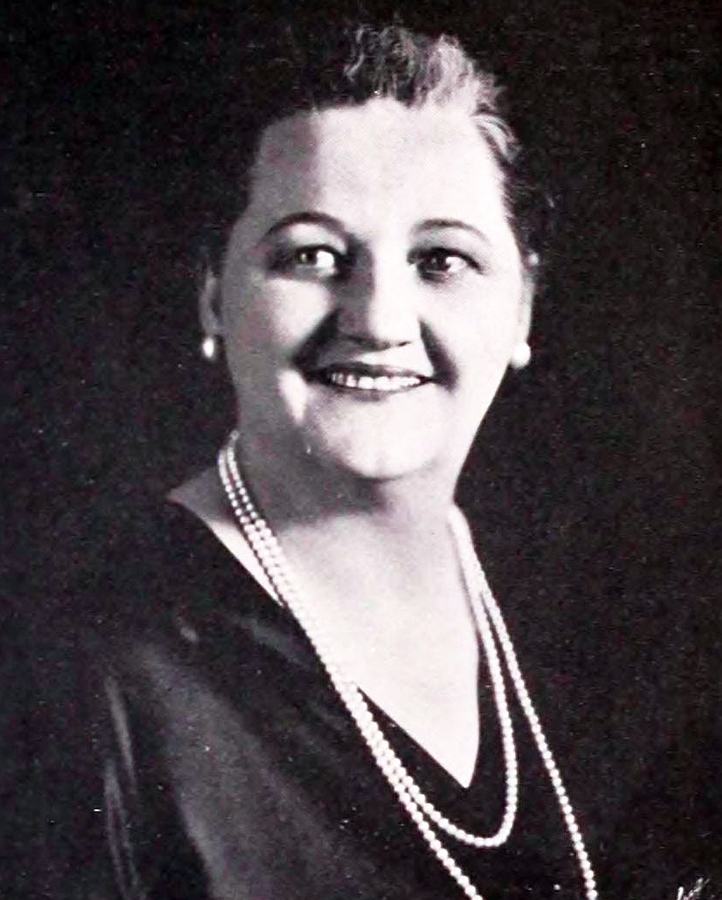
Lucille Ward
actress
- Born:
- 1880-02-25, Dayton, Ohio, USA
- Died:
- 1952-08-08, Dayton, Ohio, USA
- Professions:
- actress
Biography
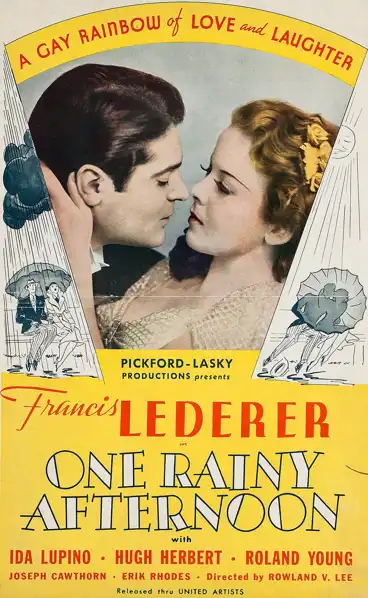
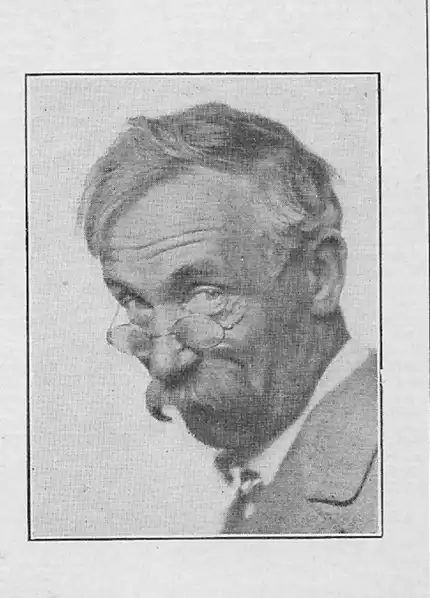
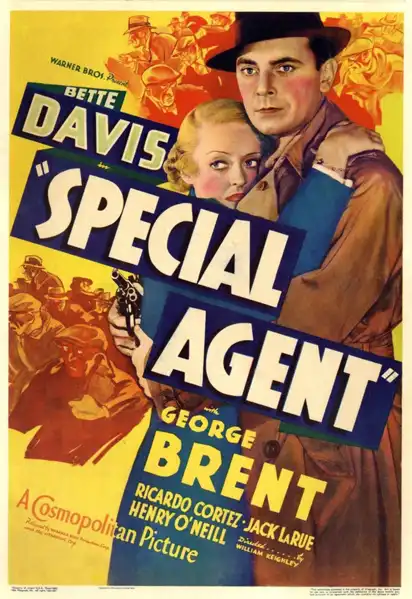
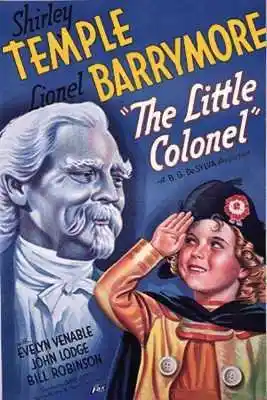
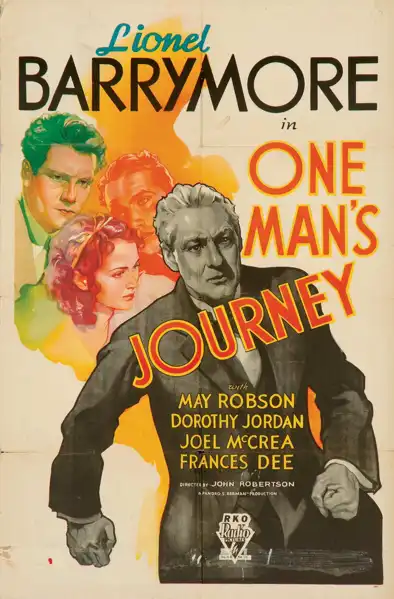
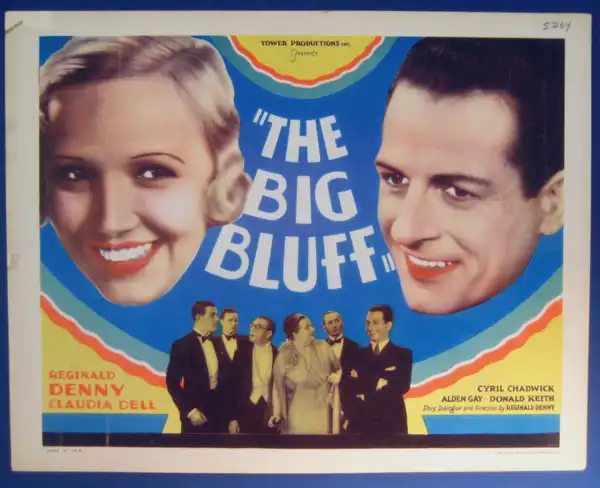
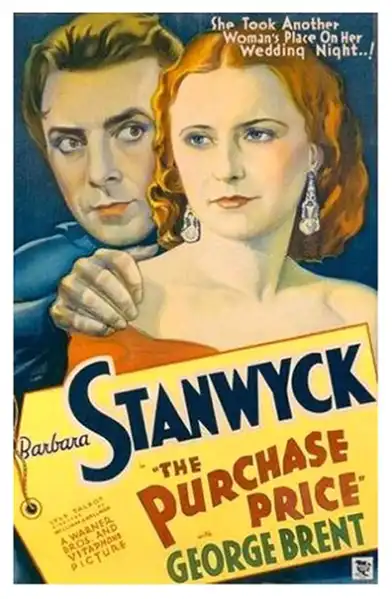
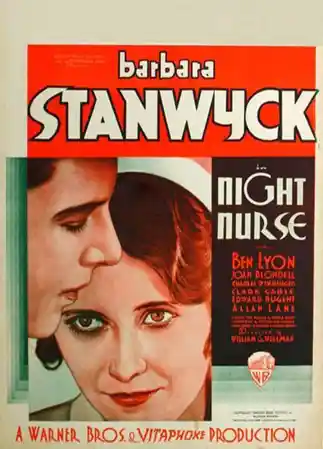
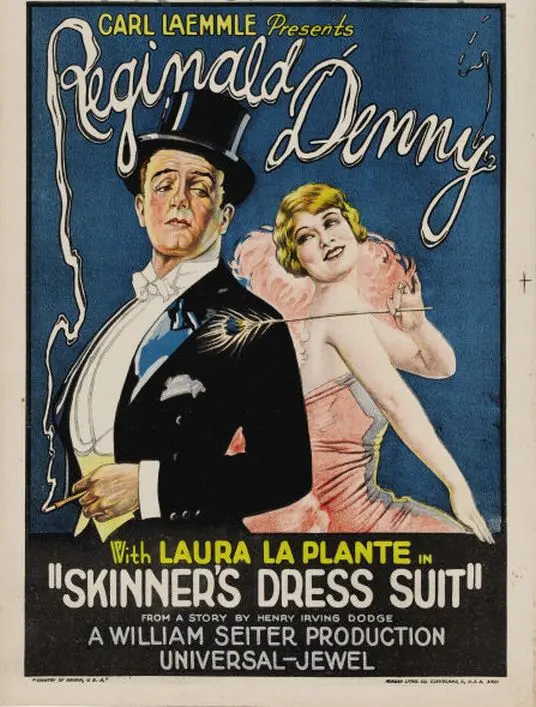
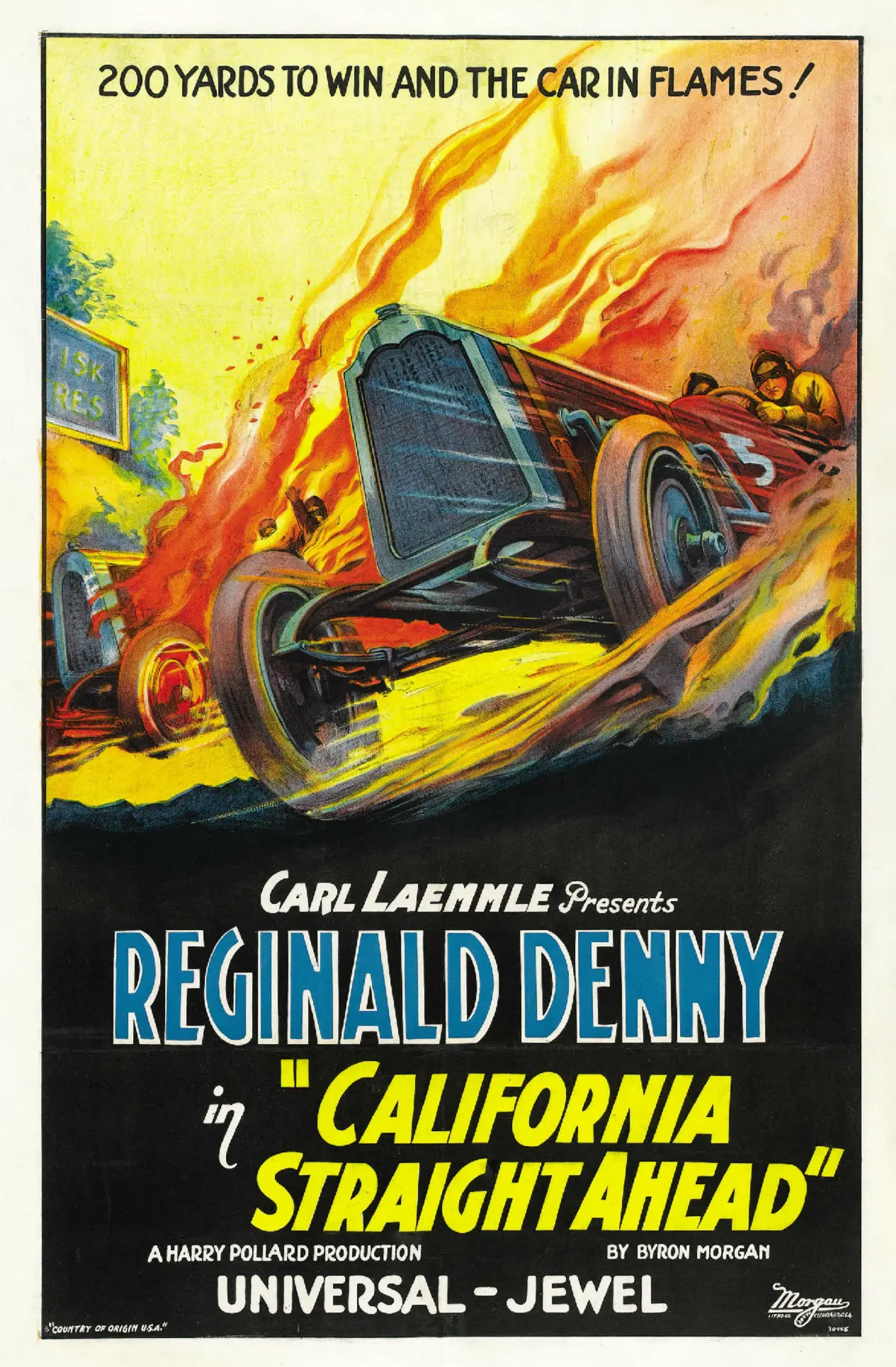
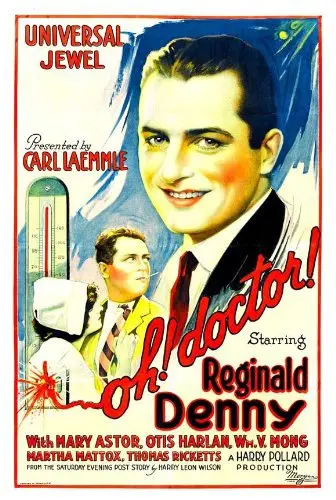
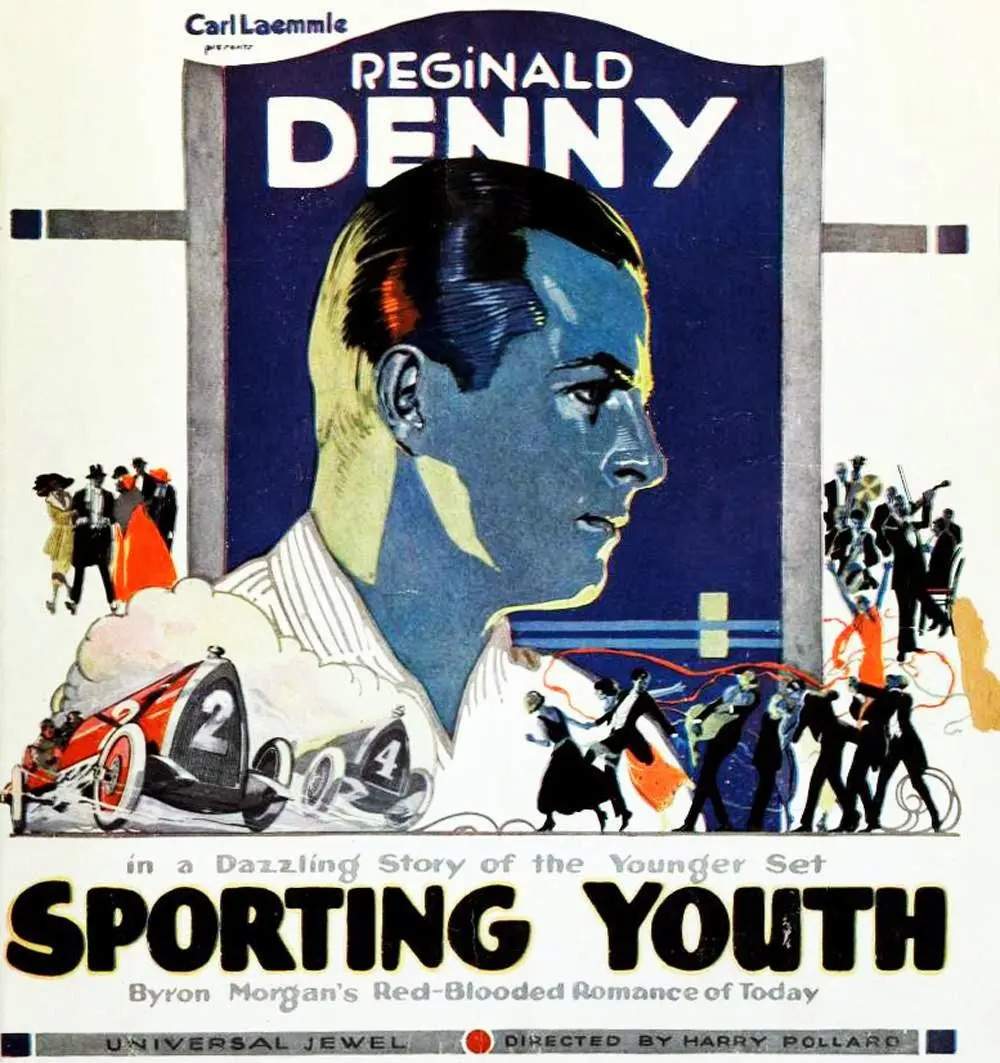
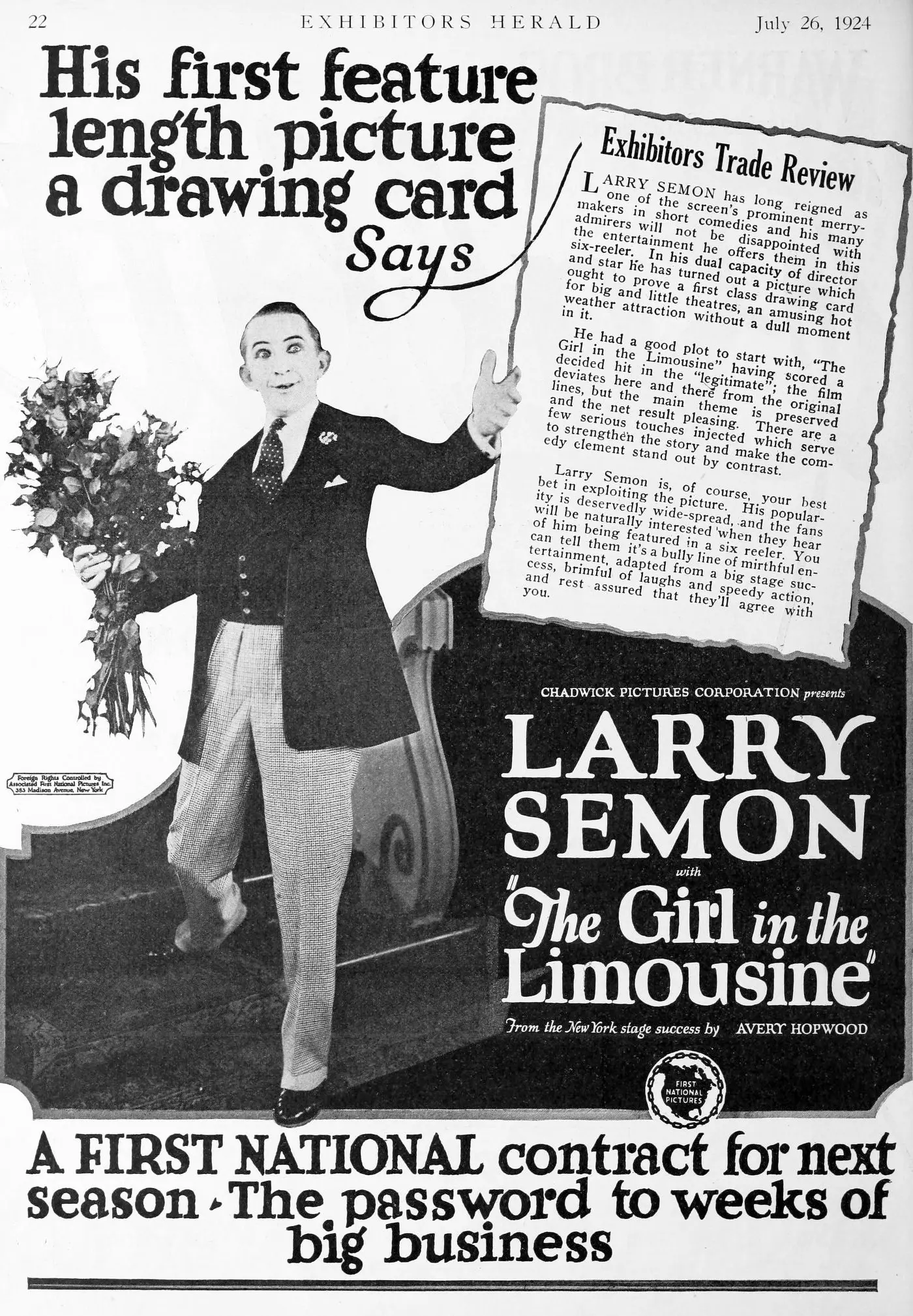
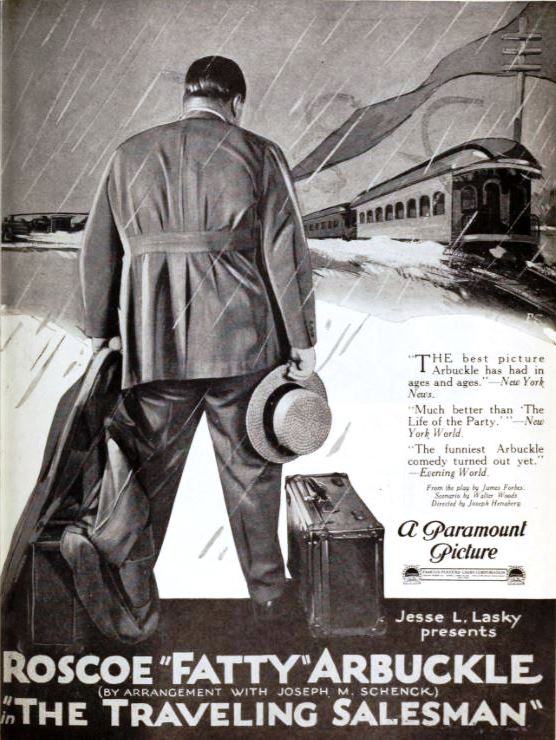
Long before Hollywood’s hills were studded with signs, Lucille Ward was already living inside other people’s skin. A Dayton, Ohio girl, she stepped onto a New York stage in 1907 and, at twenty-three, wrapped herself in the rustling black of La Corante, a septuagenarian countess in “Monte Cristo.” The following seasons she slipped from crinoline to calico, becoming the mammy in “Under Southern Skies,” then the anxious mother in “The Man of the Hour.” By 1910 she was touring with Henry W. Savage’s “Stronger Set,” still decades away from the age of the children she sent off to war or matrimony. Summers meant stock or vaudeville. Back home in Dayton she traded lines at Fairview Park alongside a baby-faced Tommy Meighan, John Sainpolis and Lucille Spinney, then spent sun-drunk weeks with the Rod Players at the Victoria, a stretch she still remembered as “pure laughter.” Columbus claimed her next, with the Colonial company, before New York beckoned again—this time to partner James P. Leonard in a vaudeville whirl that spun straight into Homer Lind’s headline act. Fifth Avenue Theater gave her “Miss 318,” and in the footlights Rupert Hughes spotted her timing, penning a fresh role on the spot. Before that new script could rise, Lew Fields dangled a miniature scene: the rocking-boat excerpt from “Tillie’s Nightmare,” Marie Dressler’s two-year Broadway juggernaut. Twenty-one performers, twenty-three minutes, eleven speeches—and Ward harvested thirteen laughs. Fields instantly recast her as full-blown Tillie for the road. September 2, 1912, Indianapolis’ Colonial curtain lifted; demand booked return after return until the tour closed triumphantly in New York. Film snatched her next. The old Imp company handed her a character lead in a one-reel chuckle shot at Universal’s East-Coast barns; six months later she was west-bound, 1913’s winter sun glinting off the Pacific. Universal kept her busy until Mack Sennett signed her for comedy leads. “Cohen’s Outings” became the first two-reeler to hold theaters for an entire week, spawning a string of Jewish comedies. Sennett pressed a five-year contract under her nose, promising to “make you the most publicized woman alive.” She declined, but stayed in the slapstick salt-mines—no doubles, no pity, plenty of pie. Along the way she shared frames with Ford Sterling, Wallace Reid, Francis X. Bushman, a rising Charlie Chaplin and roly-poly Roscoe “Fatty” Arbuckle, whose last silent, “The Traveling Salesman,” carried her credit. She remembered Arbuckle as nothing but gentle. American Film Company lured her away with a three-year pact, then tried to swathe her in drawing-room lace. Ward missed the pratfalls, asked out, and struck out as a freelancer—her own agent, her own hours, her own laugh track. The gamble paid: she supported Lionel Barrymore, sparred with William Powell, traded quips with Will Rogers, danced past Clark Gable, Jean Harlow, Shirley Temple and Barbara Stanwyck. Opposite Reginald Denny she motored through “California Straight Ahead,” “Oh Doctor,” “Sporting Youth” and “Skinner Steps Out,” and with Francis Lederer she split umbrellas in “One Rainy Afternoon” and deeds in “It’s All Yours.” From grandmother on the boards at twenty-three to Hollywood’s most adaptable second lead, Lucille Ward never waited for the spotlight—she carried her own.