Mabel Normand
actress, director, writer
- Birth name:
- Mabel Ethelreid Normand
- Born:
- 1892-11-09, New Brighton, Staten Island, New York, USA
- Died:
- 1930-02-22, Monrovia, California, USA
- Professions:
- actress, director, writer
Biography
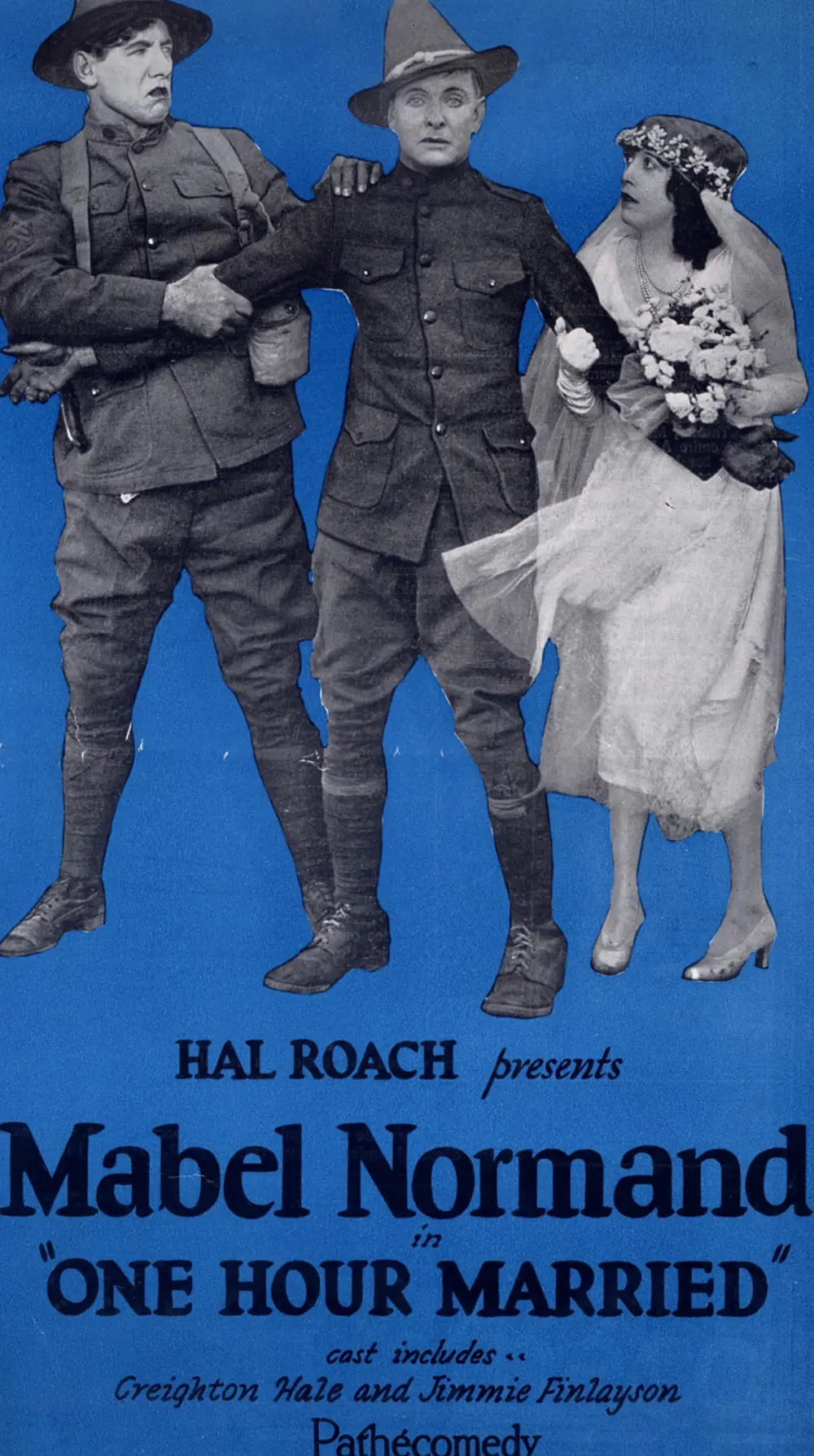
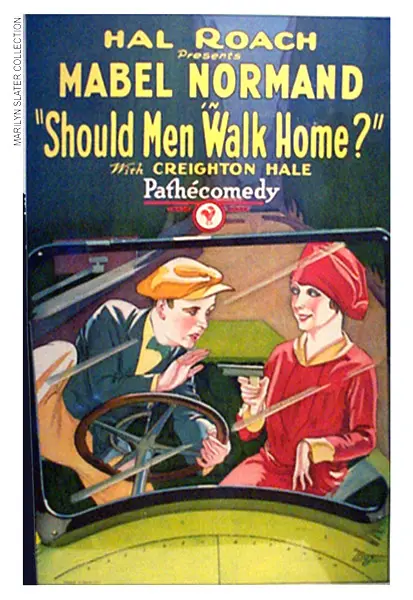
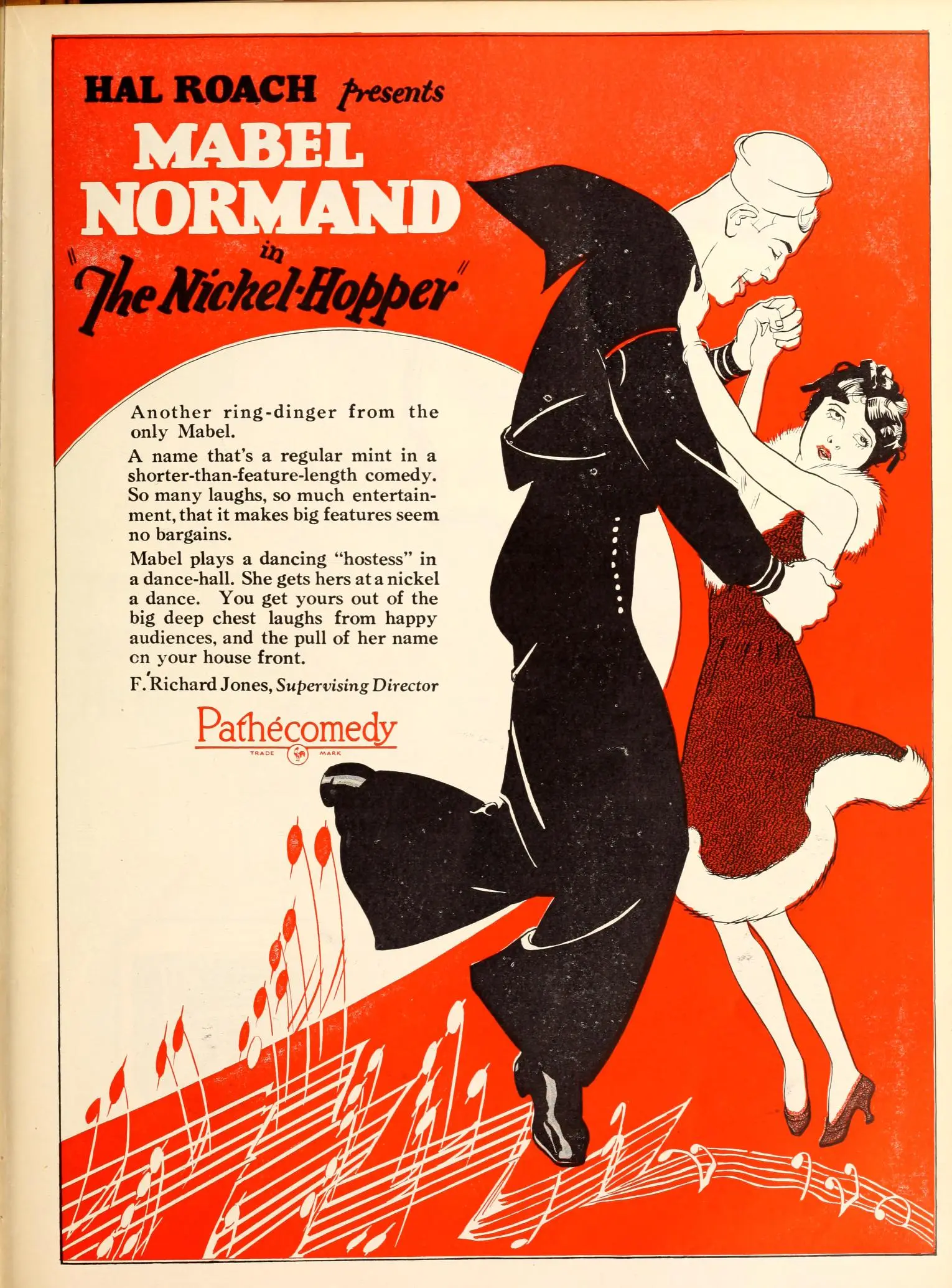
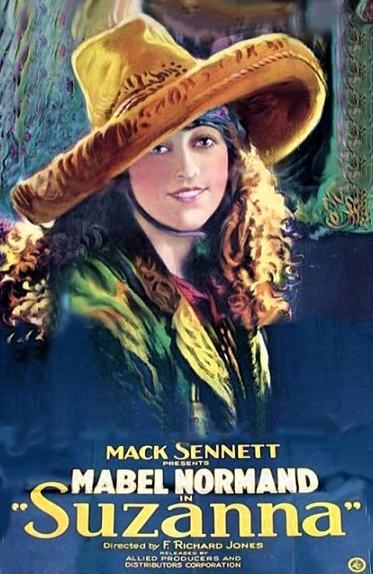
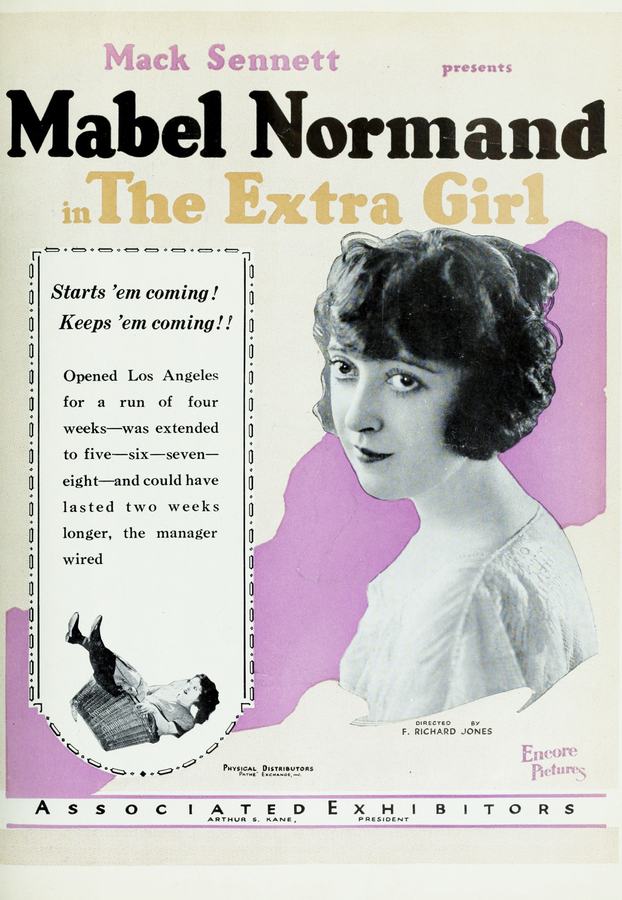
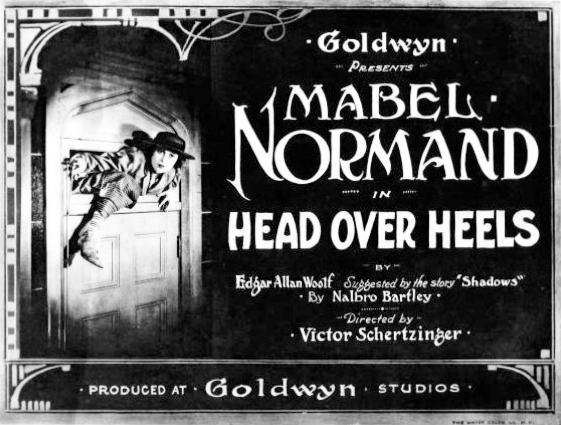
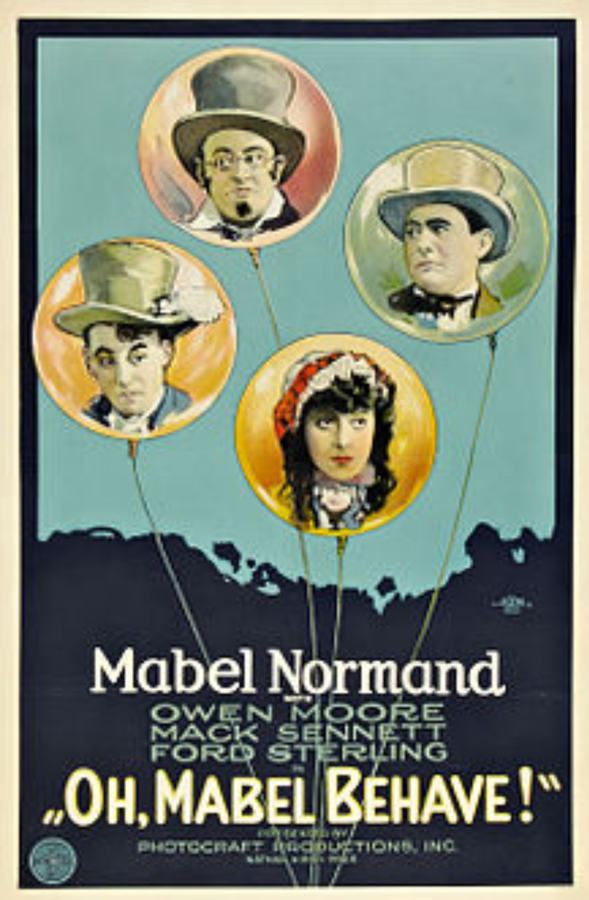
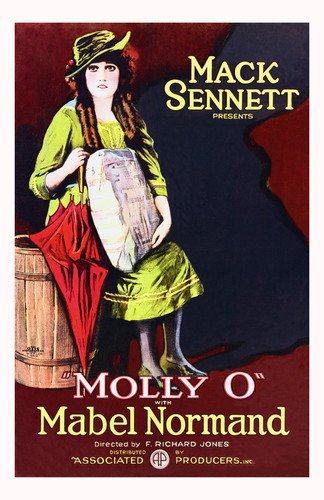
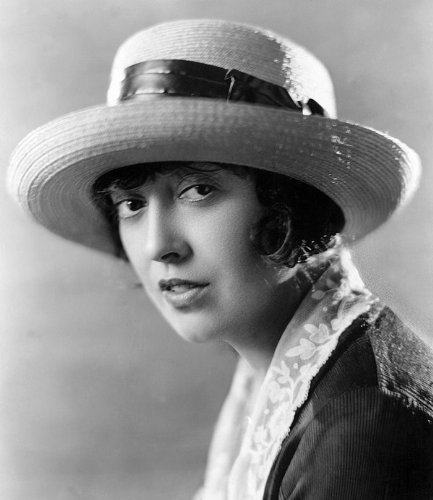
Mabel Normand emerged as a trailblazer in early cinematic comedy, a time when women were often dismissed as “not funny enough.” She introduced the Keystone Cops, the first appearance of Charlie Chaplin’s iconic tramp, and the now‑classic pie‑in‑the‑face routine. A frequent co‑star of Chaplin and Roscoe “Fatty” Arbuckle, she headlined Keystone’s inaugural comedy and the very first feature‑length comedic film. Normand remains the sole comedian to have worked with Chaplin, Arbuckle, Mack Sennett, D.W. Griffith, Harold Lloyd, Mary Pickford, Hal Roach, Stan Laurel, Oliver Hardy, Fred Mace, Fred Sterling, and John Bunny—though she never appeared alongside Buster Keaton, with whom she maintained a friendship. Born in Staten Island, New York, the daughter of Claude and Mary Normand, she first graced the world as a model for Charles Dana Gibson, the creator of the Gibson Girl. Encouraged by friends, she entered the fledgling film industry, beginning as an extra for Kalem and Biograph. When Biograph relocated to California, she joined Vitagraph, starring in a series of comedic shorts as “Betty,” one of which featured the era’s first comedy star, John Bunny. Normand later returned to Biograph, collaborating with Mack Sennett on shorts that would evolve into the Keystone Comedies. Their partnership extended beyond the set: they were lovers, confidants, and creative partners. Sennett’s early concepts were heavily inspired by Normand, and the birth of Keystone hinged on her involvement. Though he paid her—and everyone else—below market rates, he ensured she received proper credit and influence. When she left Keystone for Goldwyn, Sennett followed suit shortly thereafter. By 1912 she was scripting her own projects, and by 1914 she had taken the director’s chair. Her popularity surged, consistently topping fan surveys in trade publications. The legend of Chaplin’s discovery is tangled, yet consensus holds that Sennett’s decision to retain the young comic hinged on Normand’s advocacy. Chaplin’s second Keystone short, “Mabel’s Strange Predicament,” was both written and directed by Normand, and it marked the debut of Chaplin’s famed tramp persona. Their on‑screen rapport was electric, yielding a string of shorts that lasted until Chaplin’s departure from Keystone in 1915. As Chaplin’s fame escalated, periodicals dubbed Normand the “female Chaplin,” noting their shared nuanced gestures and the undeniable impact she had on his style. Prior to his exit, they co‑starred with Marie Dressler in “Tillie’s Punctured Romance,” the inaugural feature‑length comedy. After Chaplin’s exit, Normand paired with Roscoe “Fatty” Arbuckle in a new series of shorts, a collaboration that had already seen earlier joint appearances. Their films were well received, and the duo remained together until both sought more lucrative opportunities elsewhere. Around this period, Sennett and Normand became engaged, but the promise dissolved when Sennett was discovered infidelities. Rumors claim Normand sustained a serious head injury when a vase was hurled at her by one of Sennett’s paramours. Those close to her believed Sennett was the man of her life, yet they never resumed a romantic relationship. Nevertheless, he encouraged her to form her own production outfit, the Mabel Normand Film Company. Its inaugural feature, “Mickey,” suffered from Sennett’s mismanagement and was not released until 1918. She wound down the company and signed with Goldwyn, producing comedy features that, while shorter than standard epics, still counted as full‑length works. Most of these films are lost, though a handful have resurfaced in recent decades. Normand returned to Sennett for a final slate of features, a period fraught with turbulence. Her health, already compromised by a tuberculosis diagnosis at age ten, deteriorated further, compounded by heavy drinking. The 1922 murder of her friend William Desmond Taylor—an unsolved scandal that dominated headlines—cast a shadow over her reputation. Though she was cleared, having been seen leaving Taylor’s home with a friendly farewell, the association tainted her public image amid the subsequent scandal involving Olive Thomas and the controversial Arbuckle trial. She persisted in her career, starring in “The Extra Girl.” Shortly after its 1923 release, she was involved in a near‑crime incident when a butler was shot during a gathering she attended—he survived. Following this episode, she stepped away from the screen for a period. By 1926 she was poised for a resurgence, signing with Hal Roach to produce comedy shorts that were met with acclaim. In 1928 she secured representation by the William Morris Agency, aiming to transition into sound films. Yet her underlying illness soon derailed these ambitions. Over time, whispers of drug abuse surfaced, a narrative that emerged during the Taylor case, which some speculated involved a drug ring and implicated Normand. Though these allegations were never substantiated, they have lingered in Hollywood lore, despite the insistence of her family, estate, and personal nurse that she never consumed narcotics. Her drinking and social life intensified; at a midnight gathering she impulsively wed long‑time companion Lew Cody, only to regret it immediately, and the two continued to live apart. As her health waned, she was admitted to a sanitarium—modern equivalent of a hospital or hospice—by 1929. She succumbed to tuberculosis in 1930.
Filmography
In the vault (10)