Marie Dressler
actress, director, writer
- Birth name:
- Leila Marie Koerber
- Born:
- 1868-11-09, Cobourg, Ontario, Canada
- Died:
- 1934-07-28, Santa Barbara, California, USA
- Professions:
- actress, director, writer
Biography
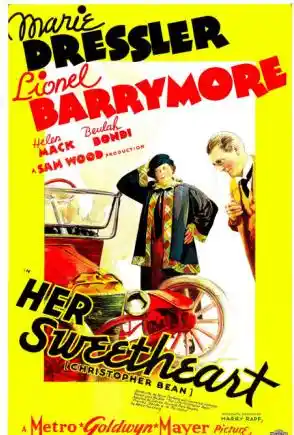
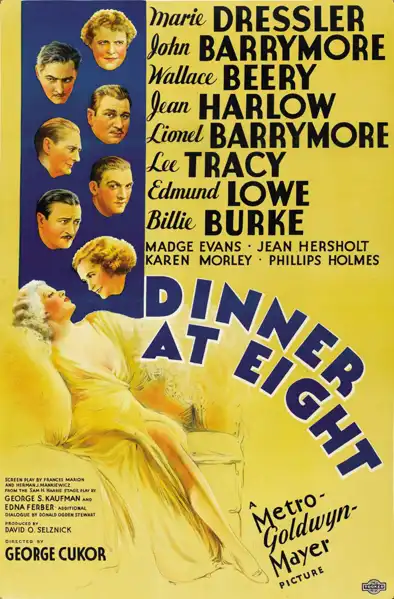
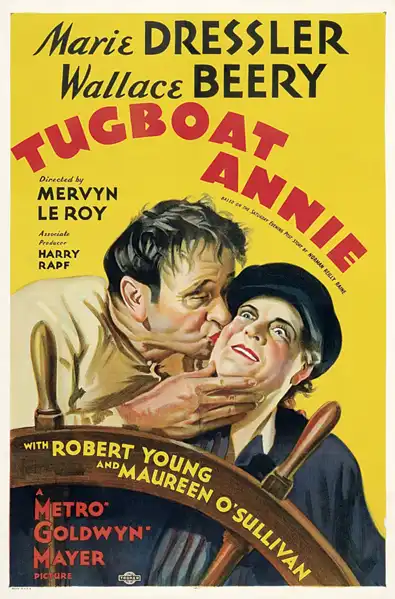
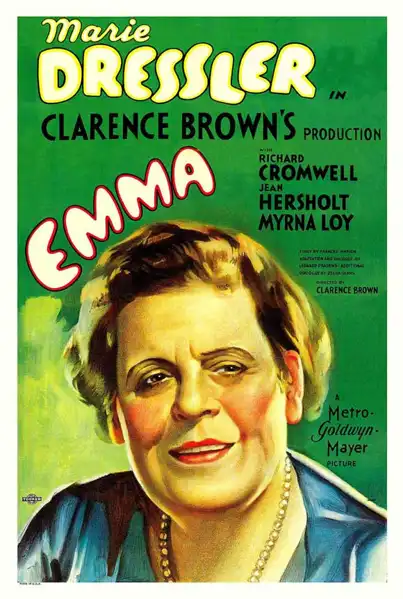
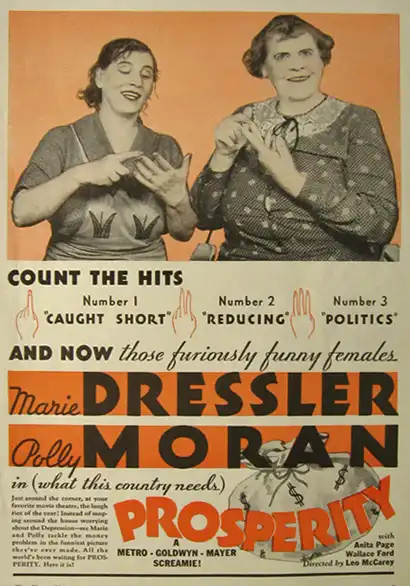
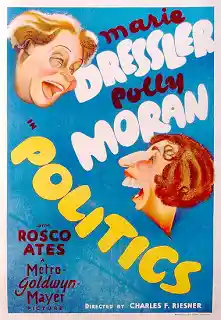
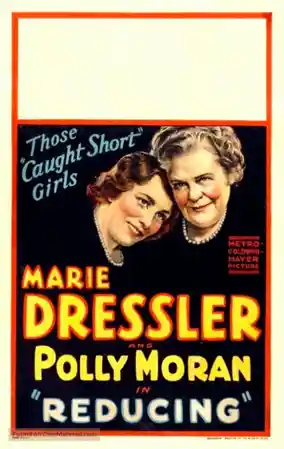
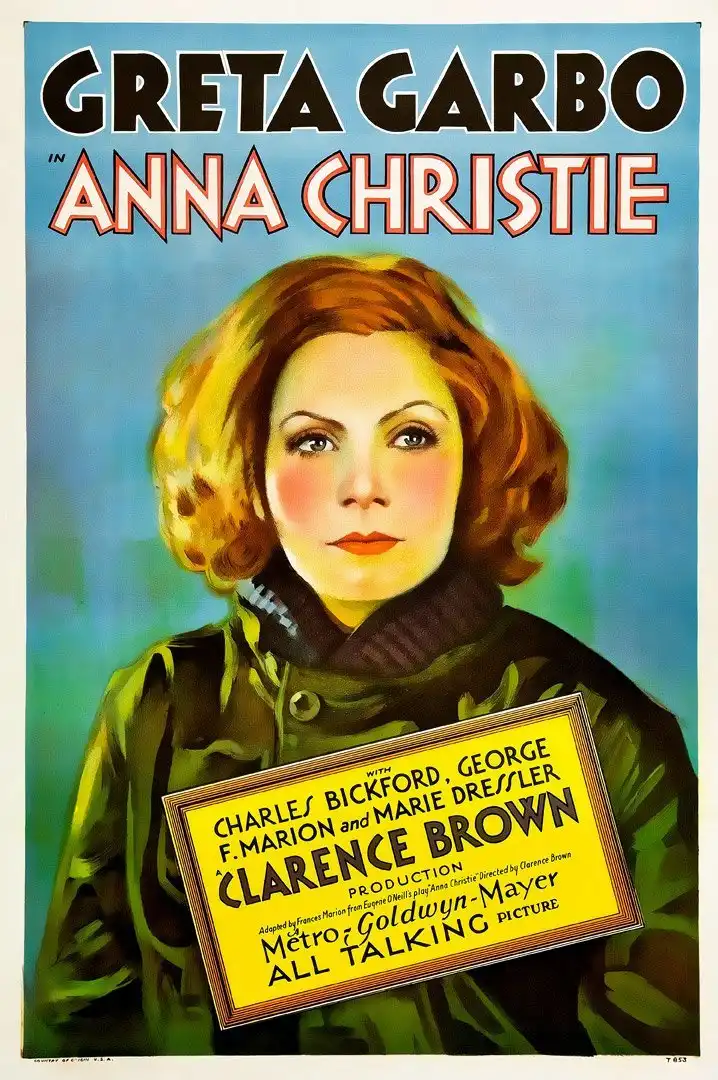
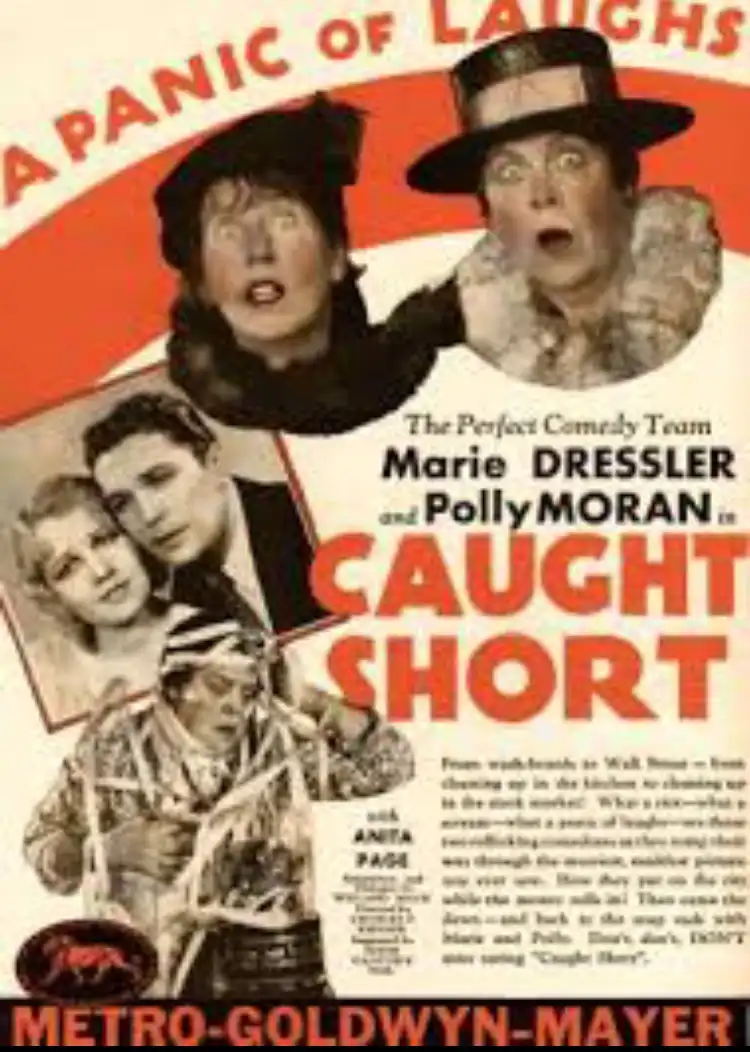
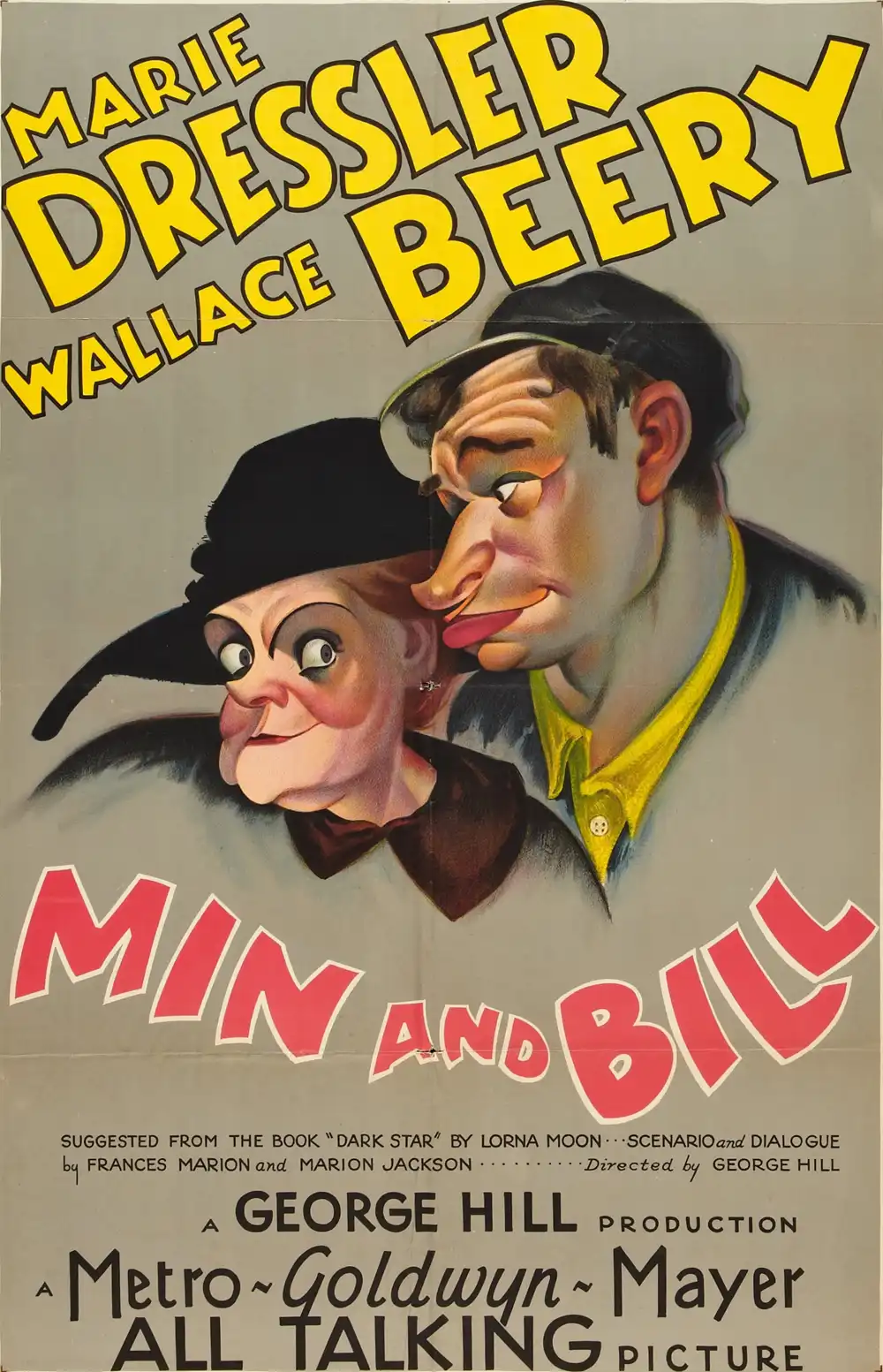
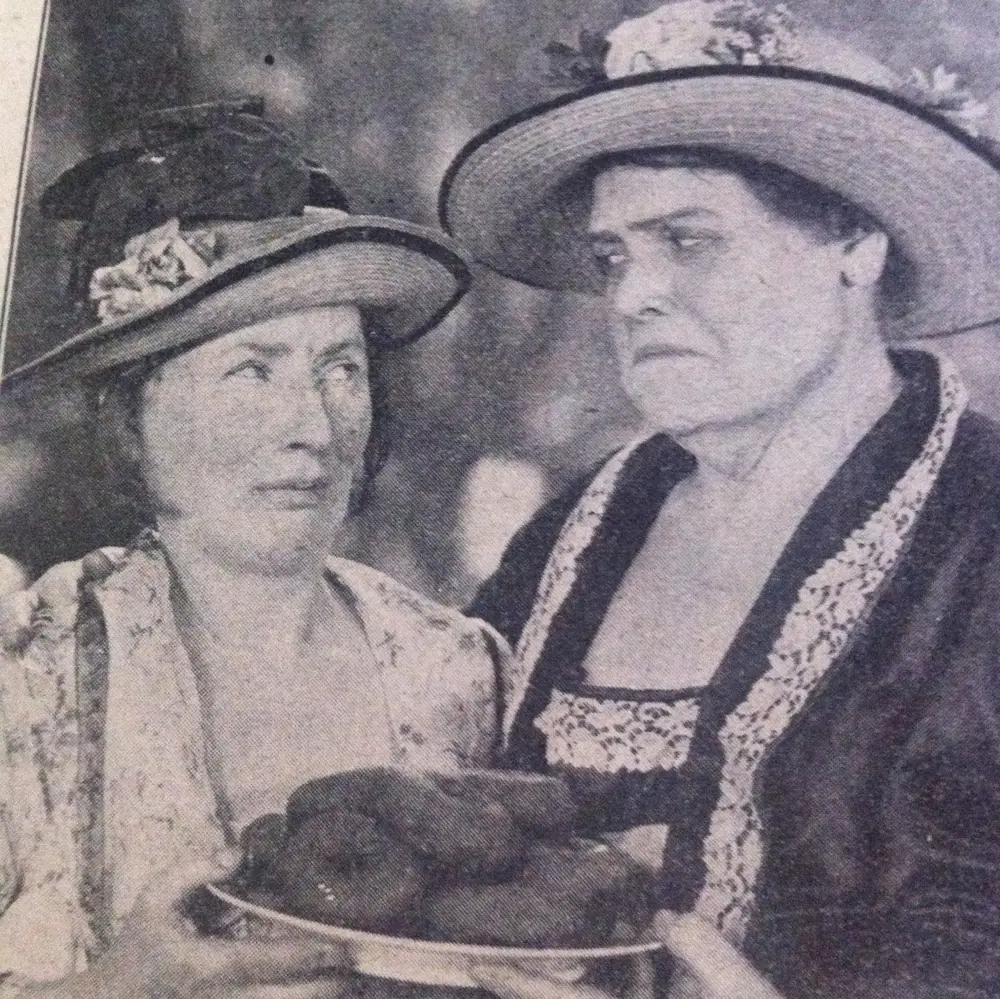
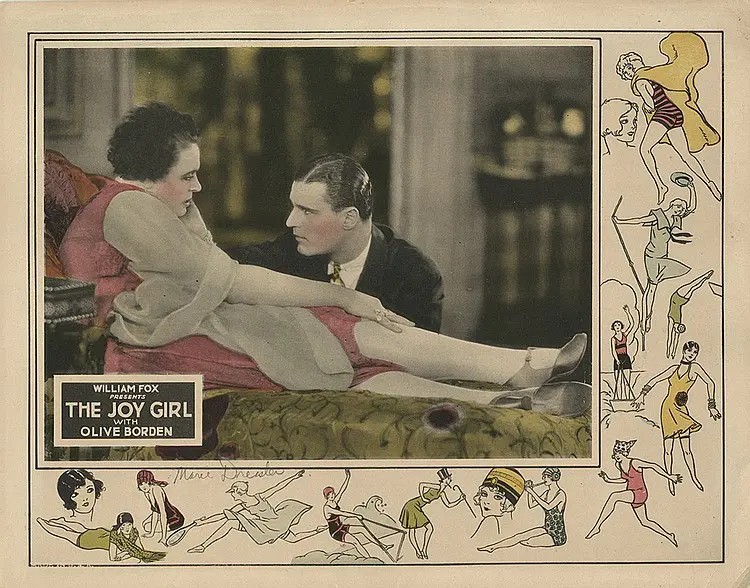
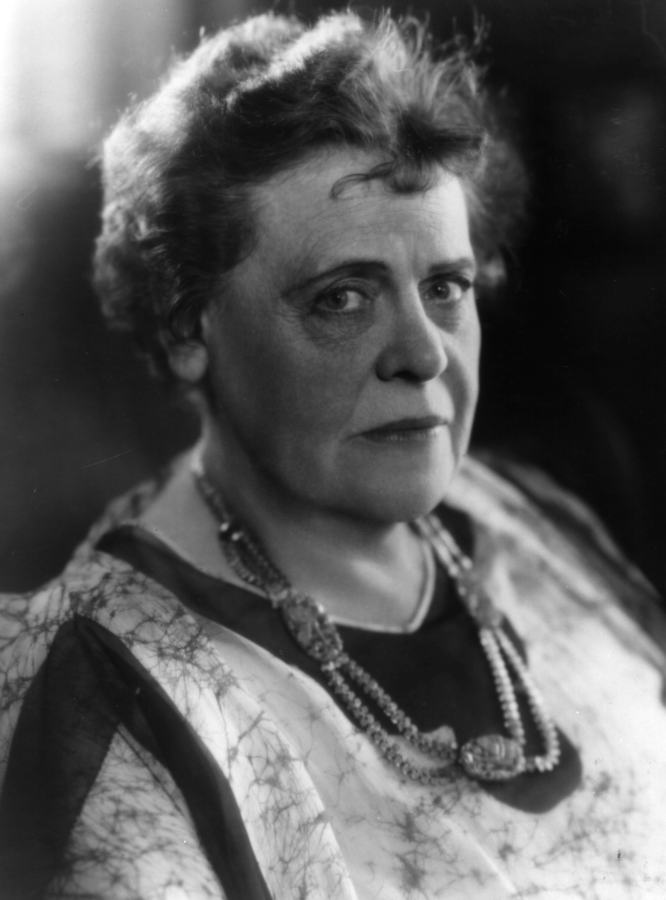
Once you saw her, you would never forget the presence she commanded. Though her stature and weight might have seemed at odds with the glamorous image of the era, she became one of the biggest box‑office attractions of the early sound period. She first stepped onto a stage at the age of fourteen, joining a local theater company and soon found herself performing in light opera. By 1892 she had graced Broadway, and later she emerged as a leading comedienne on the vaudeville circuit. In 1910 her one‑liner “Tillie’s Nightmare” captured audiences, prompting Mack Sennett to adapt it into the 1914 silent film *Tillie’s Punctured Romance* alongside Charles Chaplin. Marie commanded top billing over the then‑young Chaplin, yet her film career stalled; by 1918 she had disappeared from the screen and from work entirely. Her involvement in the 1917 chorus‑girls’ strike led to a blacklist that barred her from theater venues. The late 1920s saw her fading into obscurity, her fortunes dwindling to near‑poverty. MGM screenwriter Frances Marion salvaged a flickering career by giving her a small role in *The Joy Girl* (1927), then a co‑leading part opposite Polly Moran in *The Callahans and the Murphys* (also 1927). The latter was abruptly pulled from circulation after Irish‑American groups protested its portrayal of a gin‑drinking Irish community. By then, at fifty‑nine, the star was largely out of demand. Irving Thalberg, however, recognized a latent potential and set about reviving her. The transition to sound provided the perfect platform. In *Anna Christie* (1930)—the film that featured Greta Garbo’s first spoken lines—every viewer noticed Marie’s unmistakable presence. In an era dominated by the likes of Jean Harlow, Garbo, and Katharine Hepburn, Marie Dressler won the exhibitors’ poll as the most popular actress for three consecutive years. Her breakthrough came with *Min and Bill* (1930), where she earned the Academy Award for Best Actress for a compelling dramatic turn. She received a second Oscar nomination for *Emma* (1932). The following year she delivered standout performances in *Dinner at Eight* and *Tugboat Annie* (both 1933). Tragically, in 1934 cancer claimed her life, ending a career that had come full circle from stage to silent film, back to silent, and finally to the golden age of sound.
Filmography
In the vault (23)