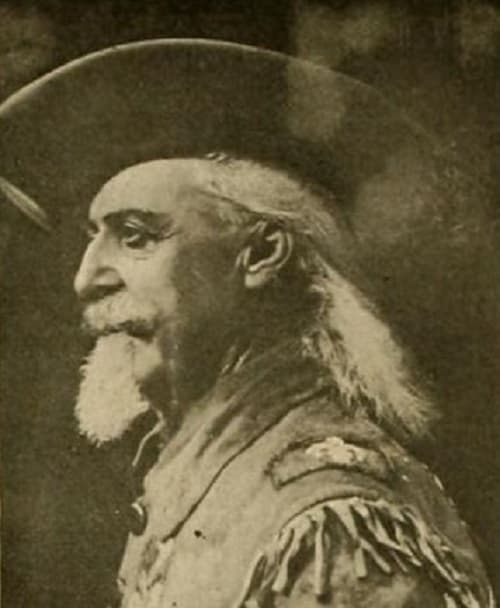
Marion P. Maus
actor
- Birth name:
- Marion Perry Maus
- Born:
- 1850-08-25, Burnt Hills, Maryland, USA
- Died:
- 1930-02-09, New Windsor, Maryland, USA
- Professions:
- actor
Biography
Marion Perry Maus—yes, a man christened “Marion”—rode out of Maryland in 1874, West Point saber still warm from the forge, bound for a desert already crackling with Apache and Nez Perce gunfire. The skinny second lieutenant quickly became the eyes of General Nelson Miles, chasing shadows across Arizona and Texas until, in the snow of 1877, he cornered Chief Joseph. It was to Maus that the Nez Perce leader surrendered the sentence every school-child once memorized: “From where the sun now stands, I will fight no more forever.” Promoted to first lieutenant, Maus traded the pine-studded Rockies for the sun-scorched Sierra Madre in 1885, commanding a band of Apache scouts whose loyalty was forged less by blue uniforms than by his own quiet resolve. While tracking Geronimo the following spring, Maus led thirty men into a slit of a canyon. Gunfire cracked; a trooper tumbled, helpless in the open. Without orders, Maus sprinted forward, hauled the wounded man behind a boulder, then spun and dropped the warriors who rushed him. One last round—his rifle already hot—he sent toward a half-seen target. The bullet chipped rock an inch from Geronimo’s face; stone dust stung the chief’s eyes, and the ambush dissolved into the pines. Days later a courier rode into camp carrying a note in Spanish: “The lieutenant named Maus is the bravest man I have ever looked upon. Give him the medal your people prize.” Congress obliged; the Medal of Honor reached his tunic in 1890, the same year he pinned on captain’s bars. Maus fought the Sioux ghost-dance uprising, sailed to Europe as Miles’s watchdog in 1897, and charged up Kettle Hill with the Regulars in 1898. Lieutenant colonel by 1902, he shepherded the 20th Infantry through Luzon’s steamy cordilleras, coaxing guerrillas from the jungle with equal parts grit and diplomacy. Earth, not enemies, shook next: in April 1906 he marched his battalion through burning San Francisco, posting pickets against looters and turning parade grounds into tent cities for the homeless. The city rebuilt; Maus departed for Texas as brigadier general, retired in 1913, and slipped gently into the pages of history on 2 February 1930. Today he rests among the long white rows of Arlington beside the brother who once shared his boyhood dreams of blue coats and bugle calls.