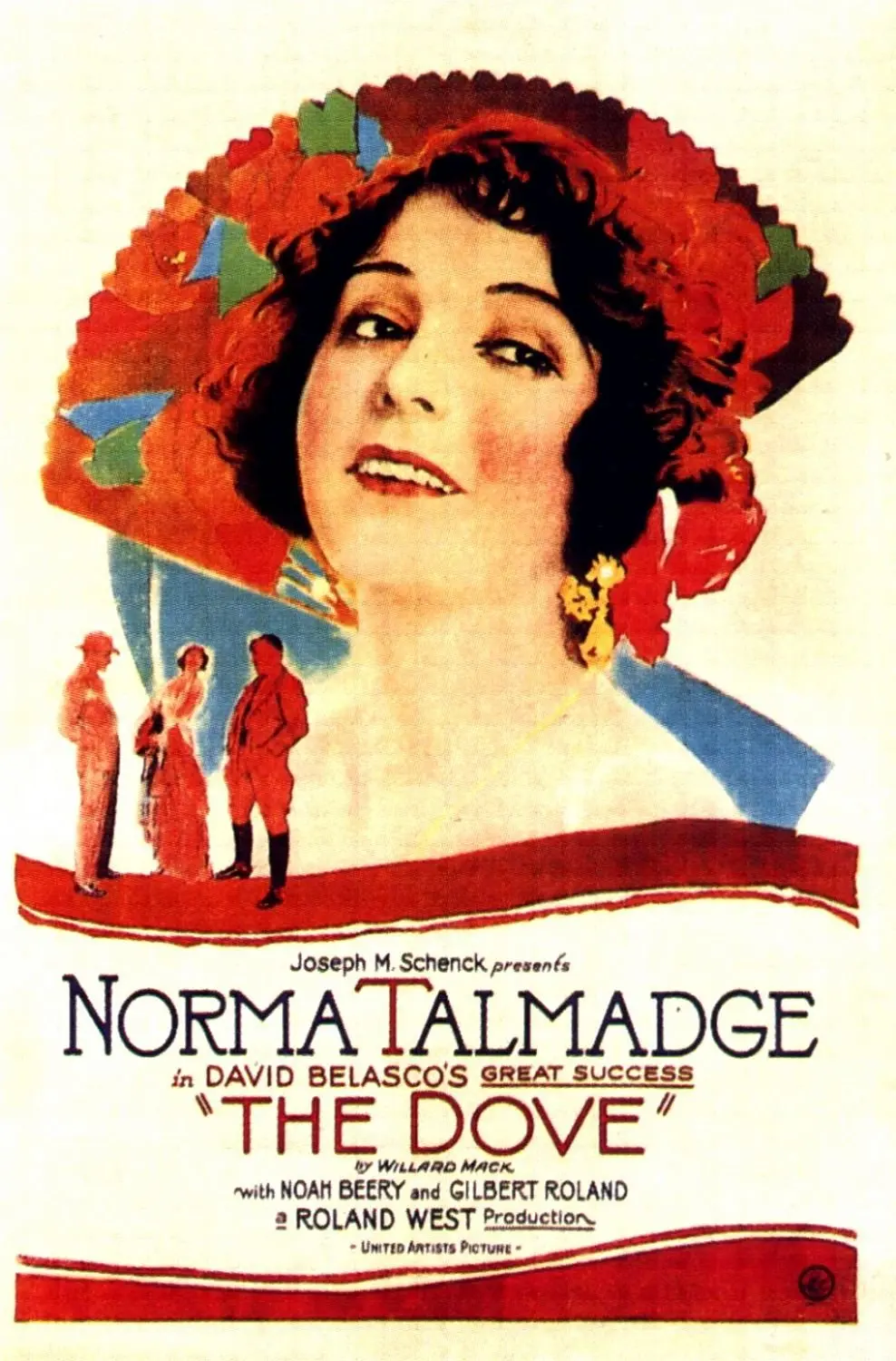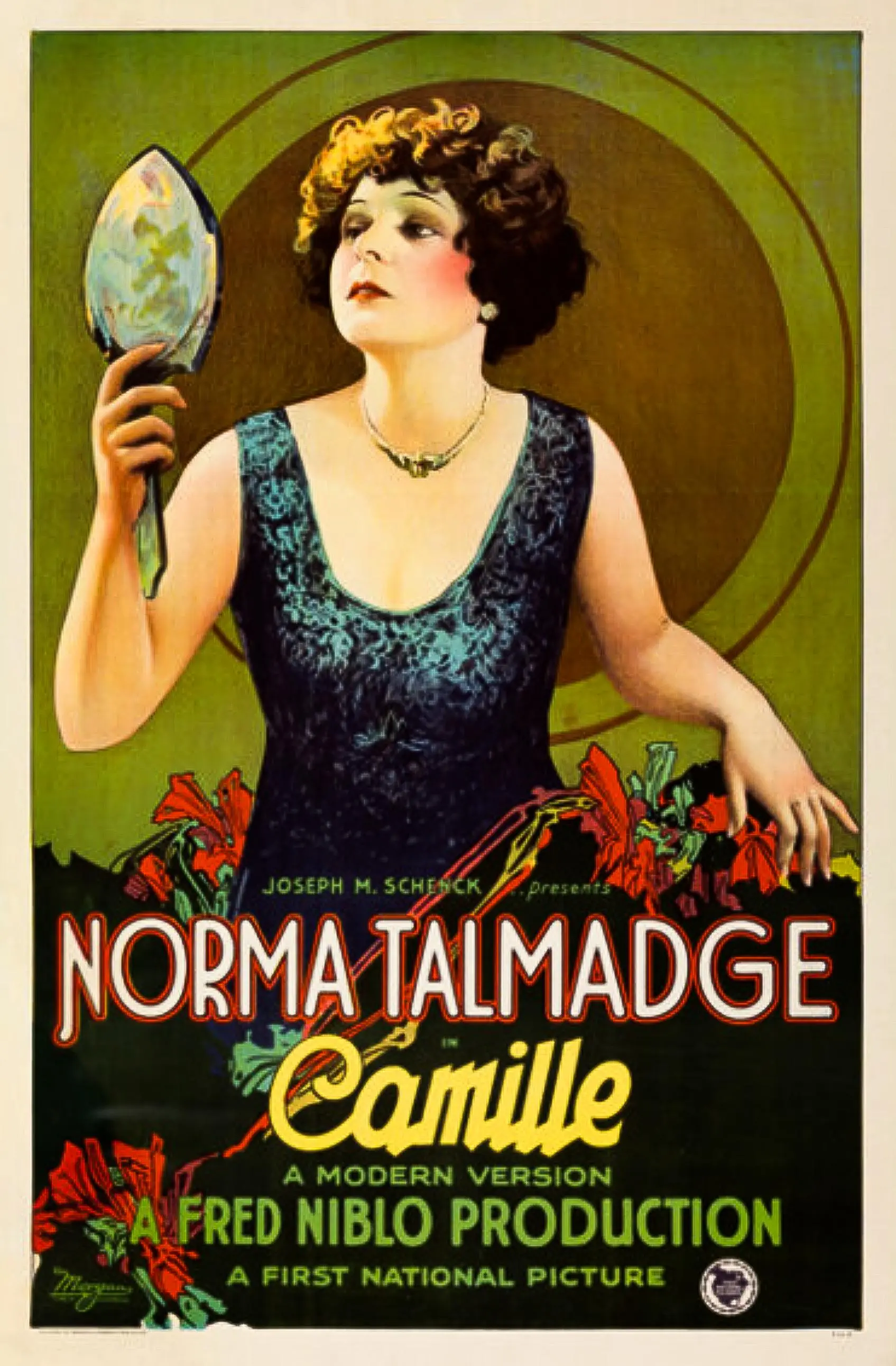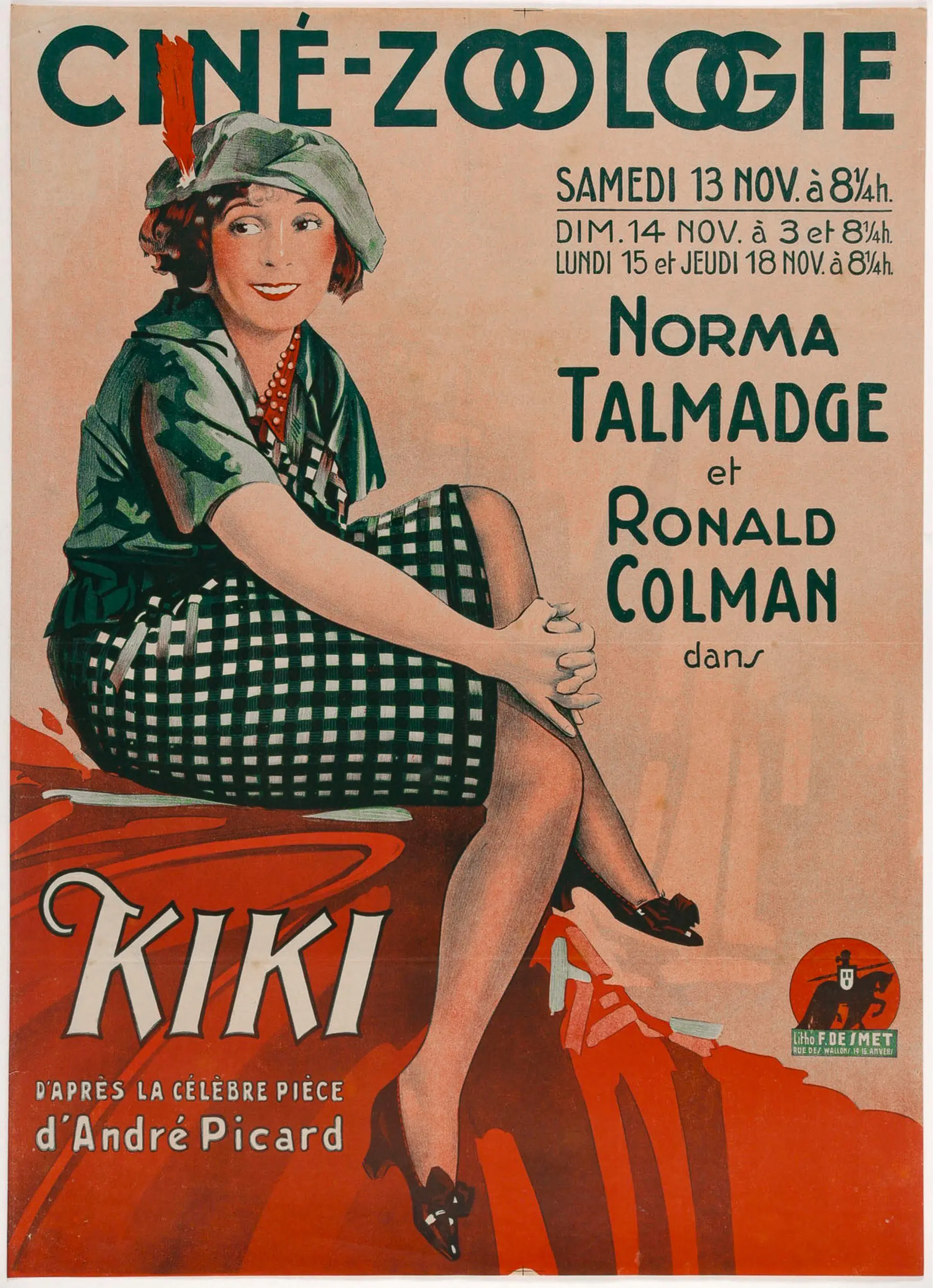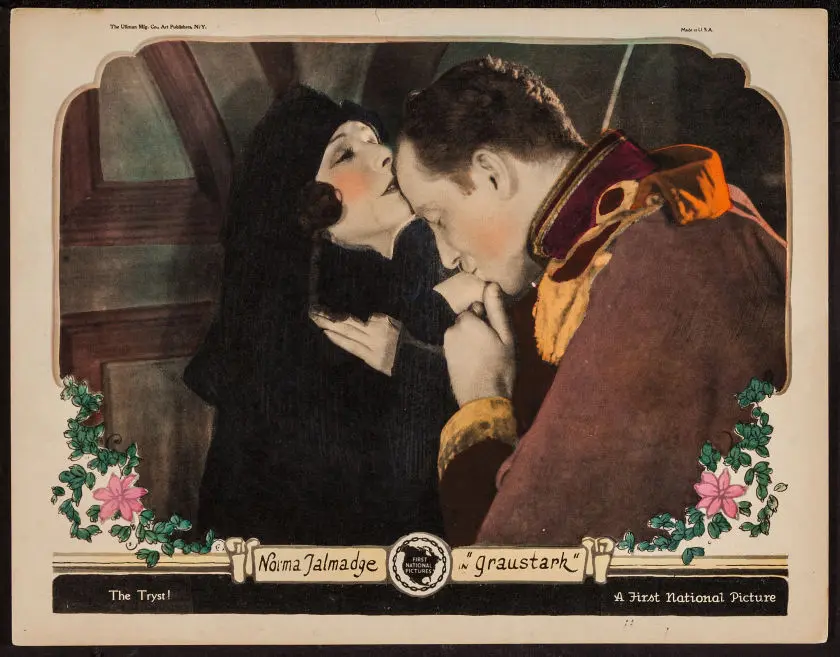
Norma Talmadge
actress, producer, soundtrack
- Birth name:
- Norma Marie Talmadge
- Born:
- 1894-05-26, Jersey City, New Jersey, USA
- Died:
- 1957-12-24, Las Vegas, Nevada, USA
- Professions:
- actress, producer, soundtrack
Biography
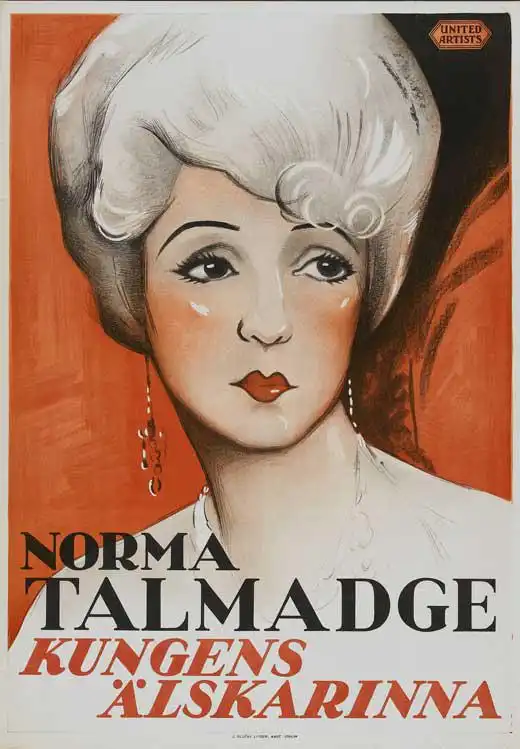
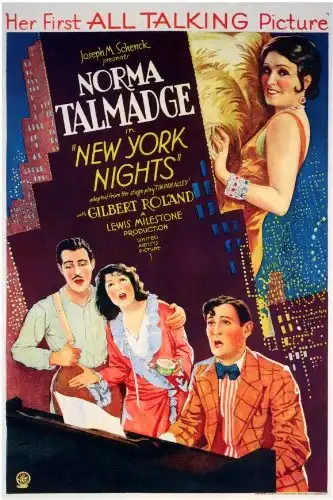
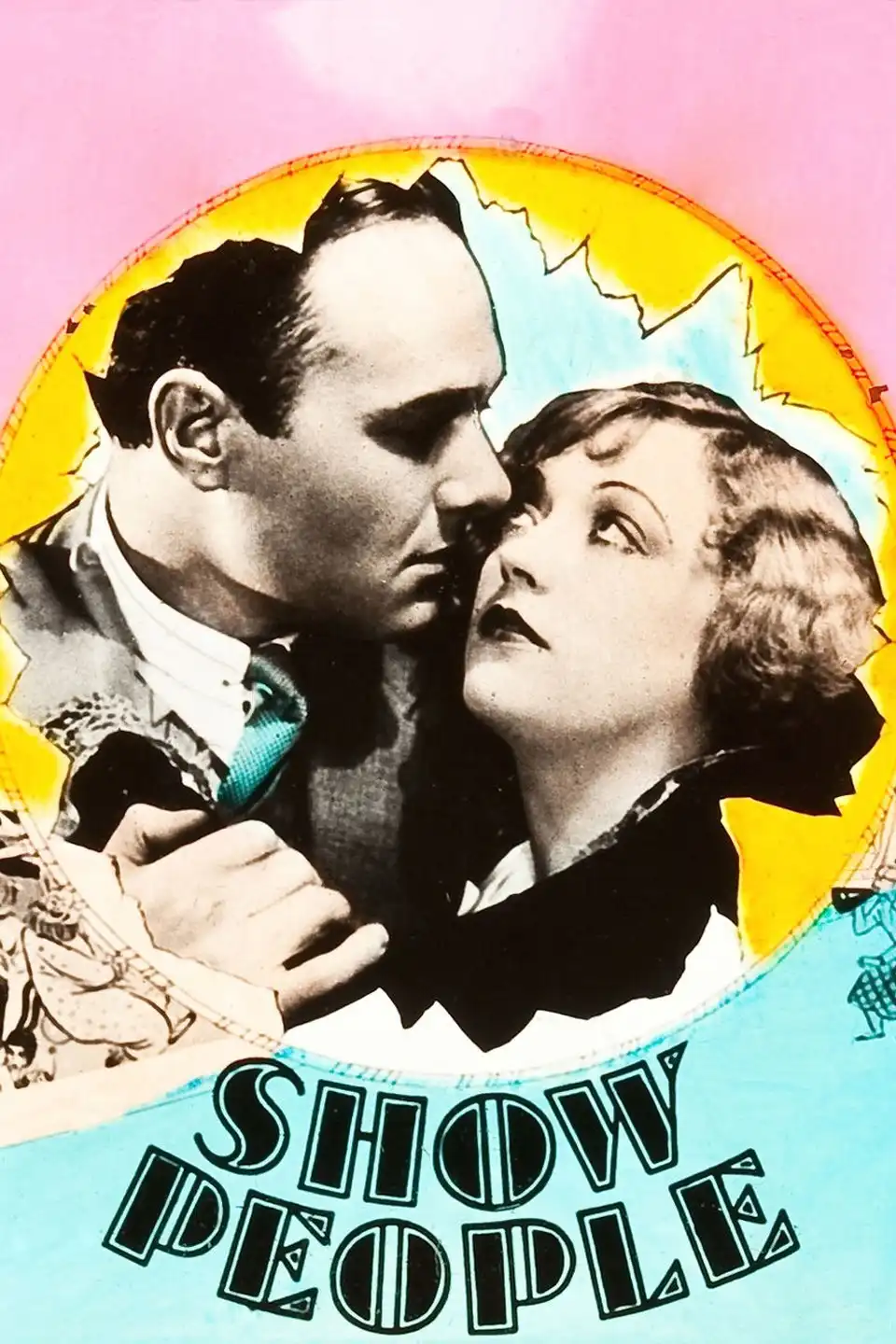
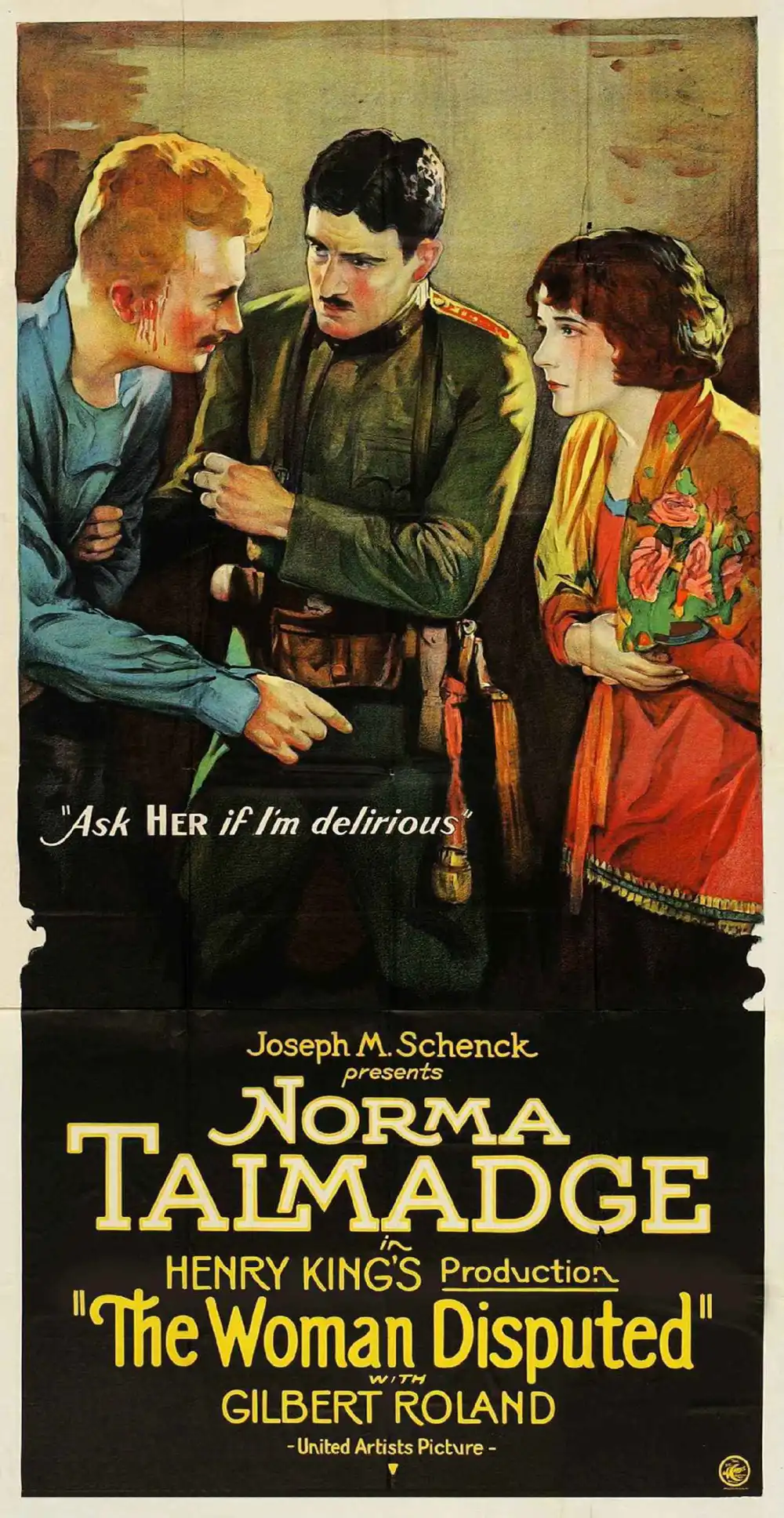
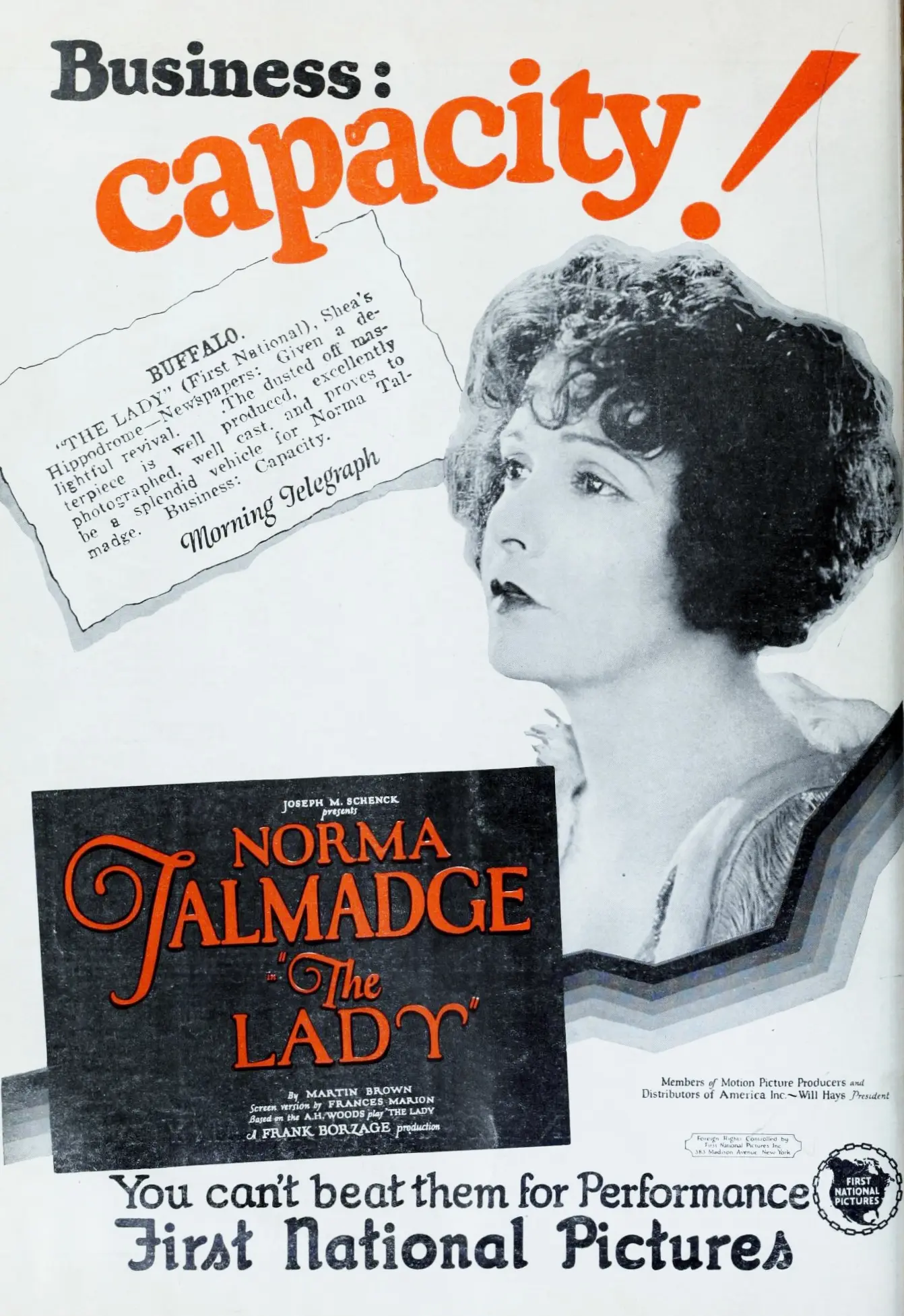
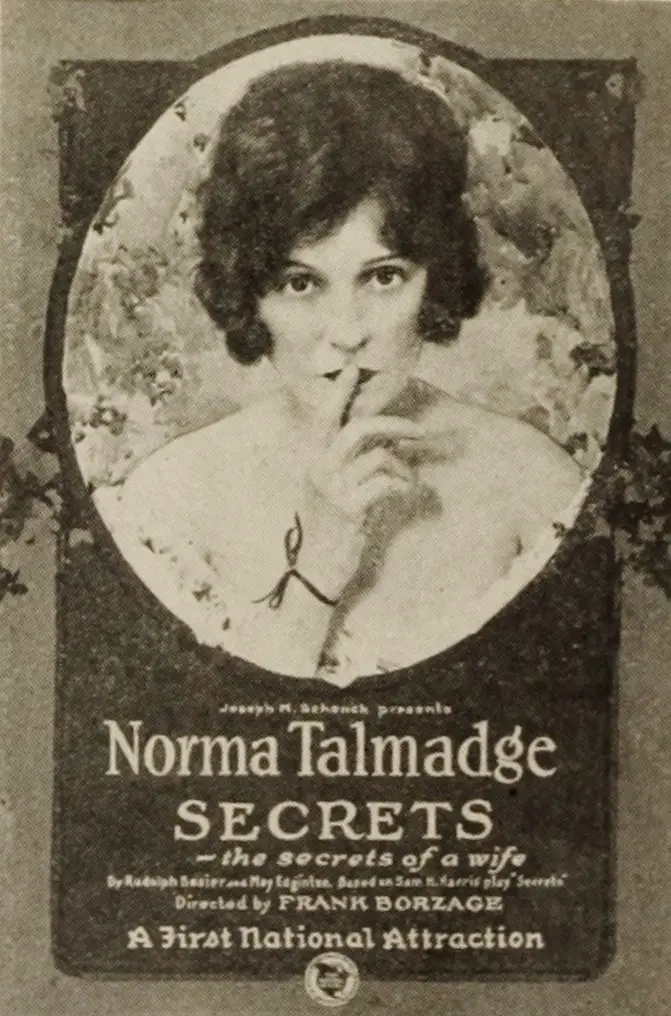
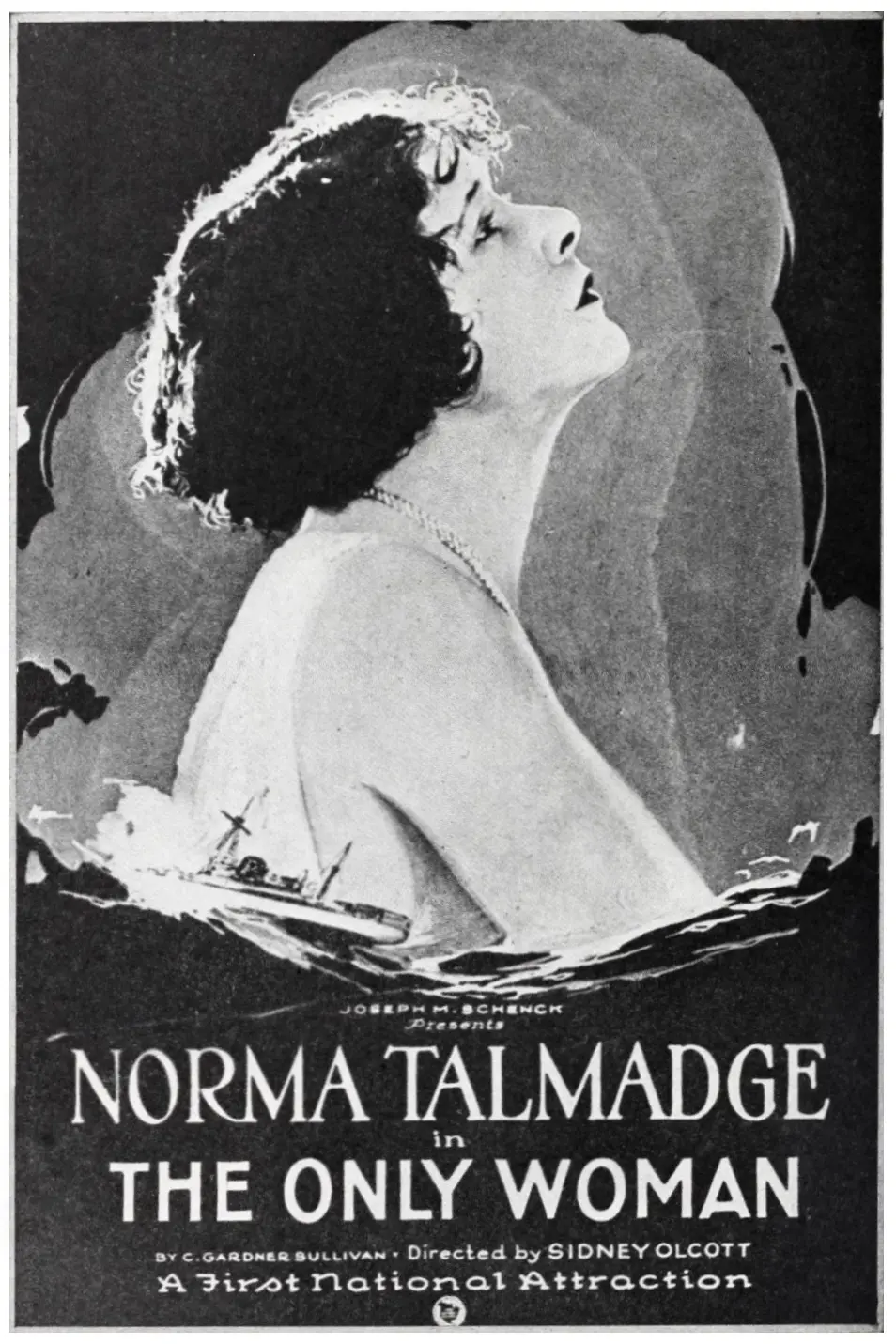
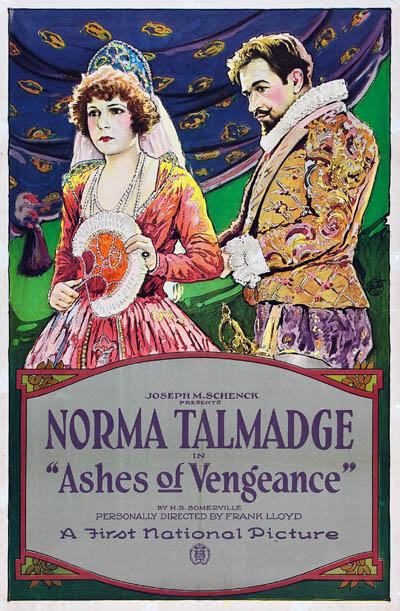
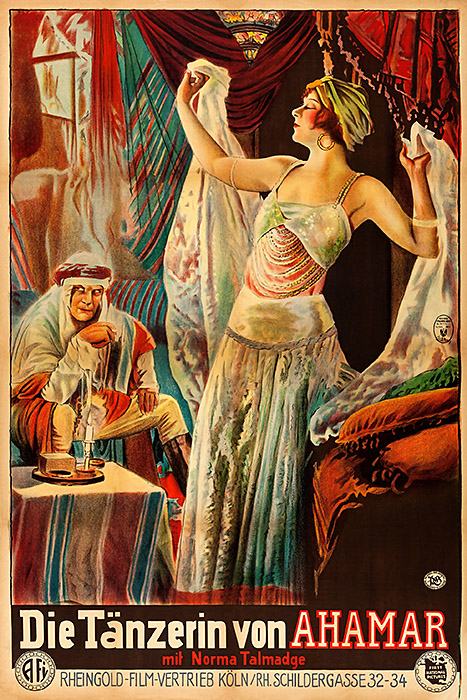
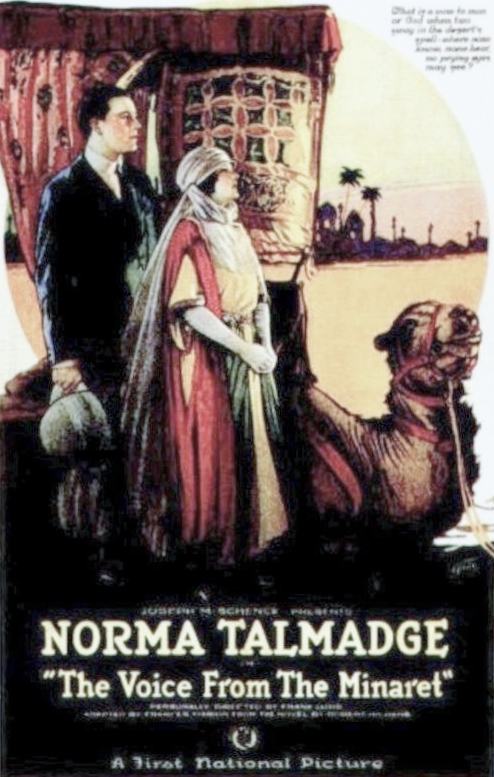
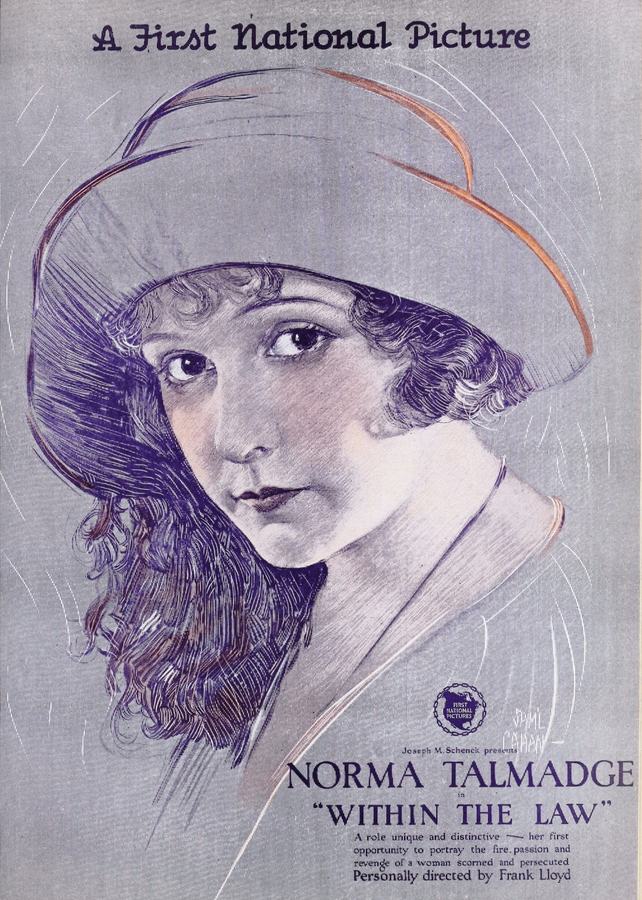
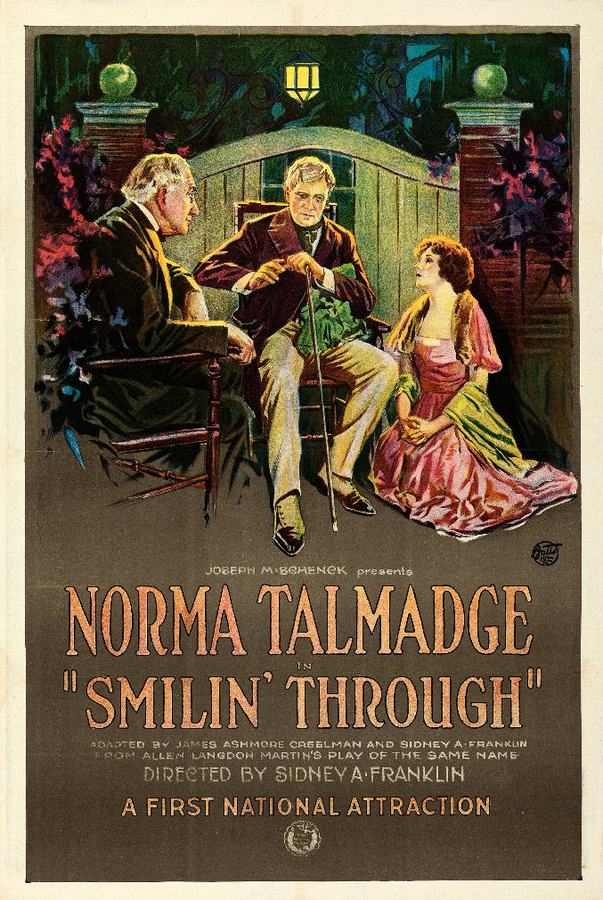
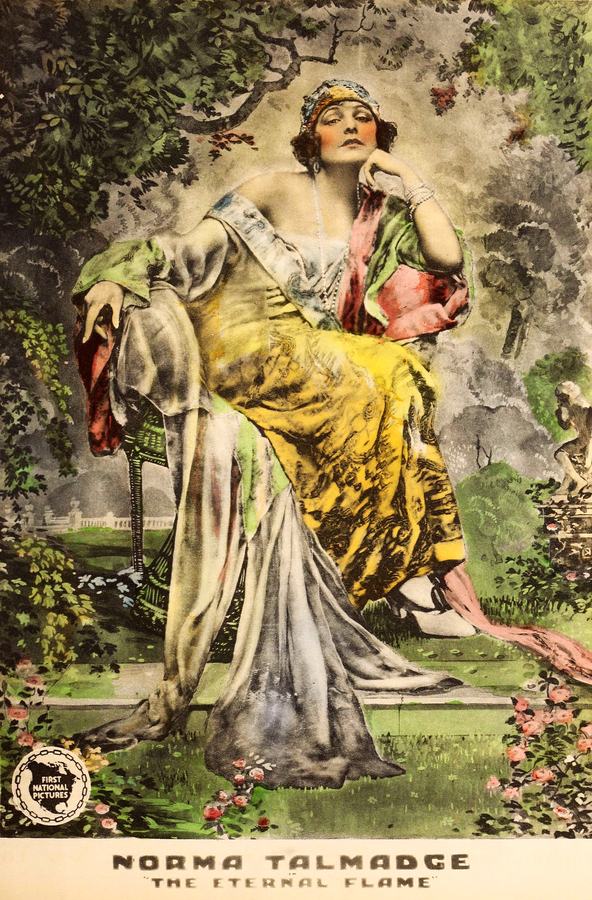
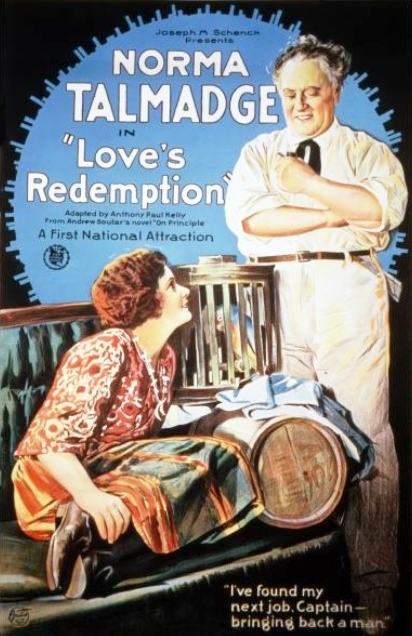
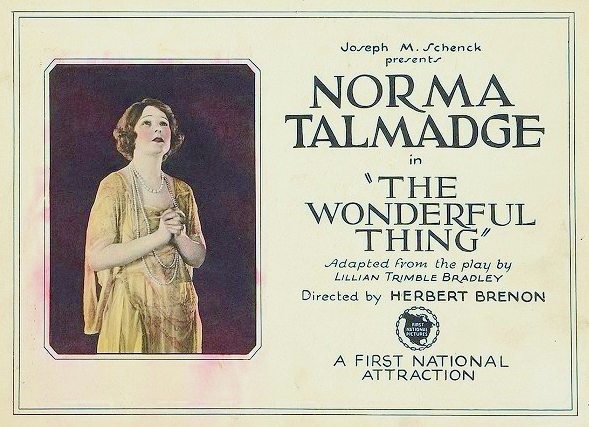
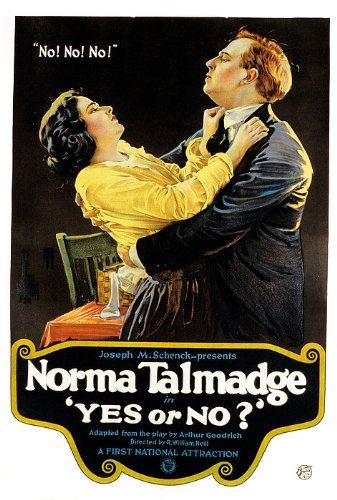
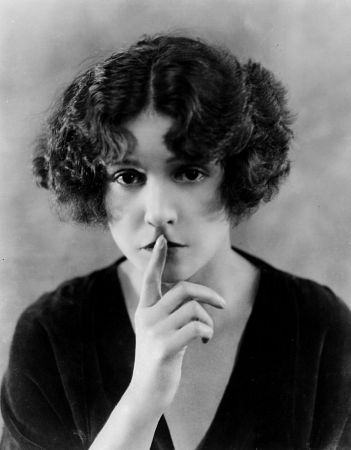
May 26, 1895, Jersey City, New Jersey: Norma Talmadge entered the world in a cramped flat that smelled of lye soap and unpaid rent. Her father, a bottle-for-breakfast dreamer, vanished on Christmas morning, leaving Peggy Talmadge to feed three daughters on starch and stubbornness. Laundry lines crisscrossed the tenement yard like theater ropes, and 14-year-old Norma stepped between them, face powdered for the camera of a passing portrait photographer. The picture landed on a Vitagraph desk in Manhattan; suddenly the gangly girl was handed a prop parasol and told to chase a rogue mouse in *The Household Pest* (1910). More bit parts followed—Eliza’s child-shadow in *Uncle Tom’s Cabin*, a wilted Japanese bride in *Love of Chrysanthemum*, a Confederate widow in *A Dixie Mother*—until Charles Dickens gave her a real breath: the seamstress who dies in *A Tale of Two Cities* (1911). By 1913 critics were already calling her “Vitagraph’s veiled Venus.” August 1915: Norma and Peggy stepped off the train in Los Angeles with suitcases stuffed more with nerve than clothes. Her Hollywood baptism, *Captivating Mary Carstairs*, proved anything but: the picture tanked and took fledgling National Pictures with it. Rescue arrived through little sister Constance, who was busy being chased by D. W. Griffith’s camera. A whisper in the right ear, and Norma signed eight frantic months of contracts—seven features, a fistful of two-reelers—learning to let her eyelids speak whole paragraphs. Back in New York she met Joseph M. Schenck—producer, strategist, chess player in a three-piece suit. They married in 1916, formed the Norma Talmadge Film Company, and rolled dice on *Panthea* (1917). The film exploded like a land-office boom; audiences gasped at the Siberian snowscapes and at Norma’s face—half madonna, half martyr. Hits snowballed—*The Wonderful Thing* (1921), *The Eternal Flame* (1922), *The Song of Love* (1923)—and by the time the company moved west, her name on a marquee could out-gross a railroad payroll. Then 1928 arrived wearing a smirk. *The Woman Disputed* staggered, and the talkies arrived like cops raiding a speakeasy. Norma’s velvet voice—perfect for melodrama—shrank under the microphone. *Du Barry, Woman of Passion* (1930) closed her film account at 250-plus titles. She divorced Schenck, married song-and-dance man George Jessel, and tried radio, hoping the airwaves might resurrect the flicker of fame. Ratings flat-lined; the show died; the silence that followed was louder than any applause she had ever known. A second divorce in 1939, then a third marriage in 1946 to Dr. Carvel James—a quiet man who preferred scalpels to spotlights. On Christmas Eve 1957, in Las Vegas, the stroke that had been stalking her finally pounced. She was 62. The woman who once sold out Broadway houses and European palaces left the stage with no curtain speech, only the echo of 250 faces flickering in the dark.
Filmography
In the vault (25)