Paul Gilmore
actor, writer
- Born:
- 1873-07-14, Milwaukee, Wisconsin, USA
- Died:
- 1962-12-29, Palm Springs, Florida, USA
- Professions:
- actor, writer
Biography
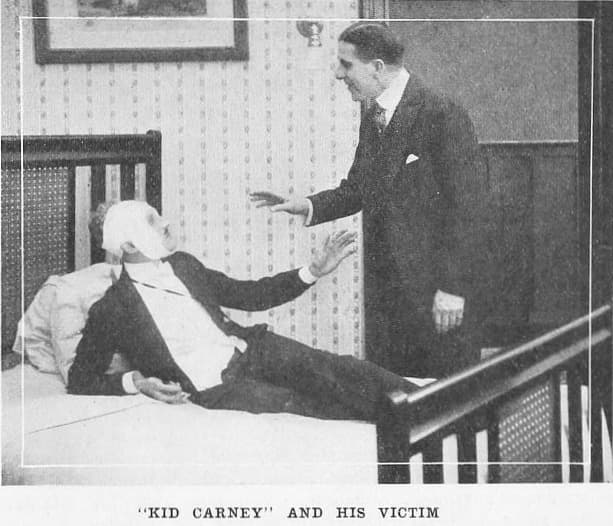
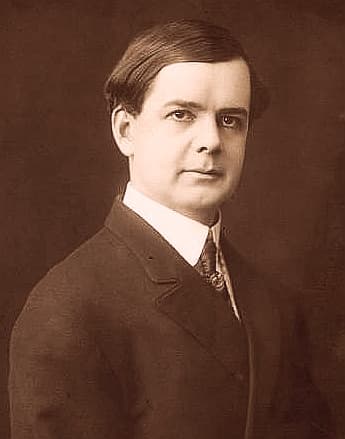
Milwaukee, 1873: a publisher’s son slips away from law books and into the footlights of his father’s Grand Opera House. One glimpse of Paul Gilmore in an amateur skit was enough for producer Jacob Litt. In 1891 Litt shoved a train ticket into the 18-year-old’s hand and said, “Be an ensign for a few weeks.” The weeks stretched into years; the law briefs never reopened. By twenty-three Gilmore had traded Litt’s wagon for Charles Frohman’s Broadway spotlight, earning headlines as “the youngest, best-dressed leading man on the American stage.” Dark curls, velvet collars, and eyes that could wink or weep on cue made him the era’s default swashbuckling sweetheart—Captain Debonnaire in person. While the century turned, he also turned cranks for the movies’ infancy: thirty-second morsels for Edison—pillow fights, vanishing ladies, a miser counting ghostly coins—plus nameless bits for Biograph. Fame on celluloid was still a parlor trick; stage applause still paid the bills. June 17, 1897: he married Regina Cooper, heiress of the Dubuque wagon fortune. Forty-eight hours after twins arrived on September 9, 1899, Regina’s heart stopped. Gilmore, shattered, signed the infants over to their grandfather and climbed back on the rails with his company. Three months later, in Phoenix, a prop revolver spat real bullets. Six slugs ripped through Gilmore; fellow actor Lewis Monroe died of lockjaw. Surgeons predicted a limp future—instead, October 1900 found him strutting across the continent in “Under the Red Robe.” Stardom crystallized at New York’s Fourteenth Street Theatre in “The Dawn of Freedom.” For the next decade he seldom slept in the same city twice, dashing through “The Mummy and the Hummingbird,” “The Boys of Company B,” and scores of other crowd-pleasers. He married twice more—Mary Goodwin (1901-1909) and actress Ethel Cauley (1909)—and by 1915 had leapt into features. Nine movies later his bankroll topped a quarter-million. He scooped up 40 Gulf-coast acres on Anna Maria Island and dreamed aloud of “Paul Gilmore’s Oriental Film City,” a coconut rival to California’s orange groves. Cameras rolled on “Isle of Destiny” in 1920; barges ferried horses, Model-Ts, and 200 extras across sun-splashed water. The picture sold out New York houses, but Florida real-estate roulette wiped the fortune clean. Greenwich Village offered a consolation prize: an abandoned tobacco warehouse on Cherry Lane. Gilmore converted it into a pocket stage and, with daughter Virginia (the twin who had rejoined him), gave early pay envelopes to Robert Walker Sr., Jennifer Jones, and Carl Reiner. In 1948 the pair trekked to Duluth, raised a Quonset hut beside Lake Superior, and opened the Gilmore Comedy Theatre on his seventy-sixth birthday. Seven seasons of “This Thing Called Love” and other lighthearted fare followed before age and frost convinced him to sell. Father and daughter retired to Dubuque’s 418 Raymond Place. Wintering in Palm Springs, Florida, Paul Gilmore died on December 29, 1962, at eighty-nine. He rests in Mt. Olivet Cemetery, Key West, Iowa. Virginia Regina Cooper Gilmore survived until 1981, bequeathing the estate—then worth more than a million—to kin, Catholic charities, and Saint Raphael’s Cathedral.