Richard Rosson
actor, assistant_director, director
- Born:
- 1893-04-04, New York City, New York, USA
- Died:
- 1953-05-31, Pacific Palisades, California, USA
- Professions:
- actor, assistant_director, director
Biography
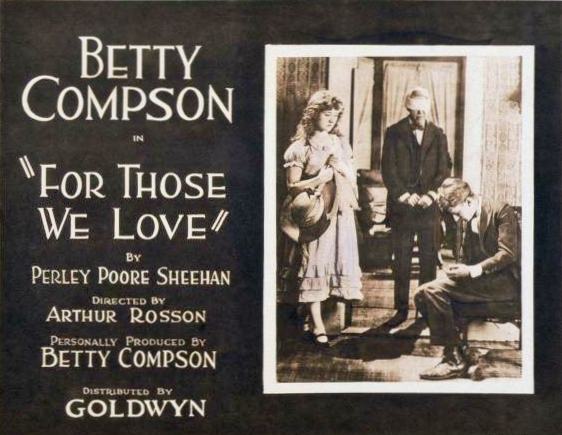
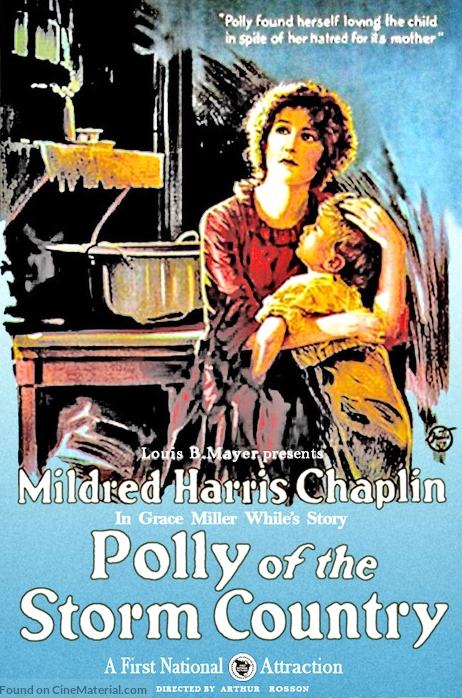
Born in the heart of Manhattan on April 4, 1893, Richard Rosson was a central figure in a cinematic dynasty. While he forged his own legacy, his siblings were equally vital to the burgeoning film industry: his elder brother Arthur commanded the director's chair, his younger sister Helene shone as an actress, and his brother Harold 'Hal' Rosson became a titan of cinematography, securing the inaugural Academy Award for color photography. Richard’s own screen debut arrived in 1911 under the moniker 'Dick Rosson' in the John Bunny comedy Selecting His Heiress. He maintained a steady acting career until 1922, though his transition to directing began as early as 1917 when he co-helmed Her Father's Keeper with Arthur. The brothers frequently collaborated, with Arthur directing Richard in five features: Cassidy (1917), A Case at Law (1917), Polly of the Storm Country (1920)—which also featured Hal's camerawork—For Those We Love (1921), and Always the Woman (1922). Rosson’s independent directorial career launched at Paramount (Famous Players-Lasky) with the Gloria Swanson vehicle Fine Manners (1926). Following a prolific stretch of eight films between 1927 and 1928, his momentum faltered with the arrival of sound. His first 'talkie,' The Very Idea (1929), marked the start of a hiatus as Hollywood studios prioritized Broadway directors and sound engineers over silent-era veterans. However, Rosson found a powerful ally in Howard Hawks, beginning with their work on Scarface (1932). This partnership spanned eight films, with Rosson serving as Hawks' second-unit director on four projects and co-directing Today We Live (1933). He also directed the logging sequences for Come and Get It (1936) and concluded his career with the Hawks-produced Corvette K-225 (1943). Throughout his years in the industry, Richard often reunited with his brother Hal on films like Panthea (1917), Too Hot to Handle (1938), and Flight Command (1940). Their collaboration on Polly of the Storm Country was particularly notable for the billing of Mildred Harris Chaplin, a name used by Louis B. Mayer to capitalize on her marriage to Charlie Chaplin despite the comic's objections. Richard Rosson’s life reached a tragic conclusion on May 31, 1953, in Pacific Palisades, where he died by carbon monoxide poisoning at the age of 60. He remains interred at Hollywood Forever Cemetery.
Filmography
In the vault (5)