
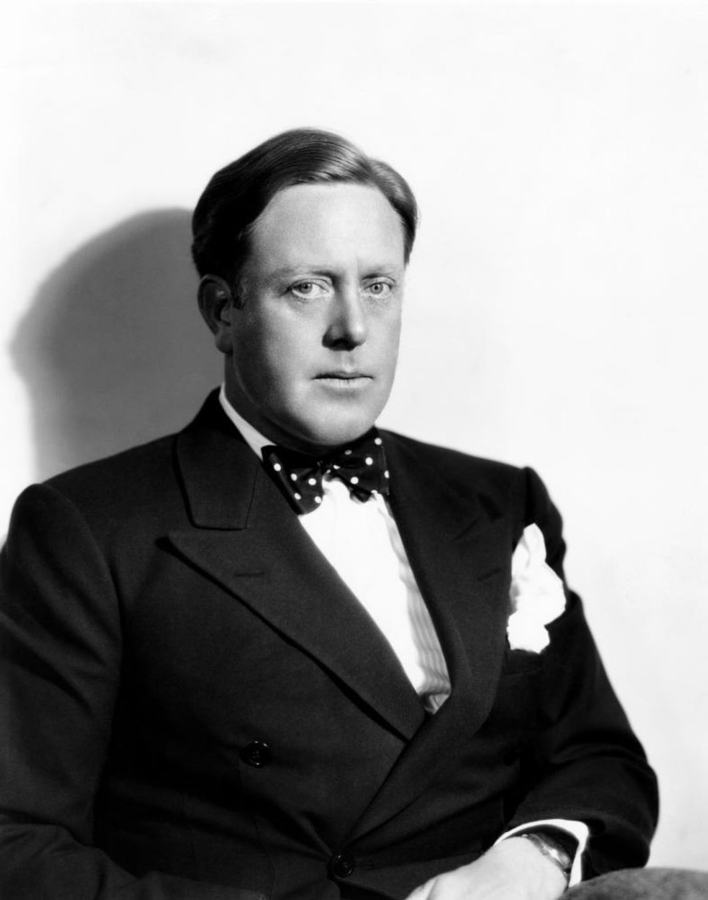
Robert Z. Leonard
actor, director, producer
- Birth name:
- Robert Zigler Leonard
- Born:
- 1889-10-07, Chicago, Illinois, USA
- Died:
- 1968-08-27, Beverly Hills, Los Angeles, California, USA
- Professions:
- actor, director, producer
Biography
Hailing from Chicago, Robert Z. Leonard initially pursued legal studies at the University of Colorado. However, the courtroom couldn't hold his attention; he soon abandoned law for the allure of the theatre. With his family's relocation to Hollywood in 1907, Leonard plunged into the nascent film industry, first as an actor for Selig Polyscope. Despite achieving star status by 1916, his true passion resided behind the lens. Transitioning to directing in 1913, he first helmed a series of short comedy features, truly making his mark in 1914 when he was entrusted with the serial *The Master Key*. Between 1915 and 1919, his Universal contract saw him primarily directing features for the ex-Ziegfeld Follies sensation, Mae Murray, who would soon become his wife. In a bid to craft tailor-made star vehicles for Murray, the couple established Tiffany Productions in 1919. Though Tiffany Productions, later Tiffany-Stahl, persisted on the Talisman lot—a "Poverty Row" outpost notorious for churning out low-budget Westerns and even more economical "Chimp Comedies" (yes, starring actual chimps, far cheaper to manage than human talent!)—Leonard and Murray departed to join the newly formed Metro-Goldwyn-Mayer in 1924. His marriage to the spirited Murray dissolved in divorce in 1925, and after a notable clash with MGM titan Louis B. Mayer, Murray herself exited the studio two years later. Leonard, however, found new marital bliss with actress Gertrude Olmstead and cemented his position as one of MGM's most steadfast contract directors for the subsequent three decades. A perfect fit for the assembly-line efficiency of the studio system, he thrived as part of producer Hunt Stromberg's highly skilled team, churning out a prolific stream of musicals and light comedies. While rarely lauded by critics as a directorial visionary, Leonard nonetheless demonstrated remarkable competence, skillfully guiding a diverse array of A-list productions, frequently featuring notoriously difficult stars. His impressive roster of MGM successes included the vibrant backstage musical *Dancing Lady* (1933); the lavish, multi-Oscar-winning musical biopic *The Great Ziegfeld* (1936), a spectacle completed on a then-staggering $2 million budget; all but two entries in the beloved Nelson Eddy-Jeanette MacDonald operetta series; and the elegant, sharp-witted *Pride and Prejudice* (1940). This adaptation of Jane Austen's celebrated novel, scripted by none other than Aldous Huxley and starring Laurence Olivier and Greer Garson, epitomized the grandeur of MGM's post-Thalberg costume dramas. Though critical appraisals often overlooked his films for their perceived lack of artistic depth, the undeniable truth was their consistent profitability; few of his projects ever saw red. Leonard masterfully delivered what audiences craved: pure escapist entertainment, particularly shining with opulent, star-studded extravaganzas such as *Ziegfeld Girl* (1941) and *Week-End at the Waldorf* (1945). An ironic departure occurred in 1949 when he ventured, unsuccessfully, into the shadowy realm of film noir with *The Bribe* (1949)—a genre equally uncharacteristic for MGM. Despite a formidable cast featuring Robert Taylor, a resplendent Ava Gardner, and Vincent Price as a war surplus racketeer, the film proved a box office disappointment. Producer Pandro S. Berman famously dismissed it as "a heap of junk" that "should never have been made." Yet, in retrospect, *The Bribe* holds up surprisingly well, having cultivated a notable cult following over the decades, with scenes notably incorporated by Steve Martin in his brilliant montage comedy *Dead Men Don't Wear Plaid* (1982). Leonard retired from MGM under the studio's retirement plan in 1955. A brief sojourn in Italy followed, where he directed Gina Lollobrigida in *Beautiful But Dangerous* (1955), before concluding his directorial career with a rather unremarkable family film, *Kelly and Me* (1956), at Universal. He lived in Beverly Hills with his wife, Gertrude, until his passing in August 1968.
Filmography
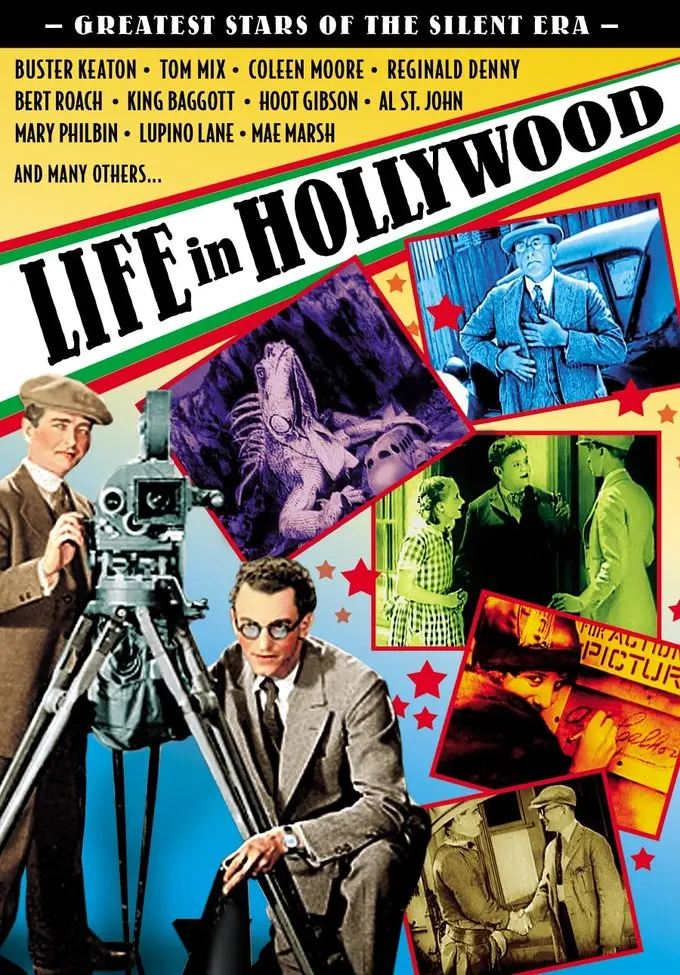
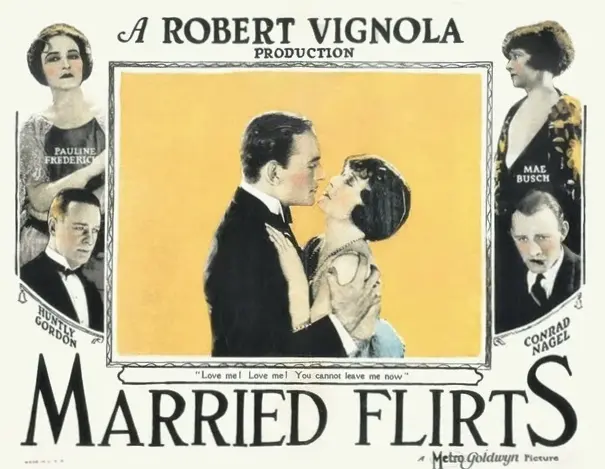
In the vault (2)
Knowledge Base
Frequently Asked Questions about Robert Z. Leonard
Community
Comments
Log in to comment.