Tom Mix
actor, director, writer
- Birth name:
- Thomas Hezikiah Mix
- Born:
- 1880-01-06, Mix Run, Pennsylvania, USA
- Died:
- 1940-10-12, Florence, Arizona, USA
- Professions:
- actor, director, writer
Biography
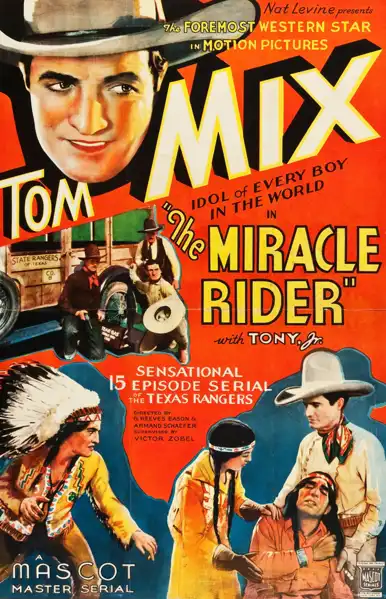
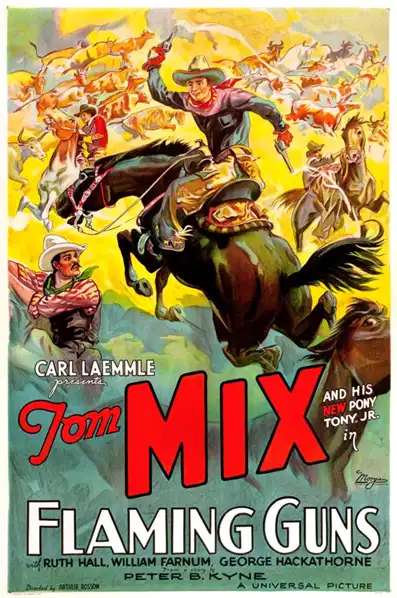
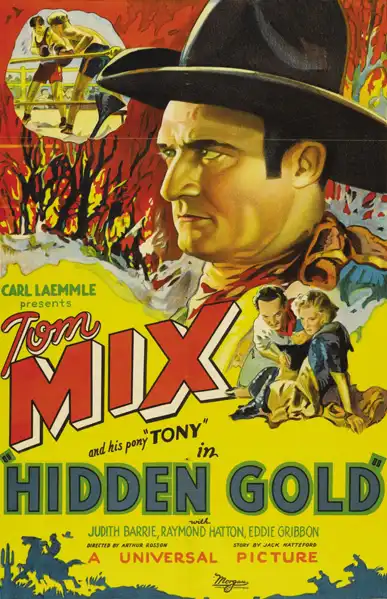
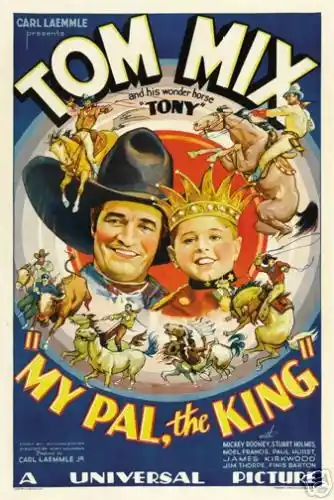
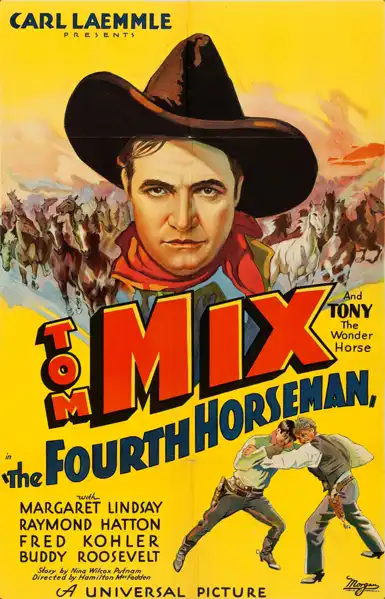
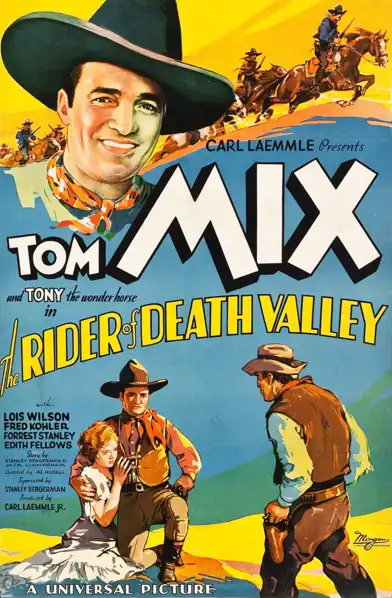
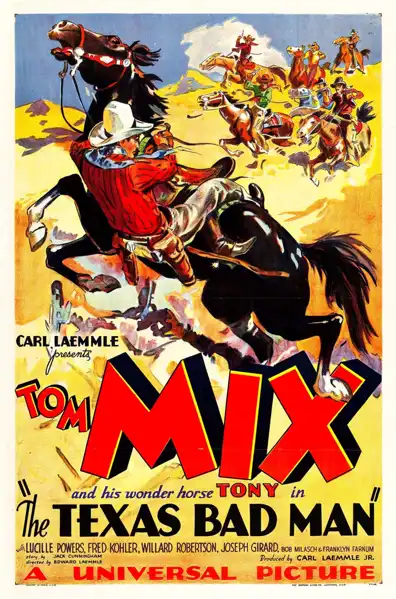
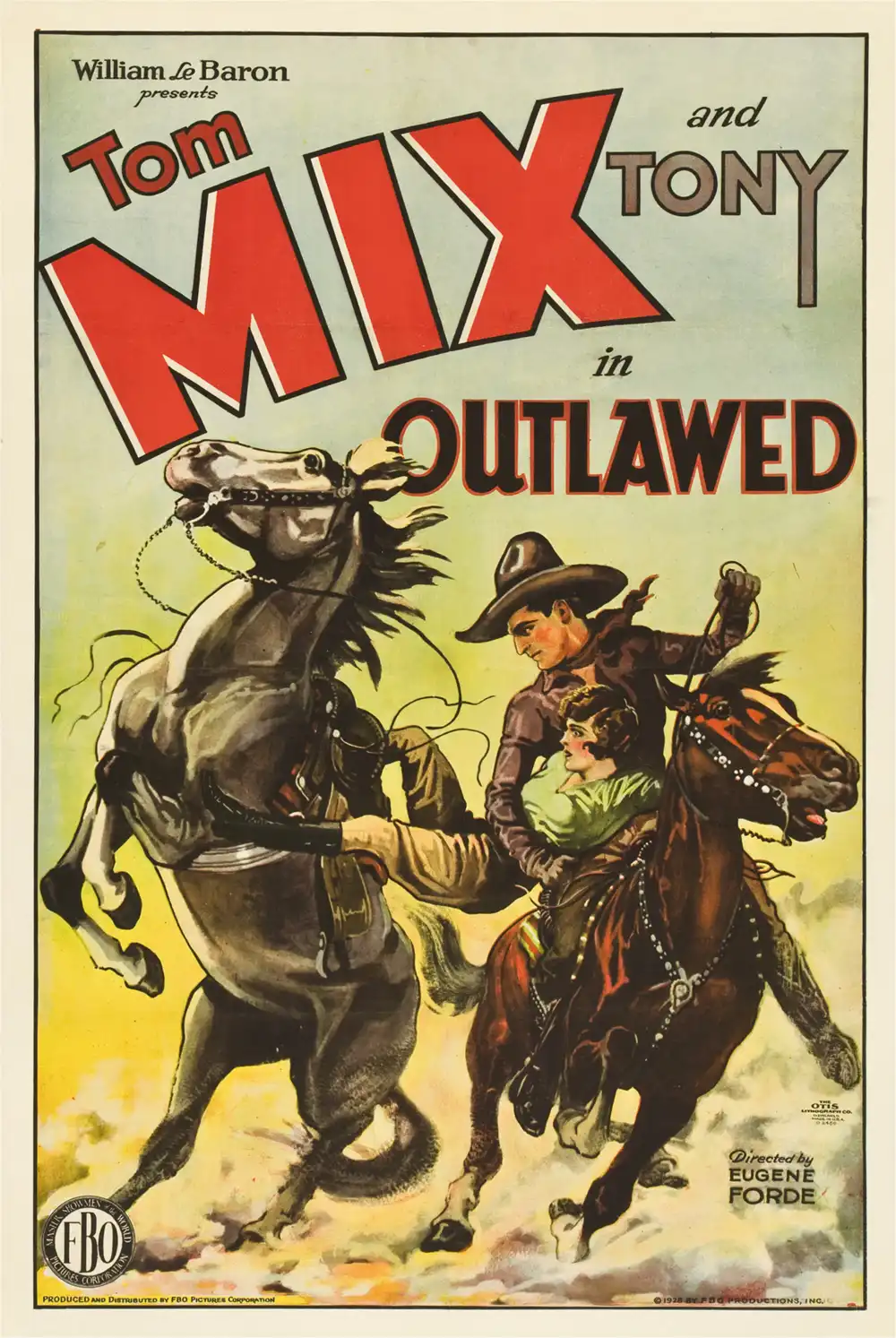
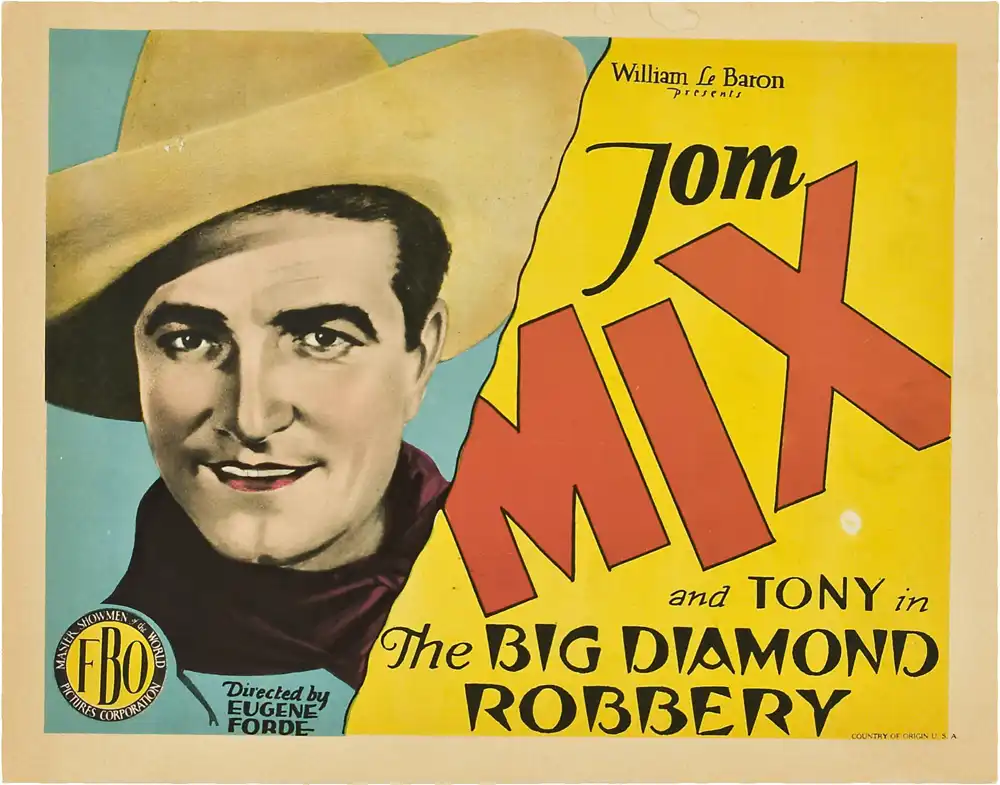
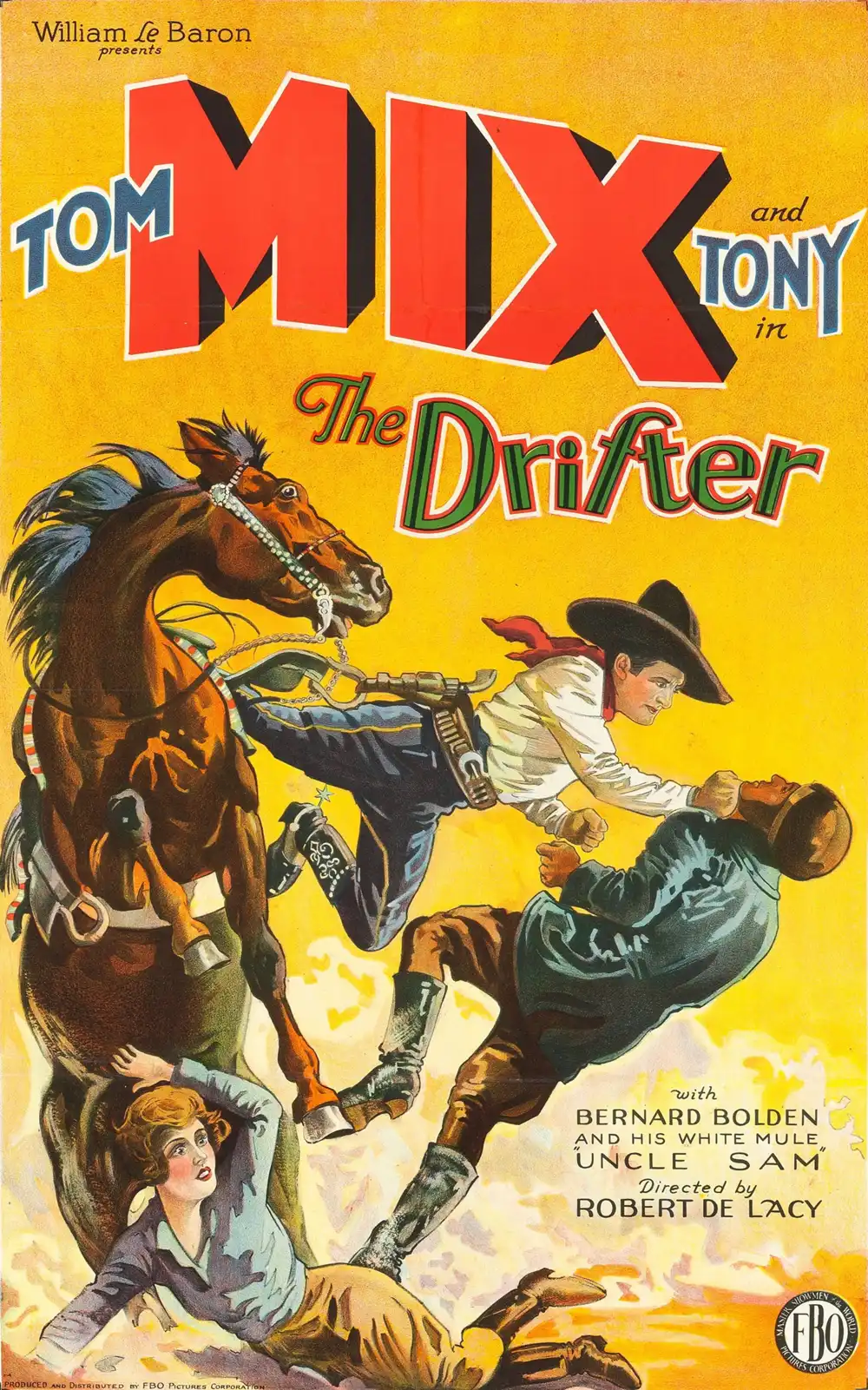
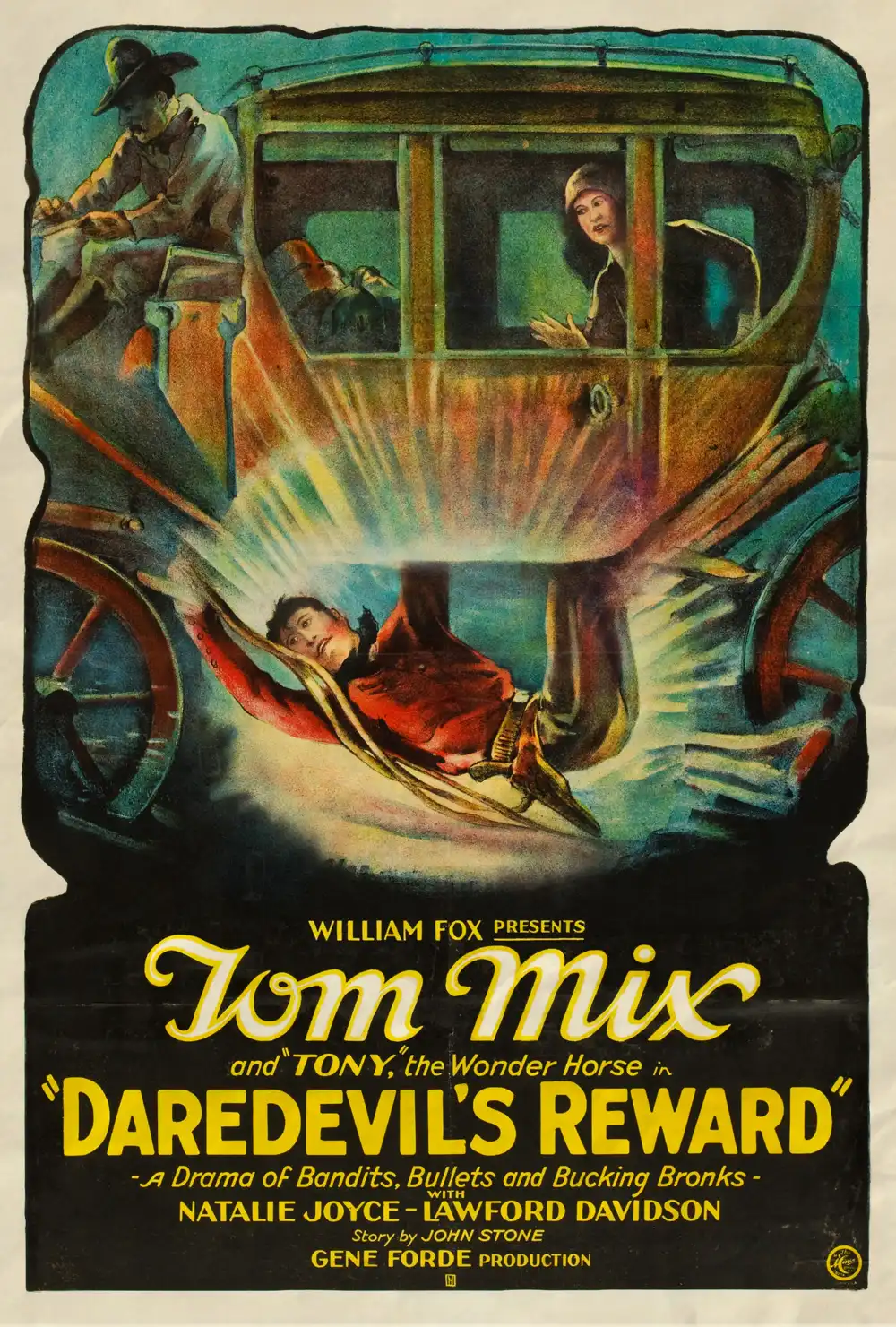
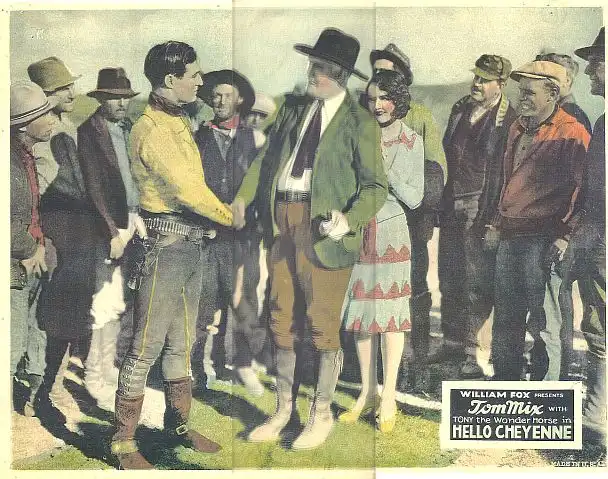
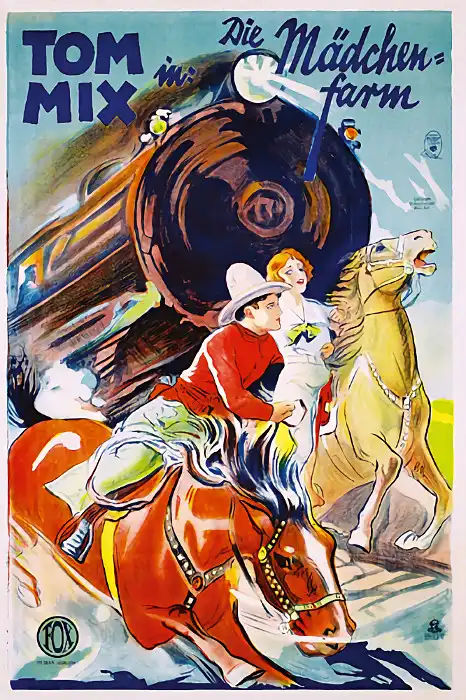
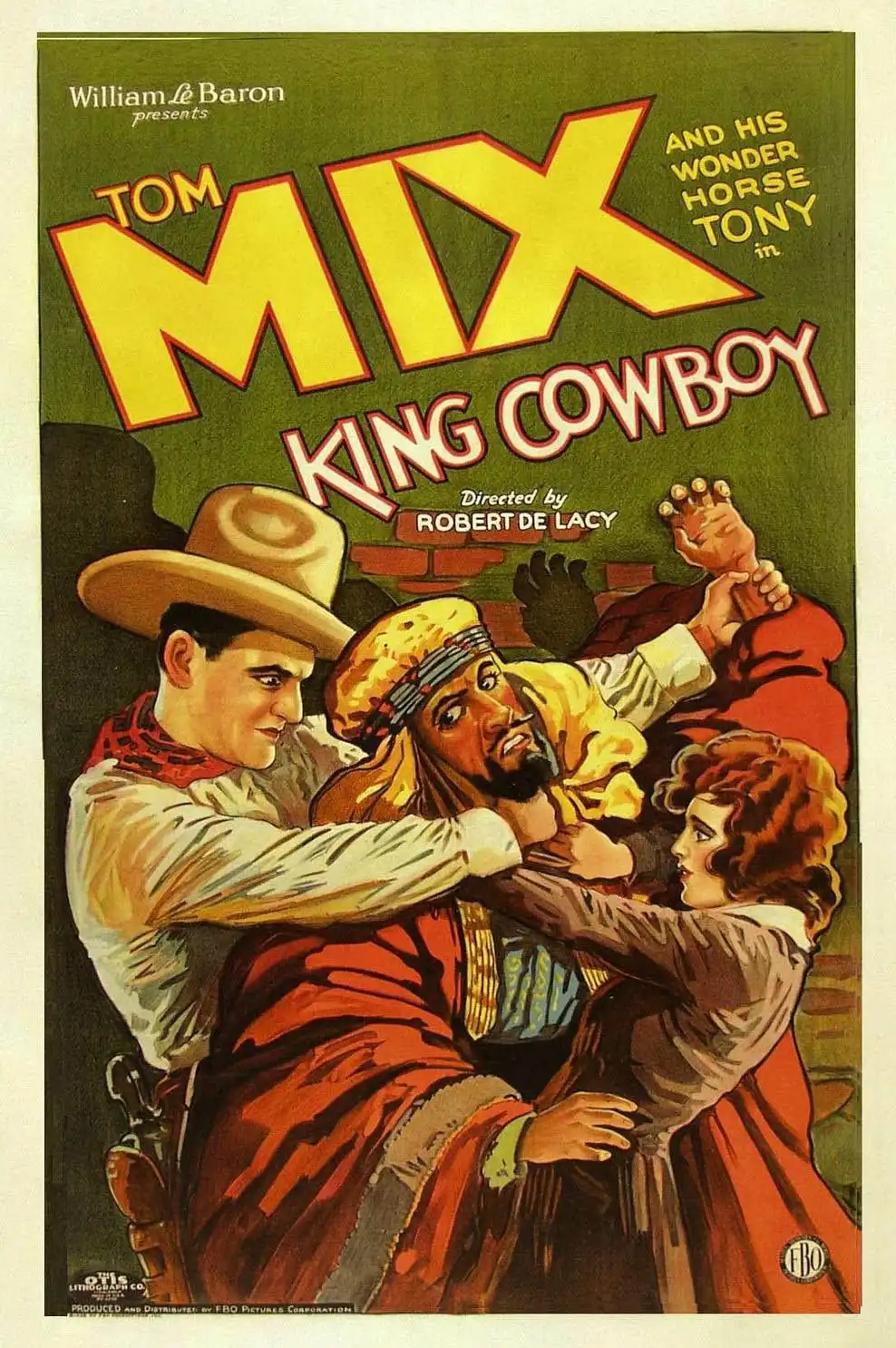
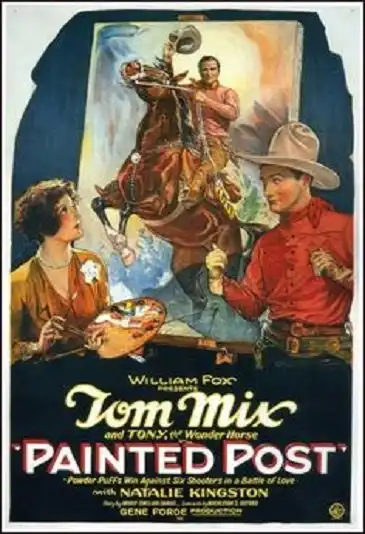
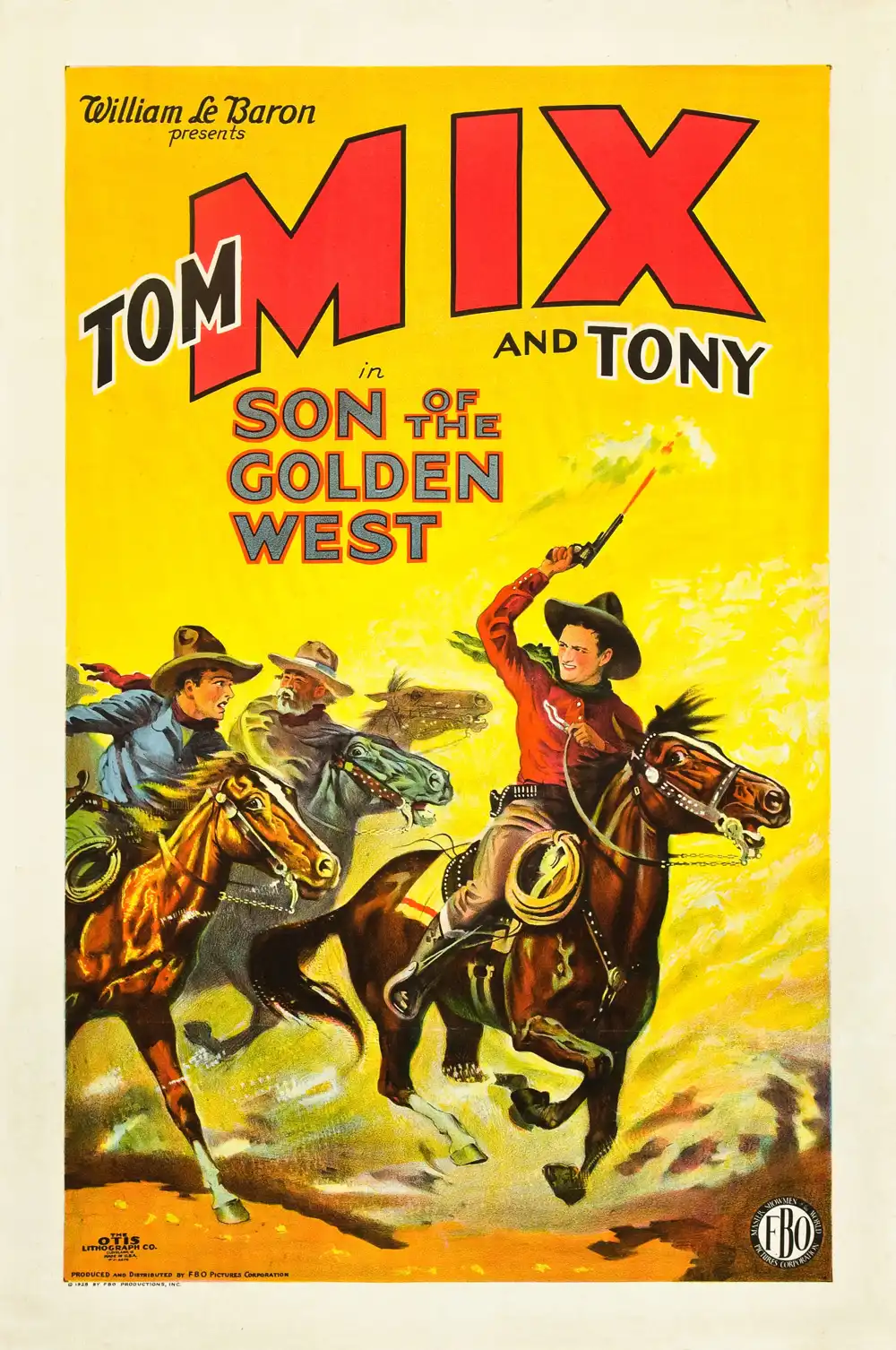
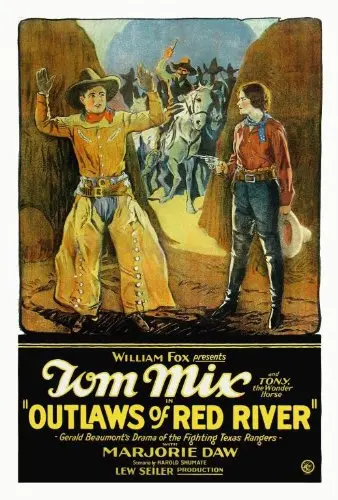
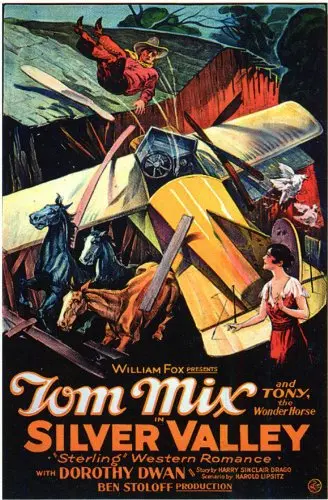
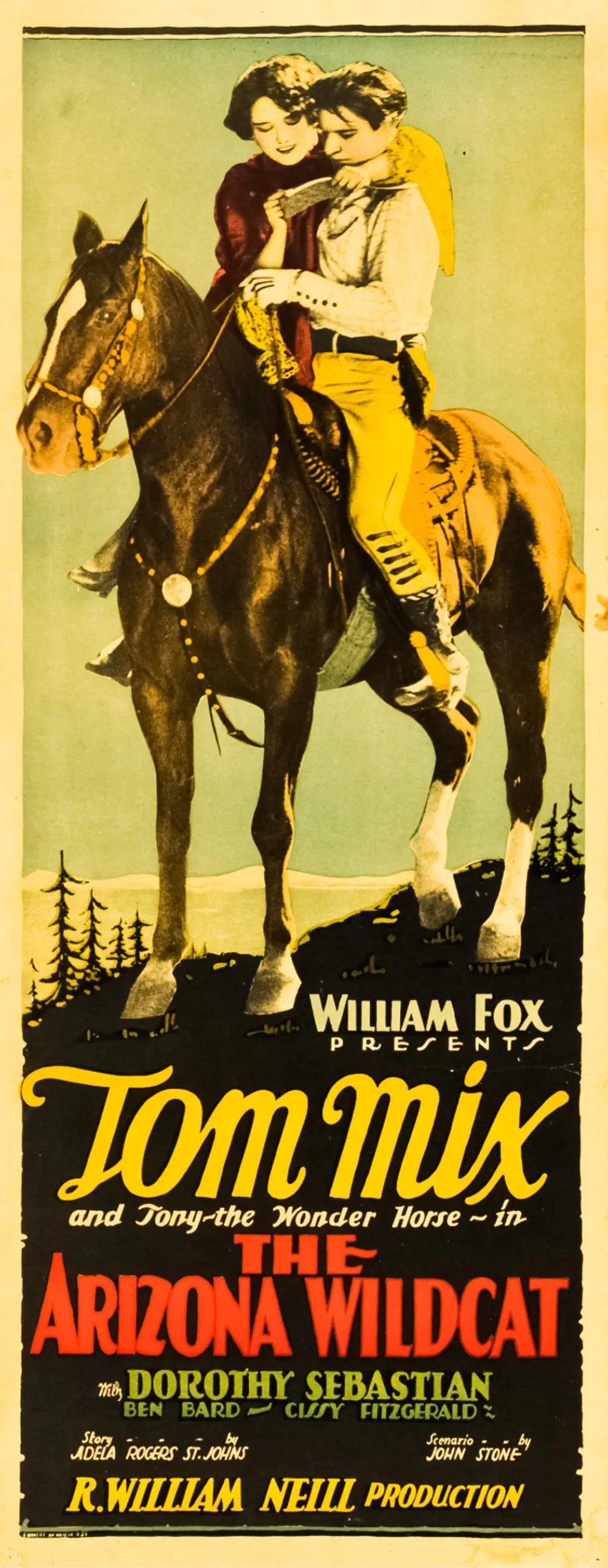
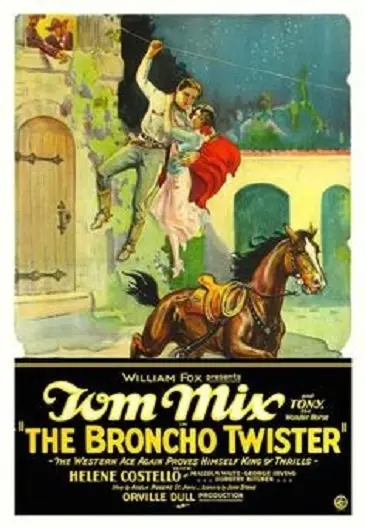
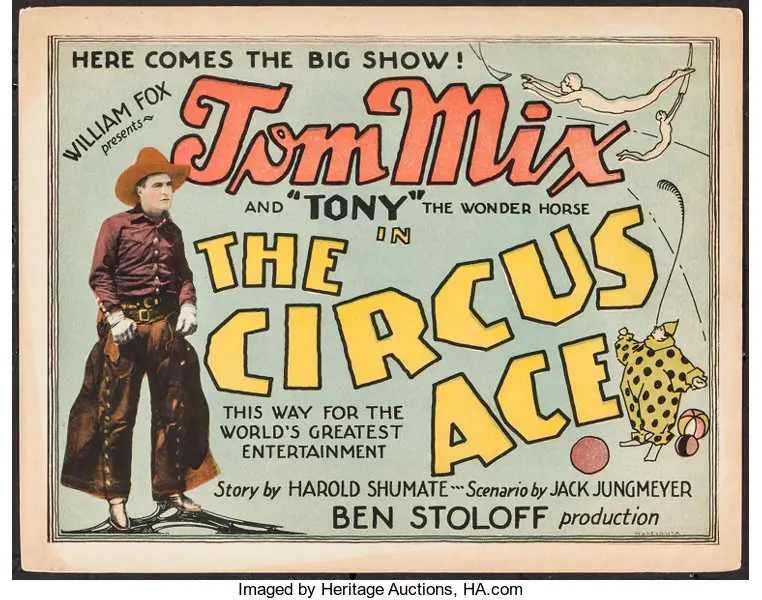
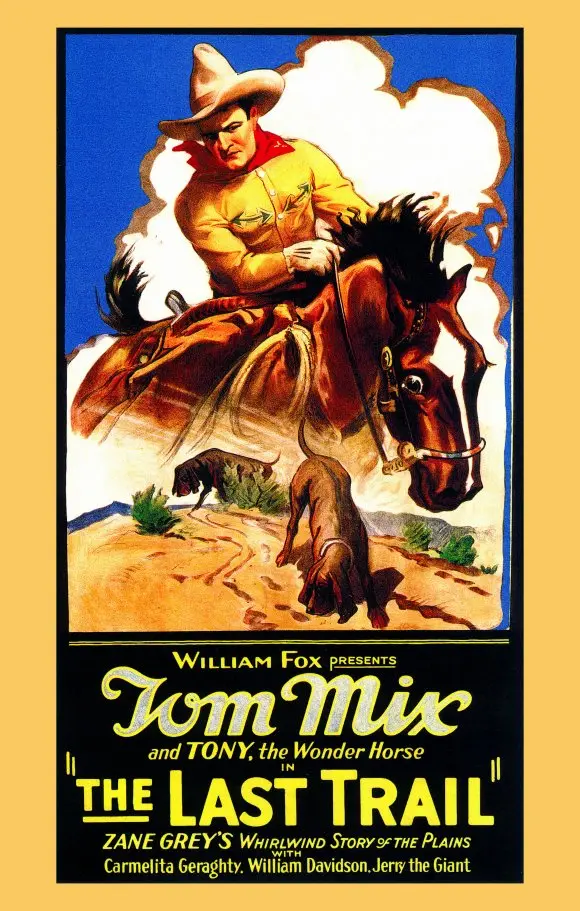
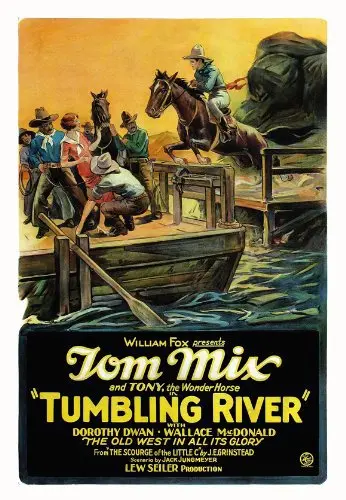
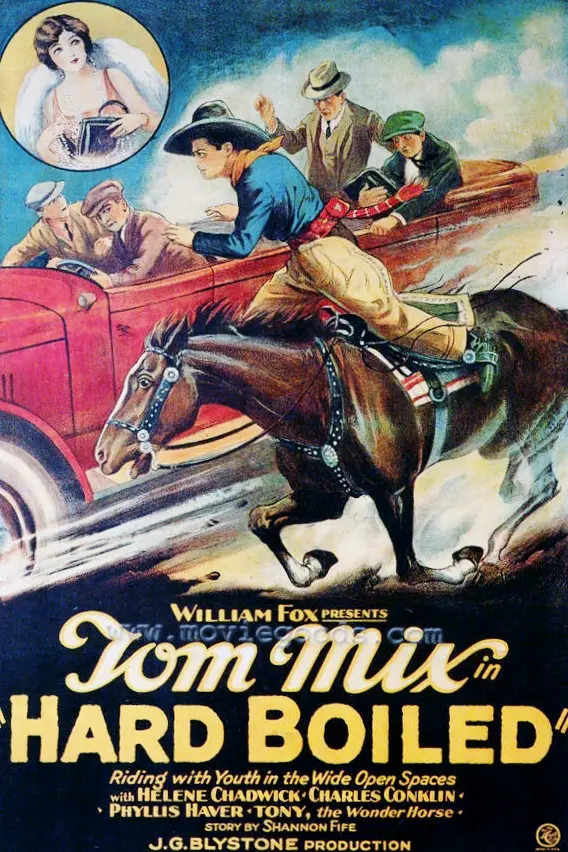
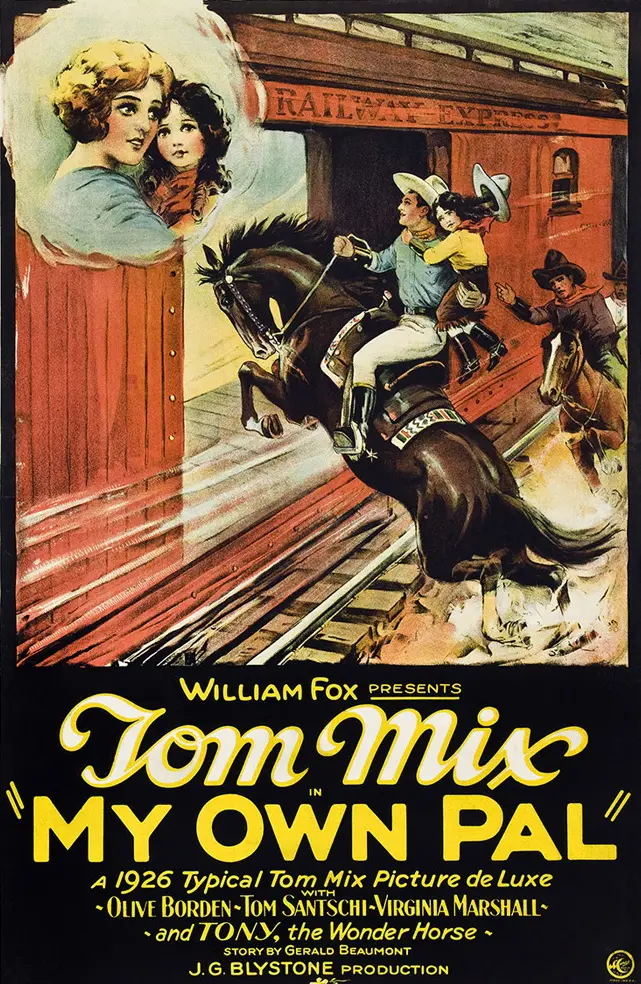
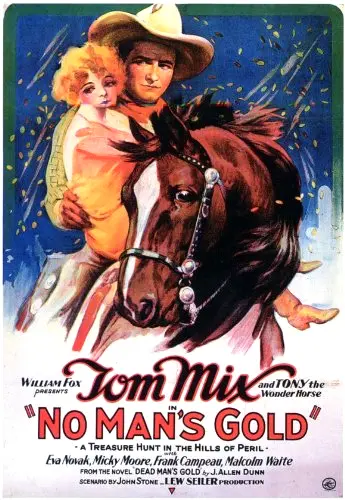
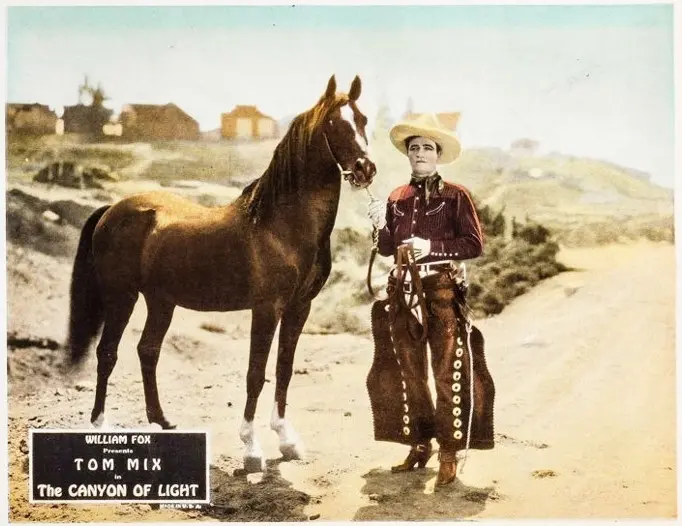
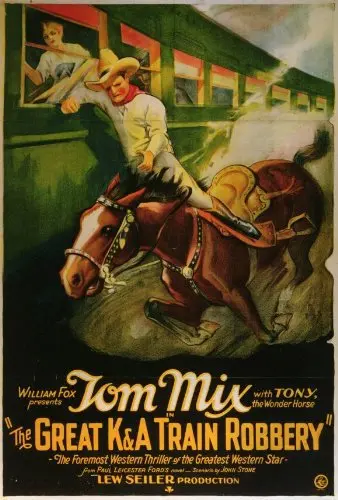
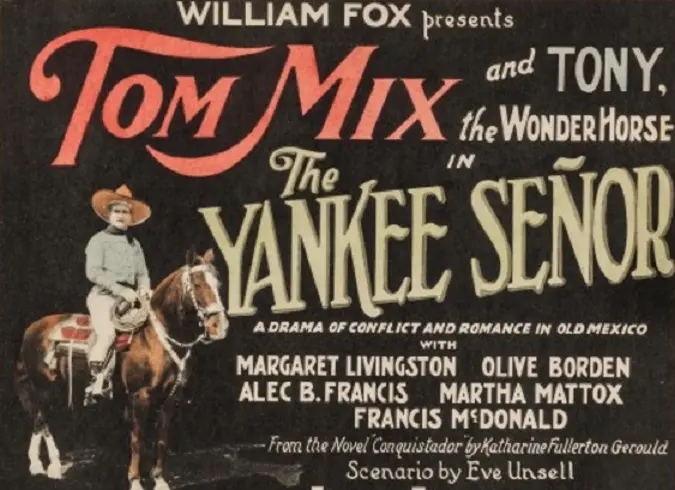
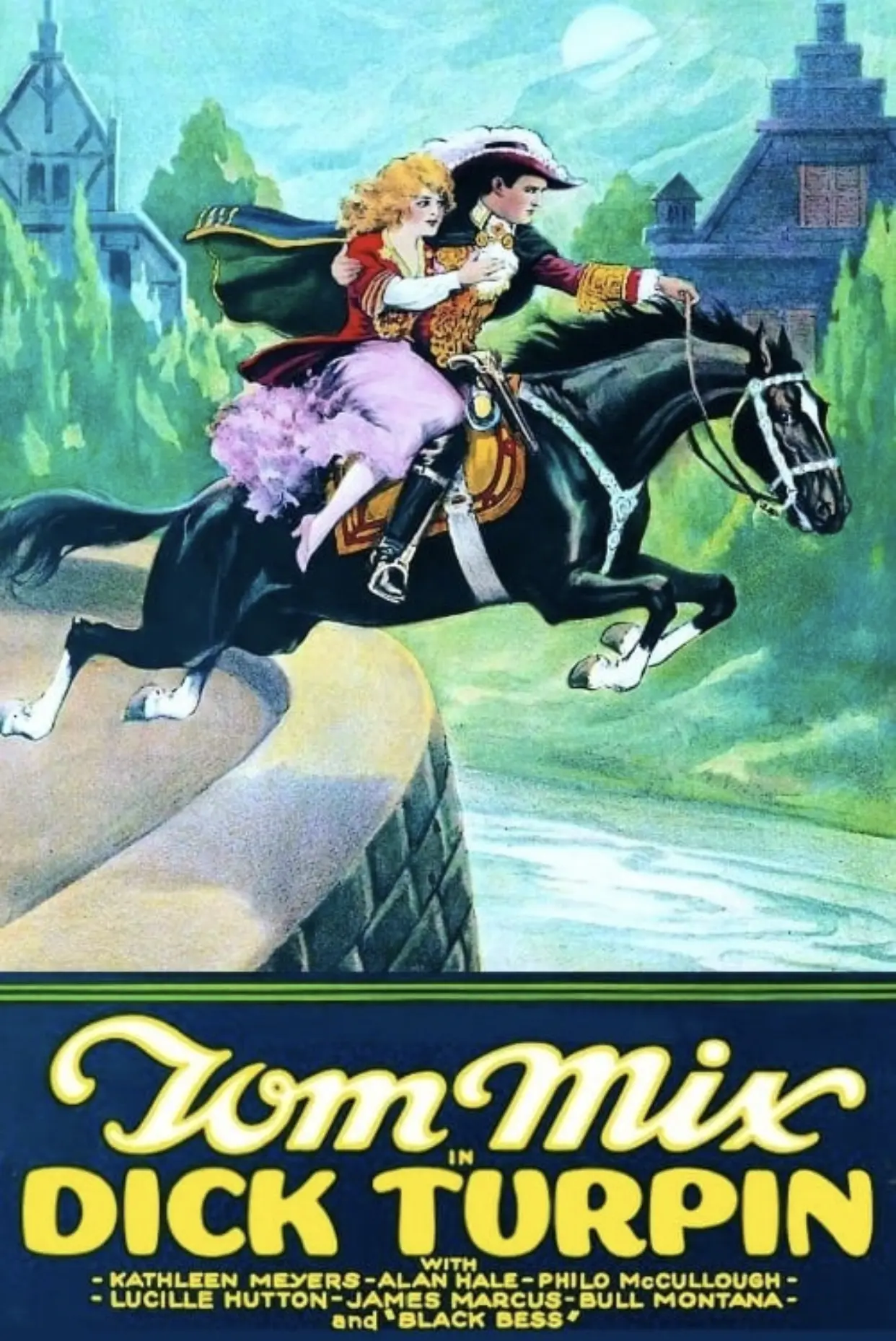
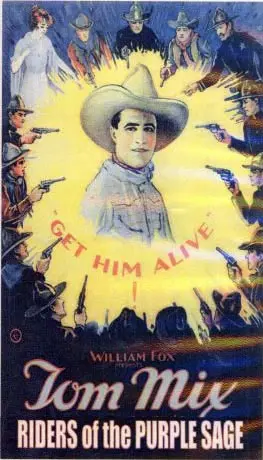
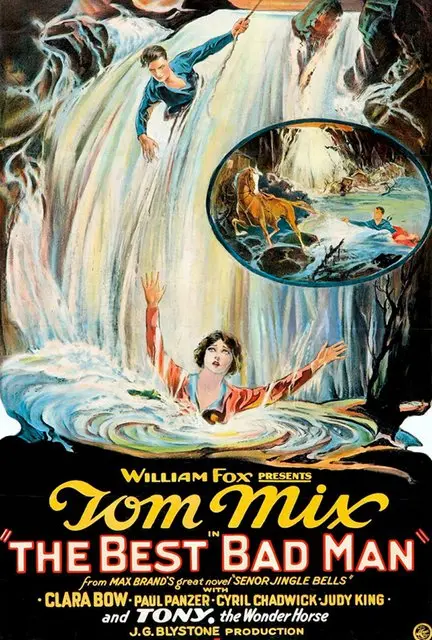
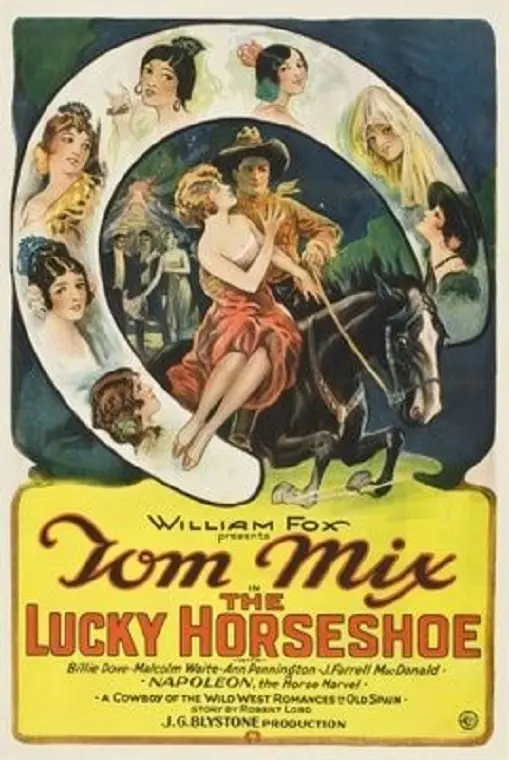
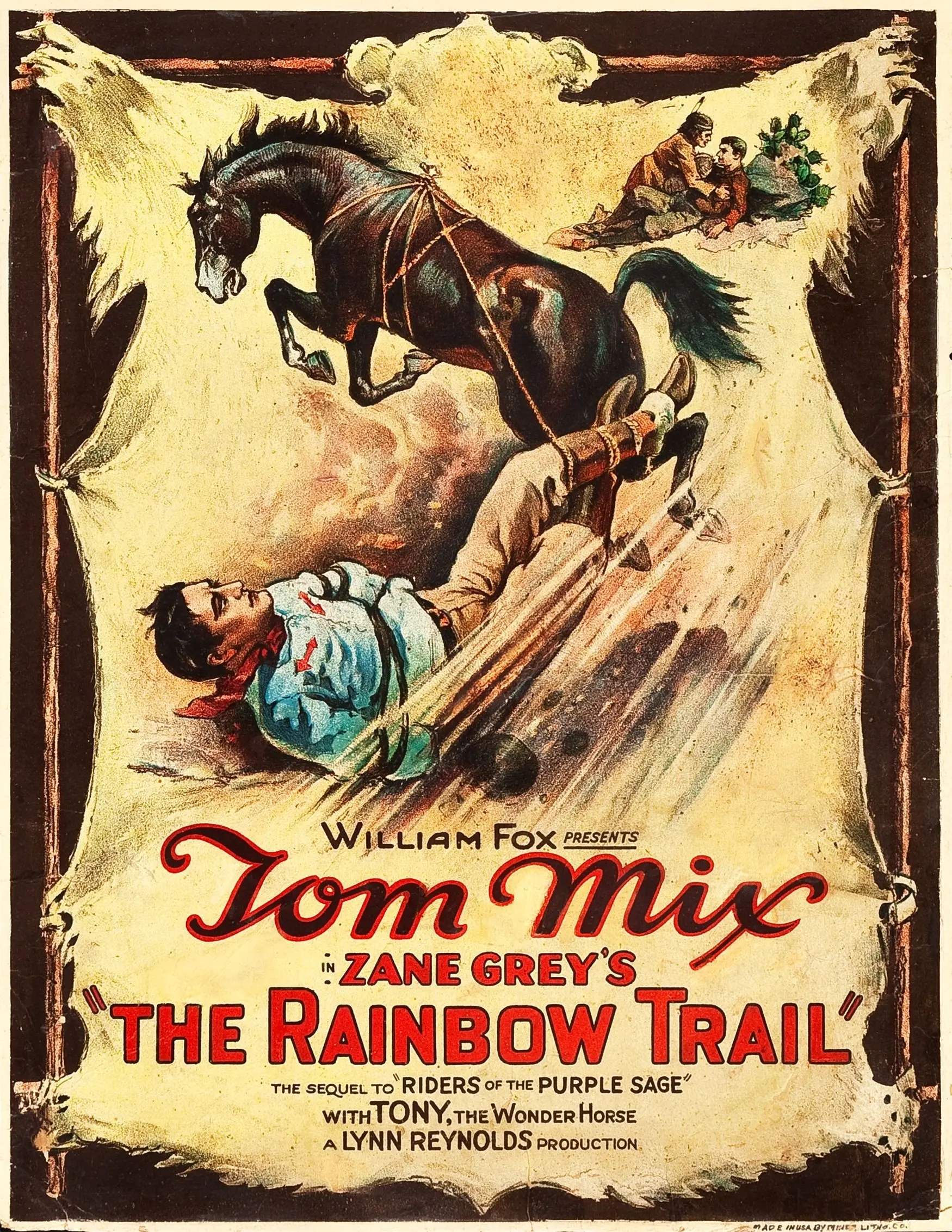
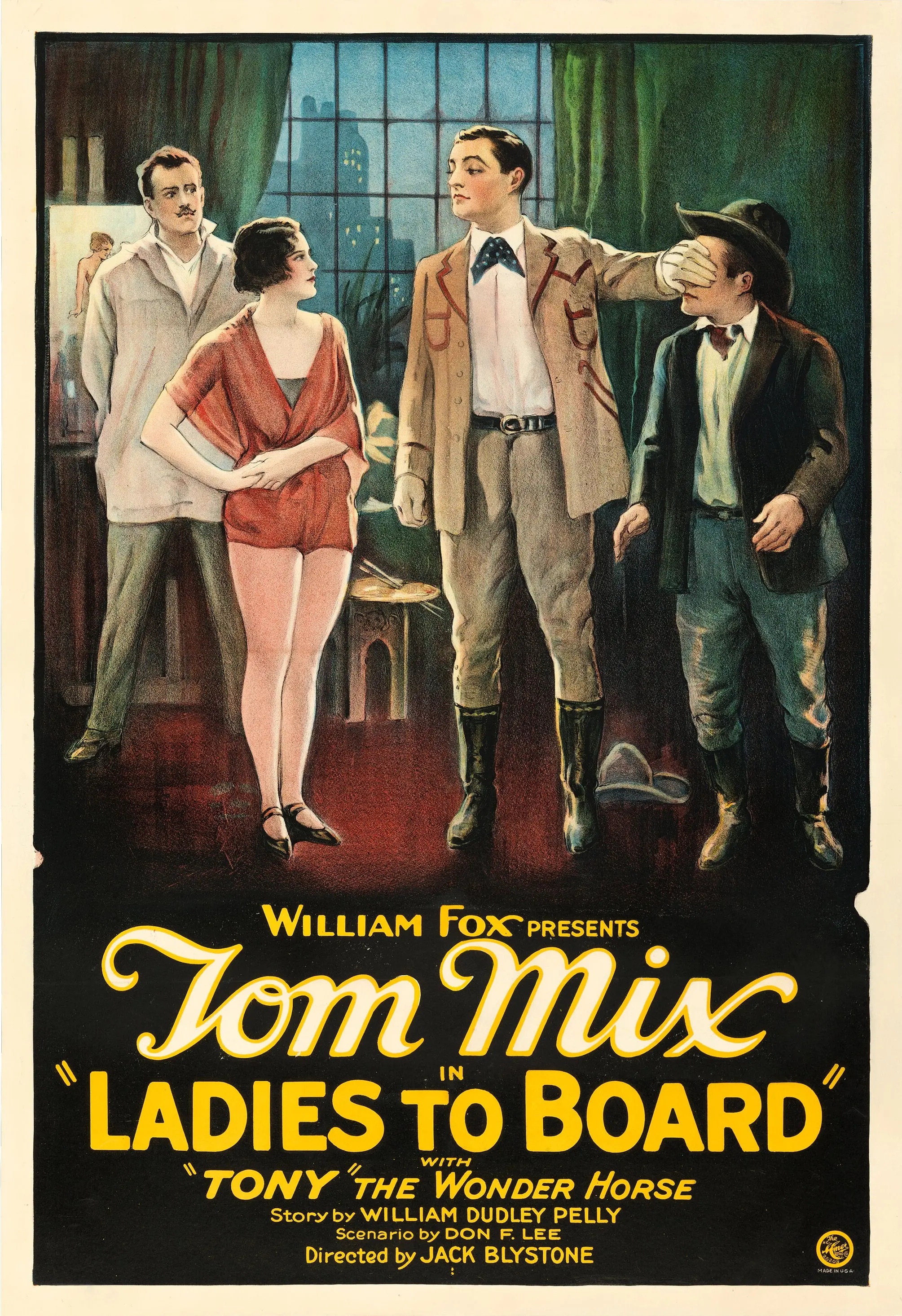
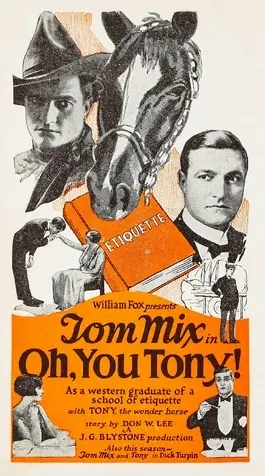
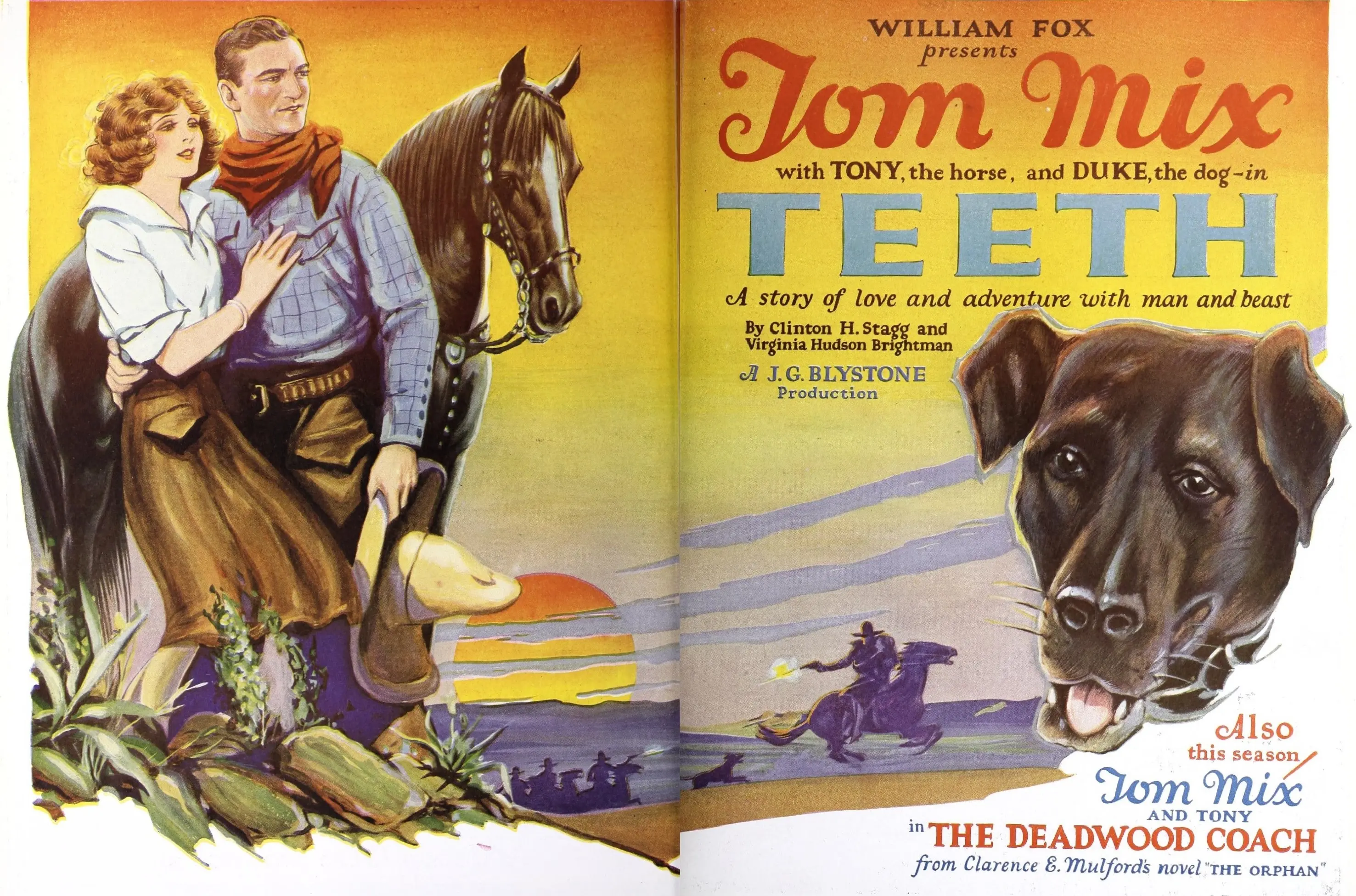
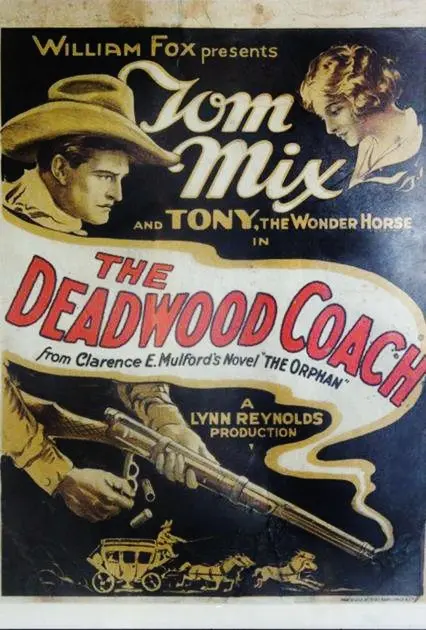
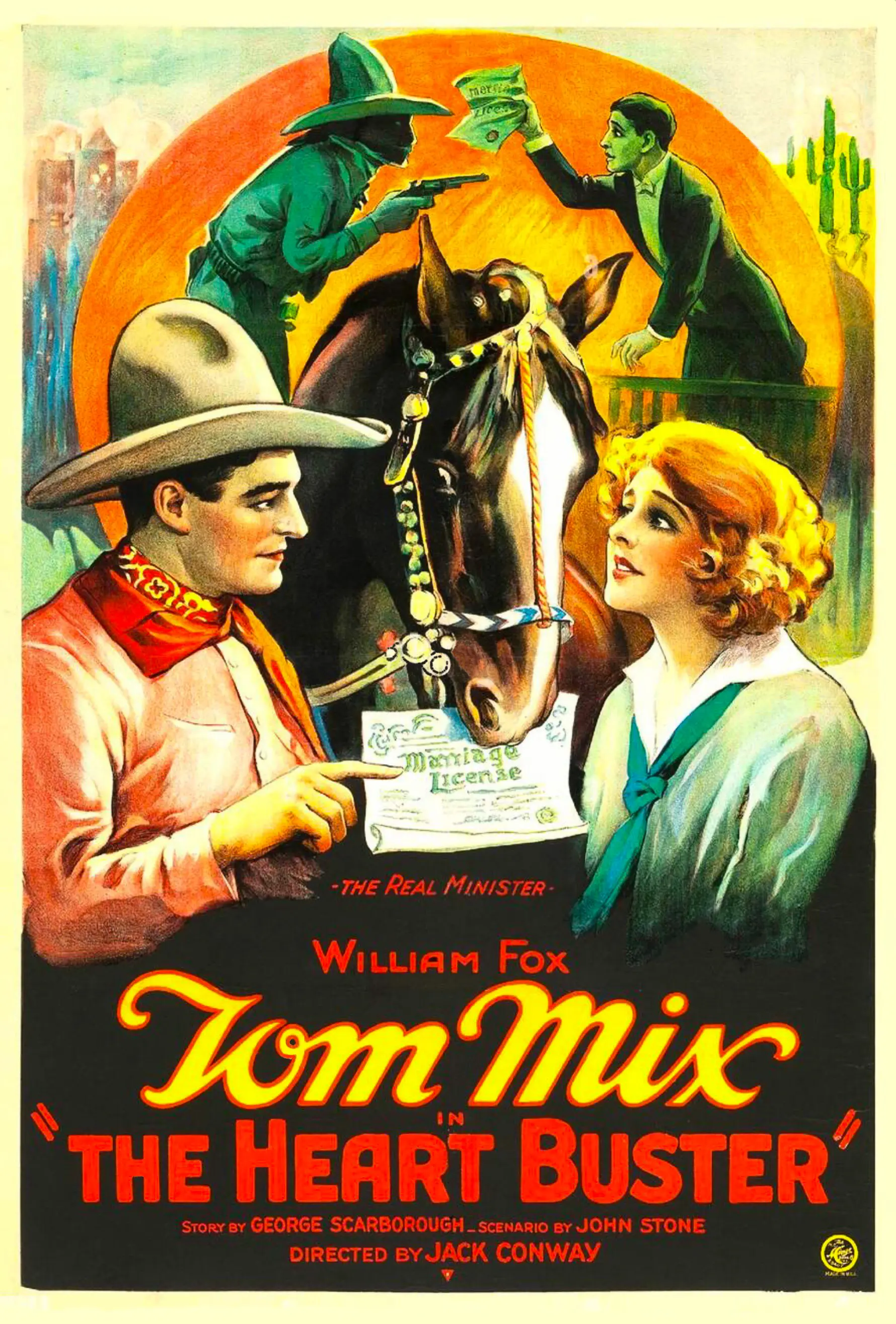
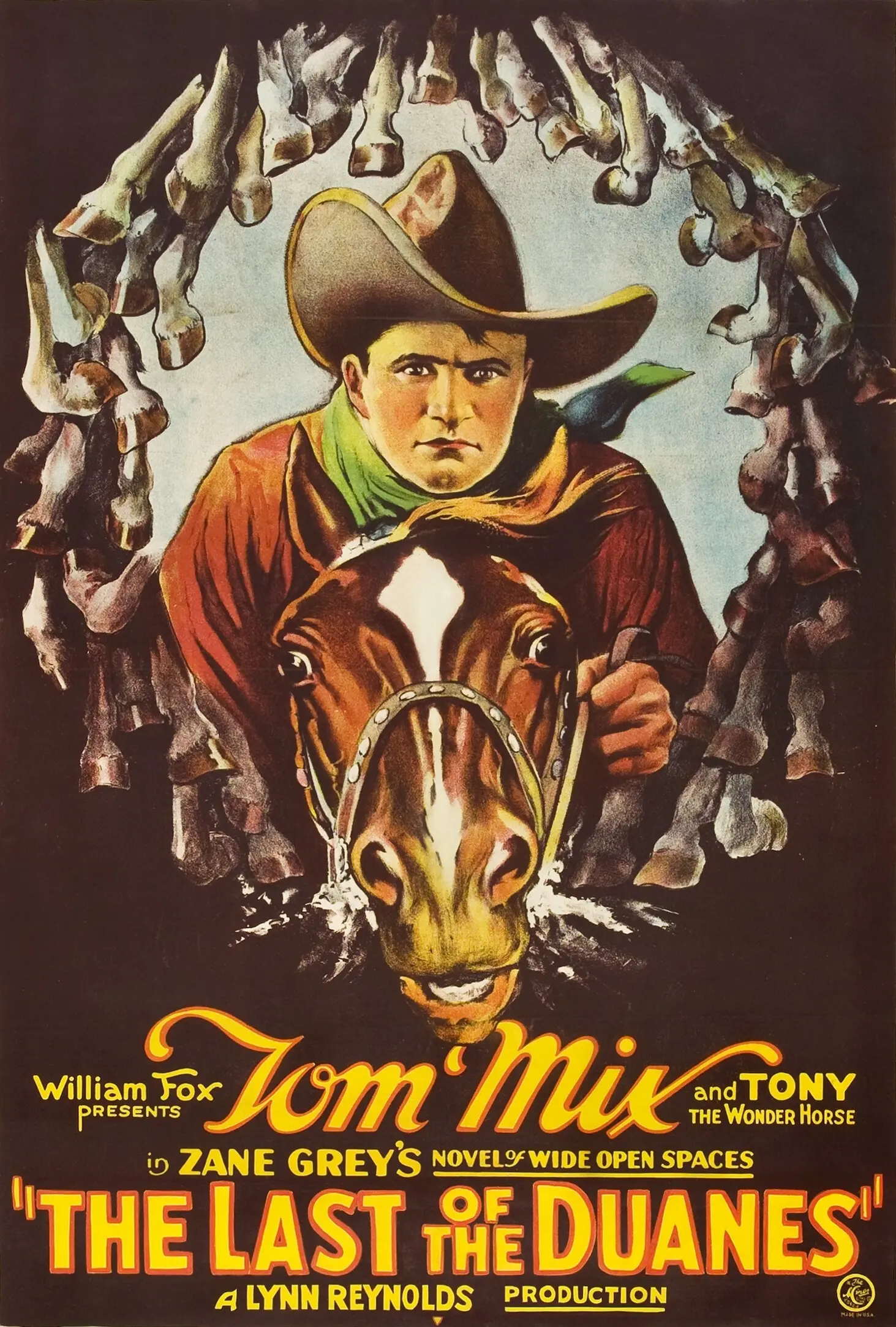
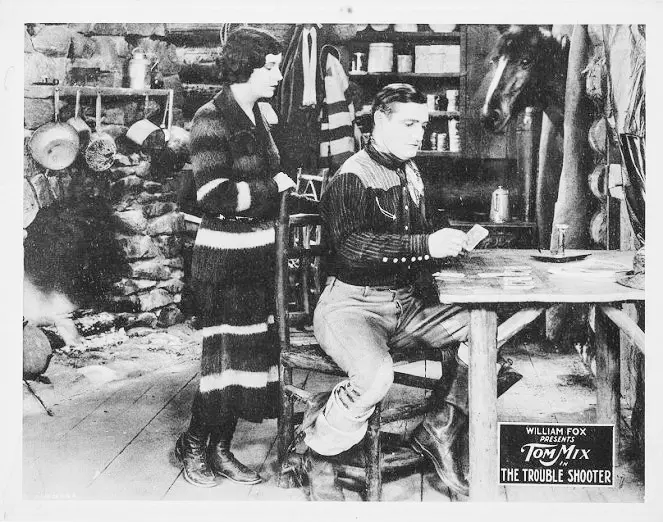
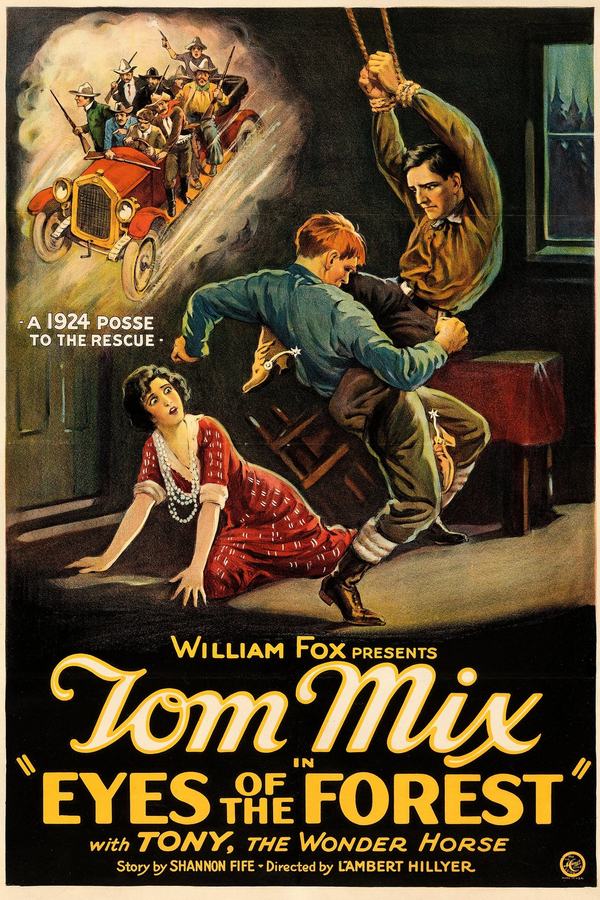
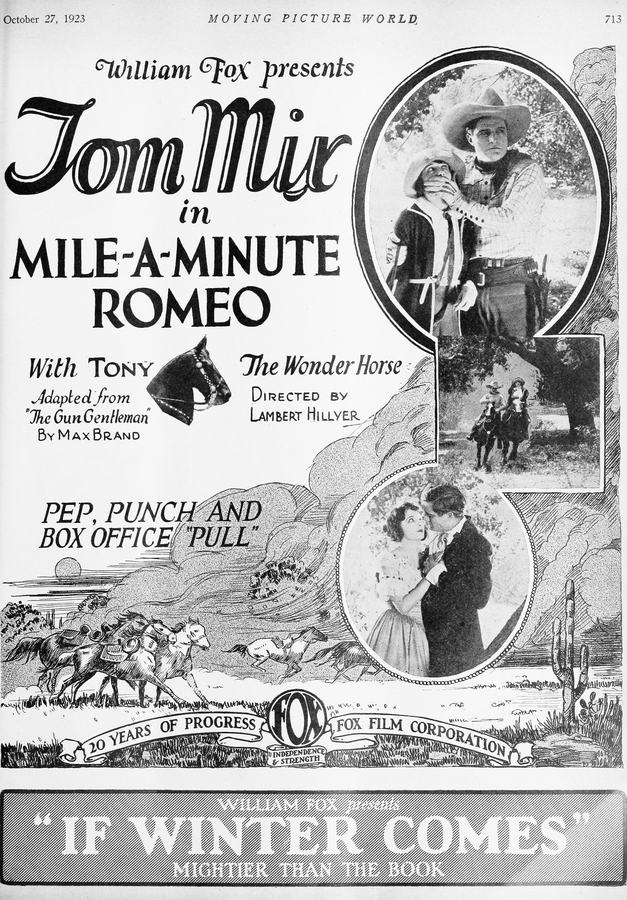
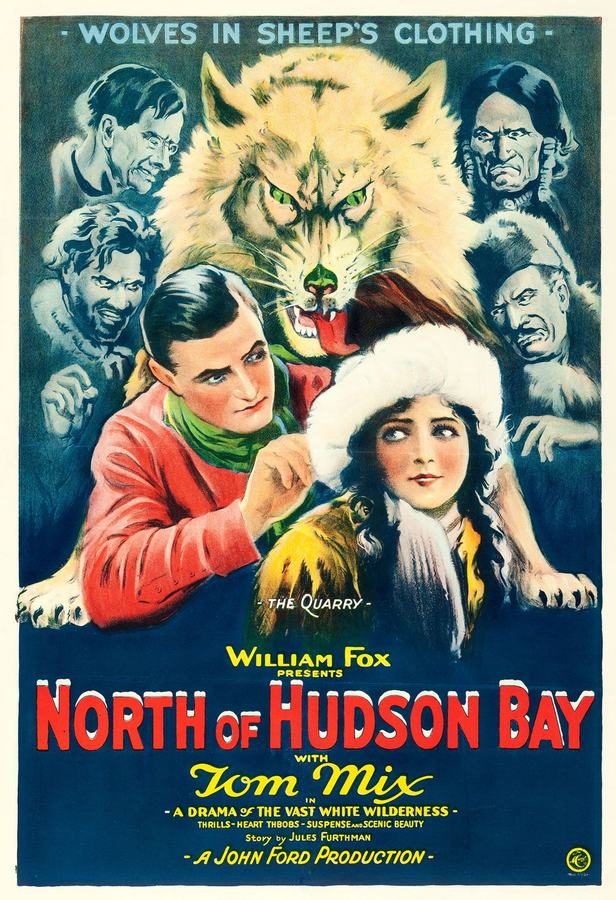
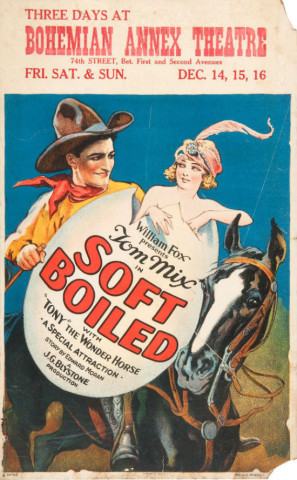
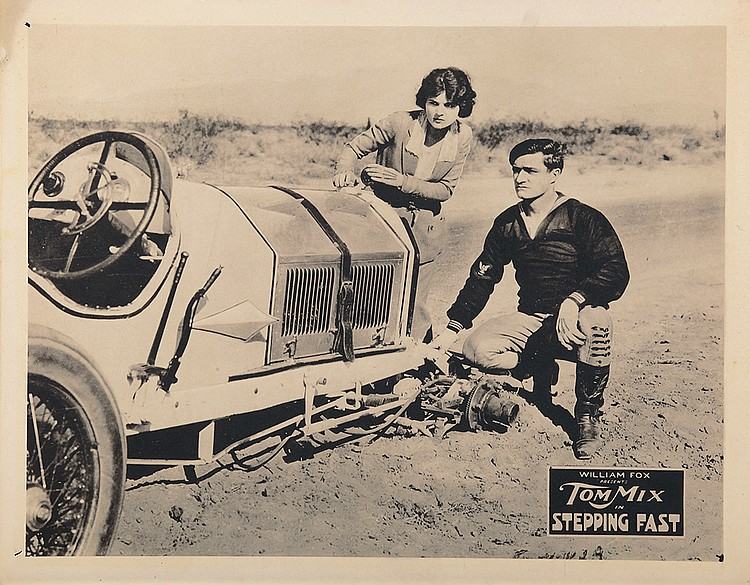
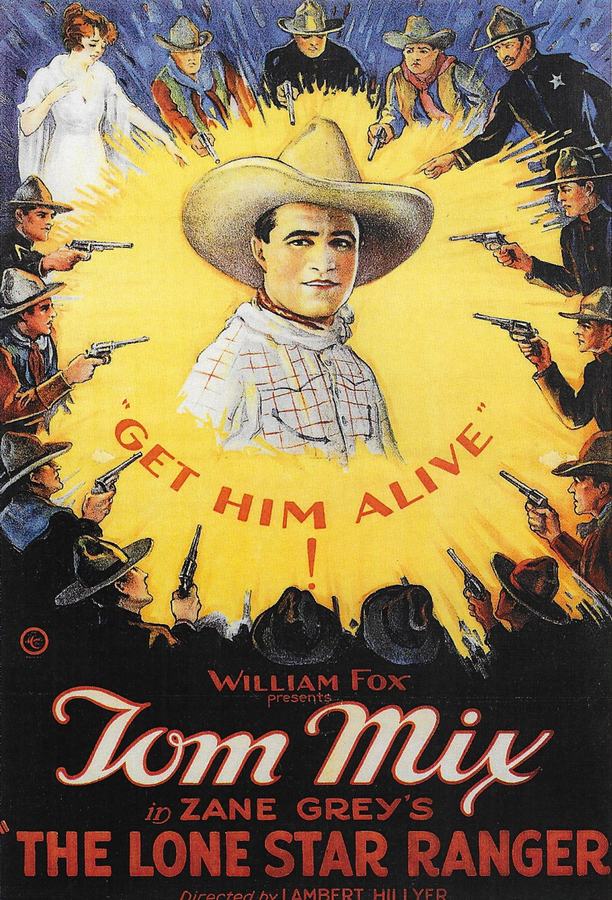
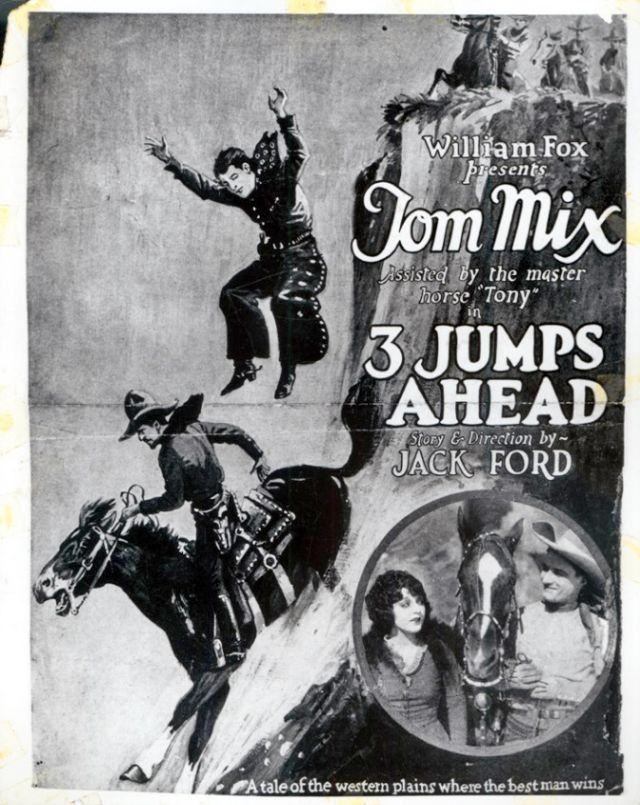
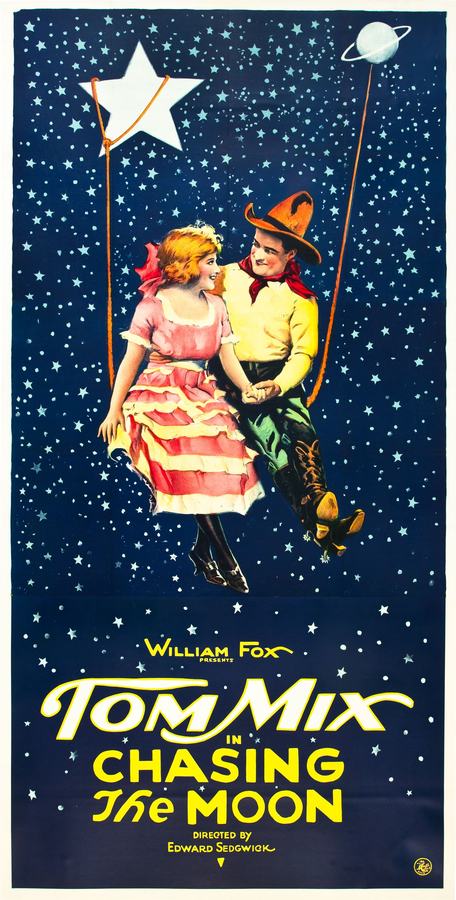
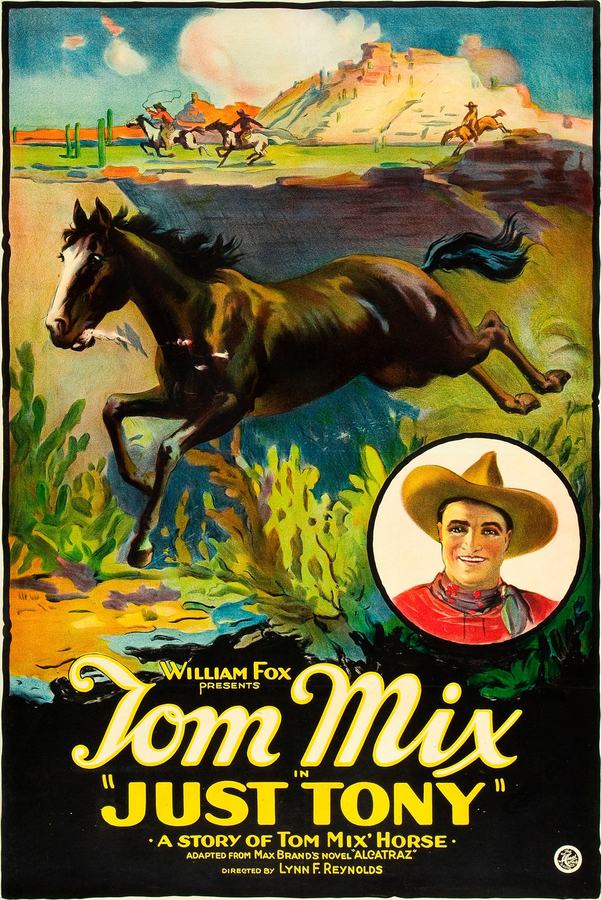
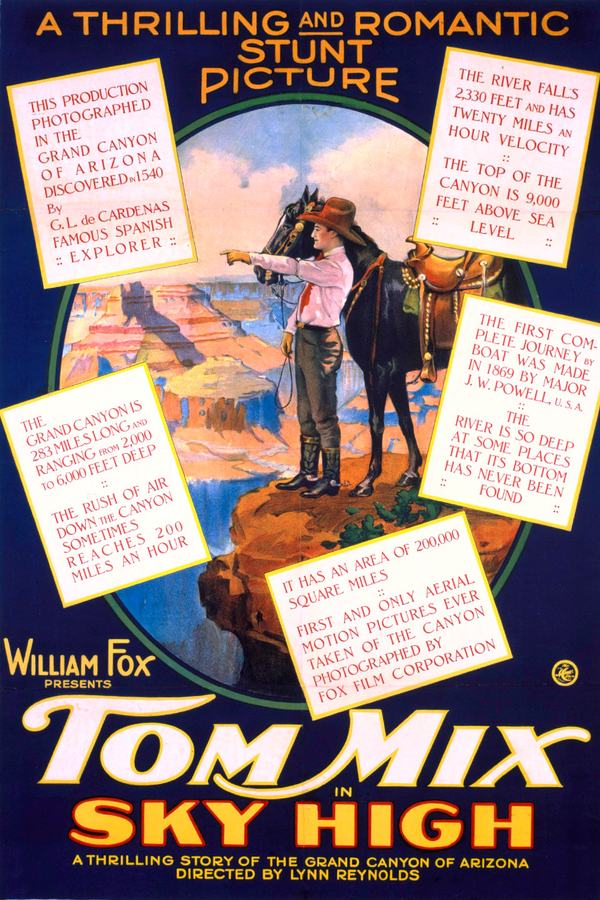
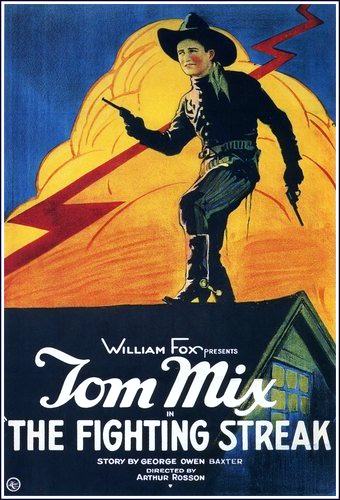
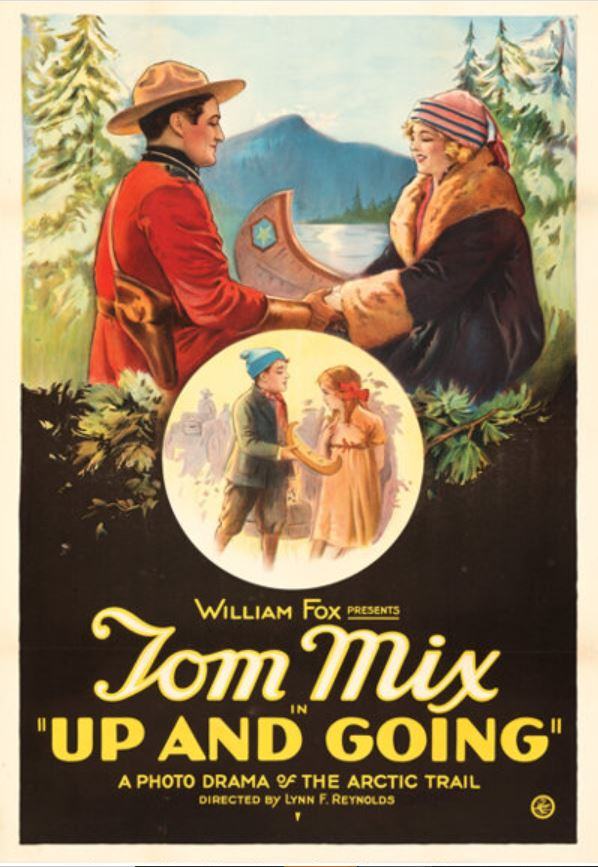
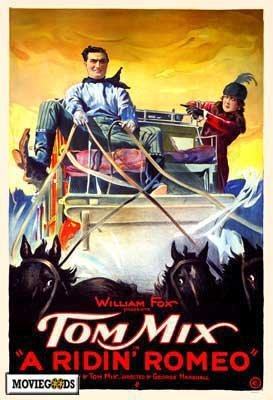
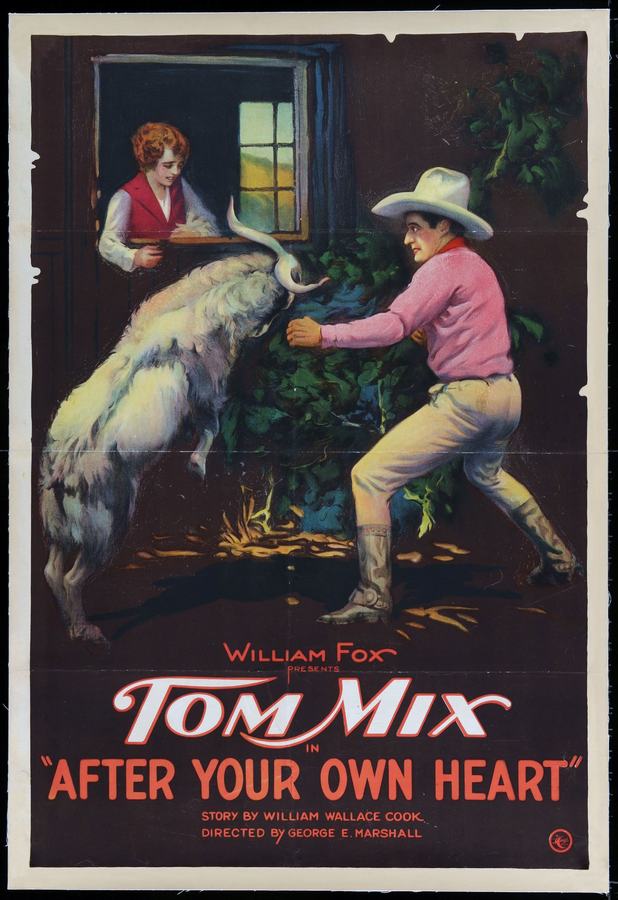
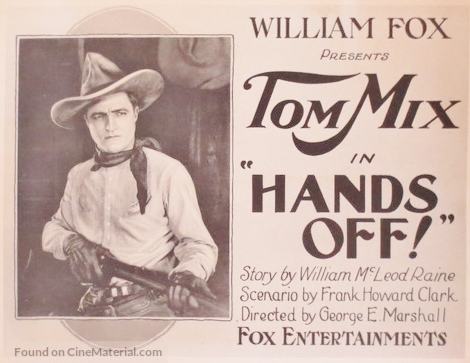
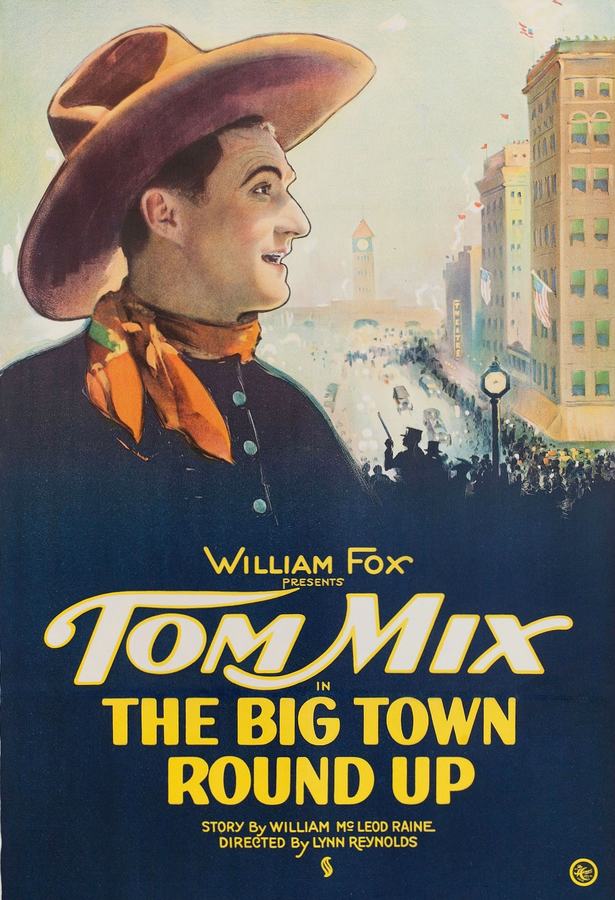
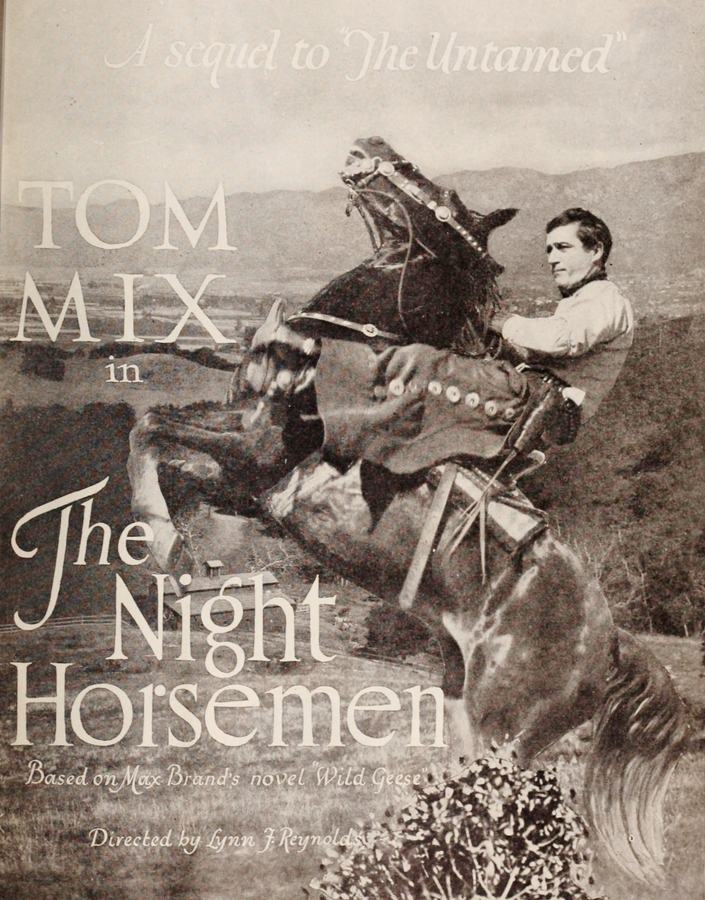
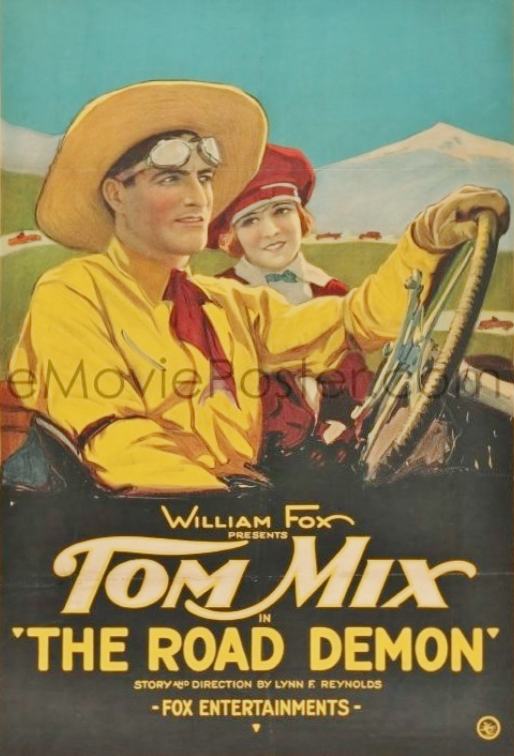
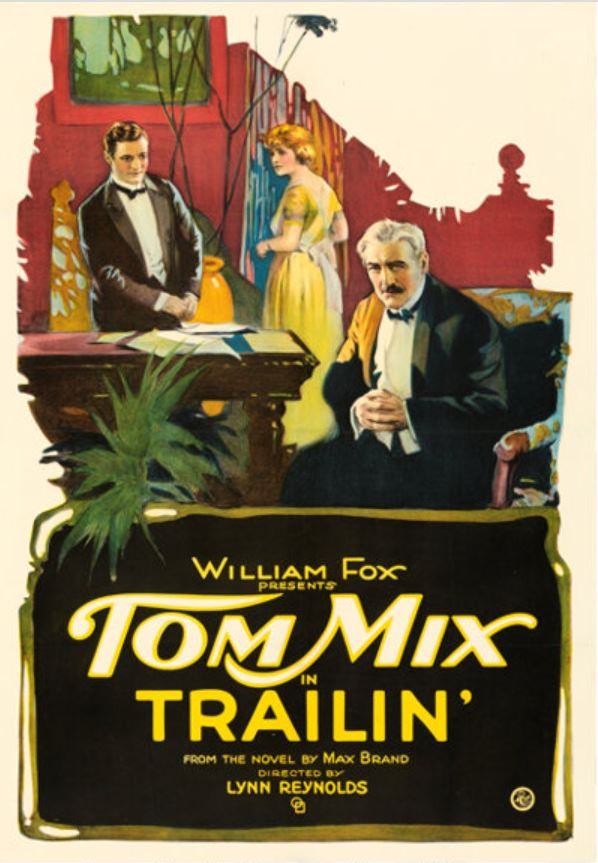
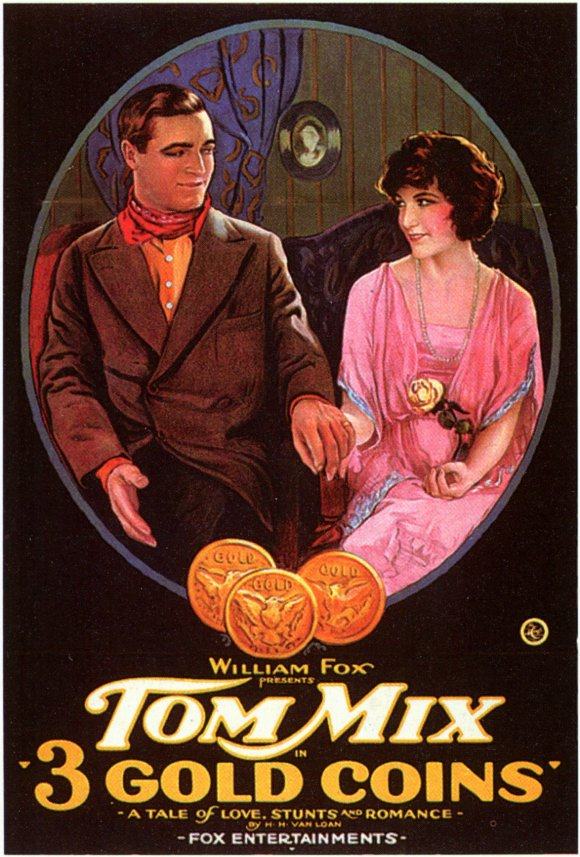
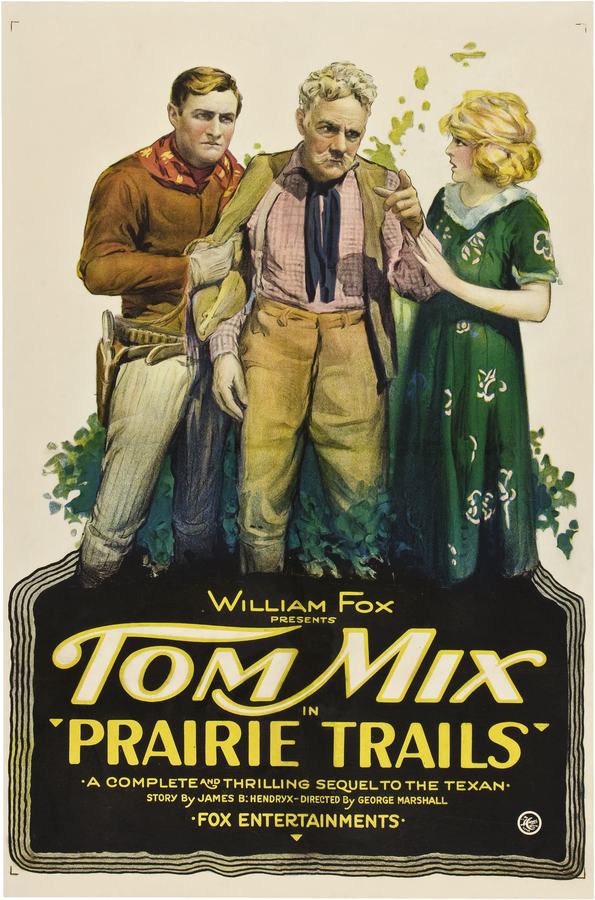
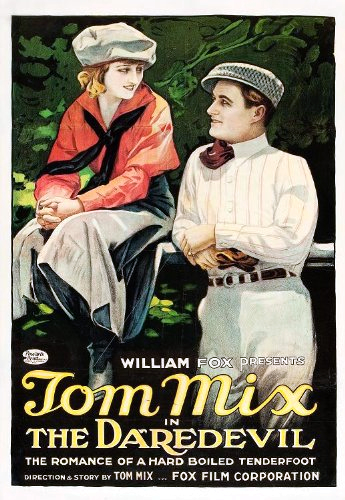
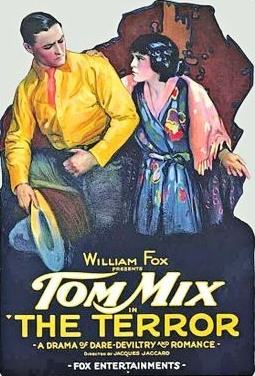
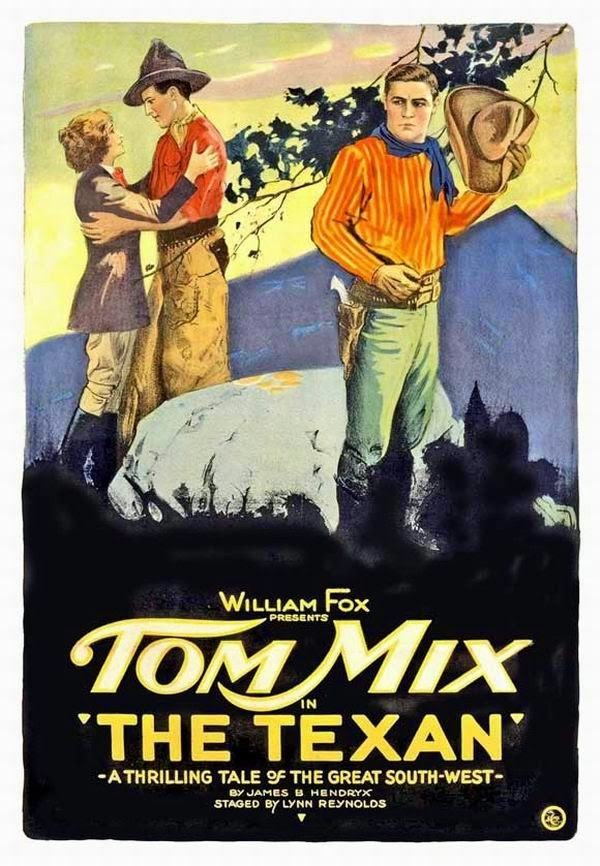
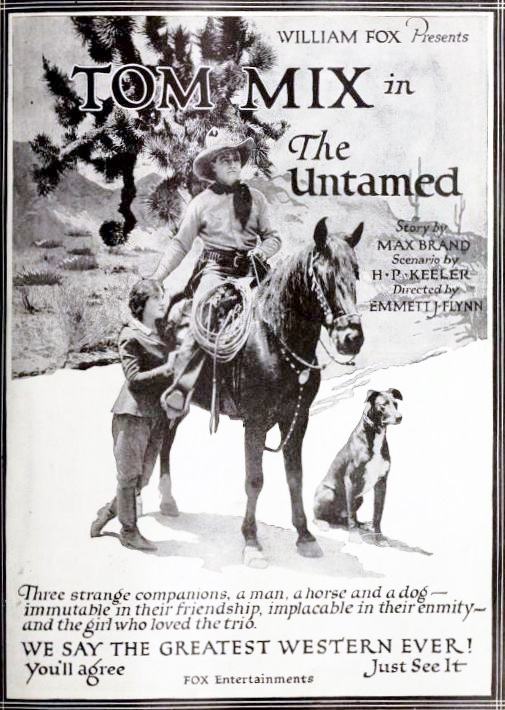
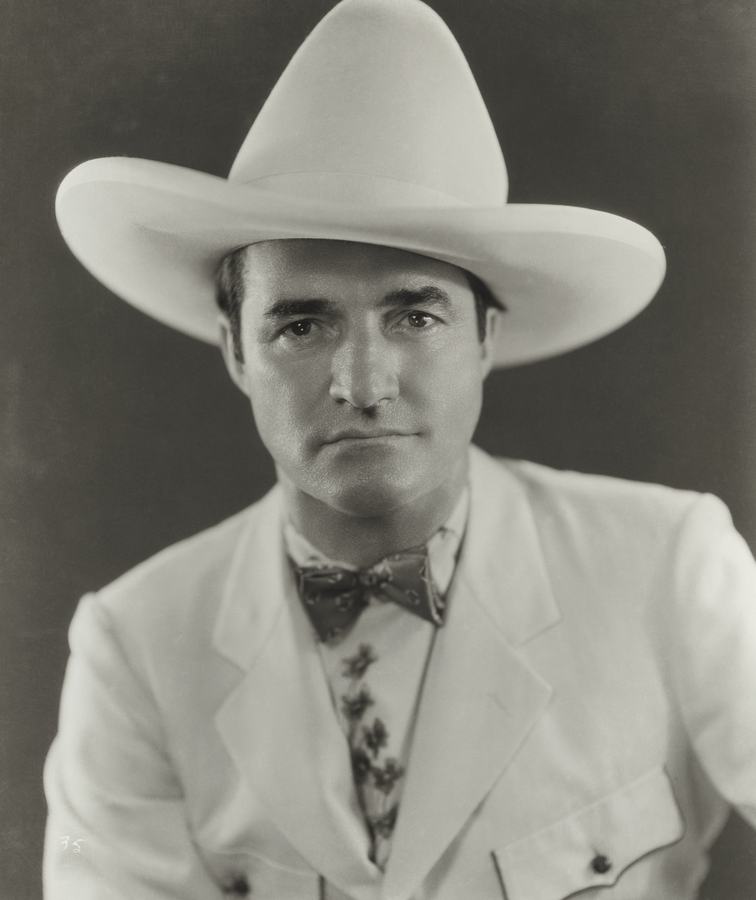
Tom Mix, born the son of a lumberman, forged a life path as multifaceted as it was legendary, though not without its carefully guarded secrets. His early military career saw him as an artillery sergeant during the Philippine campaign from 1898 to 1901, a period he later romanticized, as he notably never saw action and, in fact, deserted from the army, meticulously concealing the truth of his service for years. Around 1903, his restless spirit led him to the St. Louis World's Fair, where he served as drum major with the Oklahoma Cavalry Band. By 1904, he had taken on the dual roles of bartender and lawman, acting as sheriff and marshal in Dewey, Oklahoma. The allure of the Wild West show circuit soon captivated him, leading to engagements from 1906 to 1909 with troupes like The Miller Bros. Wild West Show, the Widerman show in Amarillo, Texas, and even performing alongside his wife, Olive Mix, at Seattle's Alaska-Yukon-Pacific Exposition. A pivotal stop was Will A. Dickey's Circle D Ranch, which notably supplied Selig Pictures with authentic cowboys and Native American performers. This connection proved his gateway to the silver screen. In 1910, Selig hired Mix not just for his rugged looks, but to provide and manage the horses. His cinematic debut came swiftly with Ranch Life in the Great Southwest (1910). He remained a driving force at Selig until 1917, expanding his talents beyond acting to include writing and directing. His true stardom ignited upon signing with Fox Films in 1917, a collaboration that lasted until 1928. During this golden age, Mix churned out an average of five films annually, cementing his status as the undisputed king of silent Westerns. His electrifying popularity eclipsed even the seasoned appeal of Hoot Gibson and the legendary gravitas of William S. Hart, earning him—and allowing him to spend—millions. Mix's films were a spectacle of his own acrobatic riding and sharpshooting prowess, a dynamic style amplified by the extraordinary intelligence and agility of his equine co-star, Tony the Horse. However, the advent of sound cinema and the inevitable march of middle age presented formidable challenges. After a handful of forays into the talkies, Mix concluded his film career following the 1935 serial, The Miracle Rider. Despite being a colossal hit for the modest Mascot Pictures, grossing over $1 million (of which Mix earned $40,000), it marked his final cinematic hurrah. He then returned to the thrill of live performance, touring with the Sells Floto Circus in 1930 and 1931, and later leading his own Tom Mix Circus from 1936 to 1938. While Mix was an undeniable showman, the harsh economic realities of the Great Depression, combined with the substantial overhead of his ambitious traveling shows, ultimately conspired against their financial success. Mix's indelible mark on the Western genre was his pioneering of a fast-paced, action-thrill style, often infused with a comical flair, a stark contrast to the more somber earlier Westerns. He famously performed his own daring stunts, further cementing his appeal. Though his reign as the undisputed king of cowboys peaked in the 1920s, his legacy endured, captivating audiences on radio and in comic books for more than a decade after his untimely death in an automobile accident in 1940.
Filmography
In the vault (75)