Victor Sjöström
actor, director, writer
- Birth name:
- Victor David Sjöström
- Born:
- 1879-09-20, Silbodal, Värmlands län, Sweden
- Died:
- 1960-01-03, Stockholm, Stockholms län, Sweden
- Professions:
- actor, director, writer
Biography
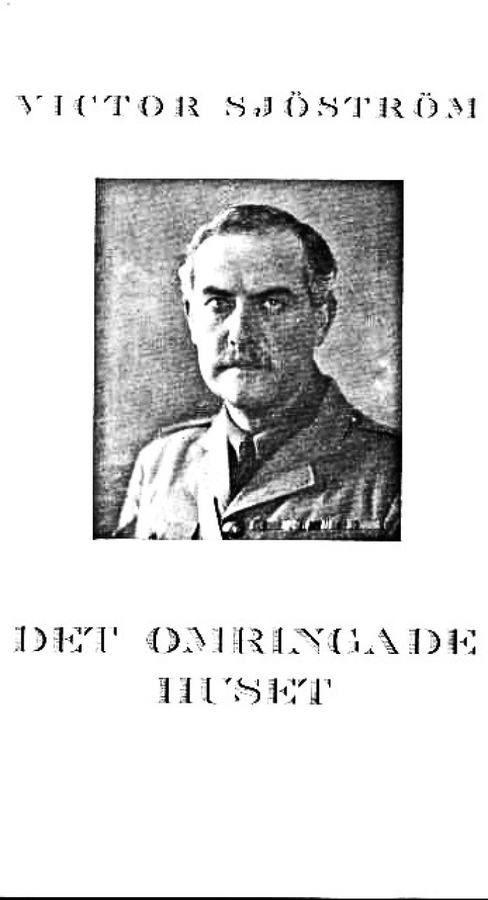
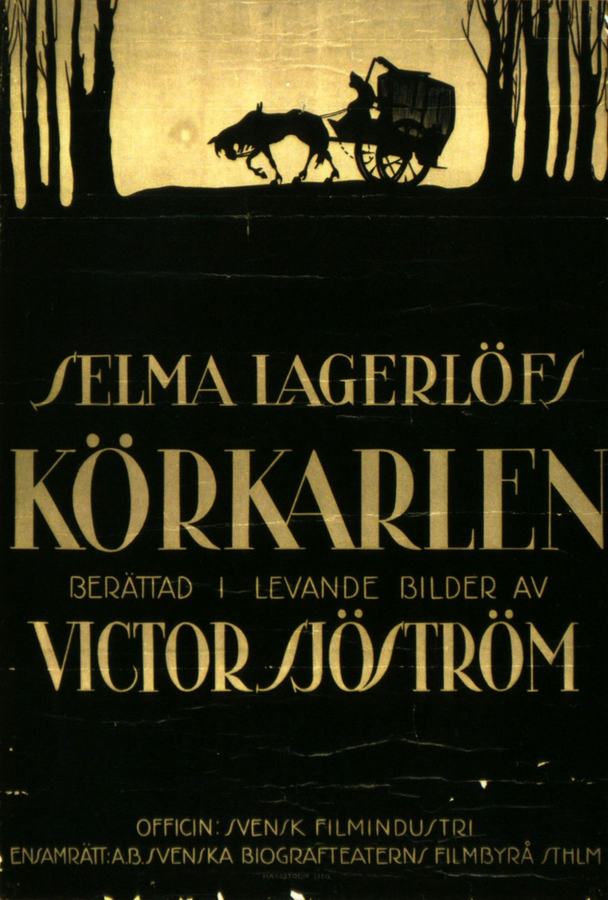
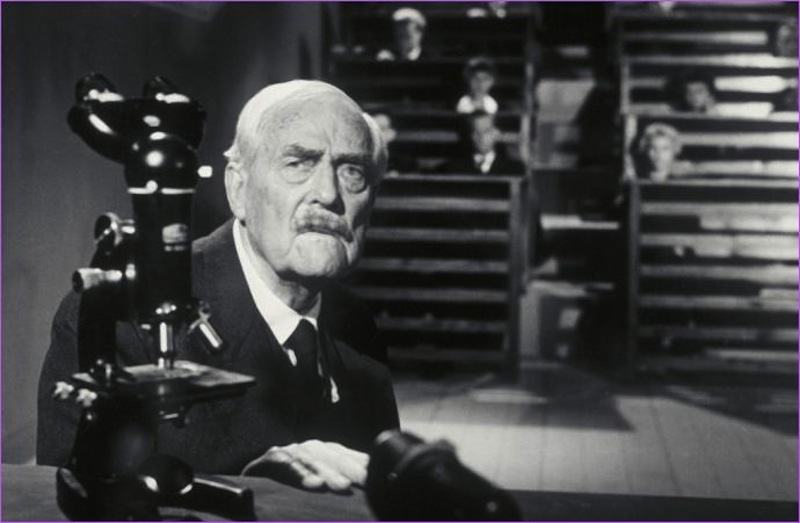
Born on September 20, 1879, Victor Sjöström stands as the foundational architect of Swedish cinema and an internationally revered master of the art form. His profound influence resonates through the works of Ingmar Bergman and countless other directors, both within Sweden and across the globe, who either directly drew from his creations or were shaped by those he himself inspired. A pivotal early experience for Sjöström was the premature loss of his mother during childbirth when he was just seven. Biographers often trace the genesis of his recurring motif—resilient, independent female protagonists—to this profound childhood rupture. He possessed an uncanny ability to draw nuanced and sensitive performances from his actresses, a talent brilliantly exemplified by Lillian Gish's portrayal in his American classic, *The Wind* (1928). Though a passionate devotee of the theater in his youth, Sjöström initially pursued a different path after his schooling, briefly selling donuts. Swedish cinema owes a debt to his unsuccessful foray into commerce, as he soon gravitated back to the stage, first as an actor, then a director. The burgeoning film company Svenska Bio wisely recruited him in 1912, alongside fellow stage director Mauritz Stiller, to helm their productions. Between 1912 and 1915, Sjöström directed an astonishing 31 films; tragically, only three have endured, a stark reminder that an estimated 80% of the silent era's total output—around 150,000 films—is now lost. Among his surviving early works is *Ingeborg Holm* (1913), widely regarded as Swedish cinema's inaugural classic. Operating within the constraints of an industrial art form, much of Svenska Bio's early output leaned towards the artistically undistinguished—bombastic melodramas, contrived romances, and meandering comedies. While Sjöström undoubtedly directed his share of such formulaic fare, he nonetheless forged a distinctive personal style. His ascent to international acclaim, and the subsequent siren call from Hollywood, stemmed from the profound depth of his films, which masterfully wove together nuanced psychological insights and organic symbolism. He fearlessly explored weighty themes such as guilt, redemption, and the evolving role of women in society. His 1920 production, *The Phantom Carriage* (also known as 'Thy Soul Shall Bear Witness,' released 1921), cemented his reputation as an internationally acclaimed masterpiece. This triumph led Goldwyn Pictures to recruit him for Hollywood, where he directed *Name the Man!* (1924). With Goldwyn soon merging into Metro-Goldwyn-Mayer in 1924, Sjöström continued his work there until just after the dawn of sound. For American audiences, his name was phonetically adapted to 'Victor Seastrom,' reflecting the era's limited typography. He quickly established himself as a prominent American director, a precursor to talents like David Lean, known for his ability to harmoniously blend artistic vision with commercial appeal. His inaugural MGM feature, the Lon Chaney melodrama *He Who Gets Slapped* (1924), was not only a critical darling but also a massive box office success, providing the nascent studio with a strong foundation. Within MGM, Sjöström was held in high esteem by studio chief Louis B. Mayer and production head Irving Thalberg, both of whom recognized and valued his talent for creating artistically significant films that also achieved commercial success. He ascended to become one of Hollywood's most highly compensated directors, reaching his creative peak as the silent era matured into its artistic zenith. This period saw two exceptional collaborations with Lillian Gish: *The Scarlet Letter* (1926) and *The Wind* (1928), the latter often cited as his final masterpiece. Following *A Lady to Love* (1930), Sjöström left Hollywood for Sweden, though he made one final return to helm *Under the Red Robe* (1937) for 20th Century-Fox. Despite directing two additional films in Sweden during the intervening years, his primary directorial career largely concluded with the advent of sound. He subsequently rediscovered his initial passion, dedicating himself to acting in Swedish cinema throughout the 1930s, '40s, and '50s. In his later life, he became a cherished mentor to Ingmar Bergman, delivering an unforgettable performance in Bergman's masterpiece *Wild Strawberries* (1957), a role that earned him the National Board of Review's Best Actor Award. Professionally, Sjöström was a relentless workaholic, yet privately, he remained intensely devoted to his wife Edith Erastoff and his family, often reticent about his films and his considerable fame. Victor Sjöström passed away on January 3, 1960, at the age of 80.
Filmography
In the vault (6)