Wilton Lackaye
actor
- Born:
- 1862-09-30, Loudon County, Virginia, USA
- Died:
- 1932-08-21, New York City, New York, USA
- Professions:
- actor
Biography
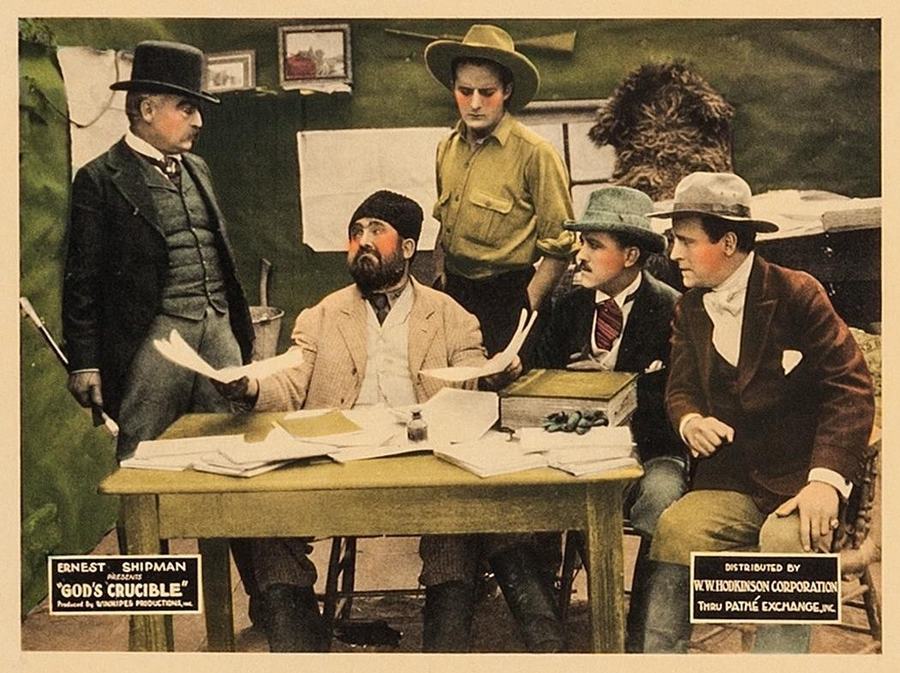
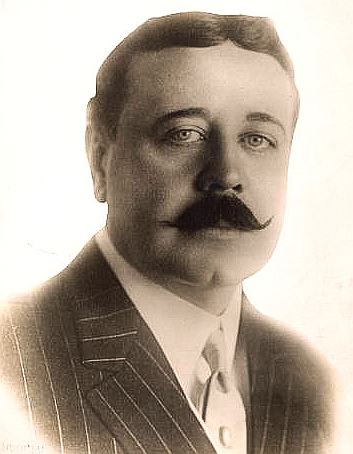
Loudoun County, Virginia, coughed up a baby who would grow into a velvet-voiced tyrant of the footlights: Wilton Lackaye, Georgetown-taught and stage-struck before the ink on his diploma dried. In 1883, still smelling of lecture-hall chalk, he bowed as Lucentio beside the volcanic Lawrence Barrett in a feverish “Francesca da Rimini,” and the trapdoor to stardom sprang open. Over the next three decades he wore a diadem of fire for “Nero” (1890), hypnotized all London as the sinister Svengali in “Trilby” (1895), and cracked the whip over trembling Topsy as Simon Legree in “Uncle Tom’s Cabin” (1901)—each role anchored by a baritone that could purr or roar and a mustache waxed into a dramatic exclamation point. When flickering shadows began luring New York actors to rooftop studios, Lackaye crossed to World Films in 1914, trading greasepaint for silver nitrate. One year later he resurrected Svengali under Maurice Tourneur’s lens; the 1915 “Trilby” survives today, its seductive villain still sending shivers. Critics cheered, yet Hollywood preferred him in sagebrush sidekicks and society uncles, so Broadway kept claiming him back. Theatre was stitched into his DNA: wife Ruth shared the boards, siblings James and Helen trod the same planks, and son Wilton Jr. scribbled plays when not acting them. Even flops tasted familial—his last Main Stem gamble, “Love, Honor and Betray” alongside lifelong crony Alice Brady, folded after forty-five performances in 1930, yet Lackaye simply dusted off Svengali again, touring the old warhorse until curtains nearly closed for good. He died at sixty-nine, round face and wide eyes still bright beneath the legendary handlebar, the stage lights dimming only when he did.
Filmography
In the vault (5)