Charles Perrault
writer
- Born:
- 1628-01-12, Paris, France
- Died:
- 1703-05-16, Paris, France
- Professions:
- writer
Biography
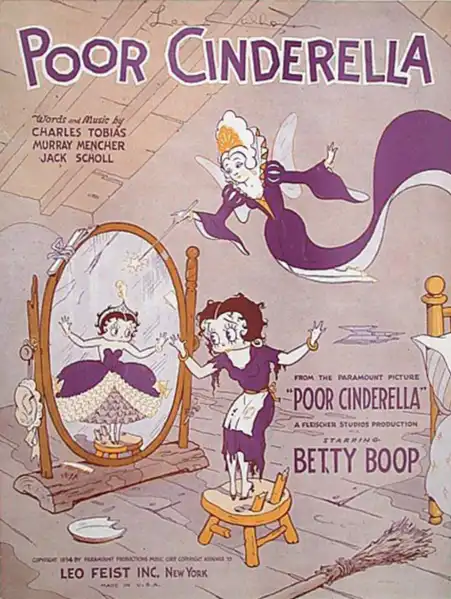
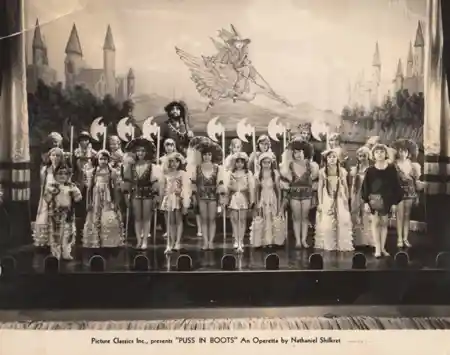
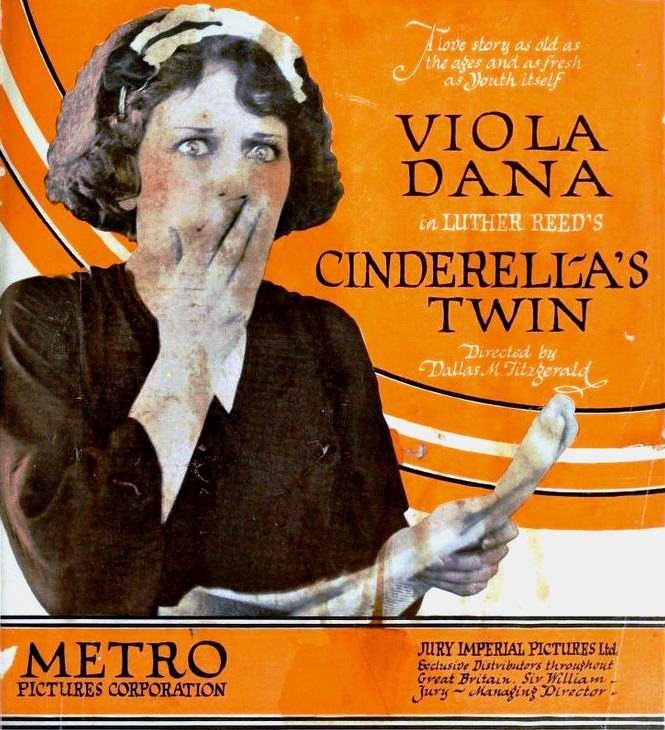
In the city of Paris, a hub of artistic and literary innovation, Charles Perrault was born in 1628 to a prosperous bourgeois family. As the seventh child of Pierre Perrault and Paquette Le Clerc, he was surrounded by a family of accomplished individuals, including his brothers Pierre, a trailblazing hydrologist, and Claude, a versatile architect, physician, and anatomist. Perrault's own path would lead him to become a pivotal figure in the world of literature, particularly in the realm of fairy tales. Perrault's early career took a different turn, as he pursued a career in government service after being trained in law. In 1663, he was appointed as the first secretary of the prestigious Academie des Inscriptions et Belles-Lettres, a learned society founded by the influential minister of state Jean-Baptiste Colbert. As Colbert's administrative aide, Perrault played a key role in the society's mission to create Latin inscriptions for public monuments and medals. One of Perrault's most notable projects was the proposal he presented to Louis XIV of France in 1669, suggesting the construction of 39 fountains in the labyrinth of Versailles, each representing one of Aesop's fables. This ambitious undertaking was completed between 1672 and 1677, and upon its finish, Perrault published a guidebook to the labyrinth. His involvement in the project not only showcased his creativity but also his ability to bring innovative ideas to life. Perrault's passion for the arts led him to defend the opera "Alceste" by Jean-Baptiste Lully in 1674, which sparked a heated debate known as the "Quarrel of the Ancients and the Moderns." As a champion of modernist thought, Perrault argued that contemporary literature was capable of surpassing the works of ancient Greece and Rome. This controversy cemented his position as a leader among the modernist faction, and his writings continued to reflect his commitment to pushing the boundaries of literary expression. Following his mandatory retirement from government posts in 1682, Perrault faced challenges from Colbert's political rivals. However, this did not deter him from pursuing his literary ambitions. In 1686, he attempted to write epic poetry, but his efforts were met with ridicule. Undeterred, Perrault turned his attention to the fairy tale genre, experimenting with stories like "La Marquise de Salusses ou la Patience de Griselidis" in 1691, "The Ridiculous Wishes" in 1693, and "Donkeyskin" in 1694. These tales, infused with fantasy and social commentary, laid the groundwork for his most famous works. The culmination of Perrault's literary endeavors was the publication of "Stories or Tales from Past Times" in 1697, a collection of fairy tales that included "Bluebeard," "Cinderella," "Little Red Riding Hood," "Puss in Boots," and "Sleeping Beauty." Each tale was accompanied by a rhymed moral, offering a glimpse into Perrault's wry and insightful perspective on the human experience. The book's popularity was instantaneous, with eight reprints during Perrault's lifetime, and its influence can be seen in the works of the Brothers Grimm, who later adapted some of his tales into German. Perrault's final significant work was the translation of Gabriele Faerno's fables, published in 1699. This translation found success in England during the 18th century, becoming a staple in school curricula. As Perrault's life drew to a close in 1703, at the age of 75, his legacy as a master storyteller was already cemented. Though his other works may have fallen out of favor, his fairy tales have endured, captivating audiences for centuries and ensuring Perrault's place in the pantheon of literary greats.