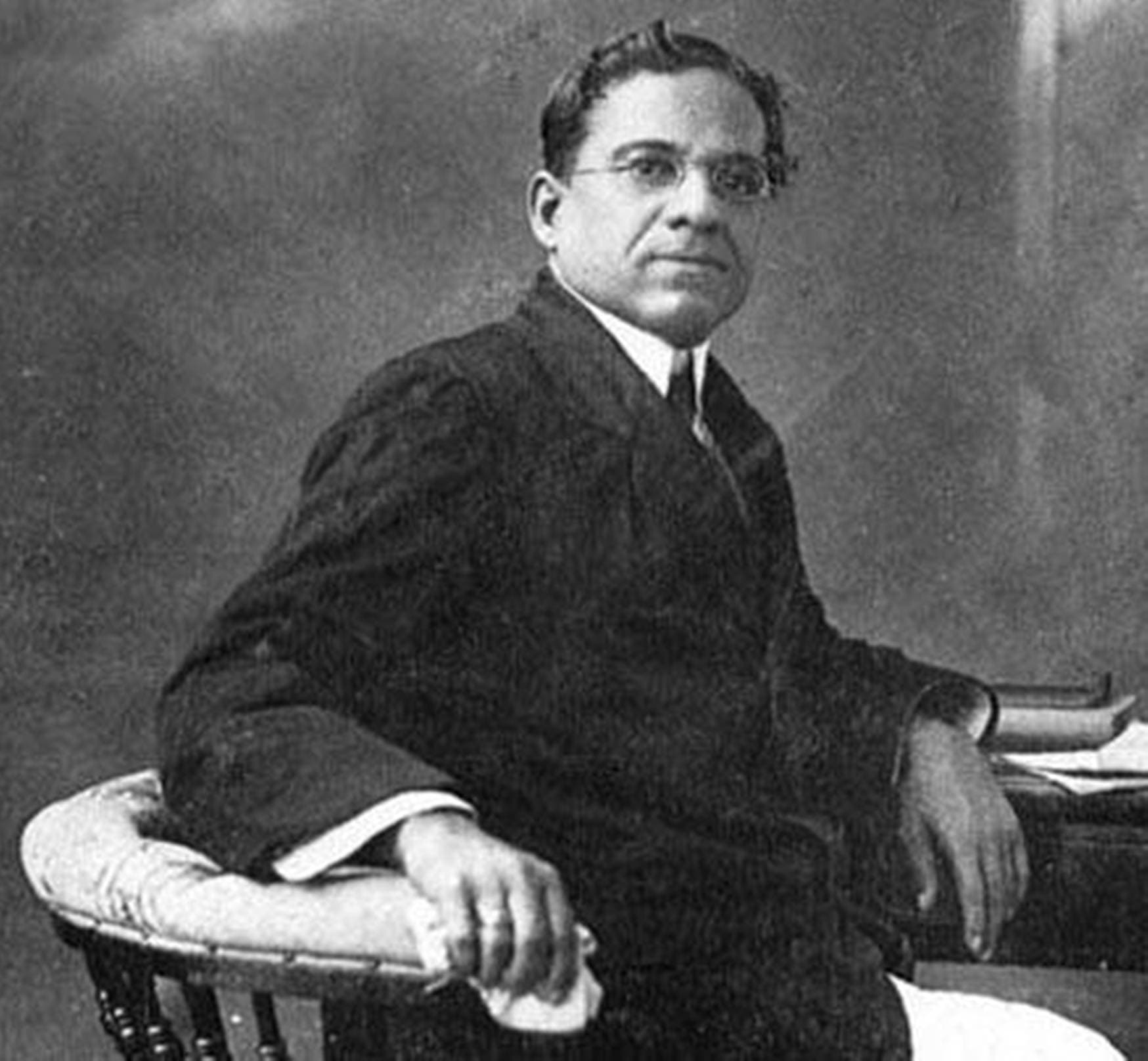
Dhundiraj Govind Phalke
cinematographer, director, writer
- Born:
- 1870-04-30, Trymbak, Bombay Presidency, British India
- Died:
- 1944-02-16, Nasik, Bombay Presidency, British India
- Professions:
- cinematographer, director, writer
Biography
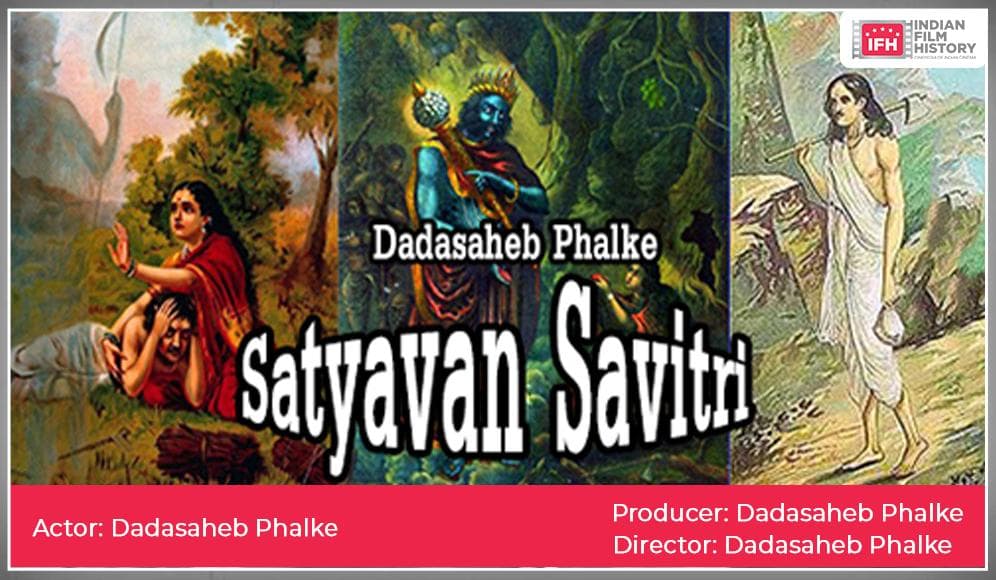
Dhundiraj Govind Phalke’s story begins in 1870 among the mist-draped ghats of Trymbakeshwar, Nashik, the son of a Sanskrit scholar who filled the house with chanted epics. At Mumbai’s J.J. School of Art and Baroda’s Kala Bhavan he swapped shlokas for charcoal, then turned architect and meticulous painter of botanical plates. A job at a photographic studio led him to Ratlam, where he mastered three-colour block-making between shifts at a potter’s wheel. Next came a stint as portraitist, theatrical make-up artist, backstage hand to a German illusionist—and, for a dazzling season, a conjurer in his own right. Financiers tempted him with a modern printing press and a free ticket to Germany to learn the newest techniques, provided he sign away five years of his life. Phalke signed, sailed, watched ink dry—and realised it would never thrill him. He borrowed from a friend, pawned his life-insurance policy, and in 1912 crossed the sea again, this time to London, returning with a cumbersome camera, a crate of raw stock, and a head full of chemistry. Within months he was coaxing priests’ sons and barbers’ daughters before his lens to shoot *Raja Harishchandra*, the tale of a monarch who gambles away throne, queen and child rather than tell a lie. The 1913 release flickered through tin-roofed tents and single-screen halls, and India discovered it could dream in light. Over the next six years Phalke spun *Mohini Bhasmasur*, *Satyavan Savitri*, *Lanka Dahan*, *Shri Krishna Janam* and *Kaliya Madan*, each reel steeped in mythology, each trick effect conjured on kitchen-table budgets. Talkies, star salaries and imported jazz montage eventually elbowed out his mythic silhouettes. He withdrew, surfacing only once more in 1937 for the muted swansong *Gangavataram*. When he died in Nashik in 1944, obituary writers were scarce; yet the nation later reclaimed him as the father of its cinema, stamping his name on its highest honour—the Dadasaheb Phalke Award—so that every golden frame projected in India still carries a whisper of his first brave spark.