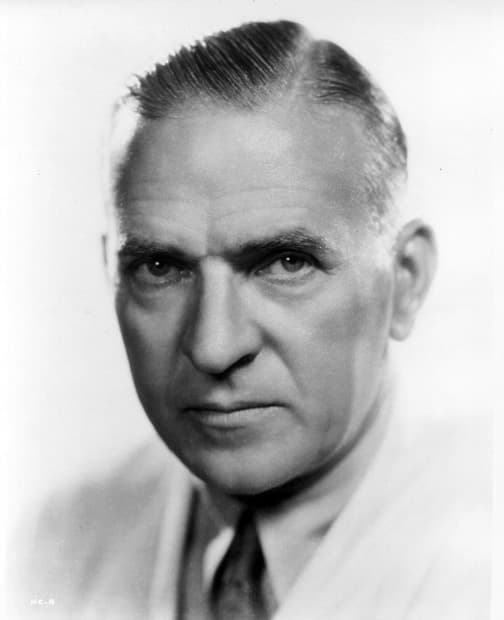
Henry King
actor, director, producer
- Birth name:
- Henry Edmonson King
- Born:
- 1886-01-24, Christiansburg, Virginia, USA
- Died:
- 1982-06-29, Toluca Lake, California, USA
- Professions:
- actor, director, producer
Biography
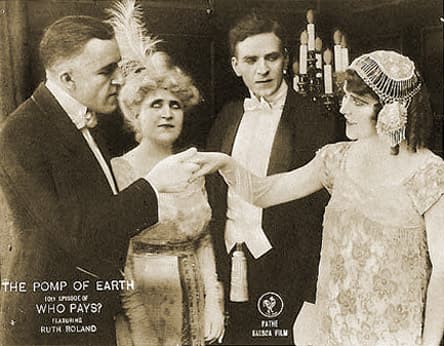
Henry King slipped away from a Virginia machine shop at fifteen, talked his way onto the Norfolk & Western Railroad payroll, then traded coal dust for greasepaint, hoofing it in blackface with a touring stock troupe. A chance 1913 visit to a Philadelphia studio with silent-serial queen Pearl White landed him in a ten-gallon hat and a one-reel western; within twelve months he was in California, wooing audiences—and child star Marie Osborne—in Balboa Amusement’s five-reel features. By 1915 he had stepped behind the camera, and the breezy service comedy 23 ½ Hours’ Leave (1919) proved he could make order out of celluloid chaos. His own Inspiration Pictures followed, and Tol’able David (1921), shot in the Blue Ridge haze, had critics calling him the poet of the backwoods. United Artists lured him to Italy for opulent costume pageants—The White Sister (1923) and Romola (1924)—and back home for the tear-soaked Stella Dallas (1925). Sound arrived; King barely flinched. In 1930 he soloed in a cockpit, earned the nickname “The Flying Director,” and signed with 20th Century-Fox, where he would clock in for the next thirty-one years. Between tee times and aerial scouting runs he spun out every stripe of hit: the blazing docks of In Old Chicago (1938); Technicolor swordplay in The Black Swan (1942); devout hush in The Song of Bernadette (1943); the rousing cadence of Alexander’s Ragtime Band (1938); the burnt-out nerves of Twelve O’Clock High (1949); the haunted gunfighter of The Gunfighter (1950); the carnal ache of Hemingway’s The Sun Also Rises (1957); and the carousel that refused to stop turning in Carousel (1956). He had an eye for tomorrow’s star long before the front office did: he sketched Ronald Colman’s first mustache in 1923, overruled Samuel Goldwyn to make Gary Cooper a leading man in 1926, pestered Darryl F. Zanuck until Tyrone Power donned 18th-century britches for Lloyd’s of London (1936), and handed debutantes Jean Peters and, repeatedly, Gregory Peck their choicest early roles. Oscar nominations came for The Song of Bernadette and Wilson (1944), but the statuette eluded him; the Directors Guild made amends in 1956 with a Lifetime Achievement honor. A final misfire—Beloved Infidel (1959), too genteel for the Scott Fitzgerald it portrayed—closed the curtain, yet King remained upbeat: “I’ve had more fun directing pictures than most people have playing games.”