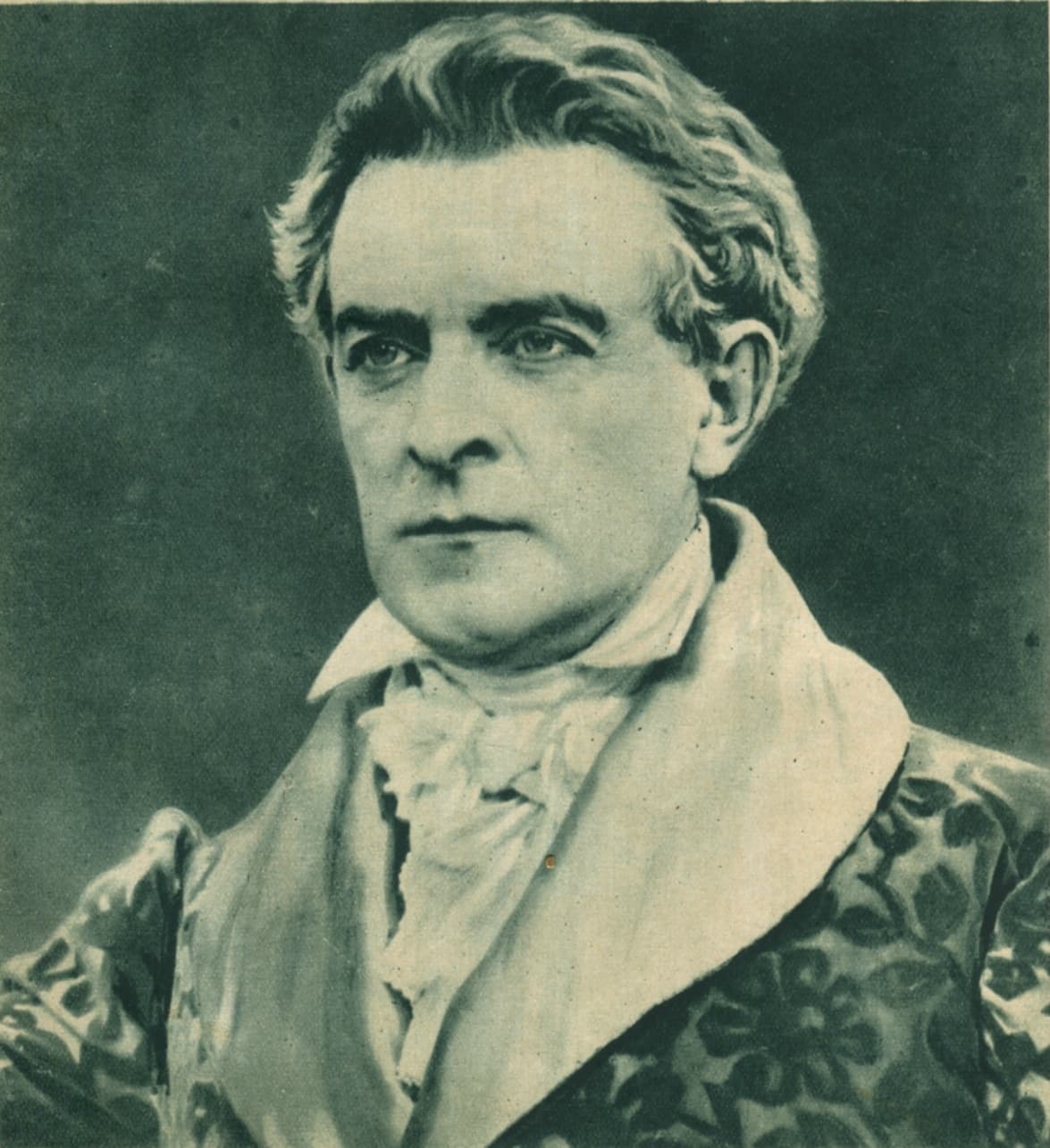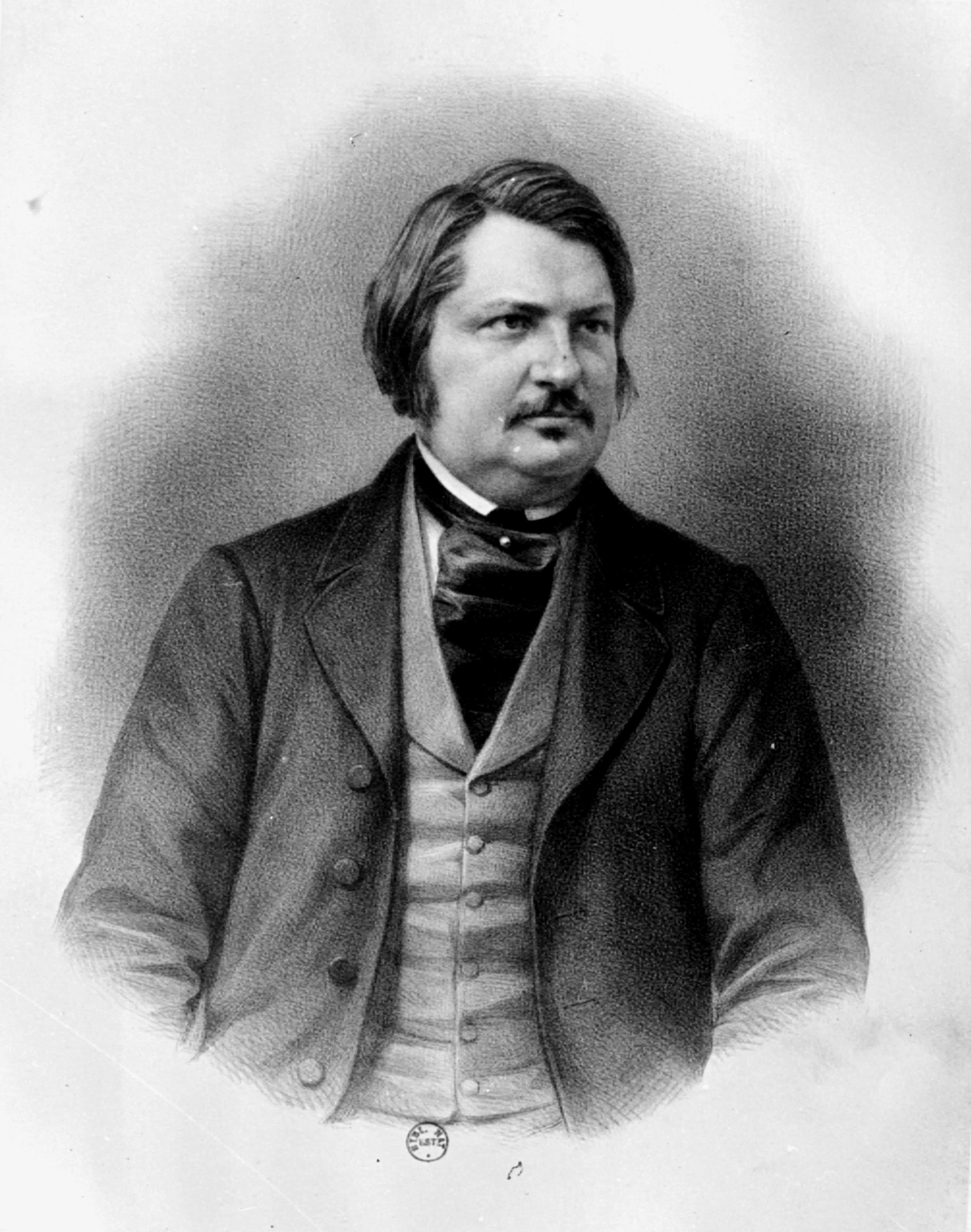
Honoré de Balzac
music_department, writer
- Birth name:
- Honoré Balssa
- Born:
- 1799-05-20, Tours, Indre-et-Loire, France
- Died:
- 1850-08-18, Paris, France
- Professions:
- music_department, writer
Biography
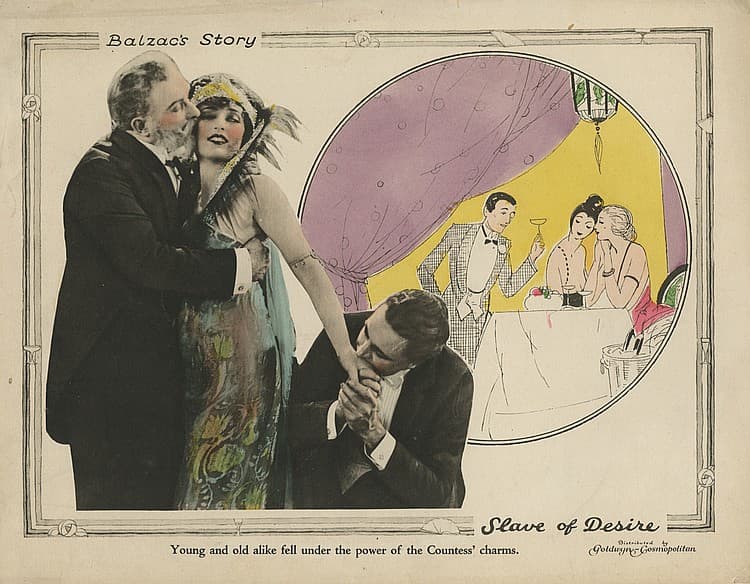
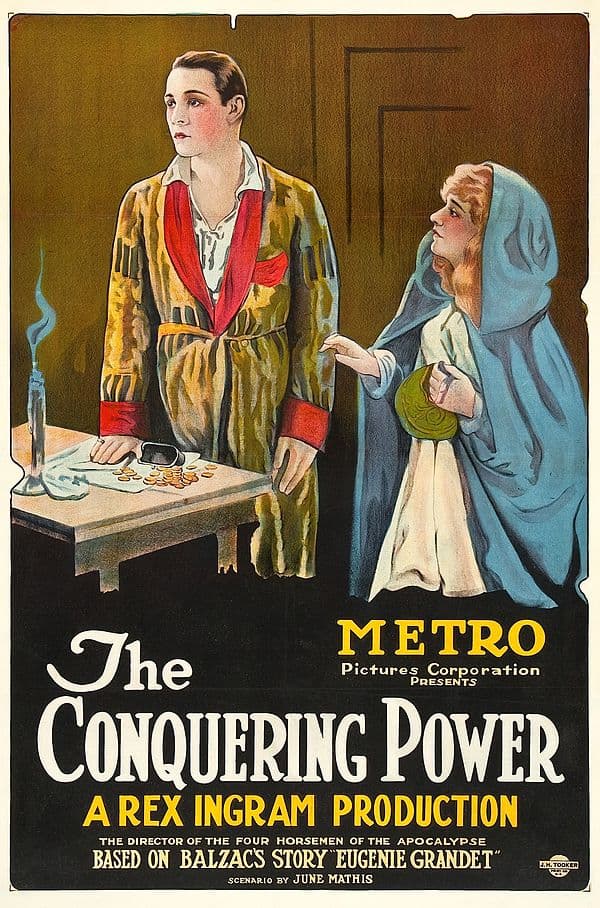
A clock strikes midnight in Paris, and somewhere a candle gutters over manuscript pages—Honoré de Balzac is still awake. Born in Tours on 20 March 1799, he spent his first sixteen years absorbing the Loire valley’s gossip and provincial appetites before his father, an administrator who had married the boss’s daughter, transplanted the family to the capital in 1815. At the Sorbonne Balzac studied law, then abandoned the bar for the din of newsprint and the quieter terror of unpaid bills. Early novels sneaked into bookshops under false names and sank without trace, dragging his one-man publishing house with them; journalism kept creditors at bay and sharpened a quill already itching for the next scandal. The 1830 revolution swapped one throne for another, but Balzac’s real kingdom was paper: sheet after sheet inked with the city’s craving for money, love, and status. Out of this sprang La Comédie humaine, a living atlas of nearly one hundred interlaced stories, essays and fragmentary lives that mapped France from the Restoration’s last waltz to the 1848 barricades. Coffee by the pot, quills by the dozen, 14- to 18-hour shifts: the human zoo grew—2 000-odd characters strong—drawn from coffee-house tattle, Walter Scott’s romance, and the thunder of Shakespeare. The saga’s cornerstone, Les Chouans (1829), opened the gates; Scènes de la vie privée (1830-32) and the fantastical La Peau de chagrin (1831) beckoned readers inside. Le Père Goriot (1835) delivered a Lear-haunted Paris; Eugénie Grandet (1833) weighed a thousand pages of greed against a single gold louis; Illusions perdues traced ink-stained idealism to guttered disillusion; Le Cousin Pons (1847) and La Cousine Bette (1848) exposed the knife-edge between art collector and parasite. In 1844 a fledgling Russian named Dostoevsky carried Grandet across the border into another language and destiny. Fifteen years of letters had already bound Balzac to Countess Evelina Hanska, a Polish aristocrat who first signed her fan’s admiration “l’Étrangère.” Worn by work and debt, he journeyed to her Ukrainian estate in 1849; they wed in Berdichev on 14 March 1850. Three months later the novelist who had devoured Paris exhaled his last there, on 18 August 1850. Père-Lachaise cemetery closed around him, but the Comédie humaine—still expanding, still gossiping—refused the grave.