J.M. Barrie
miscellaneous, soundtrack, writer
- Birth name:
- James Matthew Barrie
- Born:
- 1860-05-09, Kirriemuir, Angus, Scotland, UK
- Died:
- 1937-06-19, London, England, UK
- Professions:
- miscellaneous, soundtrack, writer
Biography
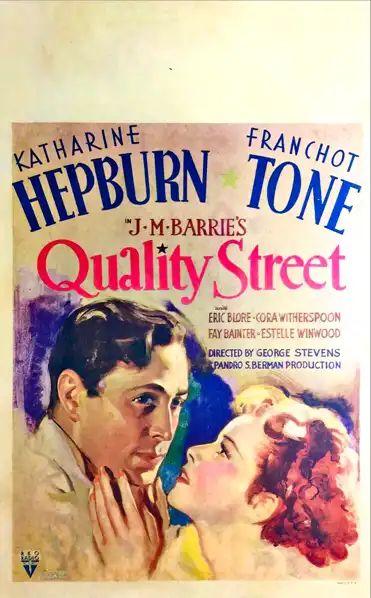
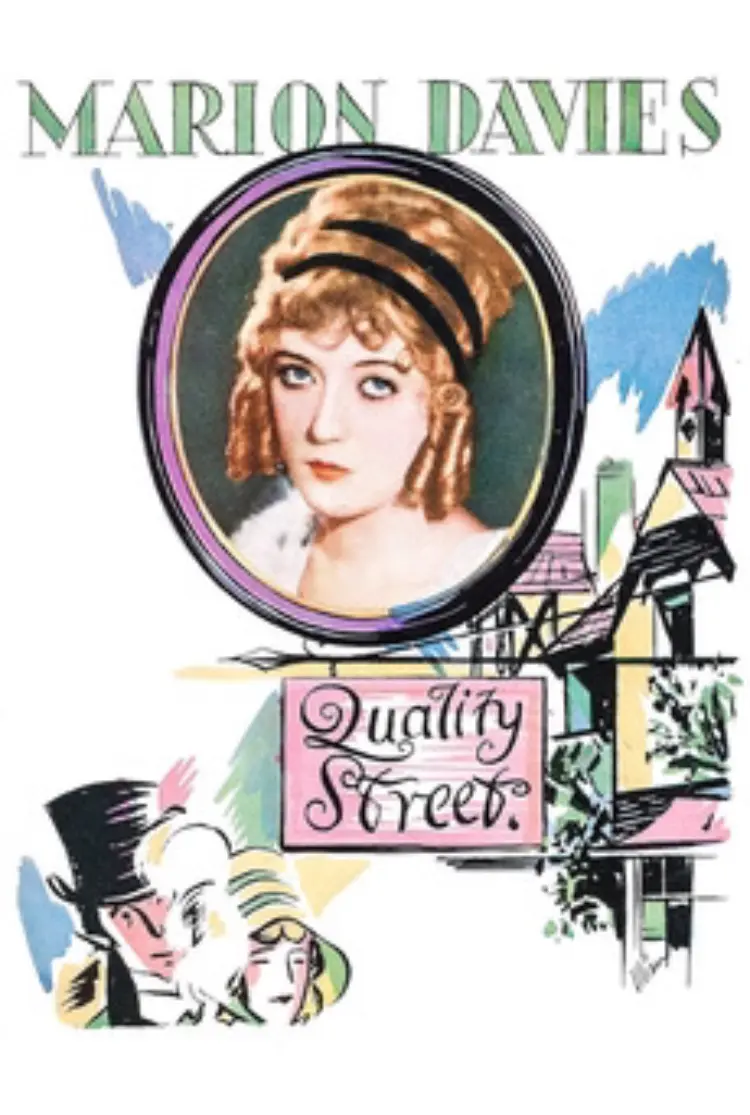
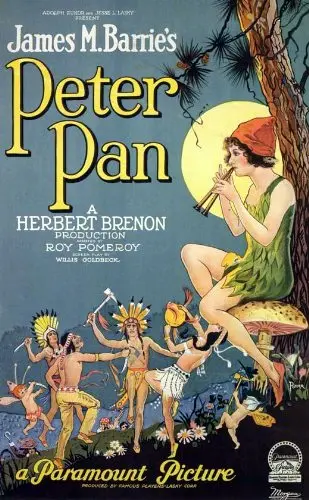
A whirlwind of ink and stardust, James Matthew Barrie burst from the Angus weaving-town of Kirriemuir in 1860, the ninth of ten voices in a house where looms thrummed like heartbeat percussion. His mother, Margaret Ogilvy, filled the rooms with Scott and Shakespeare while his father, David, spun thread and tall tales in equal measure. When fourteen-year-old David died on winter ice, the family fractured; little Jamie slipped into the dead boy’s clothes and mannerisms, learning early that identity—like yarn—can be unravelled and re-knit. Margaret consoled herself that her favourite would never grow old; the notion lodged like a splinter in her youngest son’s imagination. Schooling was a relay: Glasgow Academy (where his siblings taught), Forfar Academy (closer to home), Dumfries Academy (where he staged Bandelero the Bandit and outraged a minister). Between penny dreadfuls and Cooper’s frontier romance, he rehearsed pirate sagas with friends, already scripting escapes from time and gravity. Edinburgh University shackled him to respectability—until the Edinburgh Evening Courant handed him a front-row seat to every stage in town. By 1882 he carried away a degree and a notebook fat with theatre gossip. Nottingham Journal kept him fed while moonlight produced the Auld Licht sketches—three novels that lit a nostalgic candle for Scotland’s stern Calvinist past and made the young journalist a literary curiosity. In 1891 he skewered Ibsen in a one-act frolic, then met actress Mary Ansell. They married in 1894, shared a marriage bed in name only, and divorced fifteen years later when her affections drifted to Gilbert Cannan. Barrie’s wounded pride calcified into lifelong generosity: he quietly bankrolled Mary for the rest of her days. Success arrived in petticoats: Quality Street’s Phoebe duped her suitor for 459 London performances; The Admirable Crichton shipwrecked class pretensions for 828. Yet neither compared to the boy who landed in 1902—first between the pages of The Little White Bird, then onstage in 1904, forever suspended between the clock’s tick and the crocodile’s gulp. Neverland blossomed in sequel after sequel, each map of childhood’s wild country laced with adult barbs. Shaw applauded; the Empire censors squirmed. Barrie tilted at theatrical censorship in 1909 and 1911, penned the feminist divorce riposte The Twelve Pound Look (1910), and in 1917 opened Dear Brutus, a midsummer hall-of-mirrors where unhappy adults glimpse the lives they might have lived. Three years later Mary Rose drifted out of time itself—twice—closing his hit-making era with haunting restraint. In 1929 he signed away his golden boy: Peter Pan’s copyright sailed to Great Ormond Street Hospital, a gift that still keeps sick children in night-lights and nurses. The Boy David (1936) bowed quietly; an unproduced detective farce waited until 2017 for its posthumous curtain. Pneumonia found him in a London nursing home in June 1937; he died at seventy-seven and was carried home to Kirriemuir, where the wind still smells of heather and loom-oil. His will scattered affection like pixie dust—provisions for Mary, the Llewelyn Davies boys he had loved as sons, and the bulk of his estate to devoted secretary Lady Cynthia Asquith. No descendants, only legacies: the boy who refused to grow up, the hospital that grows stronger each year, and readers who—when the window opens—still take the second star to the right and fly straight on till morning.
Filmography
Written (19)