
John Greenleaf Whittier
miscellaneous, soundtrack, writer
- Born:
- 1807-12-17, Haverhill, Massachusetts, USA
- Died:
- 1892-09-07, Hampton Falls, New Hampshire, USA
- Professions:
- miscellaneous, soundtrack, writer
Biography
Emerging into the world on December 17, 1807, near Haverhill, Massachusetts, was John Greenleaf Whittier, an American poet and writer whose life would be deeply interwoven with the nation's unfolding story. His childhood unfolded on a sprawling, yet financially meager, farm, shared with an extended family that included three siblings—two sisters and a brother—along with his mother's sister and his father's brother. The land, while extensive, yielded barely enough profit to sustain the household. A delicate constitution marked his early years, a fragility that would persist throughout his life; his sickly nature often precluded him from farm chores, his color-blindness, for instance, rendering him ill-suited for distinguishing ripe from unripe fruit. Despite a truncated formal education, dictated by his family's persistent financial struggles and his own delicate health, Whittier developed into an insatiable reader. He devoured his father's collection of Quaker texts, internalizing the theology that would anchor his life's philosophy. The Quaker tenets, particularly their insistence on human interconnectedness and mutual obligation, powerfully shaped his worldview, sowing the seeds for his future as a passionate abolitionist. His poetic journey began in 1826 with 'The Exile's Departure,' a piece his sister, recognizing its merit, surreptitiously submitted to the Newburyport Free Press. Its editor, the nascent abolitionist publisher William Lloyd Garrison, not only published it in the June 8 edition but also discerned a nascent talent, encouraging young Whittier to enroll at the recently established Haverhill Academy. Funding his studies through various occupations, including shoemaking and teaching, he completed his education in 1828. Garrison soon enlisted him as editor for his Boston weekly, The American Manufacturer. Whittier quickly emerged as a vocal critic of President Andrew Jackson, a stance that led to his appointment in 1830 as editor of the esteemed New England Weekly Review in Hartford, Connecticut—a leading Whig voice in the region. A foray into national politics proved disastrous; his defeat in the 1832 congressional race triggered a nervous breakdown, necessitating a return to the quiet solace of the Haverhill farm. By 1833, however, he had rekindled his alliance with Garrison, plunging headfirst into the burgeoning abolitionist movement. His incendiary anti-slavery pamphlet, 'Justice and Expediency,' ignited fierce opposition from both Northern industrialists and Southern slaveholders, effectively extinguishing any lingering political aspirations. For the next two decades, he dedicated his life to eradicating the scourge of slavery, co-founding the American Anti-Slavery Society and proving an influential lobbyist in Congress, recruiting numerous congressmen to the cause. His activism, however, came at a steep price: death threats, violent assaults by mobs, and repeated expulsions from towns became grim realities. Undeterred, he assumed the editorship of The Pennsylvania Freeman, a Philadelphia anti-slavery newspaper, in 1838, a position he held for two years. Tragically, that same year saw the paper's new office reduced to ashes by a rampaging pro-slavery mob. A bitter ideological rift with Garrison over the movement's strategic direction led to their acrimonious split in 1839. Whittier then lent his efforts to establishing the Liberty Party, an abolitionist political faction. However, the relentless strain of his editorial responsibilities, literary pursuits, intense abolitionist work—often met with violence—and his persistent health woes culminated in another profound nervous collapse. He retreated to his home in Amesbury, where he would reside for the remainder of his days, his active participation in the movement ceasing, though his fervent support never wavered. He was instrumental in the Liberty Party's transformation into the Free Soil Party. In 1847, he took the helm of The National Era, arguably the North's most potent abolitionist publication, a post he held for a decade, during which he produced some of his most acclaimed prose. With the ratification of the 13th Amendment in 1865, finally outlawing slavery, Whittier transitioned from activism to dedicate himself entirely to poetry. He was among the visionary founders of The Atlantic Monthly, a venerable publication that endures to this day. A memorable encounter with the celebrated British author Charles Dickens in 1867, during Dickens's visit to the U.S., left a lasting imprint on him. Though Massachusetts claimed him for nearly his entire life, John Greenleaf Whittier passed away on September 7, 1892, at a friend's residence in Hampton Falls, New Hampshire. His literary legacy includes enduring poems such as 'Barbara Frietchie,' 'Snow-Bound,' and 'The Brewing of Soma.' The city of Whittier, California, notably the hometown of former U.S. President Richard Nixon, stands as a namesake tribute to him.
Filmography
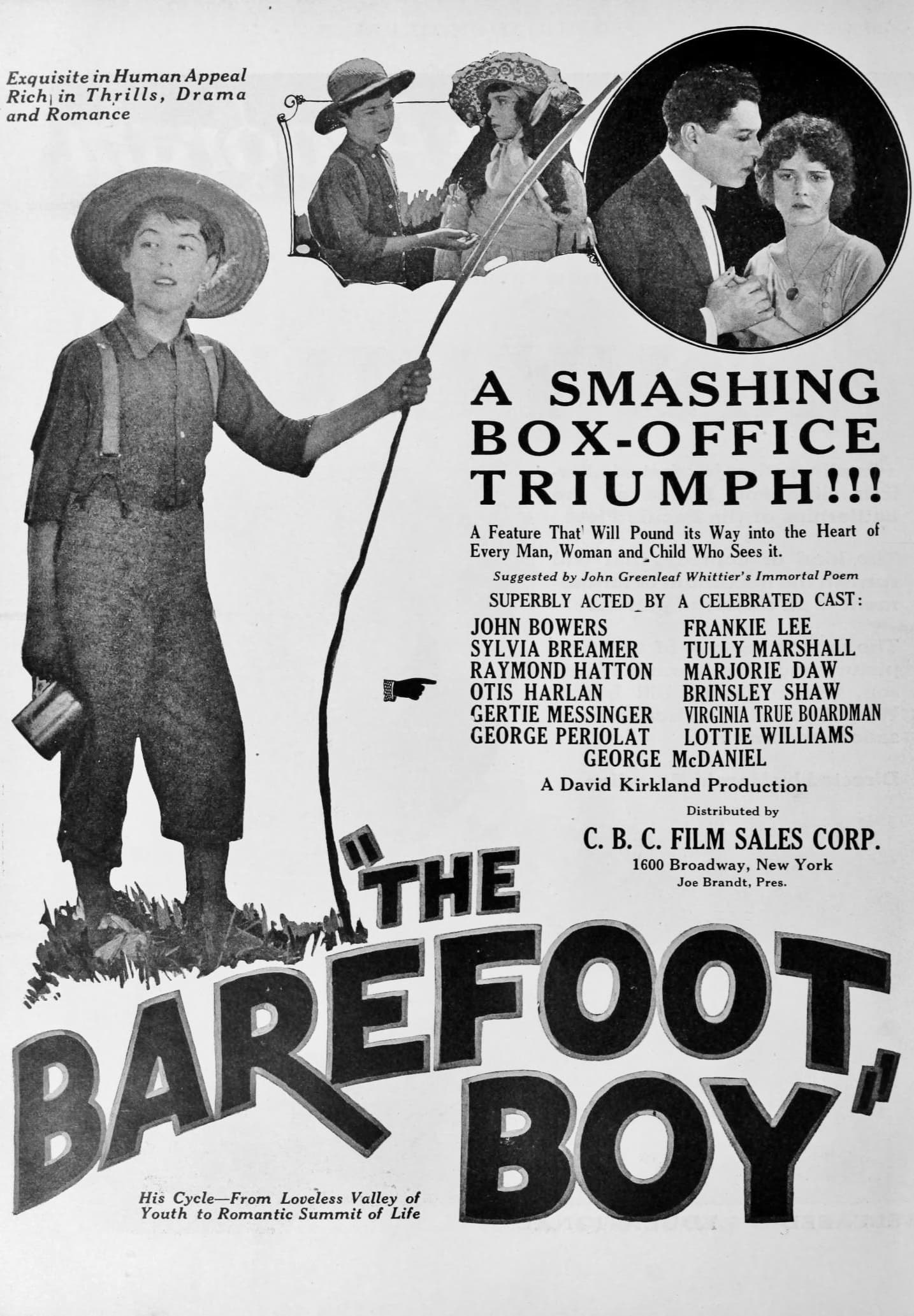
Written (1)
Knowledge Base
Frequently Asked Questions about John Greenleaf Whittier
Community
Comments
Log in to comment.
Loading comments…