

Mary Shelley
writer
- Birth name:
- Mary Wollstonecraft Godwin
- Born:
- 1797-08-30, London, England, UK
- Died:
- 1851-02-01, London, England, UK
- Professions:
- writer
Biography
Mary Shelley arrived on a stormy August night in 1797 and left this world on a winter’s day in 1851, but between those two dates she stitched together a life as electrically charged as the creature her imagination would one day galvanize. The daughter of two revolutionaries—philosopher William Godwin and pioneering feminist Mary Wollstonecraft—she never knew the mother who died days after giving birth, yet absorbed Wollstonecraft’s defiance through every book her father placed in her hands. At four she acquired a stepmother and, with her, a household of friction; at sixteen she ignited a scandal by falling for her father’s young disciple, the already-married poet Percy Bysshe Shelley. In July 1814 the pair bolted to the continent, stepsister Claire Clairmont in tow, wandering through France and Switzerland like characters in a novel still unwritten. Back in England they were greeted by outrage, moneylenders, and the tiny coffin of their firstborn. Only after Harriet Shelley’s suicide in December 1816 did Percy and Mary legalize their union. The “haunted summer” of 1816 on Lake Geneva supplied thunder, candlelight, and a challenge from Lord Byron: each guest must spin a ghost story. Mary’s contribution grew into *Frankenstein; or, The Modern Prometheus*, published anonymously in 1818 and still stalking the cultural landscape two centuries later. That same year the Shelleys resettled in Italy, a country that gave them brief radiance—two small graves in Rome mark the children who did not survive—before delivering its cruelest blow: on 8 July 1822 Percy’s boat went down off Viareggio, leaving Mary a widow at twenty-four. She came home to England with one surviving child, Percy Florence, and a determination to earn her living by her pen. Novels, tales, essays, travel sketches, and biographies poured out: the Tuscan intrigues of *Valperga* (1823), the plague-ravaged future of *The Last Man* (1826), the Perkin Warbeck pretense (1830), the domestic crises of *Lodore* (1835) and *Falkner* (1837), plus the restless *Rambles in Germany and Italy* (1844). Between projects she curated her husband’s poems, shaping the posthumous reputation that would tower over her own. A brain tumor—silent, relentless—ended her story at fifty-three, but modern readers have reopened the book. Scholars now trace the radical thread that runs through all her work: an insistence that sympathy and collective action, especially within the family circle women hold together, are the true engines of social change. Far from living in the shadow of Prometheus, Mary Shelley proved herself the quiet architect of a different fire—one that warms rather than consumes.
Filmography
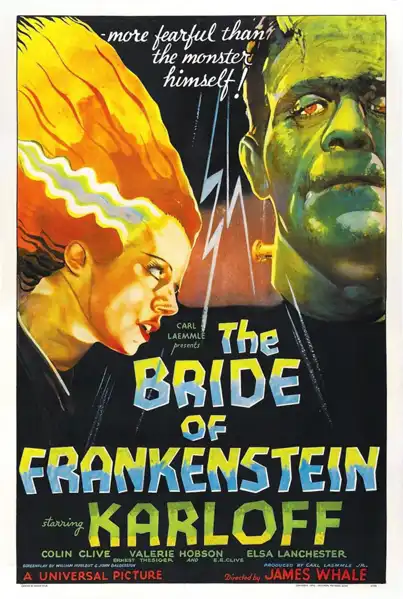
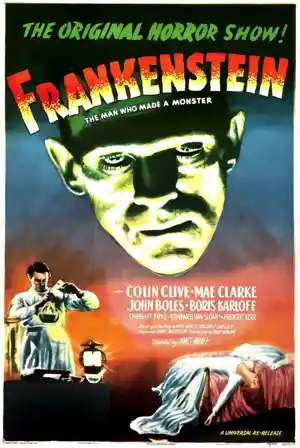
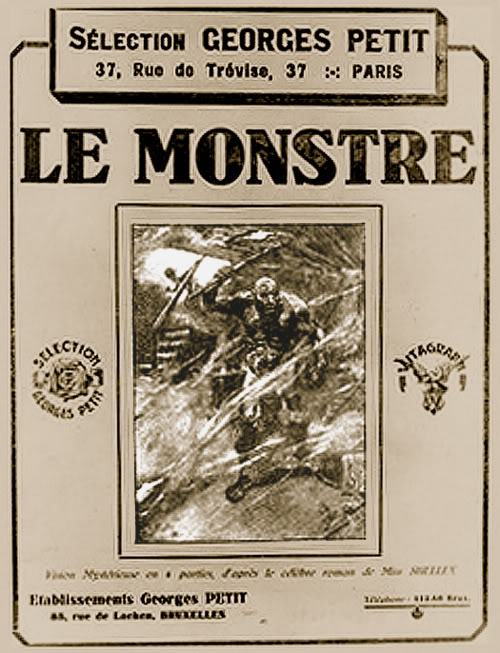
Written (3)
Knowledge Base