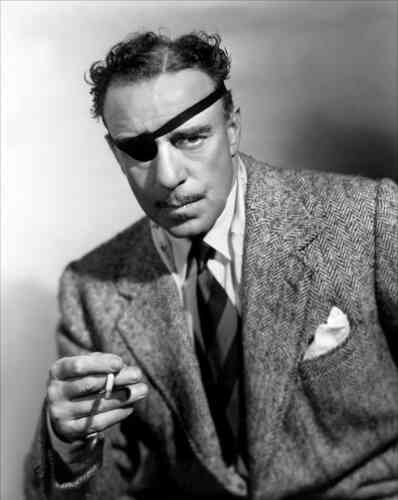
Raoul Walsh
actor, director, writer
- Birth name:
- Albert Edward Walsh
- Born:
- 1887-03-11, New York City, New York, USA
- Died:
- 1980-12-31, Simi Valley, California, USA
- Professions:
- actor, director, writer
Biography
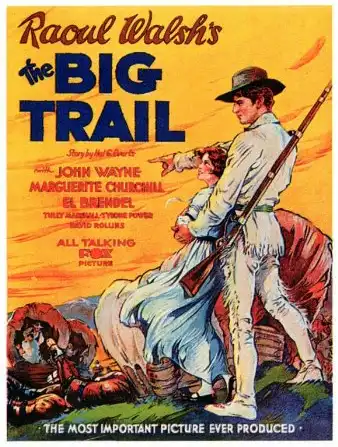
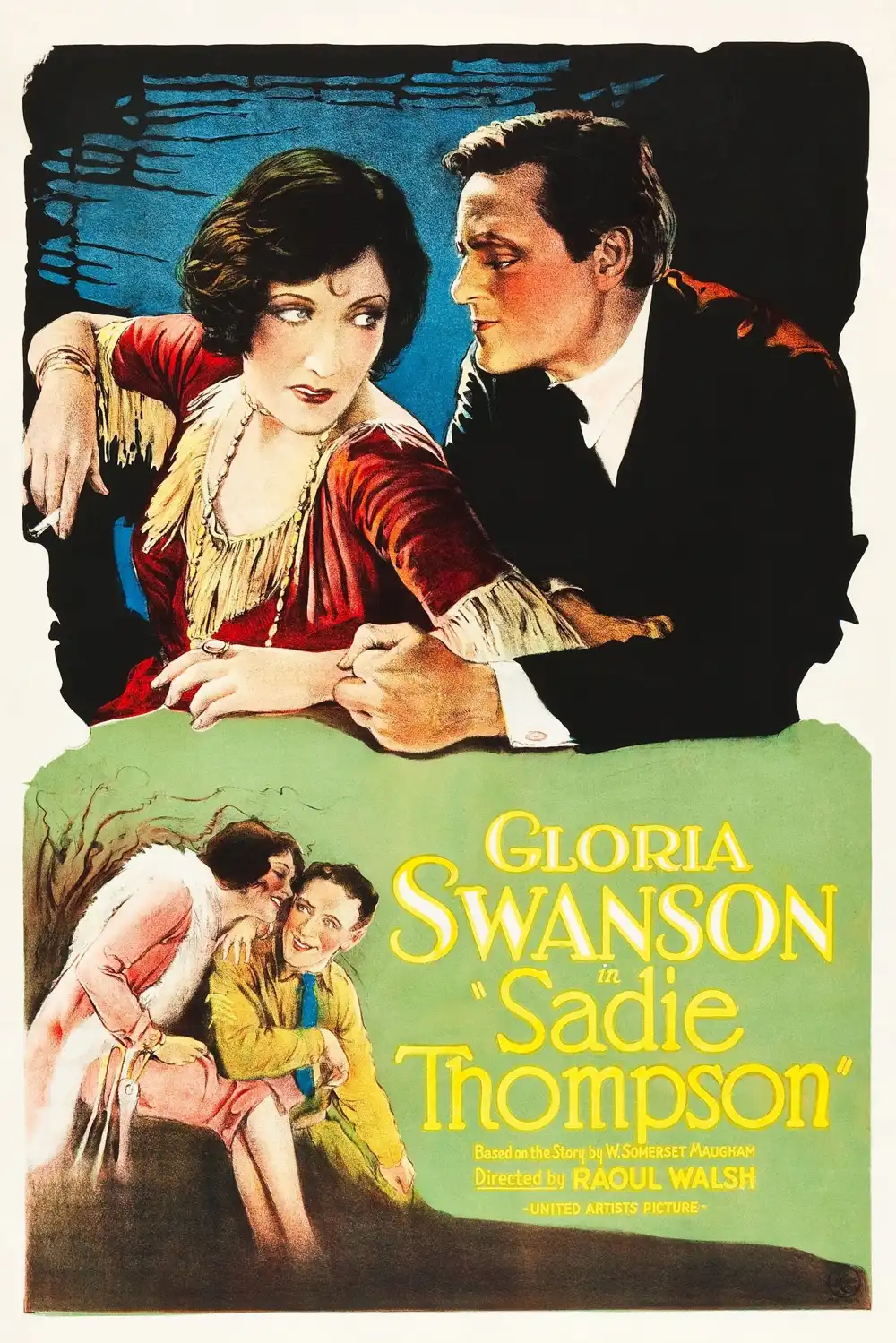
Raoul Walsh’s cinematic legacy, etched over five decades behind the camera, cemented his place as a pillar of Hollywood’s golden age. Before helming classics, he stepped in front of the lens, notably in *Sadie Thompson* (1928), a precursor to the W. Somerset Maugham adaptation that paired him with Gloria Swanson. Fate, however, had a twist in store: a frenetic jackrabbit’s leap through his windshield during a drive cost him his right eye, snatching the Cisco Kid role in *In Old Arizona* (1928) from his grasp—Warner Baxter claimed it, earning an Oscar in the process. That accident birthed an iconic directorial trademark, his eye patch becoming a symbol of grit, rivaling Cecil B. DeMille’s signature jodhpurs. Walsh’s apprenticeship began in 1914 as co-director of *The Life of General Villa*, capturing real battles between Pancho Villa’s forces and Mexican federal troops. By 1915, he was immersed in D.W. Griffith’s contentious *The Birth of a Nation* (1915), serving as assistant director, editor, and actor—portraying John Wilkes Booth in a role that briefly held the title of “most notorious American actor” until Pee Wee Herman usurped the crown. The film, a box-office titan of its era, showcased Walsh’s early mastery of scale and controversy. A year prior, he’d cut his teeth on *The Life of General Villa* (1914), blending documentary realism with biopic drama. By 1915, he’d directed 14 films, including his debut feature *The Regeneration*, a poignant tale of a societyite turned social worker (Anna Q. Nilsson) aiding a reformed Bowery gang leader. Griffith’s influence loomed large in Walsh’s résumé, both as mentor and collaborator, while his New York-born roots—where he’d been born March 11, 1887—shaped his cinematic lens, immortalized in *The Regeneration*’s vivid cityscapes. For four decades, Walsh remained a directorial force, concluding his chair-pushing days in 1964. His pen kept working until 1970, spanning seven decades of showbiz. He launched John Wayne’s career in *The Big Trail* (1930), a 70mm epic that predated Ford’s stardom for the Duke. At Warner Bros., he cranked out masterworks: *The Roaring Twenties* (1939), *High Sierra* (1941), and *White Heat* (1949)—the latter extracting Cagney’s most ferocious performance since *The Public Enemy*. His 1941 slate alone—*They Drive by Night*, *The Strawberry Blonde*, *Manpower*, *They Died with Their Boots On*, *Gentleman Jim*—revealed a director in sync with Bogart, Flynn, and Cagney’s ascents. Novelist Norman Mailer’s claim that Walsh was yanked from his deathbed to adapt *The Naked and the Dead* (1958) adds myth to man. The film, as unflinching as Mailer’s prose, dissected wartime camaraderie’s dark undercurrents—mutiny, prisoner abuse, and officer fragging—with stark realism. Walsh’s knack for male-driven narratives—gangsters, soldiers, adventurers—defined his peak, from *In Old Arizona*’s rugged charm to *The Naked and the Dead*’s grim intensity. Defying the Mailer legend, Walsh survived his supposed deathbed ordeal, living 22 more years. He passed on December 31, 1980, in Simi Valley, California, at 93, his career a tapestry of innovation, resilience, and cinematic grit.